
The Allure of Simplicity: Why We Overlook Hidden Depths
As an aquarist with over a decade of experience, I’ve noticed a fascinating trend: we often underestimate the complexity of fish that appear simple. Maybe it’s their readily available nature, their affordable price tags, or their seemingly docile behavior. Whatever the reason, many hobbyists, especially beginners, tend to overlook the nuanced needs and surprising intelligence of certain “beginner-friendly” species. This can lead to less-than-ideal tank conditions and, sadly, shortened lifespans for these deserving fish.
I remember when I first started out. I was so eager to fill my tank with a rainbow of colors and shapes that I didn’t do nearly enough research. I assumed that because a fish was commonly sold and labeled as “easy to care for,” it actually *was* easy. I quickly learned that “easy” is relative, and even the most adaptable fish have specific requirements that need to be met for them to thrive, not just survive.
Think about it: we often apply this same logic to other areas of life. We might underestimate the dedication required to master a seemingly simple skill, like playing a basic melody on the guitar. Or we might assume that a quiet, unassuming person lacks depth and intelligence. But just as there’s more to playing the guitar than just strumming a few chords, there’s often more to a “simple” fish than meets the eye. In this article, I want to shine a spotlight on some of these often-misunderstood species, sharing my personal experiences and insights to help you create a thriving aquarium environment for them.
Neon Tetras: More Than Just a Splash of Color
Ah, the neon tetra. *Paracheirodon innesi*. The quintessential beginner fish. That tiny, shimmering streak of blue and red that seems to grace nearly every community tank. But are they truly as straightforward as they appear? I’d argue no. While neon tetras are relatively hardy once established, their sensitivity to water parameters, especially during acclimation, can be a major hurdle for new aquarists.
The Acclimation Challenge
I’ve seen countless beginners lose a significant portion of their neon tetra school within the first few days of bringing them home. Why? Often, it’s due to improper acclimation. Neon tetras are particularly susceptible to osmotic shock, which occurs when there’s a significant difference in water chemistry between the bag they’re transported in and the aquarium water. A slow, drip acclimation process, taking at least an hour, is crucial. This allows them to gradually adjust to the new water parameters, minimizing stress and preventing shock. I personally use a drip acclimation kit with an adjustable valve to ensure a slow and steady flow.
Beyond acclimation, maintaining stable water parameters is key to their long-term health. They prefer soft, slightly acidic water. Regular water changes are essential to prevent the buildup of nitrates, which can be toxic to neon tetras, even at low levels. I aim for a 25% water change weekly, using a dechlorinator to remove chlorine and chloramine from the tap water.
The Importance of a School
Another common mistake is not keeping them in a large enough school. Neon tetras are social creatures and feel safest in groups of at least six, but preferably ten or more. When kept in small numbers, they become stressed, which makes them more susceptible to disease. A stressed neon tetra will often lose its vibrant color and become reclusive. Seeing a healthy school of neon tetras actively swimming together is a sign that they’re comfortable and thriving.
I once had a customer at a local fish store tell me they only wanted to buy two neon tetras because “they’re just decorations.” I tried my best to explain the social needs of the fish, but they were insistent. It’s disheartening to see fish treated as mere ornaments rather than living beings with complex needs.

Corydoras Catfish: More Than Just Bottom Feeders
Next up are the corydoras catfish. These adorable little scavengers are often touted as the cleanup crew for the aquarium, tasked with devouring leftover food and keeping the substrate clean. While they do help with this, it’s a gross oversimplification of their role and needs. Thinking of them only as “bottom feeders” can lead to neglect and an unhealthy environment for these social and fascinating fish.
A Varied Diet is Essential
The biggest misconception about corydoras is that they can survive solely on leftover food. This is simply not true. Corydoras need a balanced diet specifically formulated for bottom-dwelling fish. Sinking pellets or wafers should be a staple in their diet, supplemented with occasional treats like bloodworms or daphnia. I personally feed my corydoras a combination of sinking wafers and frozen bloodworms a few times a week. Watching them sift through the substrate in search of food is always entertaining.
Ignoring their dietary needs can lead to malnutrition and weakened immune systems, making them vulnerable to diseases. It’s important to observe them during feeding time to ensure they’re getting enough to eat and aren’t being outcompeted by other fish in the tank.
Substrate Matters
Another crucial aspect of corydoras care is the substrate. They have delicate barbels, which they use to sift through the substrate in search of food. A coarse or sharp substrate can damage these barbels, making it difficult for them to feed and increasing their risk of infection. Fine sand or smooth gravel is the ideal substrate for corydoras. I’ve found that sand is particularly beneficial, as it allows them to engage in their natural foraging behavior without injury. I use a fine, silica-based sand in my corydoras tank, and they seem to absolutely love it.
Social Butterflies of the Bottom
Like neon tetras, corydoras are social creatures and should be kept in groups of at least six. They exhibit fascinating schooling behavior and are much more active and confident when kept in larger numbers. Watching a group of corydoras playfully exploring the bottom of the tank is a joy to behold. I currently have a school of eight peppered corydoras in my 20-gallon community tank, and they are always the most active fish in the tank.
They’re not just there to clean up; they’re integral members of the aquarium ecosystem, deserving of the same care and attention as any other fish.
Betta Fish: Solitary, Yes, But Not Simple
The betta fish, or Siamese fighting fish (*Betta splendens*), is perhaps one of the most misunderstood fish in the aquarium hobby. Often relegated to small bowls or vases, bettas are frequently perceived as being able to thrive in cramped and unsuitable conditions. This couldn’t be further from the truth. While bettas are solitary and territorial towards other males, they are intelligent, sensitive creatures with specific needs that must be met for them to flourish.
The Myth of the Bowl
The biggest misconception surrounding bettas is that they can live happily in small bowls. This is a cruel and outdated notion. Bettas need a minimum of 5 gallons of water to thrive. Smaller tanks are difficult to keep clean and stable, leading to poor water quality and stress for the fish. A larger tank provides more space for swimming, exploring, and establishing territories, which is essential for their well-being.
I remember seeing a betta kept in a tiny vase at a local office. The water was cloudy, and the fish looked lethargic and stressed. It broke my heart to see such a magnificent creature kept in such deplorable conditions. I gently suggested to the owner that they consider upgrading to a larger tank, but they seemed unconvinced, believing that the betta was “happy enough” in its vase. It’s frustrating to encounter such ignorance and apathy towards animal welfare.
Water Quality is Paramount
Bettas are sensitive to poor water quality, so regular water changes are crucial. A filter is also essential to maintain clean and healthy water. Bettas prefer warm water, around 78-82°F (25-28°C), so a heater is necessary, especially in colder climates. I use an adjustable heater in my betta tank to ensure a consistent temperature. I also perform 25% water changes twice a week to keep the water pristine.
Enrichment is Key
Bettas are intelligent and curious fish that need mental stimulation to prevent boredom. Providing them with a variety of enrichment items, such as plants, caves, and floating logs, can help keep them engaged and active. They also enjoy exploring their surroundings and hunting for food. I’ve found that adding live plants to my betta tank has significantly improved his overall well-being. He loves to explore the plants and create bubble nests among the leaves.

The Importance of Observation
One of the most important aspects of fishkeeping, regardless of the species, is observation. Spending time observing your fish can provide valuable insights into their health and behavior. Changes in appetite, activity level, or coloration can be early warning signs of illness or stress. By being attentive to your fish, you can catch problems early and take steps to correct them before they become serious. I make it a habit to spend at least 15 minutes each day observing my fish, paying close attention to their behavior and appearance. It’s a rewarding practice that has helped me become a more successful aquarist.
White Cloud Mountain Minnows: Cold Water Wonders
Often overlooked in favor of more vibrantly colored tropical fish, the White Cloud Mountain Minnow (*Tanichthys albonubes*) is a hardy and beautiful fish that is surprisingly adaptable. However, their adaptability can sometimes lead to misconceptions about their ideal living conditions. While they can tolerate a wide range of temperatures, neglecting their specific needs can prevent them from truly thriving.
Beyond the Unheated Tank
White Clouds are often recommended as an excellent choice for unheated tanks, and while they *can* survive in cooler temperatures, optimal conditions lie between 64-72°F (18-22°C). Sustained temperatures outside this range can lead to sluggishness, reduced breeding activity, and a weakened immune system. While they don’t require a heater in many climates, monitoring the water temperature is still essential, especially during extreme weather conditions. I use a reliable aquarium thermometer to keep a close eye on the temperature in my White Cloud tank.
More Than Just Algae Eaters
Another common misconception is that White Clouds are primarily algae eaters. While they may nibble on algae occasionally, they require a varied diet consisting of high-quality flake food, small pellets, and occasional live or frozen foods like daphnia or bloodworms. Providing them with a balanced diet will enhance their coloration and promote overall health. I feed my White Clouds a rotation of flake food, micro pellets, and frozen daphnia.
Space to Swim
White Clouds are active swimmers and require ample space to exercise. A minimum tank size of 10 gallons is recommended for a small school of six, but a larger tank is always preferable. A longer tank is more suitable than a tall tank, as it provides more horizontal swimming space. I keep my school of White Clouds in a 20-gallon long tank, and they are constantly darting back and forth, displaying their vibrant colors.

Subtle Beauty, Lasting Impression
Don’t let their understated appearance fool you. White Cloud Mountain Minnows are active, social, and surprisingly resilient fish that can bring a touch of elegance to any aquarium. By understanding their specific needs and providing them with a suitable environment, you can unlock their full potential and enjoy their subtle beauty for years to come.
Guppies: Livebearers with Lively Needs
Guppies (*Poecilia reticulata*) are another incredibly popular fish, often chosen for their bright colors, ease of breeding, and perceived simplicity. While they are relatively easy to breed, their prolific nature and adaptability can sometimes lead to neglect and a lack of understanding of their specific requirements for optimal health and longevity.
Beyond the Breeding Frenzy
The focus on guppy breeding often overshadows the importance of providing them with a balanced diet and a stable environment. Overcrowding is a common issue in guppy tanks, as their rapid breeding can quickly overwhelm the available space. Overcrowding can lead to poor water quality, increased stress, and a higher susceptibility to disease. Regular water changes and careful monitoring of the population are essential to prevent overcrowding. I use a separate breeding tank to control the guppy population in my main aquarium.
Dietary Diversity
Guppies are omnivores and require a varied diet to thrive. While they will readily accept flake food, it should be supplemented with live or frozen foods like brine shrimp, daphnia, or bloodworms. A diet rich in protein and vitamins will enhance their coloration, promote growth, and improve their overall health. I feed my guppies a combination of high-quality flake food, frozen brine shrimp, and live daphnia.
The Importance of Water Quality
Like all fish, guppies are sensitive to poor water quality. Regular water changes are essential to maintain clean and healthy water. A filter is also necessary to remove waste and toxins from the water. Guppies prefer slightly alkaline water with a pH between 7.0 and 8.0. I test the water parameters in my guppy tank regularly to ensure they are within the optimal range.
Don’t Underestimate Their Complexity
Guppies are more than just colorful and prolific breeders. They are intelligent, social creatures that deserve the same care and attention as any other fish. By understanding their specific needs and providing them with a suitable environment, you can enjoy their lively personalities and vibrant colors for years to come.

Final Thoughts: Respecting the Simplicity
Ultimately, the key to successfully keeping any fish, regardless of how “simple” they may seem, lies in diligent research, careful observation, and a commitment to providing them with the best possible care. Don’t let the readily available nature or low price tag of these fish lull you into a false sense of security. Every fish deserves a healthy and stimulating environment, and by taking the time to understand their specific needs, you can create a thriving aquarium that both you and your fish will enjoy. It’s a rewarding journey, and the more you learn, the more you’ll appreciate the hidden depths of even the most seemingly simple creatures. So, the next time you look at a school of neon tetras or a solitary betta, remember that there’s more to them than meets the eye. Their simplicity is part of their charm, but it shouldn’t be mistaken for a lack of complexity or need. Embrace the challenge of providing them with the best possible care, and you’ll be rewarded with years of enjoyment and a deeper appreciation for the wonders of the aquatic world.
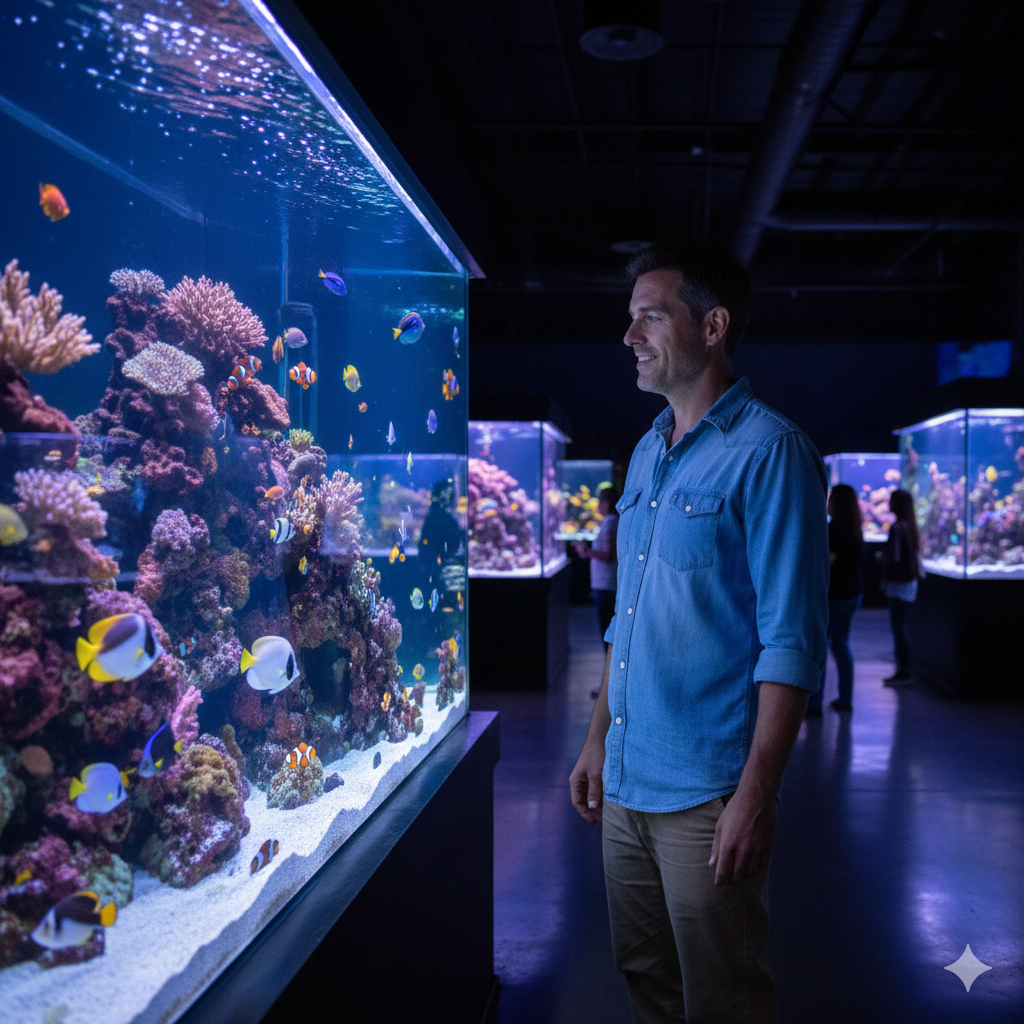
My name is Daniel Carter, I am 35 years old, and I live in the United States. I have been passionate about aquariums for many years, and what started as a simple hobby quickly became a lifelong interest in aquatic life, fish behavior, and responsible tank care.
Through TheBrightLance, I share real experiences, practical knowledge, and honest lessons learned from maintaining different types of aquariums. I enjoy testing equipment, studying fish behavior, improving maintenance routines, and helping beginners avoid common mistakes.
My goal is to make aquarism easier, more ethical, and more enjoyable for everyone — whether you are setting up your very first tank or looking to refine your techniques.