
Beyond the Goldfish Bowl: Unexpected Fish Personalities
Like many folks, my initial foray into the aquarium hobby began with the humble goldfish. I remember being a kid, utterly captivated by the shimmering scales and the way they’d clumsily gulp at the surface for food. Back then, I thought all fish were pretty much the same – decorative, low-maintenance, and largely devoid of personality. Boy, was I wrong.
Over the past decade, I’ve kept all sorts of freshwater fish, from the tiny neon tetras that dart like living jewels to the more substantial and imposing cichlids. And what I’ve discovered is that fish aren’t just colorful decorations. They have distinct personalities, behaviors, and quirks that can be surprisingly complex and, at times, downright perplexing. Some fish are bold and curious, others shy and retiring. Some are peaceful community dwellers, while others are territorial bullies. It’s a whole world of underwater drama, and I’ve learned a ton from just observing.
I want to share some of the fish species I’ve encountered that have completely shattered my preconceived notions about fish behavior. These aren’t necessarily the “best” or “easiest” fish to keep, but they are the ones that have challenged my understanding and deepened my appreciation for the diversity and intelligence found in the aquatic world.
The Electric Eel: More Than Just a Shocking Surprise
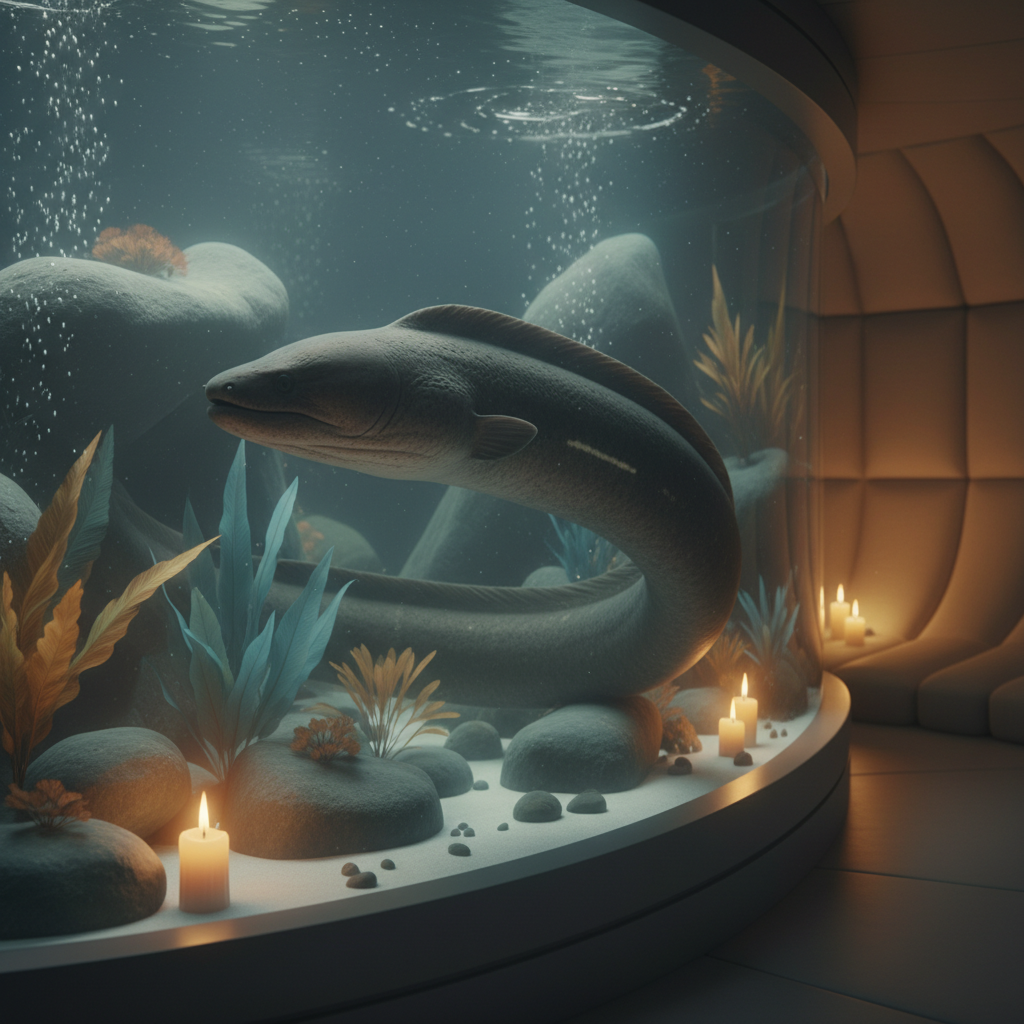
Okay, I know, the electric eel isn’t technically a fish. It’s a knifefish. But hear me out! Before diving into the world of “true” fish, I need to tell you about my (brief) experience with an electric eel. I worked at a local aquarium store during my college days, and we had a juvenile electric eel. I’d always heard about their shocking abilities, but I never truly appreciated their intelligence and sensitivity until I saw it firsthand.
Most people think of electric eels as mindless creatures that just randomly discharge electricity. But what I observed was far more nuanced. The eel, which we affectionately named Sparky (original, I know), seemed to recognize individual employees. It would react differently depending on who was approaching its tank. With some people, it would remain calm and relaxed. With others, it would become noticeably agitated, emitting small, almost imperceptible electrical pulses. It was like it had a personal vendetta against certain individuals (maybe they forgot to feed it once!).
Furthermore, Sparky learned to control its electrical discharges with incredible precision. It could emit a weak pulse to “scan” its surroundings, almost like echolocation. And, of course, it could deliver a powerful jolt to stun prey or defend itself. It was a fascinating display of adaptation and intelligence. While I wouldn’t recommend keeping an electric eel in a home aquarium (they require very specialized care and pose a potential safety risk), my experience with Sparky completely changed my perception of these incredible creatures.
A Case Study in Specialized Care
Keeping an electric eel is not for the faint of heart, or the inexperienced aquarist. They need a very large tank, pristine water quality, and a diet consisting primarily of live fish. And, of course, you need to take precautions to avoid getting shocked. We used specialized equipment when cleaning the tank or performing maintenance. The biggest surprise for me was how sensitive they are to their environment. Any sudden changes in water parameters or even loud noises could stress them out. It really highlights the responsibility that comes with keeping any animal, especially one as unique as an electric eel.
The Pea Puffer: Tiny Terror, Huge Personality
Moving on to “true” fish, let’s talk about pea puffers. These tiny, adorable little guys are often marketed as peaceful community fish. And while they can be kept with certain tank mates under specific conditions, the reality is that they are often aggressive and territorial. I learned this the hard way.
I set up a beautiful planted tank with the intention of creating a peaceful community of nano fish. I had some neon tetras, a few rasboras, and a handful of pea puffers. Initially, everything seemed fine. The puffers were busy exploring the tank, hunting for snails, and generally being cute. But then, the nipping started. I noticed that the tetras’ fins were becoming frayed and tattered. At first, I thought it was fin rot, but upon closer observation, I realized that the pea puffers were the culprits.
These tiny terrors were systematically harassing and attacking the other fish in the tank. They would lie in wait, hidden among the plants, and then dart out to nip at the fins of unsuspecting passersby. It was like watching a miniature gang of aquatic bullies. I was shocked! These fish were barely an inch long, but they packed a serious punch. I ended up having to rehome the pea puffers to their own species-only tank.
What surprised me the most was the sheer intelligence and cunning displayed by these little guys. They weren’t just randomly attacking the other fish. They seemed to be strategically targeting the weakest and most vulnerable individuals. They were also incredibly persistent. Even after being chased away, they would always come back for more. It was a fascinating, albeit frustrating, experience.
The Importance of Species-Specific Research
My pea puffer experience taught me a valuable lesson: always do thorough research before adding any new fish to your aquarium. Don’t just rely on what you read in a generic care guide or what the pet store employee tells you. Look for detailed information about the specific species you are interested in, including their temperament, social behavior, and specific needs. There are tons of great resources online, from forums to scientific articles. A little bit of research can save you a lot of heartache (and fin nipping) down the road.
The Corydoras Catfish: More Than Just Bottom Feeders
Corydoras catfish, or “corys” as they’re often called, are another species that often get mislabeled as simple, low-maintenance fish. They’re typically sold as scavengers, tasked with cleaning up leftover food from the bottom of the tank. While they certainly will eat uneaten food, they are so much more than just bottom feeders.
I’ve kept several different species of corydoras over the years, and I’ve always been impressed by their playful and social nature. They are highly social creatures and thrive in groups. Watching a school of corys rummaging through the substrate together is a joy. They’ll often engage in playful behaviors, such as chasing each other around the tank or wiggling their bodies in the sand.
What surprised me the most about corydoras is their sensitivity to water quality. They are often among the first fish to show signs of stress if the water parameters are off. This is because they have sensitive barbels (the whisker-like appendages around their mouths) that can be easily damaged by poor water quality. I’ve learned that keeping corydoras happy and healthy requires diligent maintenance, including regular water changes and careful monitoring of water parameters.
They also have distinct personalities. Some corys are bolder and more outgoing than others. Some are more active during the day, while others prefer to hide in the shadows. It’s fun to observe their individual quirks and behaviors.
Beyond the Algae Wafers: Providing a Balanced Diet
It’s important to remember that corydoras are not just scavengers. They need a varied and balanced diet to stay healthy. While they will eat uneaten food, they also need to be fed sinking pellets, algae wafers, and frozen foods. I like to supplement their diet with live foods, such as bloodworms and daphnia, a few times a week. Providing a varied diet will not only keep them healthy but also bring out their natural foraging behaviors.

The Betta Fish: Not Just a Fighting Fish
Betta fish, also known as Siamese fighting fish, are perhaps the most misunderstood fish in the aquarium hobby. They are often sold in small cups or bowls, with the implication that they are solitary creatures that don’t need much space or care. This couldn’t be further from the truth.
While male betta fish are indeed territorial and aggressive towards other males, they are not inherently aggressive towards all fish. In fact, with proper planning and tank mates selection, they can be kept in community tanks. I’ve had success keeping betta fish with peaceful, non-nippy fish, such as neon tetras, corydoras catfish, and snails. The key is to provide plenty of space, hiding places, and to avoid any fish that might be mistaken for another betta (like guppies with long, flowing fins).
What surprised me the most about betta fish is their intelligence and responsiveness. They are capable of learning tricks, recognizing their owners, and even displaying affection. I’ve taught my betta to jump out of the water to take food from my fingers. It’s a fun and rewarding experience.
They also have distinct personalities. Some bettas are curious and outgoing, while others are shy and reclusive. Some are active swimmers, while others prefer to spend their time lounging on plants or decorations. Each betta is an individual with its own unique quirks and preferences.
The Importance of a Proper Environment
Betta fish need a warm, clean, and well-filtered tank to thrive. They also need plenty of plants and decorations to provide hiding places and reduce stress. Avoid keeping them in small bowls or unfiltered tanks, as this can lead to poor water quality and health problems. I recommend a minimum tank size of 5 gallons for a single betta fish. A larger tank is even better, especially if you plan on keeping them with other fish. Regular water changes are essential to maintain good water quality.
The African Cichlids: A World of Complex Social Structures
African cichlids, especially those from Lake Malawi and Lake Tanganyika, are a diverse and fascinating group of fish. They are known for their vibrant colors, complex social behaviors, and unique breeding strategies. Before keeping them, I always heard they were aggressive, which in many ways is true, but what surprised me was *how* complex their aggression was.
Many African cichlids exhibit a hierarchical social structure, with dominant males controlling territories and breeding rights. The aggression that is often observed is typically related to establishing and maintaining this hierarchy. Watching these interactions unfold in the aquarium is like watching a miniature soap opera. There are alliances, rivalries, and constant power struggles.
What surprised me the most was the level of parental care exhibited by some African cichlids. Many species are mouthbrooders, meaning that the female incubates the eggs in her mouth until they hatch. During this time, she cannot eat and must protect the eggs from predators. It’s an incredible display of dedication and sacrifice.
Researching Specific Species Before Committing
Keeping African cichlids requires careful planning and research. Different species have different needs and temperaments. Some species are more aggressive than others, and some are more compatible with certain tank mates. It’s important to research the specific species you are interested in and to create a tank environment that meets their needs. Overcrowding the tank can help to diffuse aggression, but it’s important to maintain good water quality. Regular water changes and a powerful filtration system are essential.

The Archerfish: An Aquatic Sharpshooter
The archerfish is perhaps one of the most unique and fascinating fish in the aquarium hobby. These fish are known for their ability to shoot jets of water at insects and other prey, knocking them into the water where they can be eaten.
I always knew about their shooting ability, but what surprised me was the accuracy and power of their shots. They can accurately target prey from several feet away. They can also adjust their aim to compensate for the refraction of light at the water’s surface. It’s an incredible feat of natural engineering.
Keeping archerfish in the aquarium requires a specialized setup. They need a large tank with plenty of open swimming space. They also need a source of live insects, such as crickets or mealworms. I like to suspend the insects above the water’s surface using a branch or a piece of driftwood. This allows the archerfish to practice their shooting skills.
More Than Just a Novelty: Appreciating Evolutionary Adaptation
Archerfish are not just a novelty. They are a testament to the power of evolution and adaptation. Their unique hunting strategy has allowed them to thrive in their natural environment. Observing them in the aquarium is a reminder of the incredible diversity and ingenuity of the natural world.

Beyond the Surface: A Deeper Appreciation
My journey into the world of aquariums has been full of surprises and unexpected discoveries. I’ve learned that fish are not just simple, decorative creatures. They are intelligent, complex, and fascinating animals with distinct personalities and behaviors. By taking the time to observe and understand them, we can gain a deeper appreciation for the diversity and wonder of the aquatic world. It’s a constant learning process, and that’s what makes it so rewarding.
So, the next time you see a fish in an aquarium, remember that there’s more to it than meets the eye. Take a moment to observe its behavior, its interactions with other fish, and its unique quirks. You might be surprised by what you discover. The underwater world is full of hidden treasures, waiting to be explored.
My name is Daniel Carter, I am 35 years old, and I live in the United States. I have been passionate about aquariums for many years, and what started as a simple hobby quickly became a lifelong interest in aquatic life, fish behavior, and responsible tank care.
Through TheBrightLance, I share real experiences, practical knowledge, and honest lessons learned from maintaining different types of aquariums. I enjoy testing equipment, studying fish behavior, improving maintenance routines, and helping beginners avoid common mistakes.
My goal is to make aquarism easier, more ethical, and more enjoyable for everyone — whether you are setting up your very first tank or looking to refine your techniques.