
My Journey Through the Wonderful World of Fish
For over a decade, my life has been intertwined with the serene and captivating world of aquariums. What started as a simple curiosity quickly blossomed into a full-blown passion. I’m Lucas Anderson, and I’m here to share some of the most fascinating fish species curiosities that have not only shaped my understanding of aquatic life but also dramatically influenced my aquarium choices.
When I first dipped my toes into this hobby, I was overwhelmed, to say the least. The sheer variety of fish species, their unique behaviors, and the intricate ecosystems they inhabit felt like navigating a labyrinth. I made my fair share of mistakes – overstocking, incompatible tankmates, and neglecting water parameters. But each misstep was a learning opportunity, a chance to refine my approach and delve deeper into the fascinating world beneath the water’s surface.
Over time, I discovered that understanding the natural history and specific needs of different fish species is paramount to creating a thriving and balanced aquarium. It’s not just about aesthetics; it’s about providing an environment where these creatures can truly flourish.
The Astonishing Adaptations of the Axolotl
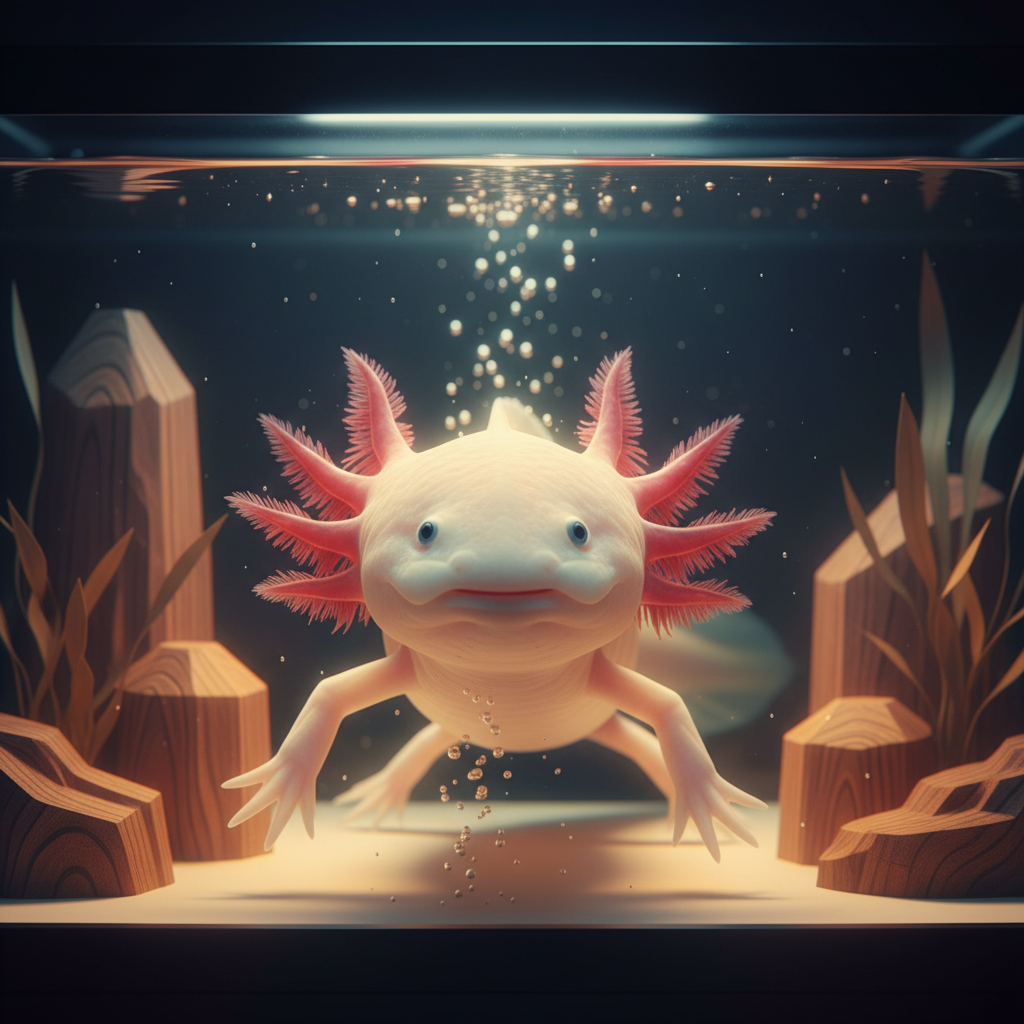
One of the first species that truly captured my imagination was the axolotl (Ambystoma mexicanum). These charismatic amphibians, often referred to as “walking fish,” are native to the ancient lake systems of Mexico City. What makes them truly remarkable is their ability to regenerate lost limbs, spinal cords, and even parts of their brains without scarring. Can you imagine the implications for human medicine? It’s astounding!
I remember reading about axolotls and being completely mesmerized. Their neotenic nature – retaining larval characteristics throughout their adult life – gives them a perpetually youthful appearance, with feathery external gills and wide, innocent eyes. They seem to always be smiling, don’t they?
While I haven’t personally kept axolotls (they require specific temperature and water parameters that differ significantly from my tropical setups), their unique biology has profoundly influenced my approach to aquarium management. It instilled in me a deep appreciation for the delicate balance of aquatic ecosystems and the importance of maintaining pristine water quality. If an animal can regenerate entire limbs, imagine how sensitive they are to poor water conditions!
The Regenerative Powerhouse
The axolotl’s regenerative abilities are a testament to the power of evolution. Scientists are actively studying their genes to understand the mechanisms behind this remarkable feat. Could unlocking these secrets lead to breakthroughs in treating human injuries and diseases? It’s a question that keeps me, and countless researchers, captivated.
Furthermore, the axolotl’s critically endangered status in the wild serves as a stark reminder of the threats facing aquatic ecosystems worldwide. Habitat loss, pollution, and invasive species are all contributing to the decline of these amazing creatures. It reinforces my commitment to responsible aquarium keeping and supporting conservation efforts.
The Social Dynamics of Corydoras Catfish
Moving from the bizarre to the charming, let’s talk about Corydoras catfish. These small, peaceful bottom-dwellers are among my favorite aquarium inhabitants. Not only are they incredibly endearing to watch, but they also play a vital role in maintaining a clean and healthy tank. Who doesn’t love a little clean-up crew?
What I find most fascinating about Corydoras is their social behavior. They are shoaling fish, meaning they thrive in groups. Observing their interactions is like watching a tiny, bustling community unfold before your eyes. They forage together, playfully chase each other, and huddle together for security. It’s a reminder that even in the seemingly solitary world of an aquarium, social connections are essential for well-being.
I learned this lesson the hard way. In my early days of aquascaping, I only had two Corydoras. They were always hiding and seemed stressed. It wasn’t until I increased their numbers to a group of six that I witnessed their true personalities emerge. They became more active, confident, and engaging. Now, I wouldn’t dream of keeping Corydoras in anything less than a group of six. It’s simply unfair to them.
A Symphony of Substrate Searchers
The gentle rustling of Corydoras searching for food among the substrate is a soothing sound. They use their barbels – whisker-like sensory organs – to detect edible morsels hidden beneath the gravel or sand. Their constant foraging helps to prevent the build-up of uneaten food and detritus, contributing to a cleaner and healthier aquarium environment. They truly are the unsung heroes of the tank.
Furthermore, their peaceful nature makes them ideal tankmates for a wide variety of other fish species. They rarely, if ever, bother other inhabitants, and their presence often has a calming effect on the entire aquarium community. It’s a testament to the power of peaceful coexistence.
The Shocking Truth About Electric Eels
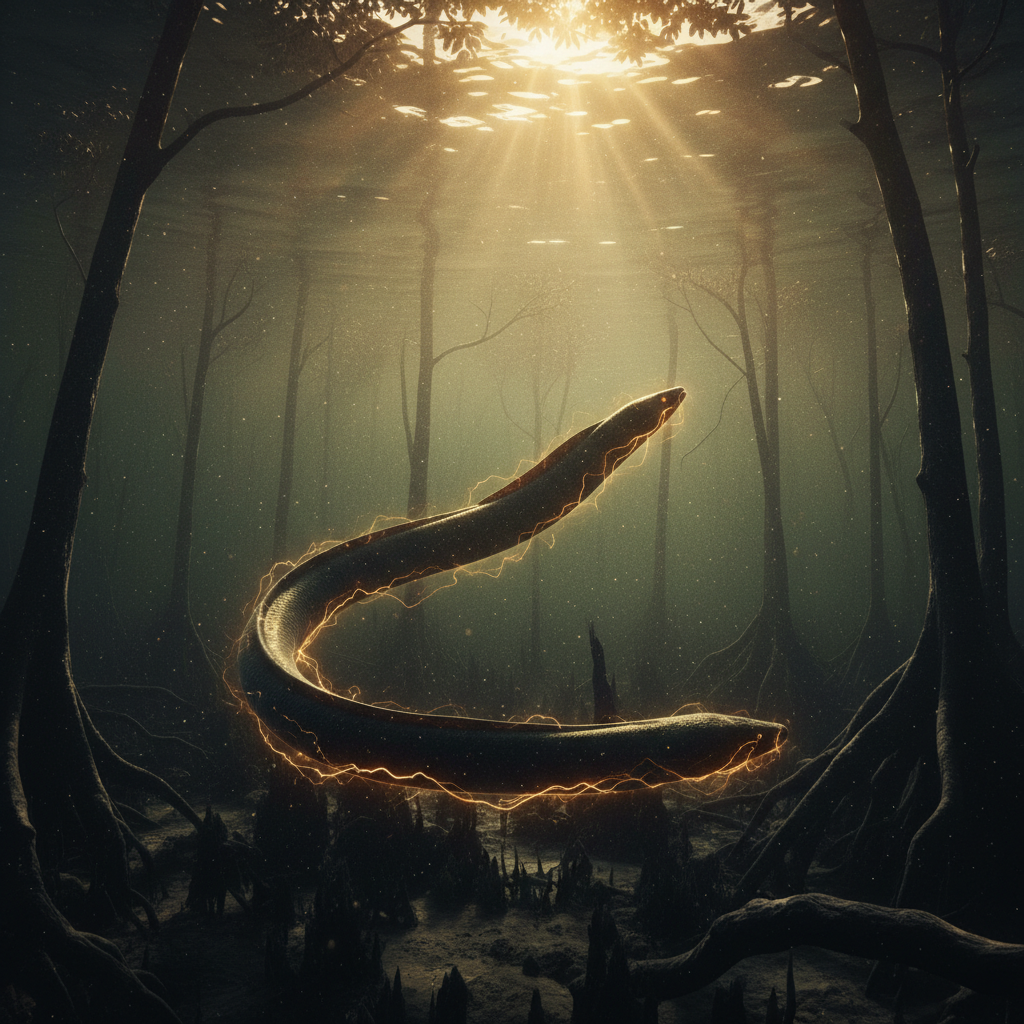
Now, let’s dive into something a little more electrifying – literally! Electric eels (Electrophorus electricus) are not actually eels, but rather a type of knifefish. And, of course, they are capable of generating powerful electric shocks. What’s truly mind-boggling is how they use this ability to hunt, defend themselves, and even communicate.
While I wouldn’t even consider keeping an electric eel in my home aquarium (they require enormous tanks and specialized care), learning about their electrogenic organs has been incredibly enlightening. These organs, which make up a significant portion of their body mass, are composed of specialized cells called electrocytes. Each electrocyte produces a small electrical charge, and when these charges are combined, they can generate a voltage of up to 600 volts!
Imagine the power! It’s enough to stun prey, deter predators, and even remotely control the muscles of other fish. The electric eel is a true marvel of evolutionary engineering. It makes you wonder what other unbelievable adaptations are hidden within the animal kingdom.
A Master of Electrical Manipulation
The electric eel’s ability to control the timing and intensity of its electric shocks is also remarkable. They can emit short, high-voltage pulses to stun prey or longer, lower-voltage pulses to navigate their surroundings and detect nearby objects. It’s like having a built-in sonar system powered by electricity!
This understanding of bioelectricity has spurred research into various fields, including medicine and robotics. Scientists are exploring the potential of using electrical stimulation to treat neurological disorders and developing robots that mimic the electric eel’s sensory capabilities. The humble electric eel, it turns out, may hold the key to unlocking some of humanity’s greatest technological challenges.
The Mimicry Mastery of Harlequin Rasboras
Moving away from the shocking and back to the aesthetically pleasing, let’s admire the Harlequin Rasbora (Trigonostigma heteromorpha). These small, peaceful fish are known for their striking appearance, featuring a distinctive black wedge-shaped marking on their bodies. But what truly sets them apart is their ability to mimic the appearance and behavior of other fish species.
I was initially drawn to Harlequin Rasboras because of their elegant beauty. But as I observed them more closely, I began to notice subtle variations in their behavior depending on the other fish in the tank. They seemed to subtly adjust their swimming patterns and social interactions to blend in with their surroundings. It was like watching a chameleon adapt to its environment.
This mimicry, while not as dramatic as some other fish species (like the mimic octopus), serves a valuable purpose. By resembling other, perhaps less palatable or more assertive fish, Harlequin Rasboras can reduce their risk of predation and increase their access to resources. It’s a clever survival strategy that highlights the adaptability of fish.
A Subtle Art of Deception
The Harlequin Rasbora’s mimicry extends beyond just appearance. They also mimic the feeding behaviors of other fish, learning to exploit different food sources and avoid competition. This adaptability allows them to thrive in a variety of aquarium environments and coexist peacefully with a wide range of tankmates.
This observation taught me a valuable lesson about the importance of creating a diverse and stimulating aquarium environment. By providing a variety of plants, hiding places, and food sources, I can encourage the natural behaviors of my fish and create a more balanced and harmonious ecosystem. It’s about more than just aesthetics; it’s about providing an enriching environment for the creatures in my care.
The Unexpected Intelligence of the Archerfish
Finally, let’s explore the surprising intelligence of the Archerfish (Toxotes jaculatrix). These fascinating fish are known for their unique hunting technique: shooting down insects from overhanging vegetation with precisely aimed jets of water. It’s a skill that requires remarkable accuracy, coordination, and problem-solving abilities.
I remember watching documentaries about Archerfish and being completely amazed by their hunting prowess. They can accurately hit targets several feet away, adjusting for distance and refraction with remarkable precision. It’s a testament to their advanced cognitive abilities.
While I haven’t personally kept Archerfish (they require specialized setups and a constant supply of insects), learning about their intelligence has profoundly influenced my perspective on fish behavior. It challenged my preconceived notions about the cognitive abilities of fish and opened my eyes to the complex and nuanced lives they lead.
A Sharpshooter of the Substrate
The Archerfish’s hunting technique is not instinctive; it’s learned through trial and error. Young Archerfish start by practicing their shooting skills on stationary targets, gradually improving their accuracy and coordination. They also learn to recognize different types of prey and adjust their shooting strategy accordingly. It’s a clear demonstration of their ability to learn and adapt.
This understanding of fish intelligence has inspired me to provide more stimulating and enriching environments for all my aquarium inhabitants. I now incorporate more complex aquascaping designs, interactive feeding methods, and opportunities for exploration and discovery. It’s about recognizing that fish are not just decorative objects; they are intelligent and sentient beings that deserve to live fulfilling lives.

Transforming Knowledge into Aquarium Choices
These species, among many others, have indelibly shaped my aquarium choices and practices. It’s not just about finding pretty fish; it’s about understanding their needs, respecting their behaviors, and creating an environment where they can truly thrive.
My tank stocking decisions are now heavily influenced by the social needs of the fish. I always ensure that shoaling species are kept in appropriate numbers and that compatible tankmates are chosen carefully. I also pay close attention to water parameters, providing the optimal conditions for each species to flourish.
From Impulse Buys to Thoughtful Selections
In my early days, I often made impulse purchases, attracted by the vibrant colors or unique shapes of certain fish. But now, I take a more deliberate and informed approach. I research the specific needs of each species before bringing them home, ensuring that I can provide them with the appropriate environment and care.
I’ve also become a strong advocate for responsible aquarium keeping. I encourage others to research their fish thoroughly, provide them with adequate space and filtration, and maintain pristine water quality. It’s our responsibility to ensure that these creatures live happy and healthy lives in our care.
The Ripple Effect of Curiosity
The curiosities I’ve encountered in the aquarium hobby have extended far beyond the glass walls of my tanks. They’ve sparked a deeper interest in aquatic biology, conservation, and the interconnectedness of all living things. I now actively support organizations dedicated to protecting aquatic ecosystems and promoting sustainable fishing practices.
The journey of learning about fish species never ends. There’s always something new to discover, some hidden adaptation to marvel at, or some surprising behavior to observe. It’s a journey that has enriched my life in countless ways and instilled in me a deep appreciation for the wonders of the natural world.
My experience with these diverse aquatic creatures has transformed my approach to aquarium keeping. The journey has taught me the importance of understanding the natural history and specific needs of each species. It’s not just about creating a visually appealing display; it’s about providing a thriving and balanced ecosystem where these fascinating animals can flourish.
The lessons learned from observing these fish species have had a profound impact on my life. They’ve instilled in me a deep appreciation for the wonders of the natural world and a commitment to responsible aquarium keeping. I hope that by sharing my experiences, I can inspire others to embark on their own journey of discovery and create thriving aquatic ecosystems in their homes.
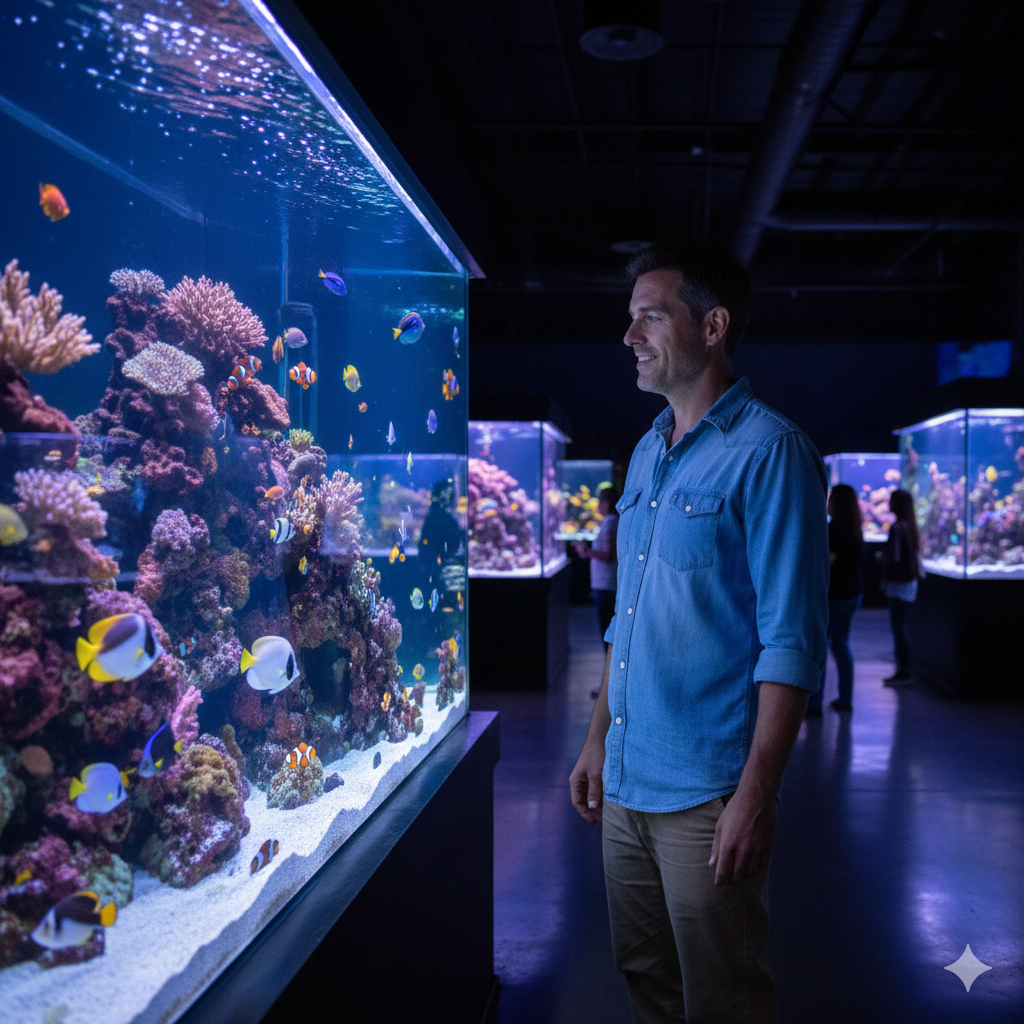
My name is Daniel Carter, I am 35 years old, and I live in the United States. I have been passionate about aquariums for many years, and what started as a simple hobby quickly became a lifelong interest in aquatic life, fish behavior, and responsible tank care.
Through TheBrightLance, I share real experiences, practical knowledge, and honest lessons learned from maintaining different types of aquariums. I enjoy testing equipment, studying fish behavior, improving maintenance routines, and helping beginners avoid common mistakes.
My goal is to make aquarism easier, more ethical, and more enjoyable for everyone — whether you are setting up your very first tank or looking to refine your techniques.