
My Aquarium Journey: Learning the Hard Way
Looking back, I can’t help but chuckle at the sheer number of mistakes I made when setting up my first aquarium. I was so eager to jump into the hobby that I rushed into purchasing equipment without doing proper research. The result? A series of expensive lessons and a lot of frustration. But hey, that’s how we learn, right? Now, with over a decade of experience under my belt, I want to share my missteps so you don’t have to repeat them. Consider this a “what not to do” guide, straight from someone who’s been there, done that, and bought the wrong size heater… twice.
The Initial Excitement (and Blindness)
It all started with a visit to a local fish store. I was mesmerized by the colorful fish, the lush plants, and the overall tranquility of the aquariums. I thought, “I need this in my life!” I pictured myself effortlessly creating a beautiful underwater world. What I didn’t picture was the hours of research, the meticulous planning, and the inevitable troubleshooting that came with it. I was blinded by the initial excitement and completely underestimated the complexity of maintaining a healthy aquarium ecosystem.
I remember grabbing a shopping cart and just throwing things in it that looked like they belonged in an aquarium. A filter that was too small, a heater that was way too powerful, and gravel that was completely inappropriate for the fish I wanted to keep. I was like a kid in a candy store, except instead of candy, it was potentially life-threatening equipment for innocent creatures.
Filter Follies: Size Matters (a Lot)
Ah, the filter. My first major blunder. I bought a tiny internal filter that was supposedly “perfect” for a 10-gallon tank. I had a 20-gallon tank. My logic? It was on sale. Brilliant, right? The problem, of course, was that the filter was woefully inadequate for the bioload of my fish. The water was constantly cloudy, algae bloomed like crazy, and my fish looked stressed. It was a disaster.
Understanding Filtration: More Than Just a Sponge
What I didn’t understand back then was that filtration is more than just removing visible debris from the water. It’s about creating a healthy environment for beneficial bacteria to thrive. These bacteria are essential for converting harmful ammonia and nitrite into less toxic nitrate. A small filter simply doesn’t have enough surface area to support a sufficient colony of these bacteria.
I later learned that the general rule of thumb is to choose a filter that’s rated for a tank at least twice the size of your actual tank. This ensures adequate filtration and provides a buffer in case of increased bioload. For example, for my 20-gallon tank, I should have gone with a filter rated for at least 40 gallons. A canister filter would have been even better for its superior filtration capacity and media options.
I eventually upgraded to a hang-on-back filter rated for 30 gallons, and the difference was night and day. The water cleared up, the algae growth slowed down, and my fish started to look much happier. It was a hard-earned lesson, but a valuable one.

The Cost of Cutting Corners
My initial decision to buy a smaller, cheaper filter was purely based on cost. I thought I was saving money, but in reality, I ended up spending more in the long run. I had to buy the smaller filter in the first place, then I had to replace it with a larger one, not to mention the cost of water changes, chemicals to combat algae blooms, and potentially even the health of my fish. It was a classic example of being penny-wise and pound-foolish. Investing in a quality filter from the start would have saved me a lot of headaches and money.
Heater Hysteria: Too Hot to Handle
My next epic fail involved the aquarium heater. I read somewhere that you need 5 watts of heater power per gallon of water. So, naturally, for my 20-gallon tank, I bought a 100-watt heater. Seemed logical, right? Wrong. I lived in Florida. My apartment already got warm in the summer. I basically created a fish sauna. My poor fish were gasping at the surface, and I had no idea why. It took me way too long to realize that the water temperature was consistently above 85 degrees Fahrenheit. I was cooking my fish alive!
Location, Location, Location
The key factor I completely ignored was my location. In a cold climate, a higher wattage heater might be necessary to maintain a stable temperature. But in a warm climate like Florida, a lower wattage heater, or even no heater at all during the summer months, might be sufficient. It’s all about understanding your local climate and the ambient temperature of your home.
I eventually swapped out the 100-watt heater for a 50-watt heater with an adjustable thermostat, and things improved dramatically. The temperature stabilized, and my fish started to act normally again. I also learned to monitor the water temperature regularly with a reliable thermometer. These days I also use an Inkbird temperature controller for an extra layer of safety. It’s an overkill, perhaps, but it gives me peace of mind.
The Importance of a Thermostat
Another crucial mistake I made was assuming that all heaters are created equal. I initially bought a cheap, no-name heater without an adjustable thermostat. This meant that the heater was constantly on, regardless of the water temperature. It was a recipe for disaster. A heater with a reliable thermostat is essential for maintaining a stable and safe temperature in your aquarium. The thermostat allows you to set the desired temperature, and the heater will automatically turn on and off to maintain that temperature.
Substrate Snafus: Not All Gravel is Created Equal
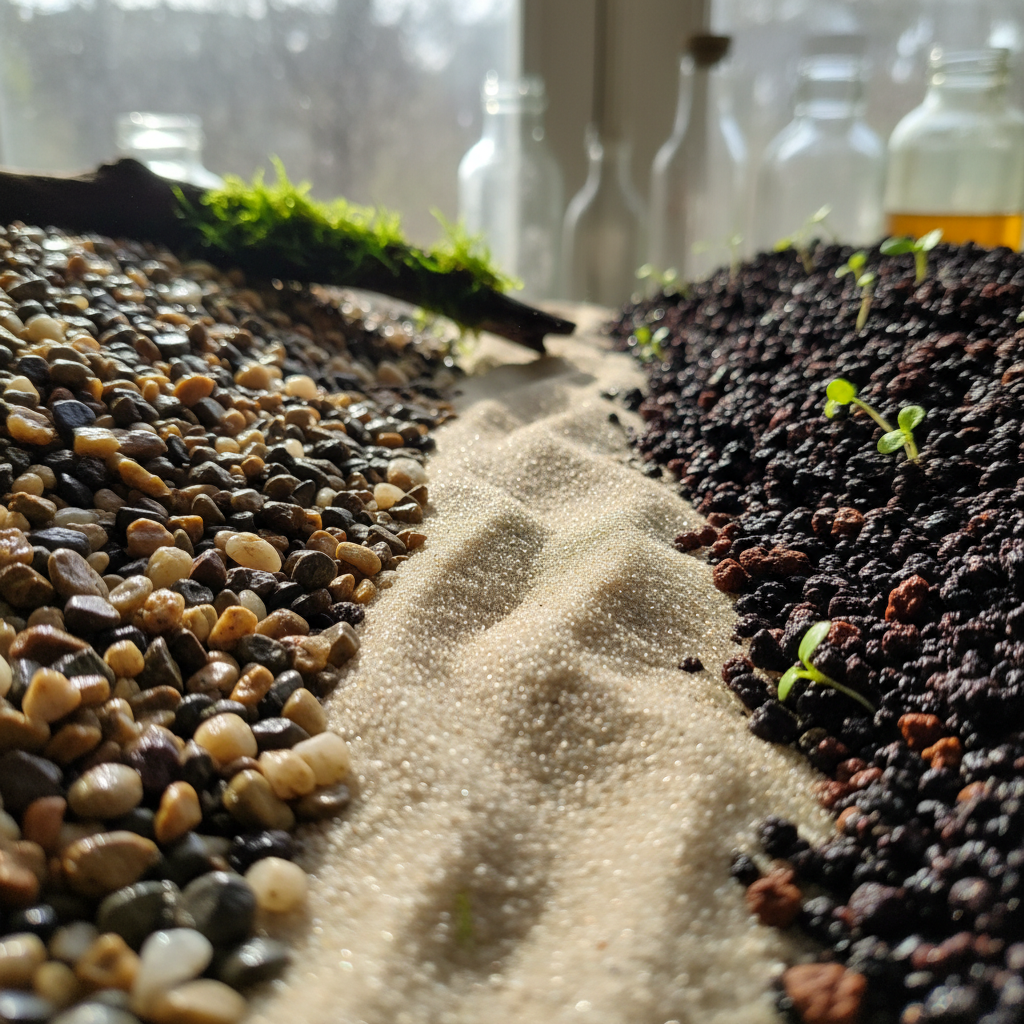
The substrate, or gravel, in your aquarium is more than just decoration. It plays a vital role in the overall health of your ecosystem. It provides a surface for beneficial bacteria to colonize, it anchors plants, and it affects the water chemistry. And, of course, I managed to mess this up too.
Choosing the Right Substrate for Your Fish
I bought brightly colored, coated gravel that looked cool but was completely unsuitable for the types of fish I wanted to keep. Some fish, like Corydoras catfish, are bottom dwellers that like to sift through the substrate for food. The sharp edges of the coated gravel can injure their barbels, which are sensitive sensory organs. Other fish prefer a darker substrate that mimics their natural environment and helps them feel more secure.
I eventually switched to a smooth, natural-colored gravel that was more appropriate for my fish. I also added some sand to one corner of the tank for my Corydoras, which they absolutely loved. They spent hours sifting through the sand, looking for food. It was a small change that made a big difference in their well-being.
Substrate and Planted Tanks
If you plan on having a planted tank, you need to consider the needs of your plants when choosing a substrate. Some plants are heavy root feeders and require a nutrient-rich substrate to thrive. Others prefer an inert substrate and get their nutrients from the water column. I initially tried to grow plants in plain gravel, and they barely survived. They were pale, stunted, and constantly shedding leaves. I later learned about the importance of using a specialized plant substrate, such as aquasoil, which provides the necessary nutrients for healthy plant growth. I wish I would have started with a proper substrate from the beginning.
Lighting Lapses: Too Much, Too Little, Just Wrong
Ah, lighting. Another area where I completely missed the mark. I assumed that any light would do. I grabbed a cheap incandescent bulb from the hardware store and slapped it on top of my tank. The result? A green algae explosion of epic proportions. The water turned green, the glass was covered in algae, and my plants were suffocating.
Understanding Light Spectrum and Intensity
What I didn’t realize was that different types of light have different effects on plants and algae. Incandescent bulbs emit a lot of yellow and red light, which is great for algae growth but not so great for plants. Plants need a specific spectrum of light, including blue and red light, for photosynthesis. They also need the right intensity of light. Too little light, and they won’t grow. Too much light, and you’ll end up with an algae problem.
I eventually upgraded to a proper LED aquarium light with a full spectrum of light. The algae growth slowed down, my plants started to thrive, and the colors of my fish looked much more vibrant. It was a game-changer.
Lighting and Fish Behavior
The type of lighting you use can also affect the behavior of your fish. Some fish prefer dim lighting, while others prefer bright lighting. Overly bright lighting can stress some fish species. It is important to research the specific lighting needs of the fish you plan to keep. I learned this the hard way, too. Some of my fish were constantly hiding, and I realized that my light was too bright for them. I added some floating plants to diffuse the light, and they started to come out more often.
The Importance of Research and Patience
The biggest mistake I made when choosing my first aquarium equipment was not doing enough research. I was too eager to jump into the hobby and didn’t take the time to learn about the specific needs of my fish and plants. I relied on the advice of the fish store employee, who, unfortunately, was more interested in making a sale than providing me with accurate information. It is essential to do your own research and not rely solely on the advice of others.
Patience is also key. Setting up an aquarium is not a race. It takes time to cycle the tank, to establish a healthy biological filter, and to acclimate your fish to their new environment. Rushing the process can lead to problems down the road. I learned this the hard way when I added too many fish to my tank too soon, and I experienced a massive ammonia spike. It was a stressful and heartbreaking experience.

Tools and Gadgets I Wish I Had Sooner
Beyond the basics like filters and heaters, there are several tools and gadgets that I now consider essential for maintaining a healthy aquarium. I wish I had invested in these sooner, as they would have saved me a lot of time and effort.
The Essential Toolkit
First, a good-quality test kit is a must-have. Knowing your water parameters (ammonia, nitrite, nitrate, pH, etc.) is crucial for detecting problems early on and preventing them from escalating. I initially relied on those dip strips, but they are incredibly inaccurate. A liquid test kit is much more reliable and provides more accurate results.
A gravel vacuum is also essential for keeping your substrate clean. It sucks up debris and uneaten food, preventing the buildup of harmful toxins. I used to try to clean my gravel by hand, which was a messy and inefficient process. A gravel vacuum makes the job much easier and more effective.
Finally, a good-quality thermometer is essential for monitoring the water temperature. As I learned the hard way, maintaining a stable temperature is crucial for the health of your fish. A digital thermometer with an alarm is even better, as it will alert you if the temperature deviates from the desired range.
Modern Conveniences
Beyond the basics, there are several modern gadgets that can make aquarium keeping even easier. An automatic fish feeder can be a lifesaver if you’re going on vacation or if you simply forget to feed your fish. A wave maker can create water movement, which helps to distribute nutrients and oxygen throughout the tank. And an automatic water changer can simplify the process of water changes, which are essential for maintaining a healthy aquarium.
My Advice to New Aquarists: Learn From My Mistakes
If you’re just starting out in the aquarium hobby, I hope my experiences have been helpful. The most important thing is to do your research, be patient, and don’t be afraid to ask for help. There are tons of resources available online and in your local fish store. Don’t make the same mistakes I did. Learn from my failures, and you’ll be well on your way to creating a beautiful and thriving aquarium.
Remember, every aquarium is a learning experience. Even after 10 years, I’m still learning new things and making new mistakes. The key is to be open to learning, to be willing to adapt, and to never give up. The rewards of keeping a healthy aquarium are well worth the effort.
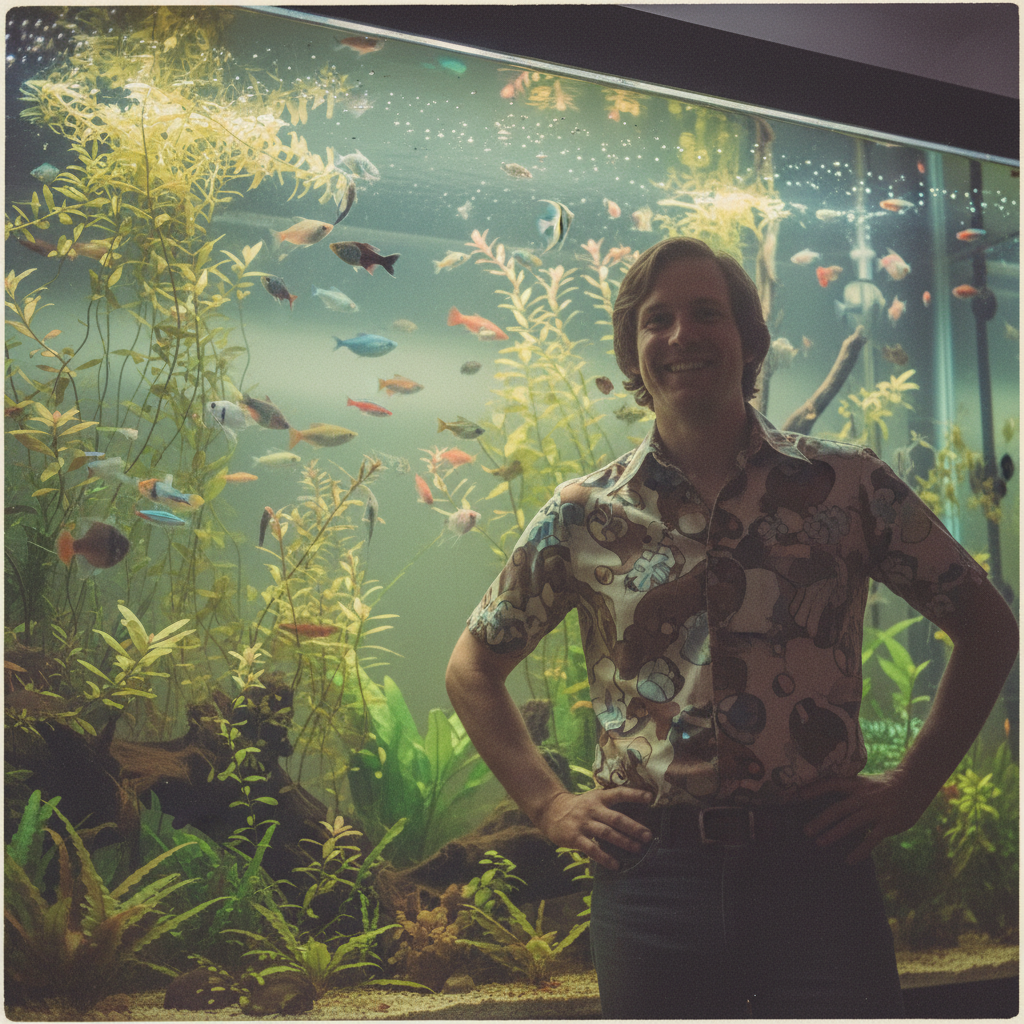
So, take my advice, avoid the pitfalls I stumbled into, and enjoy the journey. It’s a truly rewarding hobby, and with a little bit of knowledge and patience, you can create a stunning underwater world that you can be proud of. Don’t be afraid to experiment, to try new things, and to learn from your mistakes. And most importantly, have fun! That’s what it’s all about.
My name is Daniel Carter, I am 35 years old, and I live in the United States. I have been passionate about aquariums for many years, and what started as a simple hobby quickly became a lifelong interest in aquatic life, fish behavior, and responsible tank care.
Through TheBrightLance, I share real experiences, practical knowledge, and honest lessons learned from maintaining different types of aquariums. I enjoy testing equipment, studying fish behavior, improving maintenance routines, and helping beginners avoid common mistakes.
My goal is to make aquarism easier, more ethical, and more enjoyable for everyone — whether you are setting up your very first tank or looking to refine your techniques.