
My Aquarium Journey: A Tale of Trials and (Eventual) Triumphs
Looking back, it’s almost comical how many mistakes I made when I first dove into the world of aquariums. I envisioned a serene, thriving ecosystem in my living room, a miniature underwater paradise. What I got was… well, let’s just say it involved a lot of algae, dead fish, and a very confused betta. I’m Lucas Anderson, and for the last decade, I’ve been a passionate aquarist, primarily focused on freshwater tanks. I want to share my blunders with you, not to embarrass myself (though there’s plenty of fodder for that), but to help you avoid the pitfalls I so enthusiastically stumbled into. Think of this as your “What NOT to do” guide to starting an aquarium. Because believe me, learning from your mistakes is good, but learning from someone else’s mistakes is even better.
The Impatience Plague: Cycling Woes
My first and perhaps most egregious error was a lack of patience. I was so eager to get fish swimming in my brand new, sparkling clean tank that I completely skipped the cycling process. I’d vaguely heard of it, something about beneficial bacteria, but dismissed it as unnecessary technicality. Big mistake. HUGE. For those unfamiliar, cycling refers to establishing a colony of beneficial bacteria in your aquarium. These bacteria are crucial because they convert harmful ammonia (produced by fish waste) into less toxic nitrites, and then into even less toxic nitrates. Without them, ammonia levels skyrocket, poisoning your fish.
I added fish to my uncycled tank almost immediately after filling it with water. Within days, they were gasping at the surface, lethargic, and generally looking miserable. I didn’t understand what was happening. I was diligent about feeding them (probably overfeeding, another early mistake!), and the water looked clear enough. Little did I know, an invisible killer was at work. Eventually, one by one, they perished. It was a heartbreaking introduction to the hobby, and a very smelly one, too. I remember the distinct, unpleasant odor that lingered in the air – a potent reminder of my aquatic massacre. The guilt I felt was immense.
The Lesson Learned: Patience is paramount. Cycle your tank properly before adding any fish. Invest in a good test kit to monitor ammonia, nitrite, and nitrate levels. There are several ways to cycle a tank, including fishless cycling (my preferred method now) and using ammonia-reducing products to cycle with a few hardy fish. Research and choose the method that works best for you, but whatever you do, don’t skip this step.

Overfeeding Frenzy: A Recipe for Disaster
Driven by a desire to nurture my new aquatic companions, I showered them with food. Flakes, pellets, even the occasional bloodworm treat. I figured, the more the merrier, right? Wrong. Uneaten food decomposes, contributing to ammonia buildup and creating a breeding ground for algae. My tank quickly became a murky, green swamp. The gravel was covered in detritus, and the water reeked of decay. It was disgusting.
I remember one particularly embarrassing incident when a guest came over. I proudly showed off my (then) algae-infested aquarium, only to have them politely ask if I was growing some new kind of aquatic vegetable. The mortification! It was a wake-up call. I realized that my good intentions were actually harming my fish and turning my aquarium into an eyesore.
The Lesson Learned: Less is more when it comes to feeding. Observe your fish closely during feeding time. They should consume all the food within a few minutes. If there’s food left over, you’re overfeeding. Adjust the amount accordingly. A good rule of thumb is to feed only what they can consume in two minutes. Also, consider the type of food. A varied diet is important, but choose high-quality foods that are appropriate for your fish species. Regular gravel vacuuming is also essential to remove uneaten food and waste.
The Compatibility Conundrum: A Fish Fight Club
Another rookie mistake I made was not researching the compatibility of different fish species. I simply picked out the prettiest fish at the pet store, without considering their temperament, size requirements, or dietary needs. The result was a chaotic and stressful environment where fish were constantly fighting, hiding, or simply being outcompeted for food. I had peaceful schooling fish being terrorized by aggressive cichlids, tiny neon tetras being swallowed whole by larger tankmates, and bottom-dwelling catfish being starved by fast-eating surface feeders. It was a complete disaster.
I once introduced a beautiful Betta, convinced it would be the jewel of my aquarium. Instead, it became the target of relentless bullying by a group of boisterous tiger barbs. Its fins were shredded, its colors faded, and it spent most of its time cowering in a corner. Eventually, I had to rehome the poor Betta, feeling like a terrible fish parent. It was a harsh lesson in the importance of compatibility.
The Lesson Learned: Thoroughly research the compatibility of different fish species before adding them to your tank. Consider their temperament, size, dietary needs, and preferred water parameters. Avoid mixing aggressive or territorial fish with peaceful species. Ensure that all fish have adequate space to swim and hide. Online resources and aquarium forums are invaluable for researching fish compatibility.
The Decoration Debacle: A Plastic Paradise Gone Wrong
In my early days, I thought that the more decorations, the better. My aquarium was crammed with plastic plants, colorful gravel, and gaudy ornaments. It looked more like a carnival sideshow than a natural ecosystem. Not only did it look unnatural, but it also created a breeding ground for algae and detritus. The plastic plants were difficult to clean, and the colorful gravel leached harmful chemicals into the water. The fish, instead of thriving, seemed stressed and uncomfortable.
I vividly remember a particularly hideous plastic treasure chest that I proudly displayed in my tank. It was supposed to be a focal point, a whimsical touch. Instead, it became a magnet for algae and a hiding place for snails. It looked perpetually dirty, no matter how much I cleaned it. Eventually, I had to admit that it was an eyesore and banished it to the depths of my storage closet.
The Lesson Learned: Opt for natural decorations, such as driftwood, rocks, and live plants. Live plants not only look beautiful but also help to oxygenate the water, absorb nitrates, and provide shelter for fish. Choose decorations that are safe for your fish and easy to clean. Avoid anything with sharp edges or small openings that could trap fish. Less is often more when it comes to decorations. A simple, natural aquascape is often the most aesthetically pleasing and beneficial for your fish.

The Water Change Woes: Neglect and Catastrophe
Water changes are the lifeblood of any aquarium. They remove harmful nitrates, replenish essential minerals, and help to maintain stable water parameters. In the beginning, I was inconsistent with my water changes. Sometimes I’d do them regularly, other times I’d neglect them for weeks. This resulted in fluctuating water parameters, stressed fish, and algae blooms. I didn’t fully grasp the importance of consistent water quality.
One particularly disastrous incident occurred when I went on vacation for two weeks and completely forgot to arrange for someone to do a water change. I returned to find a tank teeming with algae, a layer of scum on the surface, and several dead fish. It was a heartbreaking and smelly mess. I felt incredibly guilty for neglecting my aquatic pets.
The Lesson Learned: Regular water changes are essential for maintaining a healthy aquarium. Aim to change 25-50% of the water every one to two weeks, depending on the size of your tank and the number of fish. Use a dechlorinator to remove chlorine and chloramine from tap water. Match the temperature of the new water to the temperature of the tank water. A good water change schedule is non-negotiable.
The Filter Faux Pas: Ignoring the Invisible Guardian
Your filter is the workhorse of your aquarium, responsible for removing debris, filtering out harmful chemicals, and housing the beneficial bacteria that are essential for the nitrogen cycle. I initially underestimated the importance of a good filter, opting for a cheap and underpowered model. I also neglected to clean it regularly, allowing it to become clogged with debris. This resulted in poor water quality, increased algae growth, and stressed fish.
I remember a particularly frustrating incident when my filter completely stopped working in the middle of the night. I woke up to find the water cloudy, the fish gasping at the surface, and the tank smelling foul. It was a frantic scramble to find a replacement filter and get the tank back on track. It was a stressful and unnecessary situation that could have been avoided with a better filter and regular maintenance.
The Lesson Learned: Invest in a high-quality filter that is appropriately sized for your aquarium. Clean your filter regularly, following the manufacturer’s instructions. Replace filter media as needed. Don’t wash your filter media with tap water, as this can kill the beneficial bacteria. Instead, rinse it gently in used tank water. Your filter is your aquarium’s best friend, so treat it well.
The Lighting Lunacy: A Sunburnt Scenario
I initially thought that any light would do for my aquarium. I used a cheap desk lamp that provided too much light, leading to excessive algae growth. My tank became a green, murky mess. I didn’t understand the importance of proper lighting for plant growth and fish health. The algae completely took over, smothering the plants and making it difficult to see the fish. It was an unsightly and frustrating problem.
I even tried leaving the tank exposed to direct sunlight, thinking it would benefit the plants. Big mistake! The sunlight fueled an explosive algae bloom that turned the water pea-soup green within days. The fish looked miserable, and the tank was completely opaque. It was a disaster. I learned the hard way that proper lighting is crucial for a healthy and balanced aquarium.
The Lesson Learned: Choose a lighting system that is appropriate for your tank size and the types of plants and fish you have. Avoid direct sunlight, as this can cause excessive algae growth. Use a timer to regulate the amount of light your tank receives each day. Different plants and fish have different lighting requirements, so do your research.

The Substrate Snafu: Gravel Grief
Choosing the right substrate is crucial for plant growth, water quality, and the overall health of your aquarium. In the beginning, I used cheap, colorful gravel that was not suitable for live plants. The gravel compacted easily, preventing roots from growing and trapping detritus. The plants struggled to survive, and the water quality suffered. It was a frustrating and disheartening experience.
I also made the mistake of not cleaning the gravel thoroughly before adding it to the tank. This resulted in cloudy water and a surge of ammonia. It took weeks for the water to clear, and the fish were stressed by the poor water quality. I learned the hard way that proper substrate preparation is essential for a successful aquarium.
The Lesson Learned: Choose a substrate that is appropriate for your plants and fish. Sand, gravel, and specialized plant substrates are all good options. Clean the substrate thoroughly before adding it to the tank. Vacuum the substrate regularly to remove detritus. A good substrate will contribute to a healthy and thriving aquarium.
The Temperature Trauma: A Cold-Blooded Calamity
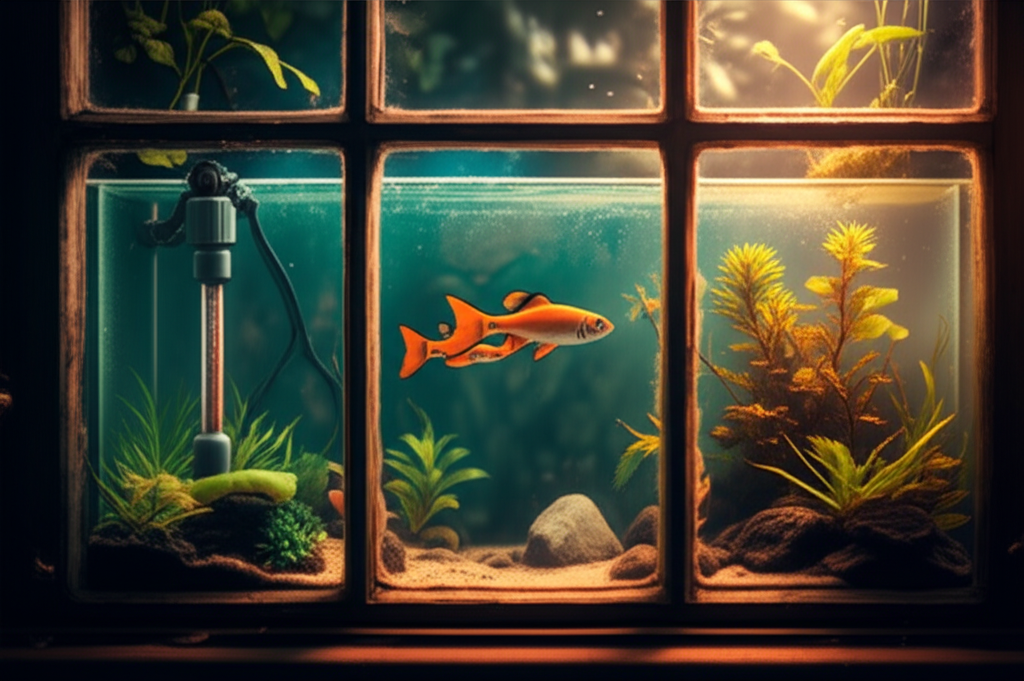
Maintaining a stable water temperature is essential for the health and well-being of your fish. I initially underestimated the importance of a good aquarium heater and thermometer. The temperature in my tank fluctuated wildly, stressing the fish and making them susceptible to disease. I remember one particularly cold winter night when the power went out. The temperature in my tank plummeted, and several of my fish died. It was a heartbreaking experience that taught me the importance of temperature control.
I also made the mistake of placing my aquarium near a drafty window. This caused the temperature to fluctuate even more, stressing the fish and leading to algae blooms. I learned the hard way that a stable environment is crucial for a healthy aquarium.
The Lesson Learned: Invest in a reliable aquarium heater and thermometer. Monitor the temperature regularly and adjust the heater as needed. Keep your aquarium away from drafts and direct sunlight. A stable water temperature is essential for the health and well-being of your fish.
The Joy of Learning: From Mistakes to Mastery
Looking back, my early days in aquariums were a comedy of errors. But each mistake was a valuable learning experience. I learned the importance of patience, research, and attention to detail. I learned that a successful aquarium is not just about aesthetics; it’s about creating a healthy and balanced ecosystem. And most importantly, I learned that even the most experienced aquarists make mistakes. The key is to learn from them and keep improving. I still make mistakes from time to time, but now I have the knowledge and experience to quickly identify and correct them. So, don’t be discouraged by your own early failures. Embrace the learning process, be patient, and enjoy the journey. The rewards of a thriving aquarium are well worth the effort.
Now, with over a decade of experience under my belt, my aquariums are thriving ecosystems, filled with healthy, vibrant fish and lush, green plants. The initial failures have paved the way for countless successes. I find immense joy in watching my fish swim, observing the intricate relationships between the plants and animals, and sharing my knowledge with others. It’s a passion that has enriched my life in countless ways. And who knows, maybe one day I’ll write another article titled “Everything I’m STILL Doing Wrong in Aquariums” – because the learning never truly stops!
My name is Daniel Carter, I am 35 years old, and I live in the United States. I have been passionate about aquariums for many years, and what started as a simple hobby quickly became a lifelong interest in aquatic life, fish behavior, and responsible tank care.
Through TheBrightLance, I share real experiences, practical knowledge, and honest lessons learned from maintaining different types of aquariums. I enjoy testing equipment, studying fish behavior, improving maintenance routines, and helping beginners avoid common mistakes.
My goal is to make aquarism easier, more ethical, and more enjoyable for everyone — whether you are setting up your very first tank or looking to refine your techniques.