
Beyond the Scales: Unveiling Aquarium Fish Personalities
For over a decade now, my living room has housed a vibrant underwater world. More than just decorations, my aquariums are thriving ecosystems populated by creatures with, dare I say, personalities. I know it sounds a little crazy, right? But trust me, after spending countless hours observing these aquatic companions, I’ve come to realize that fish are far more than just colorful blobs darting around in a tank. They have quirks, preferences, and even social dynamics that can be surprisingly complex.
When I first started out in the hobby, I was all about aesthetics. I wanted the flashiest colors, the most exotic shapes. I treated my fish more like living decorations than actual living beings. I quickly learned that this approach was not only unsustainable but also completely missed the point of keeping an aquarium. It’s about creating a thriving ecosystem where these amazing creatures can flourish.
The Myth of the Interchangeable Fish
We often see schools of neon tetras or shoals of rasboras in pet stores and think, “Oh, they’re all the same.” That couldn’t be further from the truth. Just like humans, individual fish within a species exhibit a range of behaviors. Some are bold and inquisitive, always exploring the tank. Others are shy and reserved, preferring to hide amongst the plants. And then there are the bullies, the peacekeepers, the gluttons, and the picky eaters. Each fish has its own unique temperament.
I remember a group of Corydoras catfish I had. I affectionately called one ‘Digger’ because he was constantly sifting through the substrate, much more so than the others. Another, ‘Shadow,’ always stuck close to the driftwood, rarely venturing out into the open. They were all Corydoras aeneus, but their personalities were distinctly different.
The Usual Suspects: Fish Known for Their Quirks
Certain species are more readily recognized for their distinct personalities. These are the fish that tend to stand out in a community tank, often displaying behaviors that are both amusing and intriguing.
Betta Splendens: More Than Just a Pretty Face
The Betta, or Siamese Fighting Fish, is a classic example. Famous for their vibrant colors and flowing fins, they are often kept in solitary confinement due to their aggressive nature towards other males. But even within this species, there’s a wide range of personalities. Some are curious and interactive, readily approaching the glass to greet their owners. Others are more aloof and territorial, fiercely guarding their chosen corner of the tank. I had a Betta named ‘Sparky’ who would flare at anything that moved near his tank, even my finger! He was a feisty little guy, but I also knew he’d get excited for feeding time, doing a little dance near the surface.
It’s crucial to remember that their aggression isn’t just mindless violence. It’s often rooted in their natural instincts and territoriality. Providing a stimulating environment with plenty of hiding places can help to reduce stress and minimize aggressive behavior.
Pufferfish: The Aquatic Comedians
Pufferfish are another group known for their intelligence and quirky behavior. They are highly interactive and often recognize their owners, begging for food and even performing tricks. Their ability to puff up into a ball when threatened is a defense mechanism, but it’s also a source of endless fascination. I had a dwarf puffer once who would actually follow my finger as I moved it along the outside of the tank. It was like having a tiny, aquatic puppy!
However, pufferfish also come with their own set of challenges. Many species are highly predatory and require specialized diets. They can also be sensitive to water quality, so maintaining pristine conditions is essential for their health and well-being.
Cichlids: The Complex Social Butterflies
Cichlids, particularly African Cichlids, are renowned for their complex social hierarchies and intricate breeding behaviors. They often form strong pair bonds and exhibit parental care, fiercely protecting their young from predators. Observing a pair of cichlids raising their fry is a truly remarkable experience.
I remember witnessing a pair of convict cichlids diligently guarding their brood. The parents would take turns fanning the eggs and chasing away any perceived threats, even fish much larger than themselves. It was a clear demonstration of their dedication and protective instincts.

The Subtle Personalities: Overlooked Gems
While some fish wear their personalities on their fins, others are more subtle in their expressions. These are the fish that often get overlooked, but with careful observation, their unique traits can be revealed.
Corydoras Catfish: The Peaceful Bottom Dwellers
Corydoras catfish are generally peaceful and sociable creatures, making them excellent additions to community tanks. But even within a group of Corydoras, individual personalities can shine through. Some are more active and outgoing, constantly foraging for food. Others are more shy and reserved, preferring to stay close to the substrate. I’ve noticed that certain Corydoras seem to have preferred resting spots, always returning to the same plant or piece of driftwood.
Their gentle nature and tireless scavenging habits make them invaluable members of the aquarium ecosystem. They help to keep the substrate clean and prevent the buildup of uneaten food, contributing to a healthier environment for all the inhabitants.
Tetras: The Schooling Sensations
Tetras, like Neon Tetras and Cardinal Tetras, are known for their schooling behavior. They create mesmerizing displays as they move in unison, shimmering in the light. However, individual tetras within a school can also exhibit distinct personalities. Some are bolder and more adventurous, venturing out from the group to explore. Others are more cautious and remain close to the safety of the school. I once had a Neon Tetra that was noticeably larger and more assertive than the others. It was always at the front of the school, leading the way.
Providing a large enough school and a well-planted tank can help to reduce stress and encourage natural behaviors in tetras. Observing their social dynamics is a fascinating aspect of keeping these popular fish.
Livebearers: The Constant Creators
Livebearers, such as Guppies, Platies, and Mollies, are known for their prolific breeding habits. But beyond their reproductive capabilities, these fish also possess unique personalities. Some are more active and playful, constantly chasing each other around the tank. Others are more laid-back and relaxed, spending their time grazing on algae. I remember a female Molly I had who was particularly fond of eating algae off the glass. She would spend hours methodically cleaning the tank, much to my amusement.
Their adaptability and ease of care make them popular choices for beginner aquarists. However, it’s important to be prepared for their breeding habits and to have a plan for managing the fry.
Creating an Environment that Nurtures Personality
The aquarium environment plays a crucial role in shaping the personalities of fish. A well-designed and maintained tank can provide the stimulation and security that fish need to thrive and express their natural behaviors.
Tank Size and Aquascaping
Providing adequate space is essential for all fish, but it’s particularly important for species with complex social hierarchies or territorial tendencies. A larger tank allows fish to establish their own territories and avoid constant conflict. Aquascaping, the art of arranging plants, rocks, and driftwood, can also have a significant impact on fish behavior. Providing plenty of hiding places can help to reduce stress and encourage shy fish to come out of their shells. Open swimming areas allow more active fish to explore and exercise.
I’ve found that creating a natural-looking environment with varied terrain and dense planting can significantly enhance the well-being of my fish. It provides them with a sense of security and allows them to exhibit a wider range of behaviors.
Water Quality and Maintenance
Maintaining pristine water quality is paramount for the health and well-being of all aquarium inhabitants. Poor water quality can lead to stress, disease, and even death. Regular water changes, proper filtration, and careful monitoring of water parameters are essential for creating a healthy environment. Stressed fish are unlikely to display their true personalities. In fact, they’ll be so preoccupied with survival that their natural behaviors will be suppressed.
I follow a strict maintenance schedule for my tanks, performing weekly water changes and regularly testing the water parameters. I also use a high-quality filter and ensure that the tank is properly cycled before adding any fish.
Diet and Feeding Habits
A balanced and varied diet is essential for the health and vitality of fish. Providing a mix of flakes, pellets, frozen foods, and live foods can ensure that they receive all the nutrients they need. Observing their feeding habits can also provide insights into their personalities. Some fish are aggressive feeders, quickly snatching up food before others can get to it. Others are more cautious and take their time, carefully inspecting each morsel before consuming it. I had a group of Otocinclus catfish who would always compete for the best algae wafers. It was quite amusing to watch them jostle for position.

Observing and Understanding Your Fish
The key to unlocking the personalities of your fish is simple: observation. Spend time watching your fish, paying attention to their behaviors and interactions. Look for patterns and individual quirks. Keep a journal or take notes on your observations. The more you observe, the more you’ll learn about your fish and their unique personalities.
Reading the Signs
Fish communicate through a variety of signals, including body language, fin movements, and color changes. Learning to interpret these signals can provide valuable insights into their moods and intentions. For example, a fish that is clamped fins close to its body may be stressed or ill. A fish that is flashing or rubbing against objects may be trying to dislodge parasites. A fish that is displaying bright colors and engaging in elaborate courtship rituals is likely ready to breed.
I’ve learned to recognize the subtle signs of stress in my fish, such as hiding more than usual or refusing to eat. By addressing these issues promptly, I can prevent them from escalating into more serious problems.
Documenting Your Discoveries
Keeping a journal or taking notes on your observations can be a valuable tool for tracking the personalities and behaviors of your fish. Note down any unusual behaviors, changes in appetite, or interactions with other fish. Over time, you’ll begin to see patterns and gain a deeper understanding of your fish.
I keep a detailed log of all my aquarium activities, including water changes, feeding schedules, and any observations about my fish. This helps me to track their health and behavior and to identify any potential problems early on.
Beyond Decoration: Embracing the Sentient Aquarium
Keeping an aquarium is more than just decorating your home; it’s about creating and nurturing a thriving ecosystem. It’s about providing a safe and stimulating environment for these fascinating creatures to flourish. And it’s about recognizing and appreciating their unique personalities.
The Ethical Responsibility
As aquarium keepers, we have an ethical responsibility to provide our fish with the best possible care. This includes providing adequate space, maintaining pristine water quality, and offering a balanced diet. It also means respecting their individual needs and personalities. We should strive to create an environment that allows them to express their natural behaviors and to live fulfilling lives.
I believe that responsible aquarium keeping is about more than just keeping fish alive. It’s about creating a symbiotic relationship where both the fish and the keeper benefit. The fish receive a safe and stimulating environment, and the keeper gains a deeper appreciation for the wonders of the natural world.
The Rewarding Experience
Witnessing the unique personalities of your fish is a truly rewarding experience. It adds a whole new dimension to the hobby and makes it even more enjoyable. It’s a reminder that these creatures are more than just decorations; they are living, breathing beings with their own thoughts, feelings, and behaviors.

I often find myself spending hours simply observing my fish, fascinated by their interactions and behaviors. It’s a calming and meditative experience that helps me to de-stress and reconnect with nature. It’s also a constant source of learning and discovery. I’m always amazed by the ingenuity and adaptability of these creatures.
Common Mistakes That Suppress Fish Personality
Sometimes, even with the best intentions, aquarists inadvertently create environments that stifle the natural personalities of their fish. Understanding these common pitfalls is crucial for fostering a thriving and engaging aquarium.
Overcrowding
One of the most common mistakes is overcrowding the tank. Too many fish in too small a space leads to increased stress, competition for resources, and a general suppression of natural behaviors. Imagine being crammed into a tiny apartment with dozens of strangers – your personality would likely be overshadowed by the constant stress of the situation.
Overcrowding also makes it more difficult to maintain proper water quality, leading to a cascade of negative effects. Less space means less room for natural behaviors to flourish. A stressed fish will be too busy surviving to exhibit unique personality traits. Always research the space requirements of each species *before* adding them to your tank.
Lack of Hiding Places
Fish need secure hiding places to retreat to when they feel threatened or stressed. Without adequate cover, they can become anxious and withdrawn, inhibiting their natural curiosity and social interactions. A barren tank is a stressful tank. Think about it: even the most outgoing person needs a quiet space to recharge.
Incorporate plants, rocks, driftwood, and other decorations to create a sense of security and allow fish to establish territories. Observe which areas your fish frequent and adjust the aquascape accordingly to provide them with optimal comfort and security.
Incompatible Tank Mates
Mixing incompatible species can lead to bullying, harassment, and even predation. A peaceful community tank can quickly turn into a battleground if aggressive or territorial fish are introduced. Constant conflict will suppress the personalities of the weaker fish, forcing them into a perpetual state of fear and hiding.
Research the temperaments and compatibility of different species *before* introducing them to your tank. Consider factors such as size, feeding habits, and territoriality. A well-researched and thoughtfully planned community tank will create a harmonious environment where all fish can thrive and express their individual personalities.
Ignoring Water Quality
As mentioned before, poor water quality is a major stressor for fish. High levels of ammonia, nitrite, or nitrate can weaken their immune systems, make them more susceptible to disease, and suppress their natural behaviors. A fish struggling to survive in toxic water won’t have the energy or inclination to display its unique personality.
Regular water changes, proper filtration, and careful monitoring of water parameters are essential for maintaining a healthy and stress-free environment. Invest in a good-quality test kit and learn how to interpret the results. A proactive approach to water quality will ensure that your fish can thrive and express their true selves.
The Future of Aquarism: Appreciating Individuality
I believe that the future of aquarism lies in a greater appreciation for the individuality of fish. Moving away from treating them as mere decorations and embracing them as sentient beings with unique personalities is essential for the long-term health and sustainability of the hobby.

By fostering a deeper understanding of fish behavior and creating environments that nurture their personalities, we can transform our aquariums from simple displays into thriving ecosystems where these amazing creatures can truly flourish. It’s a journey of constant learning and discovery, one that I find endlessly rewarding. Observing my fish, understanding their quirks, and creating a harmonious environment for them brings me immense joy. And who knows, maybe one day, they’ll start training me to bring them food on command. A guy can dream, right?
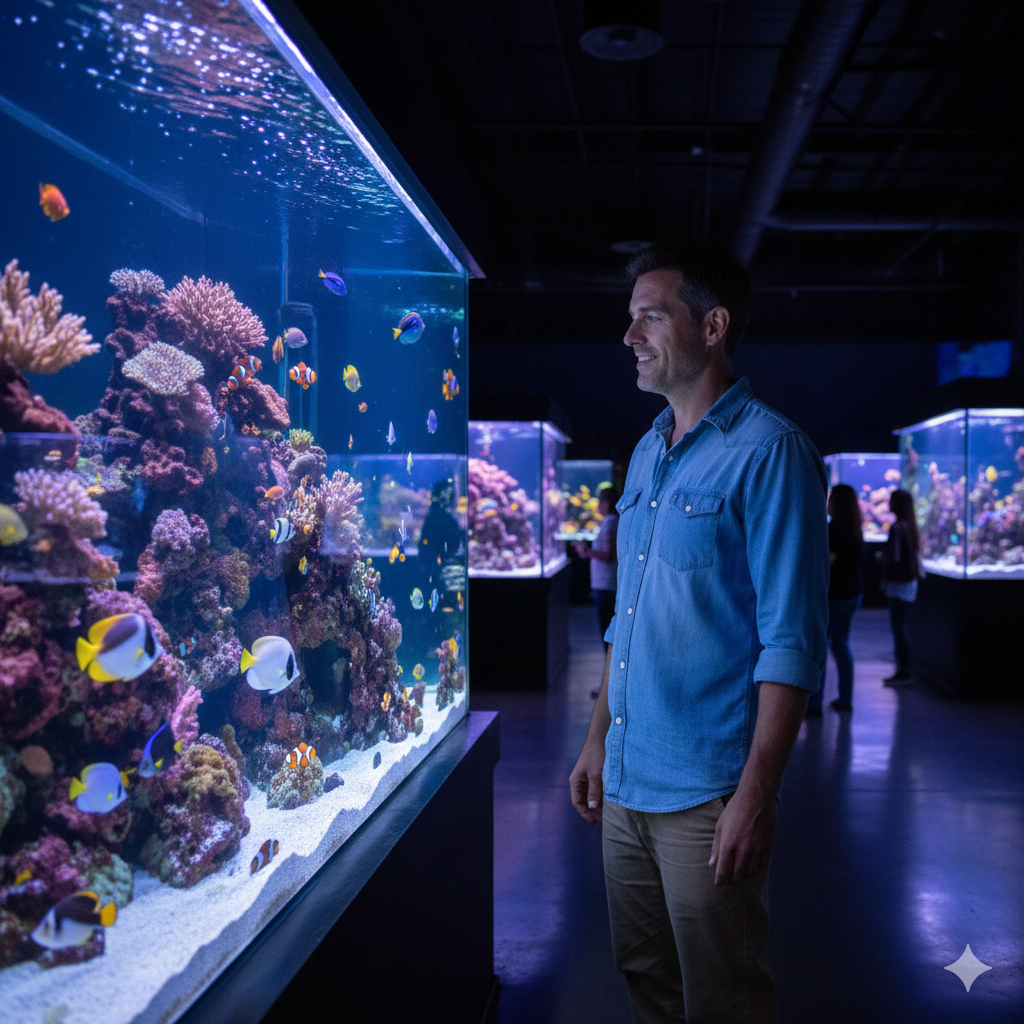
My name is Daniel Carter, I am 35 years old, and I live in the United States. I have been passionate about aquariums for many years, and what started as a simple hobby quickly became a lifelong interest in aquatic life, fish behavior, and responsible tank care.
Through TheBrightLance, I share real experiences, practical knowledge, and honest lessons learned from maintaining different types of aquariums. I enjoy testing equipment, studying fish behavior, improving maintenance routines, and helping beginners avoid common mistakes.
My goal is to make aquarism easier, more ethical, and more enjoyable for everyone — whether you are setting up your very first tank or looking to refine your techniques.