
The Unending Allure of Freshwater Fish
After a decade immersed in the aquarium hobby, you’d think I’d have seen it all. But the truth is, the world of freshwater fish is so incredibly diverse and fascinating that it continues to surprise me. From the bizarre to the beautiful, the quirky to the captivating, there’s always something new to discover, a new behavioral pattern to observe, or a new fish species to add to the “wish list.” What started as a simple desire to bring a slice of nature into my Orlando apartment has evolved into a lifelong passion, a constant learning experience, and a source of endless wonder.
I remember when I first started, armed with nothing but a small tank, a gravel substrate, and a handful of neon tetras. It seemed simple enough. But I quickly learned that creating a thriving aquatic ecosystem is a delicate balancing act, a constant process of observation, adjustment, and problem-solving. And the real magic, for me, lies in the fish themselves – their unique personalities, their intricate social dynamics, and their surprising adaptations to the underwater world.
Fish That Still Make Me Say “Wow”
The Angelfish: Majesty and Mystery
Angelfish were one of the first “fancy” fish that truly caught my eye. These regal creatures, with their elegant fins and graceful movements, always seem to command attention in any tank. What continues to amaze me, however, is not just their beauty, but also their complex social behavior. I’ve kept several angelfish over the years, and each one has had its own distinct personality, from the dominant alpha to the timid wallflower. Observing their interactions, their courtship rituals, and their occasional squabbles has been a constant source of entertainment and fascination.
One particularly memorable experience involved a pair of angelfish that I had in a 75-gallon tank. They had formed a strong bond and would often swim side-by-side, gently nudging each other. One day, I noticed them meticulously cleaning a broad leaf of an Amazon sword plant. A few days later, to my surprise, they had laid eggs! Watching them guard their eggs, fanning them with their fins to keep them oxygenated, was an incredible display of parental care. Unfortunately, the eggs didn’t survive, likely due to the presence of other fish in the tank, but the experience gave me a whole new appreciation for the complexities of angelfish behavior. It taught me that these fish are more than just pretty faces; they are intelligent, social creatures with intricate lives.
The Electric Blue Acara: A Bolt of Personality
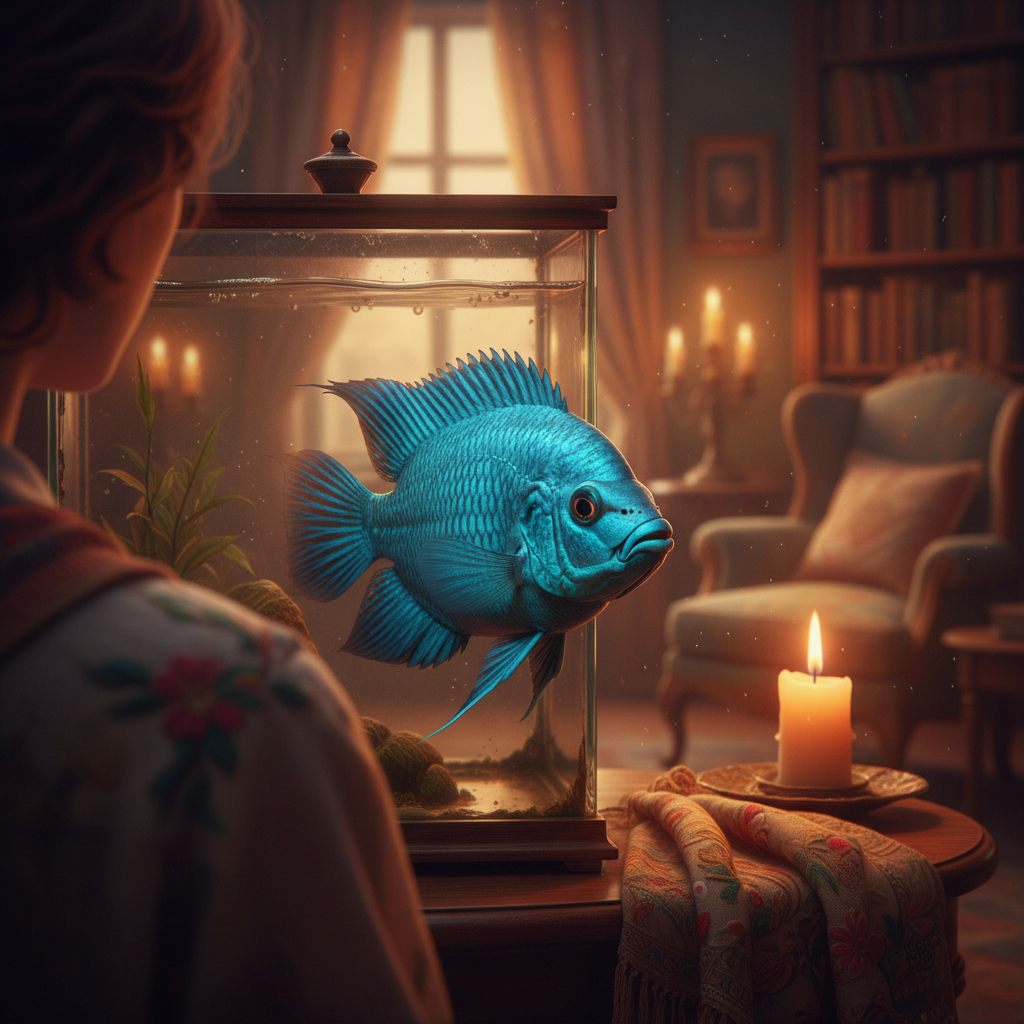
The Electric Blue Acara is a relatively recent addition to my aquarium repertoire, but it has quickly become one of my favorites. These fish, with their stunning iridescent blue coloration, are truly a sight to behold. But what really sets them apart is their personality. They are curious, intelligent, and surprisingly interactive. They seem to recognize me when I approach the tank, and they often follow my movements, hoping for a treat.
I was initially hesitant to get an Electric Blue Acara, as I had heard they could be aggressive. However, I’ve found that with proper tank mates and plenty of space, they are relatively peaceful. My Acara, affectionately nicknamed “Sparky,” gets along well with my other community fish, including a school of rummy-nose tetras and a few Corydoras catfish. He does, however, have a particular fondness for rearranging the decorations in the tank. I often find that he has uprooted plants or moved rocks to create his own preferred landscape. It’s a bit annoying at times, but it also adds to his charm. It’s a constant reminder that these fish are not just decorations; they are living, breathing creatures with their own preferences and desires.
Corydoras Catfish: The Unsung Heroes
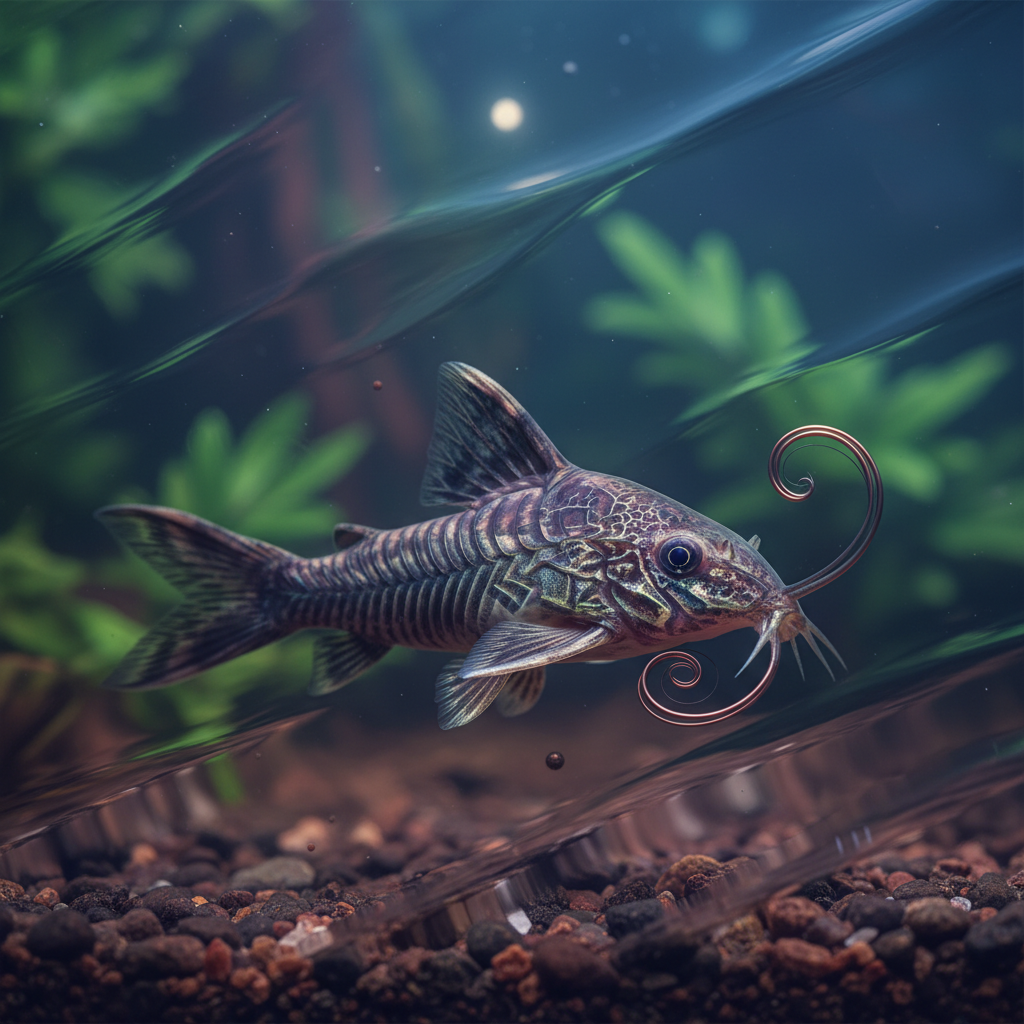
Corydoras catfish, often referred to as “cories,” may not be the most glamorous fish in the aquarium world, but they are undoubtedly some of the most useful and endearing. These small, bottom-dwelling scavengers are constantly on the lookout for uneaten food and debris, helping to keep the tank clean and healthy. What surprises me most about cories is their social behavior. They are happiest when kept in groups, and they often engage in playful activities, such as chasing each other around the tank or digging in the substrate. Watching a school of cories foraging together is a surprisingly calming and entertaining experience.
I remember one time when I accidentally overfed my fish. The bottom of the tank was covered in uneaten food, and I was worried about a potential ammonia spike. But the cories came to the rescue! Within a few hours, they had devoured almost all of the excess food, preventing a disaster. I’ve also noticed that cories seem to have a calming effect on other fish in the tank. Their peaceful demeanor and constant activity create a sense of tranquility that helps to reduce stress and promote overall well-being. They are the unsung heroes of the aquarium, working tirelessly behind the scenes to keep everything running smoothly.
The Mystery Snail: More Than Just a Pretty Shell
Okay, I know this isn’t a fish, but bear with me. When I first added a mystery snail to my tank, I thought it would just be a colorful addition, slowly gliding around and eating algae. While they certainly do that, I was surprised to learn how much personality these little invertebrates can have. They’re surprisingly active and mobile, often exploring every nook and cranny of the tank. They also have a funny habit of floating to the surface and dramatically dropping back down, which always makes me chuckle. But beyond their quirky behavior, mystery snails are incredibly beneficial to the aquarium ecosystem. They are voracious algae eaters, helping to keep the glass and decorations clean. They also consume uneaten food and decaying plant matter, preventing the buildup of harmful toxins. I’ve even observed my mystery snails scavenging on dead fish, quickly removing them from the tank before they can pollute the water.
I was particularly surprised by their breeding habits. I wasn’t actively trying to breed them, but one day I noticed a cluster of pink eggs above the waterline. A few weeks later, tiny snails started hatching and dropping into the water. It was fascinating to watch them grow and develop, eventually reaching the size of their parents. While I don’t necessarily want a tank overrun with snails, I appreciate their contribution to the ecosystem and their quirky personalities. They are a reminder that even the smallest creatures can play a vital role in the aquarium.
Learning and Growing in the Hobby
The Importance of Observation
If there’s one thing I’ve learned over the years, it’s the importance of observation. Spending time simply watching your fish, observing their behavior, and paying attention to the subtle changes in their appearance can tell you a lot about their health and well-being. Are they eating properly? Are they swimming actively? Are they displaying any signs of stress or disease? By being observant, you can catch problems early and take steps to address them before they become serious.
I remember one time when I noticed that one of my neon tetras was acting lethargic and had a slightly bloated belly. At first, I dismissed it as nothing serious, but after a few days, the condition worsened. The tetra was swimming erratically and had developed a noticeable swelling. I immediately quarantined the fish and started treating it with an antibiotic. Thankfully, the treatment was successful, and the tetra made a full recovery. If I hadn’t been paying attention, I might have missed the early signs of the illness, and the fish might not have survived. Observation is the key to success in the aquarium hobby. It allows you to understand the needs of your fish and to create an environment where they can thrive.
The Value of Continuous Learning
The aquarium hobby is constantly evolving, with new species being discovered, new technologies being developed, and new techniques being perfected. It’s important to stay up-to-date on the latest information and to be willing to experiment and learn from your mistakes. There are countless resources available, including books, websites, forums, and local aquarium clubs. Take advantage of these resources and never stop learning.
I’ve made plenty of mistakes over the years, from overfeeding to overcrowding to neglecting water changes. But each mistake has been a learning opportunity. I’ve learned to research thoroughly before adding new fish to my tank, to quarantine new arrivals, and to maintain a consistent water change schedule. I’ve also learned to be patient and to not rush the process. Creating a thriving aquarium takes time and effort, but the rewards are well worth it. The constant learning and problem-solving are what keep me engaged and passionate about the hobby.
Unexpected Joys and Challenges
The Surprising Bonds We Form
One of the most unexpected joys of the aquarium hobby is the bond that you can form with your fish. While they may not be able to cuddle or fetch, they can still bring a sense of companionship and joy to your life. I often find myself spending hours simply watching my fish, admiring their beauty and marveling at their behavior. They are a constant source of entertainment and relaxation, and they help me to de-stress after a long day. I know it sounds crazy, but I truly care about my fish, and I want to provide them with the best possible life.
My wife often teases me about how much time and attention I devote to my aquariums. She doesn’t quite understand my obsession, but she appreciates the peace and tranquility that they bring to our home. She even has a favorite fish, a small, brightly colored platy named “Sunny.” Sunny always greets her when she approaches the tank, swimming excitedly and wiggling his fins. It’s a small gesture, but it brings a smile to her face. These small moments of connection are what make the aquarium hobby so special. It’s not just about keeping fish alive; it’s about creating a living, breathing ecosystem that brings joy and wonder to your life.
The Inevitable Heartbreak
Of course, the aquarium hobby also comes with its share of challenges and heartbreak. Fish get sick, equipment fails, and sometimes, despite your best efforts, fish die. It’s an inevitable part of the hobby, and it’s something that every aquarist must learn to cope with. Losing a fish is never easy, especially when you’ve become attached to it. It’s important to remember that you did your best, and to learn from the experience so that you can prevent similar problems in the future.
I’ve lost count of the number of fish I’ve lost over the years. Each loss has been a learning experience, but some have been particularly painful. I remember one time when I lost a particularly beautiful angelfish to a sudden outbreak of ich. I had been so proud of that fish, and I had invested a lot of time and effort into caring for it. Losing it was a devastating blow. But I learned from the experience, and I now take extra precautions to prevent ich outbreaks, such as quarantining new fish and maintaining a stable water temperature. The heartbreak is a reminder that the aquarium hobby is not just about beauty and enjoyment; it’s also about responsibility and commitment. We have a duty to provide our fish with the best possible care, and to do everything we can to protect them from harm.

Tips for Aspiring Aquarists
Start Small and Simple
If you’re new to the aquarium hobby, it’s best to start small and simple. Don’t try to create a massive, elaborate setup right away. Start with a small tank, a few hardy fish, and a basic filtration system. As you gain experience, you can gradually upgrade your equipment and add more fish. It’s also important to choose fish that are compatible with each other and that are appropriate for the size of your tank. Overcrowding is a common mistake that can lead to stress, disease, and even death.
Do Your Research
Before you add any fish to your tank, it’s essential to do your research. Learn about the specific needs of each species, including their diet, water parameters, and social behavior. There are countless resources available online and in print. Don’t rely solely on the advice of pet store employees. They may not always have the most accurate or up-to-date information. The more you know about your fish, the better equipped you’ll be to care for them.
Be Patient
Creating a thriving aquarium takes time and patience. Don’t expect to see results overnight. It can take several weeks or even months for a new tank to cycle and for the fish to acclimate to their new environment. Be patient, persistent, and don’t get discouraged if you encounter problems along the way. The rewards of a healthy, beautiful aquarium are well worth the effort.
One of the biggest surprises I encountered early on was the nitrogen cycle. I didn’t understand that a new tank needs to establish beneficial bacteria before fish can thrive. My first fish suffered because of my ignorance. Now, I always emphasize the importance of cycling a tank properly before adding any fish. It’s a crucial step that can save a lot of heartache.
Don’t Be Afraid to Ask for Help
The aquarium hobby can be challenging, but you don’t have to go it alone. There are countless online forums and local aquarium clubs where you can connect with other hobbyists and ask for advice. Don’t be afraid to reach out for help when you need it. The aquarium community is generally very friendly and supportive, and people are always willing to share their knowledge and experience. I’ve learned so much from other aquarists over the years, and I’m always happy to pay it forward by helping others who are just starting out.
The Enduring Appeal of Aquariums
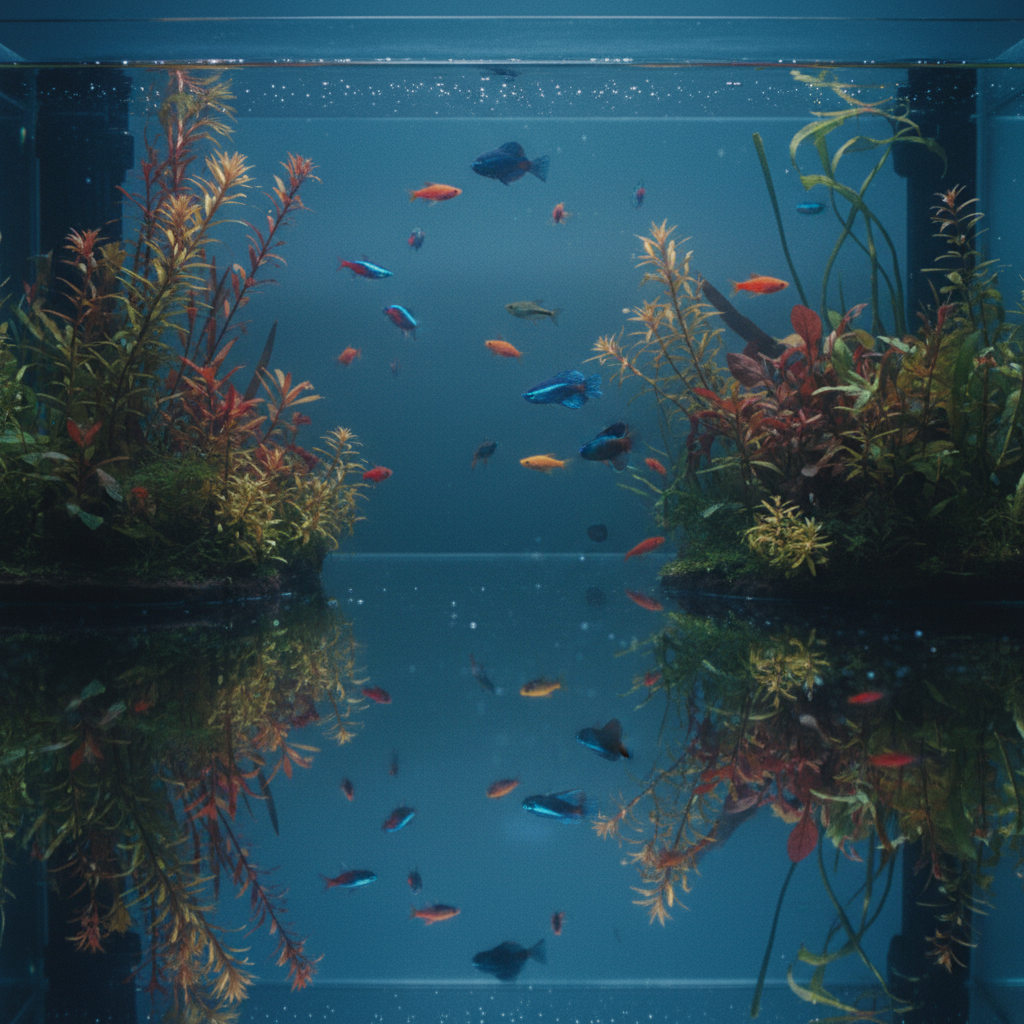
After all these years, the allure of the aquarium remains strong. It’s not just about keeping fish; it’s about creating a miniature ecosystem, a slice of nature that you can observe and enjoy in your own home. It’s about learning about the intricate relationships between living organisms and the environment. And it’s about the simple joy of watching fish swim gracefully through the water, their colors shimmering in the light. The aquarium is a window into another world, a world of beauty, wonder, and endless fascination.
For me, the aquarium is more than just a hobby; it’s a passion, a source of constant learning and inspiration. It’s a reminder that even in the midst of our busy lives, there is always time to appreciate the beauty and complexity of the natural world. And who knows, maybe one day I’ll discover a new fish species that will surprise me even more than the ones I’ve already encountered. The possibilities are endless, and that’s what keeps me coming back for more.
So, if you’re looking for a rewarding and enriching hobby, I encourage you to give the aquarium a try. You might be surprised at how much you enjoy it. And who knows, maybe you’ll discover a few fish that surprise you too.
My name is Daniel Carter, I am 35 years old, and I live in the United States. I have been passionate about aquariums for many years, and what started as a simple hobby quickly became a lifelong interest in aquatic life, fish behavior, and responsible tank care.
Through TheBrightLance, I share real experiences, practical knowledge, and honest lessons learned from maintaining different types of aquariums. I enjoy testing equipment, studying fish behavior, improving maintenance routines, and helping beginners avoid common mistakes.
My goal is to make aquarism easier, more ethical, and more enjoyable for everyone — whether you are setting up your very first tank or looking to refine your techniques.