
My Beginner Aquarium Blunders: A Cautionary Tale
Alright, let’s be real. We all start somewhere, right? And in the aquarium hobby, that “somewhere” is often paved with good intentions and a whole lot of learning curves. I’m Lucas Anderson, and I’ve been keeping freshwater tanks for over a decade now. But believe me, my initial foray into this world was far from smooth sailing. Think more like navigating a shipwreck. So, to save you some potential heartache (and the lives of your future fishy friends), I’m going to lay out some of the biggest beginner mistakes I made, and how you can avoid them.
The Allure of Instant Gratification (And Why It’s a Trap)
My first mistake? Impatience. I saw a beautiful tank setup at a local fish store – sparkling water, vibrant plants, and a school of dazzling neon tetras. I wanted it. Immediately. I bought the whole package – tank, filter, gravel, decorations, and of course, the fish. I rushed home, set it all up, and proudly released my new aquatic companions. Within a week, half of them were belly-up.
What went wrong? I didn’t cycle the tank. This is the cardinal sin of aquarium keeping. Cycling is the process of establishing beneficial bacteria colonies that convert toxic ammonia (produced by fish waste) into less harmful nitrites, and then into relatively harmless nitrates. Without these bacteria, ammonia and nitrite levels skyrocket, poisoning your fish.
Lesson Learned: The nitrogen cycle is your tank’s lifeblood. Learn it, understand it, and respect it. Before you even think about adding fish, your tank needs to be properly cycled. There are plenty of resources online (and I’ll touch on it more later), but trust me, patience here pays off in spades.
Overstocking: A Recipe for Disaster
Another mistake I made early on was thinking I could fit more fish into my tank than it could realistically handle. I fell for the “one inch of fish per gallon” rule, which, while a decent starting point, is far from foolproof. It doesn’t account for the fish’s activity level, adult size, or waste production.
I crammed a bunch of different species into a relatively small tank, thinking I was creating a vibrant community. Instead, I created a stressful, overcrowded environment where disease spread like wildfire and the fish were constantly competing for resources. My water parameters were always unstable, and I was constantly battling algae blooms.
Lesson Learned: Research the specific needs of each fish species you want to keep. Consider their adult size, temperament, and water parameter requirements. A heavily planted tank can support a slightly higher bioload, but it’s always better to err on the side of caution. Don’t be afraid to start small and add fish gradually as your tank matures and your understanding grows.

The Maintenance Mayhem: Neglect and Its Consequences
So, you’ve cycled your tank, carefully selected your fish, and everything seems to be going swimmingly (pun intended!). But the work doesn’t stop there. Regular maintenance is crucial for maintaining a healthy and stable aquarium environment. And this is another area where I initially stumbled.
Water Changes: The Lifeblood of Your Aquarium
I used to think that water changes were optional, something you only did when the water looked dirty. I couldn’t have been more wrong. Water changes are essential for removing accumulated nitrates, replenishing trace elements, and maintaining stable water chemistry.
I neglected water changes for weeks at a time, and my fish suffered the consequences. They became lethargic, their colors faded, and they became susceptible to diseases. I was essentially poisoning them slowly, but surely. Now, I perform regular weekly water changes of about 25%, and my fish are much happier and healthier for it. It’s a small investment of time that yields huge returns.
Lesson Learned: Make water changes a non-negotiable part of your aquarium routine. Aim for at least 25% weekly, or more frequently if your tank is heavily stocked or you have particularly sensitive fish. Use a gravel vacuum to remove debris from the substrate, and always dechlorinate your tap water before adding it to the tank.
Filter Follies: Ignoring the Unsung Hero
The filter is the workhorse of your aquarium, responsible for removing debris, clarifying the water, and housing the beneficial bacteria that keep your tank cycled. But I treated my filter like an afterthought, rarely cleaning or replacing the filter media.
Eventually, my filter became clogged with gunk, reducing its flow rate and effectiveness. This led to poor water quality, algae blooms, and stressed-out fish. I learned the hard way that a well-maintained filter is essential for a healthy aquarium.
Lesson Learned: Clean your filter regularly, but don’t overdo it. You don’t want to kill off all the beneficial bacteria. Rinse the filter media in used aquarium water (never tap water!), and replace disposable filter cartridges as needed. The frequency of cleaning will depend on the type of filter and the bioload of your tank, but a good rule of thumb is to clean it every two to four weeks.
The Algae Apocalypse: A Battle Against the Green Menace
Ah, algae. The bane of every aquarist’s existence. And I certainly had my share of algae problems in the early days. I thought algae was just an aesthetic issue, something that made the tank look unsightly. But it’s actually an indicator of an imbalance in your aquarium environment.
My algae problems stemmed from a combination of factors: overfeeding, excessive lighting, and infrequent water changes. I was essentially providing the algae with all the nutrients and light they needed to thrive. I tried scrubbing the algae off the glass, but it always came back with a vengeance.
Lesson Learned: Address the underlying causes of algae growth, rather than just treating the symptoms. Reduce feeding, limit the amount of time your tank is exposed to light (8-10 hours a day is usually sufficient), and perform regular water changes. Consider adding algae-eating fish or invertebrates, such as snails or shrimp, to your cleanup crew. And remember, a little bit of algae is normal and even beneficial, providing a food source for some fish and helping to oxygenate the water.

The Feeding Frenzy: Overfeeding and Its Pitfalls
Who doesn’t love watching their fish gobble up food? It’s one of the most enjoyable aspects of aquarium keeping. But it’s also one of the easiest traps to fall into. I used to shower my fish with food, thinking I was keeping them happy and healthy. In reality, I was doing far more harm than good.
The Perils of Overfeeding
Overfeeding leads to a whole host of problems. Uneaten food decomposes in the tank, releasing ammonia and other harmful substances that can pollute the water and stress your fish. It also contributes to algae growth, as the excess nutrients provide fuel for the green invaders. And it can lead to obesity in your fish, shortening their lifespan and making them more susceptible to diseases.
I noticed my fish becoming sluggish and bloated, and my water parameters were consistently out of whack. It took me a while to realize that I was the problem. I was feeding them far too much food, and they were essentially swimming in a soup of their own waste.
Lesson Learned: Feed your fish sparingly, only what they can consume in a few minutes. A good rule of thumb is to feed them once or twice a day, and only give them as much food as they can eat in two to three minutes. Remove any uneaten food from the tank after feeding to prevent it from decomposing. And remember, it’s better to underfeed than to overfeed.
The Importance of Food Variety
Another mistake I made was feeding my fish the same thing every day. I thought that as long as they were eating, they were getting everything they needed. But just like humans, fish need a varied diet to stay healthy. Different types of food provide different nutrients, and a balanced diet is essential for optimal growth, coloration, and immune function.
I started experimenting with different types of food, including flake food, pellets, frozen food, and live food. I noticed a significant improvement in my fish’s health and vitality. Their colors became more vibrant, they became more active, and they seemed generally happier.
Lesson Learned: Offer your fish a variety of foods to ensure they’re getting all the nutrients they need. Flake food and pellets should form the base of their diet, but supplement with frozen food (such as bloodworms or brine shrimp) and live food (such as daphnia or blackworms) occasionally. This will provide them with a more complete and balanced diet, and keep them healthy and thriving.
The Compatibility Conundrum: Choosing the Right Tank Mates
Creating a harmonious community tank is an art form. It requires careful consideration of the temperament, size, and environmental needs of each fish species. And this is another area where I initially fell short.
Aggression and Bullying: The Dark Side of the Aquarium
I didn’t realize how important it was to research the compatibility of different fish species before adding them to my tank. I just picked fish that I thought looked cool, without considering how they would interact with each other. The result was a chaotic and stressful environment where the more aggressive fish bullied the weaker ones.
I had a beautiful angelfish that constantly harassed my neon tetras, nipping at their fins and chasing them around the tank. The tetras became stressed and reclusive, and eventually, some of them died. I learned the hard way that some fish are simply not compatible, and that it’s important to do your research before adding them to your tank.
Lesson Learned: Research the temperament and compatibility of different fish species before adding them to your tank. Avoid keeping aggressive or territorial fish with smaller, more peaceful fish. Provide plenty of hiding places and visual barriers to reduce stress and minimize aggression. And be prepared to rehome any fish that are causing problems.
Environmental Needs: Finding the Sweet Spot
Different fish species have different environmental needs, including temperature, pH, and water hardness. I didn’t pay much attention to these factors in the beginning, and my fish suffered the consequences. I had fish that preferred slightly acidic water living alongside fish that preferred slightly alkaline water, and none of them were thriving.
I learned that it’s important to choose fish that have similar environmental needs, and to maintain those conditions consistently. This will create a more stable and comfortable environment for your fish, and help them to stay healthy and happy.
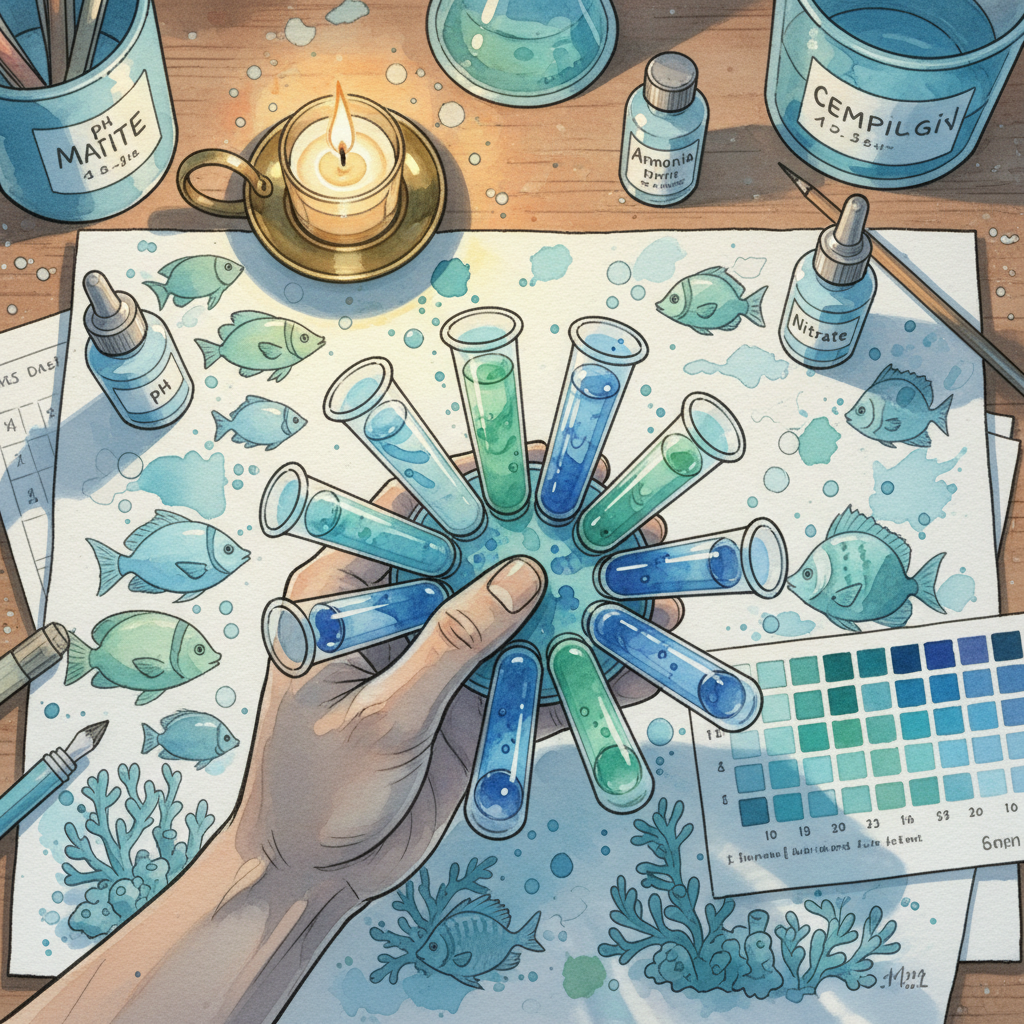
Lesson Learned: Research the environmental needs of each fish species you want to keep, and choose fish that have similar requirements. Invest in a reliable water testing kit and monitor your water parameters regularly. Adjust your water chemistry as needed to maintain optimal conditions for your fish.
The Disease Dilemma: Prevention and Treatment
Even with the best care, fish can still get sick. It’s a fact of aquarium life. But early detection and prompt treatment can often make the difference between life and death. I wasn’t always so proactive when it came to disease, and my fish paid the price.
Quarantine: The First Line of Defense
One of the biggest mistakes I made was adding new fish to my tank without quarantining them first. Quarantine is the process of isolating new fish in a separate tank for several weeks to observe them for signs of disease. This prevents them from introducing pathogens into your main tank, where they can infect your existing fish population.
I skipped this step, thinking it was unnecessary. But I quickly learned my lesson when I introduced a fish with ich (white spot disease) into my tank. Within days, all of my fish were covered in white spots, and I had to scramble to treat them before they all died. Quarantine is a small investment of time and resources that can save you a lot of heartache in the long run.
Lesson Learned: Quarantine all new fish in a separate tank for at least two to four weeks before adding them to your main tank. Observe them closely for signs of disease, and treat them accordingly if necessary. This will help to prevent the spread of pathogens and protect your existing fish population.
Recognizing the Signs: Early Detection is Key
I wasn’t very good at recognizing the early signs of disease in my fish. I just assumed that if they were swimming around and eating, they were healthy. But by the time I noticed something was wrong, it was often too late to save them.
I learned to pay attention to subtle changes in my fish’s behavior, such as lethargy, loss of appetite, clamped fins, or unusual swimming patterns. I also learned to look for physical signs of disease, such as white spots, fuzzy growths, or open sores. The sooner you detect a problem, the sooner you can start treatment and increase your fish’s chances of survival.
Lesson Learned: Observe your fish closely every day, and learn to recognize the early signs of disease. Look for changes in their behavior or appearance, and take action immediately if you suspect a problem. There are many resources available online and in books that can help you diagnose and treat common fish diseases.

The Long Game: Patience and Persistence
Aquarium keeping is a marathon, not a sprint. It takes time, patience, and persistence to create a thriving and balanced ecosystem. There will be setbacks and challenges along the way, but don’t get discouraged. Learn from your mistakes, and keep learning and improving.
I made a lot of mistakes in the beginning, but I learned from them. And over time, I developed a better understanding of the complex interactions that occur within an aquarium. I learned to anticipate problems before they arose, and to address them quickly and effectively. Now, my tanks are thriving, and my fish are healthy and happy.
The key is to be patient, observant, and willing to learn. Don’t be afraid to ask for help from experienced aquarists, and don’t give up when things get tough. The rewards of a successful aquarium are well worth the effort. So, embrace the challenge, learn from your mistakes, and enjoy the journey. You might just find yourself hooked for life, like I did.
Ultimately, keeping fish is about creating a miniature world, a little slice of nature within your home. It’s a responsibility, but it’s also incredibly rewarding. By avoiding the mistakes I made, you can jumpstart your journey and enjoy the beauty and tranquility of a thriving aquarium for years to come. And who knows, maybe one day you’ll be sharing your own hard-earned wisdom with the next generation of aquarists.
My name is Daniel Carter, I am 35 years old, and I live in the United States. I have been passionate about aquariums for many years, and what started as a simple hobby quickly became a lifelong interest in aquatic life, fish behavior, and responsible tank care.
Through TheBrightLance, I share real experiences, practical knowledge, and honest lessons learned from maintaining different types of aquariums. I enjoy testing equipment, studying fish behavior, improving maintenance routines, and helping beginners avoid common mistakes.
My goal is to make aquarism easier, more ethical, and more enjoyable for everyone — whether you are setting up your very first tank or looking to refine your techniques.