
The Silent Killers: Beginner Mistakes That Can Ruin Your Aquarium Dreams
Alright, let’s be real. Setting up an aquarium is exciting! I remember the thrill of getting my first tank – a standard 20-gallon rectangle – and envisioning a vibrant underwater world. But the truth is, that initial excitement can quickly turn into frustration and even heartbreak if you stumble into some common beginner traps. I’ve been keeping freshwater aquariums for over a decade now, and I’ve seen it all – and unfortunately, I’ve done it all too! So, consider me your guide through the murky waters of aquarium keeping, and I’ll help you avoid the mistakes that can literally kill your fish and destroy your dream setup.
The Allure and the Reality
We’ve all seen those stunning aquascapes online – crystal-clear water, lush plants, and colorful fish swimming peacefully. It’s easy to think, “I can do that!” And you absolutely can! But what those pictures don’t show is the careful planning, consistent maintenance, and sometimes, the hard lessons learned along the way. I’m not trying to scare you off; I’m just being honest. Keeping an aquarium is a responsibility, and like any living ecosystem, it requires understanding and care. Think of it as a miniature version of a lake or river, but confined to a glass box. The balance is delicate, and even small mistakes can have big consequences.
The First Fatal Flaw: Impatience is a Virtue (Sometimes!)
One of the biggest mistakes I see (and one I definitely made early on) is rushing the setup process. We’re eager to get our fish, decorate the tank, and watch them swim. But the most crucial part of setting up an aquarium happens before you even add your first fish: the nitrogen cycle. What is it? It’s nothing more than establishing beneficial bacteria in your tank, which is what’s responsible for turning toxic ammonia and nitrite into relatively harmless nitrate.
The Nitrogen Cycle: Your Aquarium’s Best Friend
Think of ammonia as fish waste – it’s constantly produced by your fish, and it’s incredibly toxic. Nitrite is a byproduct of ammonia breakdown, and it’s also toxic. Nitrate is the final product, and while it’s less toxic than ammonia and nitrite, it still needs to be managed through regular water changes. The beneficial bacteria are what convert ammonia to nitrite and then nitrite to nitrate. Without them, ammonia and nitrite levels will skyrocket, poisoning your fish. This is often referred to as “new tank syndrome” and is a common cause of fish death in new aquariums.
How do you establish the nitrogen cycle? There are a few ways. The most common is to simply add a source of ammonia (fish food or pure ammonia) to the tank and wait for the bacteria to colonize. You’ll need to test the water regularly using a test kit to monitor ammonia, nitrite, and nitrate levels. The cycle is complete when ammonia and nitrite levels are consistently zero, and nitrate levels are present. This process can take several weeks, so be patient! Another method is to “seed” the tank with beneficial bacteria from an established aquarium. You can do this by adding filter media, gravel, or decorations from an old tank to your new tank. This can significantly speed up the cycling process.
I remember being so impatient with my first tank. I added fish after only a few days, and they all died within a week. It was a heartbreaking experience, and I learned a valuable lesson about the importance of the nitrogen cycle. Now, I always cycle my tanks for at least four weeks before adding any fish. It’s a small investment of time that can save you a lot of heartache in the long run.
Overstocking: A Recipe for Disaster
Another common mistake is overstocking the tank. It’s tempting to fill your aquarium with as many colorful fish as possible, but overcrowding can lead to a host of problems, including poor water quality, increased stress on fish, and disease outbreaks. It’s like trying to cram too many people into a small apartment – things are bound to get messy and uncomfortable.
The Inch-Per-Gallon Myth and More Realistic Guidelines
You might have heard of the “inch-per-gallon” rule, which suggests that you can keep one inch of fish per gallon of water. While this rule can be a starting point, it’s not always accurate. Some fish are more active and require more space than others. Some fish produce more waste than others. And some fish are simply not compatible with each other.
A better approach is to research the specific needs of the fish you want to keep. Consider their adult size, activity level, and temperament. Look for information on reputable aquarium websites and forums. Talk to experienced aquarists or your local fish store (LFS) employees – but be wary; not all LFS employees are created equal! I once got terrible advice from a guy at a big chain store who told me I could keep a goldfish in a tiny bowl. Needless to say, that didn’t end well.
Also, consider the filtration capacity of your tank. A good filter can help remove waste and maintain water quality, but it can’t compensate for overstocking. A good rule of thumb is to have a filter that is rated for at least twice the size of your tank. So, if you have a 20-gallon tank, you should have a filter that is rated for at least 40 gallons. Finally, when in doubt, understock! It’s always better to have too few fish than too many. Your fish will be healthier and happier, and you’ll have less maintenance to do.

The Silent Killer: Ignoring Water Quality
Water quality is the foundation of a healthy aquarium. Poor water quality can lead to a variety of problems, including disease outbreaks, stunted growth, and even death. Maintaining good water quality requires regular testing and maintenance.
Testing, Testing: Know Your Numbers!
You’ll need to test your water regularly for ammonia, nitrite, nitrate, pH, and other parameters. Test kits are readily available at most aquarium stores. Liquid test kits are generally more accurate than test strips, but they’re also more time-consuming. I prefer liquid test kits because I want the most accurate results possible. I test my tanks weekly to monitor water quality. It might seem excessive, but it gives me peace of mind knowing that my fish are swimming in healthy water. I’ve found that knowing the numbers – and understanding what they mean – is incredibly empowering.
The Power of the Water Change
Regular water changes are essential for maintaining good water quality. Water changes remove nitrates, replenish trace elements, and help keep the water clean and clear. The frequency and amount of water changes will depend on the size of your tank, the number of fish you have, and the type of filter you’re using. A good starting point is to change 25% of the water weekly. Use a gravel vacuum to remove debris from the substrate during water changes. This will help prevent the buildup of harmful bacteria and keep your tank looking clean. Always use dechlorinated water for water changes. Tap water contains chlorine and chloramine, which are toxic to fish. You can dechlorinate tap water using a water conditioner, which is available at most aquarium stores. I always keep a bottle of water conditioner on hand. It’s a small investment that can save you a lot of trouble.
I remember one time I neglected my water changes for a few weeks. I was busy with work and just didn’t have the time. When I finally tested the water, the nitrate levels were off the charts! My fish were stressed and lethargic. I immediately did a large water change, and they started to perk up within a few hours. It was a wake-up call for me, and I haven’t missed a water change since. I’ve even set reminders on my phone so I don’t forget.
The Plant Predicament: Choosing the Wrong Flora
Plants can add beauty and functionality to your aquarium. They provide shelter for fish, help oxygenate the water, and absorb nitrates. However, choosing the wrong plants can lead to problems. I’ve found that keeping plants is an enjoyable and rewarding task. But it takes some research before buying them for your tank.
Low-Light Wonders vs. High-Tech Demands
Some plants require high light levels, CO2 injection, and regular fertilization. These plants are typically more demanding and are not suitable for beginners. Other plants are more forgiving and can thrive in low-light conditions with minimal care. These plants are a better choice for beginners. Some good options for low-light tanks include Java fern, Anubias, and Amazon sword. These plants are hardy, easy to grow, and can tolerate a wide range of water conditions.
When choosing plants, consider the size of your tank and the needs of your fish. Some fish will eat plants, so you’ll need to choose plants that are not palatable to them. Others will uproot plants, so you’ll need to anchor them securely. I learned this the hard way when my goldfish decimated a beautiful patch of Vallisneria in a matter of days. Now, I stick to plants that are less appealing to them. It’s important to remember, too, that some plants are toxic. Do your research before adding any plants to your tank to ensure they are safe for your fish.
Also, be careful about introducing snails with your plants. Snails can quickly multiply and become a nuisance in your aquarium. You can prevent snails by dipping your plants in a bleach solution before adding them to your tank. Use a solution of one part bleach to 19 parts water and soak the plants for a few minutes. Then, rinse them thoroughly before adding them to your tank. It’s a bit of a hassle, but it’s worth it to avoid a snail infestation.

The Food Fiasco: Overfeeding and the Consequences
Overfeeding is another common mistake that can lead to poor water quality and health problems for your fish. Fish only need a small amount of food to thrive. Overfeeding can lead to uneaten food accumulating in the tank, which decomposes and releases ammonia. It’s like leaving leftovers out on the counter – they’ll eventually rot and stink.
Less is More: Finding the Right Balance
Feed your fish only what they can consume in a few minutes. A good rule of thumb is to feed them twice a day, but only a small amount each time. Watch your fish as they eat and remove any uneaten food after a few minutes. You can use a turkey baster to suck up any uneaten food from the bottom of the tank. This will help prevent the buildup of ammonia and keep your tank clean.
Also, choose a high-quality fish food that is appropriate for your fish. Different fish have different dietary needs. Some fish are herbivores, some are carnivores, and some are omnivores. Make sure you’re feeding your fish a food that meets their nutritional requirements. I like to use a variety of foods to ensure my fish are getting all the nutrients they need. I feed them flakes, pellets, and frozen foods. I also give them occasional treats, like bloodworms or brine shrimp. Don’t forget that variety is the spice of life, even for fish!
Consider a fasting day once a week. This will give your fish’s digestive system a break and help prevent overfeeding. I usually fast my fish on Sundays. It’s a good way to start the week with a clean slate. If you’re going to be away for a few days, it might be best to invest in an automatic feeder. But before you leave, test the feeder to make sure it’s dispensing the right amount of food. The last thing you want is for the feeder to dump a whole bunch of food into the tank while you’re gone. That would be a disaster!
Filter Faux Pas: Neglecting Essential Maintenance
Your filter is the heart of your aquarium. It removes waste, clarifies the water, and provides a home for beneficial bacteria. Neglecting filter maintenance can lead to a buildup of waste, reduced water flow, and a decline in water quality. It’s like neglecting to change the oil in your car – eventually, the engine will seize up.
Rinse, Don’t Replace: Preserving Beneficial Bacteria
Clean your filter regularly according to the manufacturer’s instructions. The frequency of cleaning will depend on the type of filter you have and the amount of waste your fish produce. A good rule of thumb is to clean your filter every few weeks. When cleaning your filter, avoid using soap or hot water. These can kill the beneficial bacteria that are essential for maintaining water quality. Instead, rinse the filter media in aquarium water. This will remove debris without harming the bacteria. Don’t replace all of the filter media at once. This can disrupt the nitrogen cycle and lead to a spike in ammonia and nitrite levels. Instead, replace only a portion of the filter media at a time. This will allow the beneficial bacteria to recolonize the new media.
Also, make sure your filter is properly sized for your tank. A filter that is too small will not be able to adequately remove waste and maintain water quality. A filter that is too large can create too much water flow, which can stress your fish. When in doubt, choose a filter that is slightly larger than necessary. It’s better to have too much filtration than not enough. I had a canister filter fail on me once, and it was a nightmare. The water quickly became cloudy, and my fish started to show signs of stress. I was able to replace the filter quickly, but it was a close call. Now, I always keep a spare filter on hand, just in case.

The Temperature Tango: Ignoring Proper Heating
Maintaining the correct water temperature is crucial for the health of your fish. Fish are cold-blooded, which means their body temperature is regulated by their environment. If the water temperature is too high or too low, your fish can become stressed, susceptible to disease, and even die. I’ve learned that stable water temperature is paramount for a healthy tank.
Finding the Sweet Spot
Research the temperature requirements of the fish you want to keep and choose a heater that is appropriate for your tank size. A good rule of thumb is to use a heater that is rated for 3-5 watts per gallon of water. So, if you have a 20-gallon tank, you should use a heater that is rated for 60-100 watts. Place the heater near the filter intake to ensure even heat distribution throughout the tank. Use a thermometer to monitor the water temperature. Check the temperature regularly and adjust the heater as needed. I like to use a digital thermometer because it’s more accurate than a traditional thermometer. It’s also easier to read.
Avoid placing your aquarium in direct sunlight. Direct sunlight can cause the water temperature to fluctuate wildly and can also promote algae growth. If you live in a cold climate, you may need to insulate your aquarium to prevent heat loss. You can use foam insulation boards or a commercially available aquarium insulator. I live in Florida, so I don’t have to worry about keeping my tanks warm in the winter. But I do have to worry about keeping them cool in the summer. I use a fan to circulate air around the tank and help evaporate the water, which cools the tank down. Power outages can also be tricky. I once lost power during a particularly cold night, and the water temperature in my tank plummeted. Fortunately, I had a battery-powered air pump and a few chemical hand warmers that I was able to use to keep the fish alive until the power came back on. It was a stressful experience, but it taught me the importance of being prepared for emergencies.
The Disease Dilemma: Quarantine is Key
Introducing new fish to your aquarium without quarantining them is like playing Russian roulette. New fish can carry diseases that can quickly spread to your existing fish population. Quarantine involves isolating new fish in a separate tank for several weeks to observe them for signs of disease. I never skip this step. It’s saved me countless times.
Setting Up a Quarantine Tank
A quarantine tank doesn’t need to be fancy. A simple 10-gallon tank with a filter, heater, and air pump is sufficient. Fill the quarantine tank with water from your main aquarium to help acclimate the new fish. Observe the new fish for at least two weeks, preferably longer. Look for signs of disease, such as white spots, clamped fins, lethargy, and difficulty breathing. If you notice any signs of disease, treat the fish immediately with appropriate medication. Keep a close eye on water quality in the quarantine tank. Perform regular water changes to maintain good water quality. Do not add any decorations or substrate to the quarantine tank. This will make it easier to clean and disinfect. I also recommend using a separate set of equipment for the quarantine tank, such as a siphon and a net. This will prevent the spread of disease to your main aquarium.
Once the quarantine period is over and the fish show no signs of disease, you can slowly acclimate them to your main aquarium. Float the bag containing the new fish in your main aquarium for about 30 minutes to equalize the temperature. Then, slowly add water from your main aquarium to the bag over the course of an hour. This will help the fish acclimate to the water chemistry. Finally, release the fish into your main aquarium. Observe them closely for a few days to make sure they are adjusting well. I once skipped the quarantine process because I was impatient and eager to add some new fish to my tank. Within a few days, my entire tank was infected with ich, and I lost several fish. It was a devastating experience, and I learned my lesson the hard way. Now, I always quarantine new fish, no matter how healthy they look.

The Final Word: Embrace the Learning Curve
Keeping an aquarium is a journey, not a destination. There will be ups and downs, successes and failures. The key is to learn from your mistakes and never stop learning. Don’t be afraid to ask for help from experienced aquarists or your local fish store. There are also many excellent resources available online, such as aquarium forums and websites. The aquarium hobby is a rewarding and fascinating experience. With a little patience, knowledge, and dedication, you can create a beautiful and thriving underwater world that you can enjoy for years to come. Remember that even experienced aquarists face challenges and setbacks. The important thing is to persevere and learn from your experiences. And most importantly, enjoy the process!
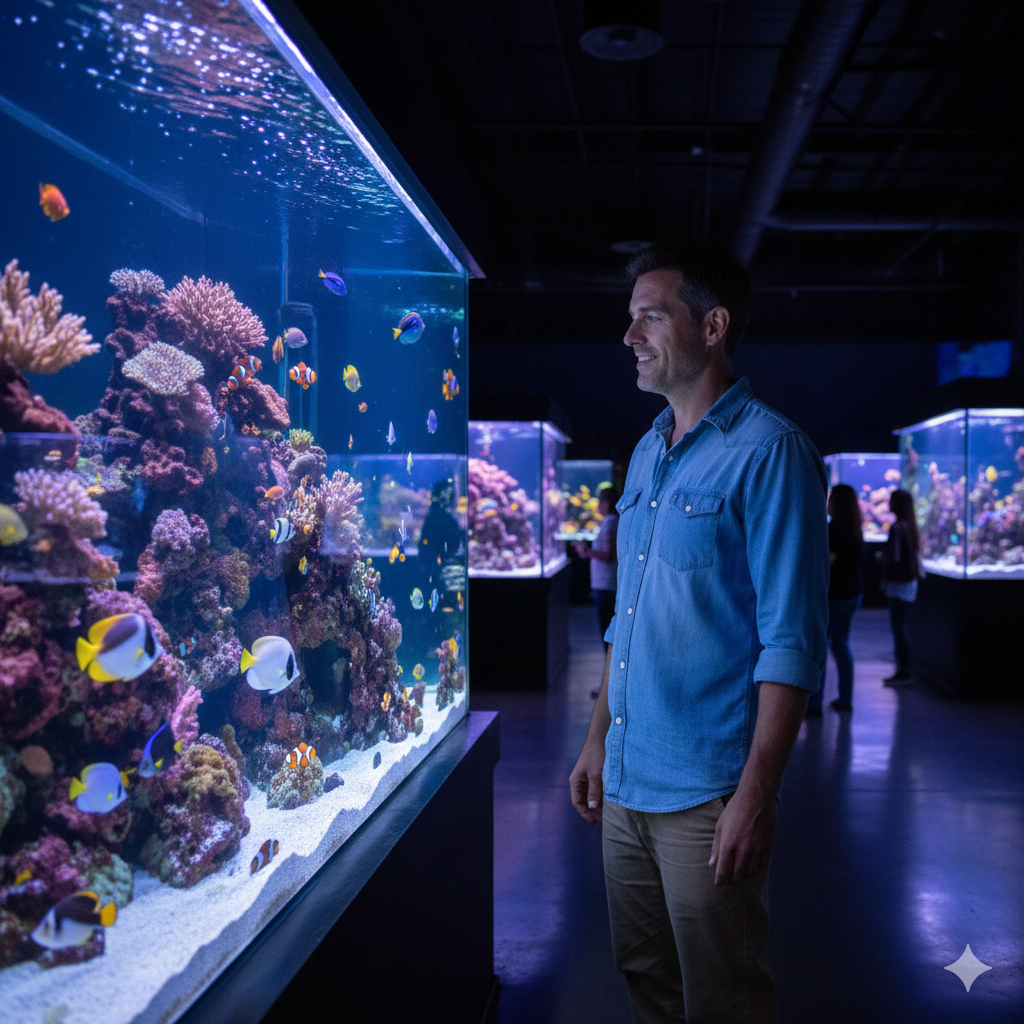
My name is Daniel Carter, I am 35 years old, and I live in the United States. I have been passionate about aquariums for many years, and what started as a simple hobby quickly became a lifelong interest in aquatic life, fish behavior, and responsible tank care.
Through TheBrightLance, I share real experiences, practical knowledge, and honest lessons learned from maintaining different types of aquariums. I enjoy testing equipment, studying fish behavior, improving maintenance routines, and helping beginners avoid common mistakes.
My goal is to make aquarism easier, more ethical, and more enjoyable for everyone — whether you are setting up your very first tank or looking to refine your techniques.