
Understanding My Fish: A Decade of Learning Behavior
After more than a decade immersed in the world of aquariums, I’ve learned that keeping fish healthy and happy is about more than just clean water and the right food. It’s about understanding their behavior, recognizing subtle signs of stress or illness, and proactively addressing potential problems before they escalate. You could say I’ve become a bit of an amateur fish psychologist – not in a literal sense, of course, but in my ability to anticipate their needs based on observed behaviors. I’m Lucas Anderson, by the way, and I live here in sunny Orlando, Florida. I’ve always been fascinated by the underwater world, and that fascination turned into a full-blown hobby when I set up my first freshwater tank over ten years ago.
Over the years, I’ve noticed specific behavior patterns that act as early warning systems, allowing me to intervene before minor issues turn into major headaches. These patterns are often subtle, easy to miss if you’re not paying close attention, but they can be incredibly valuable in maintaining a healthy and thriving aquarium. It’s like learning to read the language of your fish, and let me tell you, they have plenty to say if you know how to listen.
The Power of Observation: What to Look For
The first and perhaps most crucial step is simply observing your fish regularly. I try to dedicate at least 15-20 minutes each day to just watching my tanks. During this time, I’m not just admiring the scenery; I’m actively looking for anything out of the ordinary. This includes their swimming patterns, feeding habits, social interactions, and physical appearance. It’s about establishing a baseline of “normal” behavior for each species and individual fish so you can quickly identify deviations from that norm.
Swimming Patterns: A Window into Their Well-being
Healthy fish typically exhibit purposeful and fluid swimming patterns. They move gracefully through the water, exploring their environment and interacting with other fish. Any significant change in this pattern can be a red flag. For example, if a fish that usually swims actively near the middle of the tank suddenly starts hiding near the bottom or hovering near the surface, it could indicate stress, illness, or poor water quality.
Erratic swimming, such as darting, flashing (rubbing against objects), or spinning, can also be signs of trouble. Darting and flashing are often associated with parasitic infections, while spinning can indicate neurological problems or severe stress. Similarly, labored breathing, characterized by rapid gill movements or gasping at the surface, suggests a lack of oxygen in the water or the presence of toxins. I remember one time, my neon tetras started flashing against the gravel. I immediately checked my water parameters and discovered a spike in ammonia. A quick water change and the addition of some beneficial bacteria saved the day – all thanks to noticing that subtle change in their behavior.
Feeding Habits: A Critical Indicator
A healthy appetite is a sign of a healthy fish. A sudden loss of appetite or refusal to eat is a major cause for concern. It could be due to a variety of factors, including stress, illness, poor water quality, or even bullying from other fish. I always make sure to offer a varied diet to my fish, including high-quality flakes, pellets, and frozen foods. This not only provides them with the necessary nutrients but also helps me monitor their feeding response. If a fish consistently ignores a particular type of food that it usually enjoys, I know something might be wrong.
Conversely, excessive or frantic feeding can also be a sign of stress. Sometimes, fish will overeat when they feel insecure or threatened. It’s like they’re trying to compensate for their anxiety by consuming more food. If you notice your fish are constantly begging for food or gulping it down excessively, it might be worth investigating the underlying cause of their stress.

Social Interactions: Understanding the Dynamics
Fish are social creatures, and their interactions with each other can provide valuable insights into their well-being. Observing their social dynamics can help you identify potential problems such as bullying, aggression, or incompatibility. Some species, like tetras and corydoras, are schooling fish and thrive in groups. If you notice a single fish isolating itself from the group, it could be a sign of illness or social stress. It’s crucial to maintain appropriate group sizes for these species to ensure their well-being.
Aggression is another common issue in aquariums. Some fish are naturally more territorial than others, and they may exhibit aggressive behavior towards other fish, especially during feeding time or spawning. If you notice one fish constantly chasing, nipping, or harassing another, it’s important to intervene to prevent injuries or stress. This might involve re-arranging the decorations in the tank to create more territories, adding more hiding places, or even separating the aggressive fish into a different tank.
Physical Appearance: Spotting the Early Signs
Regularly examining your fish for any physical abnormalities is essential. This includes checking their scales, fins, eyes, and body shape. Look for signs of injury, disease, or parasites. White spots, cloudy eyes, fin rot, and swollen bellies are all common symptoms that require immediate attention. Early detection and treatment are crucial for preventing these problems from escalating and potentially affecting the entire tank.
I once noticed a small white spot on one of my angelfish. I initially dismissed it as just a minor scratch, but after a few days, the spot had grown larger and more prominent. I realized it was ich, a common parasitic infection. I immediately started treating the tank with an appropriate medication, and fortunately, I was able to cure the infection before it spread to the other fish. That experience taught me the importance of not ignoring even the smallest physical changes in my fish.
Common Behavior Patterns and Their Meanings
Over the years, I’ve identified several specific behavior patterns that consistently indicate underlying problems. These patterns are not always obvious, but with careful observation, you can learn to recognize them and take appropriate action.
Hiding: More Than Just Shyness
While some fish are naturally shy and prefer to spend most of their time hiding, excessive or sudden hiding is often a sign of stress or illness. If a fish that usually swims actively in the open suddenly starts hiding constantly, it’s important to investigate the cause. This could be due to poor water quality, bullying from other fish, or an underlying illness. Check your water parameters, observe the social dynamics in the tank, and look for any other signs of illness.
Providing plenty of hiding places, such as caves, plants, and driftwood, can help reduce stress and make fish feel more secure. However, if a fish continues to hide even after you’ve addressed these potential stressors, it’s likely that it’s suffering from an illness and needs to be treated accordingly.
Flashing: An Itch They Can’t Scratch
Flashing, or rubbing against objects in the tank, is a common sign of parasitic infection. Fish will flash in an attempt to dislodge the parasites from their skin or gills. The most common parasites that cause flashing are ich, velvet, and gill flukes. If you notice your fish flashing, it’s important to examine them closely for other signs of parasitic infection, such as white spots, gold dust appearance, or rapid gill movements. Early treatment with an appropriate medication is crucial for preventing the infection from spreading and causing serious damage.
It’s also important to note that flashing can sometimes be caused by poor water quality. High levels of ammonia or nitrite can irritate the fish’s skin and gills, causing them to flash. Therefore, it’s always a good idea to check your water parameters if you notice your fish flashing.
Gasping at the Surface: A Lack of Oxygen
Gasping at the surface is a clear indication that there is not enough oxygen in the water. This can be caused by a variety of factors, including overcrowding, poor water circulation, high temperatures, or excessive organic waste. Fish need oxygen to breathe, just like humans, and if the oxygen levels in the water are too low, they will suffocate.
If you notice your fish gasping at the surface, the first thing you should do is increase the oxygen levels in the water. This can be done by adding an air stone, increasing the water circulation, or performing a water change. It’s also important to address the underlying cause of the low oxygen levels. Reduce the number of fish in the tank if it’s overcrowded, improve the filtration, and make sure the water temperature is not too high. I remember losing a whole school of rummy nose tetras once because I hadn’t properly aerated a new tank. It was a painful lesson, but it taught me the importance of oxygen levels.

Clamped Fins: A Sign of Stress
Clamped fins, where the fins are held close to the body, is a common sign of stress or illness. Fish will clamp their fins when they feel threatened, uncomfortable, or unwell. This can be caused by a variety of factors, including poor water quality, bullying from other fish, or an underlying illness. If you notice your fish clamping their fins, it’s important to investigate the cause and take appropriate action.
Check your water parameters, observe the social dynamics in the tank, and look for any other signs of illness. Provide plenty of hiding places to reduce stress, and consider separating the fish into a quarantine tank if you suspect an illness. I had a betta that clamped its fins for weeks. Turns out, the filter current was too strong for him. Baffling the filter outlet immediately solved the problem.
Lethargy: Low Energy and Lack of Activity
Lethargy, characterized by a lack of energy and reduced activity, is a common sign of illness. Fish will often become lethargic when they are feeling unwell, as their bodies are focusing on fighting off the illness. If you notice your fish becoming lethargic, it’s important to examine them closely for other signs of illness, such as loss of appetite, clamped fins, or physical abnormalities. Quarantine the fish and treat it with an appropriate medication.
Sometimes, lethargy can also be caused by old age. As fish get older, they naturally become less active. However, if the lethargy is sudden or accompanied by other symptoms, it’s more likely to be a sign of illness.
Proactive Measures: Preventing Problems Before They Arise
While recognizing and responding to behavioral changes is crucial, preventing problems from occurring in the first place is even more important. There are several proactive measures you can take to maintain a healthy and thriving aquarium and minimize the risk of illness or stress.
Maintaining Optimal Water Quality: The Foundation of Health
Maintaining optimal water quality is the single most important factor in preventing problems in your aquarium. Poor water quality can stress your fish, weaken their immune systems, and make them more susceptible to illness. Regularly test your water parameters, including ammonia, nitrite, nitrate, pH, and temperature, and take steps to correct any imbalances. Perform regular water changes to remove accumulated waste and replenish essential minerals. A stable and healthy environment is the best defense against disease. I religiously test my water weekly, and I swear by it. It’s prevented countless potential disasters.
Overfeeding is a common cause of poor water quality. Uneaten food decomposes and releases ammonia, which is toxic to fish. Feed your fish only as much as they can consume in a few minutes, and remove any uneaten food immediately. A good quality filter is also essential for maintaining optimal water quality. Choose a filter that is appropriately sized for your tank and regularly clean or replace the filter media.
Quarantine New Fish: Preventing the Spread of Disease
Quarantining new fish is essential for preventing the spread of disease to your existing fish population. New fish can carry diseases or parasites that may not be immediately apparent. By quarantining them in a separate tank for a few weeks, you can observe them for any signs of illness and treat them accordingly before introducing them to your main tank. A simple quarantine tank with a filter, heater, and air stone is all you need. Observe the new arrivals closely for any signs of illness, such as white spots, clamped fins, or lethargy. If you notice any problems, treat them with an appropriate medication.

Choosing Compatible Tank Mates: Minimizing Stress
Choosing compatible tank mates is crucial for minimizing stress and preventing aggression in your aquarium. Some fish are naturally more aggressive or territorial than others, and they may not be compatible with certain species. Research the specific needs and temperaments of the fish you want to keep and make sure they are compatible with each other. Avoid keeping aggressive fish with peaceful fish, and provide plenty of space and hiding places to reduce stress. I always research any new fish species extensively before adding them to my community tank. It’s saved me from a lot of potential headaches.
Overcrowding can also lead to stress and aggression. Make sure you have enough space for all of your fish to swim and establish territories. A general rule of thumb is to allow at least one gallon of water per inch of adult fish size, but this can vary depending on the species and their specific needs.
Maintaining a Stable Environment: Avoiding Sudden Changes
Fish are sensitive to sudden changes in their environment, such as temperature, pH, or water chemistry. These changes can stress your fish and make them more susceptible to illness. Avoid making drastic changes to your aquarium and try to maintain a stable and consistent environment. When performing water changes, only change a portion of the water at a time (usually 25-50%), and make sure the new water is the same temperature and pH as the old water. Avoid placing your aquarium in direct sunlight, as this can cause rapid temperature fluctuations. I once lost a group of kuhli loaches because I accidentally added too much dechlorinator during a water change. It was a painful reminder of how sensitive fish can be to even small changes in water chemistry.
Documenting Your Observations: Keeping a Fish Journal
One of the most helpful things I’ve done over the years is to keep a fish journal. I know it sounds a little nerdy, but trust me, it’s incredibly valuable. I use it to record my observations of my fish’s behavior, feeding habits, and physical appearance. I also note any changes I make to the tank, such as water changes, filter cleanings, or the addition of new plants or decorations. This journal allows me to track trends, identify potential problems early on, and learn from my mistakes. It’s like having a personalized guide to my aquarium, tailored specifically to my fish and their unique needs.
For example, if I notice that my fish are consistently lethargic after a water change, I can look back in my journal to see if there’s anything different about the water I’m using or the way I’m performing the water change. Or, if I notice that one of my fish is constantly being bullied by another, I can look back to see when the aggression started and what might have triggered it. Your journal doesn’t need to be anything fancy. A simple notebook or a spreadsheet on your computer will do. The important thing is to be consistent and to record as much information as possible.

Continuing to Learn: The Journey of an Aquarist
Keeping fish is a continuous learning process. There’s always something new to discover, whether it’s a new species of fish, a new type of plant, or a new way to maintain a healthy aquarium. Don’t be afraid to experiment, make mistakes, and learn from your experiences. Join online forums, read books and articles, and talk to other aquarists. The more you learn, the better you’ll be able to care for your fish and create a thriving aquatic ecosystem.
I’ve learned so much from other aquarists over the years. Their advice, tips, and insights have been invaluable in helping me overcome challenges and improve my fishkeeping skills. I’m always grateful for the opportunity to share my own experiences and knowledge with others, and I hope this article has been helpful in some way. Remember, patience and observation are your greatest tools. Pay attention to your fish, learn their individual personalities, and you’ll be well on your way to becoming a successful and responsible aquarist. The most rewarding part of this hobby for me is seeing my fish thrive in a healthy and beautiful environment. It’s a testament to the hard work and dedication I’ve put in, and it’s a source of constant joy and fascination.
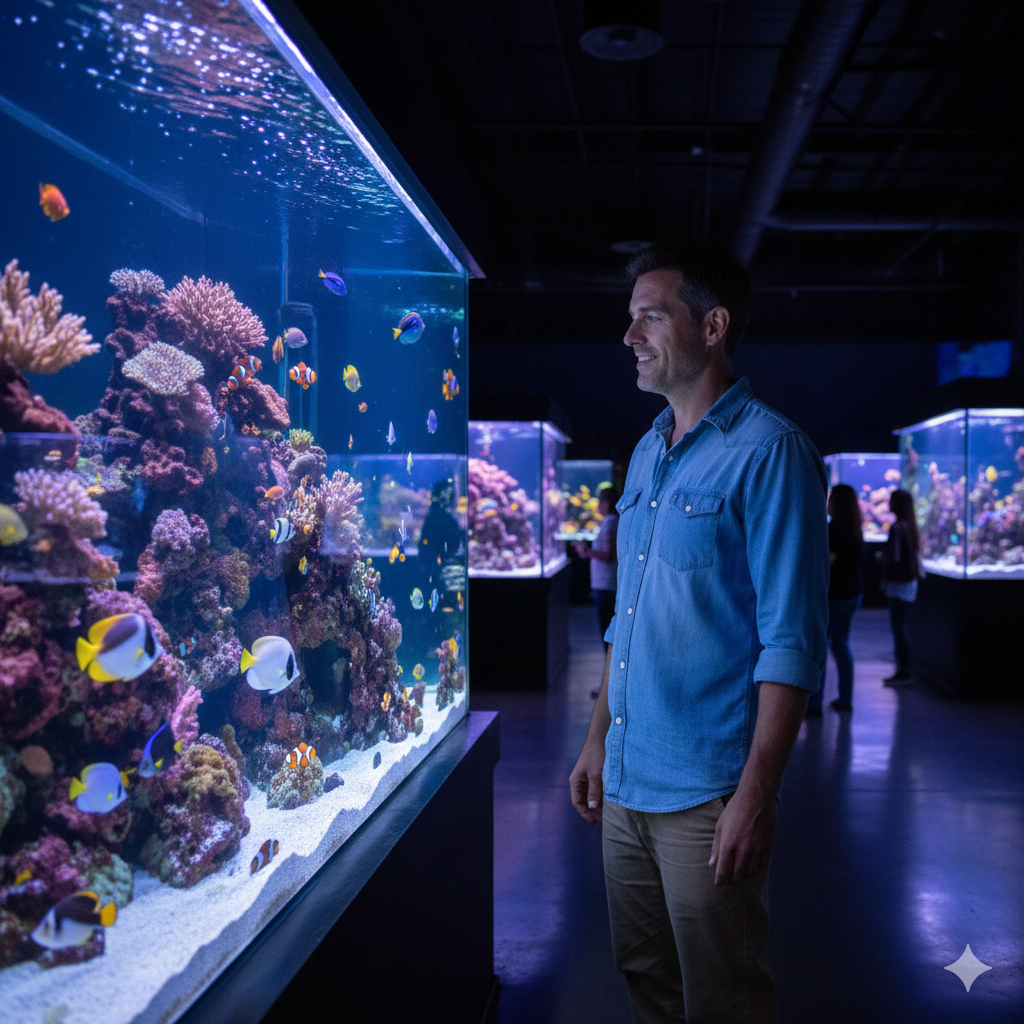
My name is Daniel Carter, I am 35 years old, and I live in the United States. I have been passionate about aquariums for many years, and what started as a simple hobby quickly became a lifelong interest in aquatic life, fish behavior, and responsible tank care.
Through TheBrightLance, I share real experiences, practical knowledge, and honest lessons learned from maintaining different types of aquariums. I enjoy testing equipment, studying fish behavior, improving maintenance routines, and helping beginners avoid common mistakes.
My goal is to make aquarism easier, more ethical, and more enjoyable for everyone — whether you are setting up your very first tank or looking to refine your techniques.