
The Silent Language of My Fish
For over a decade, my life has revolved around the gentle hum of aquarium filters, the mesmerizing dance of sunlight through the water, and the quiet companionship of fish. What started as a simple curiosity quickly blossomed into a full-blown passion. I’ve always found it incredibly rewarding to create miniature ecosystems, carefully balancing the needs of each inhabitant. But it’s not just about aesthetics; it’s about understanding the intricate language of these silent creatures.
You see, fish can’t exactly tell you when something’s wrong. They can’t cough, sneeze, or point to where it hurts. Instead, they communicate through their behavior – subtle shifts that, once you learn to recognize them, speak volumes about the health of their environment. And that’s what I want to share with you today: how paying close attention to my fish’s behavior has become my most reliable indicator of water quality.
I learned this lesson the hard way, through a series of trial and error, a few heartbreaking losses, and a whole lot of research. But trust me, the knowledge you gain from observing your fish is invaluable. It’s like having a built-in early warning system for your aquarium.
The Case of the Clamped Fins
One of the most vivid examples of this happened a few years ago with my prized betta, a stunning male named Finnegan. Finnegan was the king of his castle, a 5-gallon planted tank that I meticulously maintained. He had vibrant colors, a healthy appetite, and a playful personality. Until one day, he didn’t.
I noticed Finnegan was spending more time near the bottom of the tank, a behavior completely out of character for him. He was usually a curious and active fish, always exploring his surroundings. But now, he seemed lethargic and withdrawn. His once-flowing fins were now clamped close to his body, a clear sign of distress. He still ate, but with noticeably less enthusiasm.
My initial reaction was panic. Had he caught a disease? Was he injured? I immediately started Googling symptoms, comparing his condition to countless pictures and descriptions online. But nothing seemed to quite fit. That’s when I realized I was focusing on the wrong thing. I was looking for a disease, when I should have been looking at his environment.
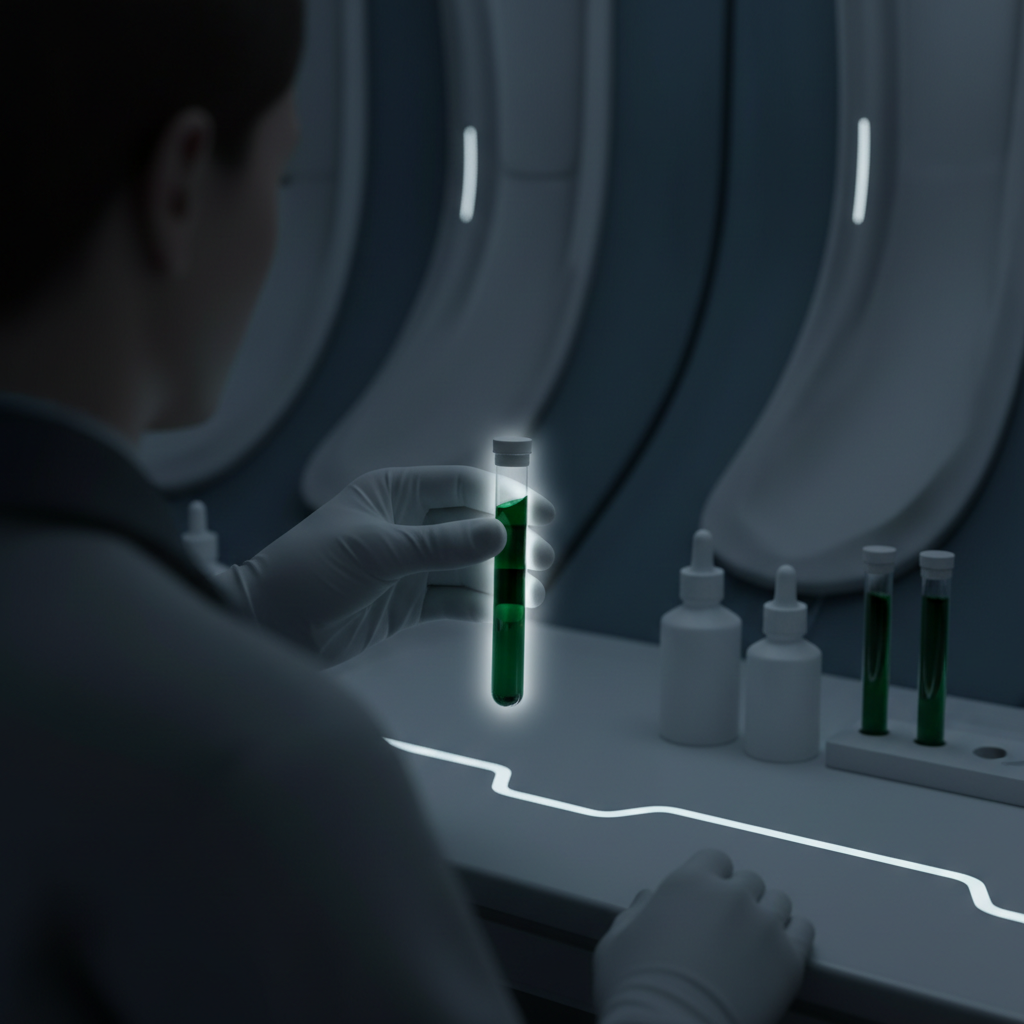
I started with the basics. I checked the water temperature, which was within the acceptable range. I looked for any signs of physical injury, but found none. Then, I decided to test the water parameters. I hadn’t done a water change in a few days, and I figured it couldn’t hurt. And that’s when I discovered the problem: my ammonia levels were through the roof.
The Ammonia Spike
Ammonia is a byproduct of fish waste and decaying organic matter, and it’s incredibly toxic to fish. Even small amounts can cause significant stress and damage to their gills and organs. In a healthy aquarium, beneficial bacteria convert ammonia into nitrite, and then nitrite into nitrate, which is much less harmful and can be removed through water changes. But when the biological filter isn’t functioning properly, or when there’s an imbalance in the system, ammonia can build up to dangerous levels.
In Finnegan’s case, I suspect the ammonia spike was caused by a combination of factors. I had recently added a few new plants to the tank, and some of the decaying leaves may have contributed to the ammonia load. I also might have been overfeeding him slightly, leading to more waste production. Whatever the exact cause, the result was clear: my water quality had deteriorated, and Finnegan was paying the price.
The Quick Fix
I immediately performed a large water change, replacing about 50% of the water with fresh, dechlorinated water. I also added an ammonia-detoxifying agent to the tank to help neutralize the remaining ammonia. I continued to monitor the water parameters closely, performing smaller water changes every day until the ammonia levels returned to zero.
It took a few days, but Finnegan slowly started to recover. His fins gradually unclamped, his color returned, and he regained his playful personality. It was a huge relief to see him back to his old self. But the experience taught me a valuable lesson: never underestimate the importance of water quality, and always pay attention to the subtle signs of distress in your fish.
Decoding Fish Behavior: A Guide
Finnegan’s story is just one example of how fish behavior can reveal problems with water quality. There are many other behaviors that can serve as warning signs. Here are some of the most common ones I’ve observed over the years:
Gasping at the Surface
If your fish are constantly gasping at the surface of the water, it’s a sign that they’re not getting enough oxygen. This can be caused by a variety of factors, including high water temperature, low dissolved oxygen levels, or a buildup of toxins in the water. Increased surface agitation with an air stone or filter can help improve oxygen levels.
I remember one summer when a heatwave hit Orlando, my tank temperature skyrocketed. I didn’t have a chiller at the time, and my fish were visibly struggling. They were all clustered near the surface, gasping for air. I quickly added an air stone and placed a fan near the tank to help cool the water. It made a significant difference, and thankfully, I didn’t lose any fish.
Erratic Swimming
Unusual or jerky swimming movements can indicate a variety of problems, including stress, disease, or poor water quality. Fish may dart around the tank, rub against objects, or swim in circles. This behavior can be a sign of parasitic infections, ammonia or nitrite poisoning, or even pH shock.
One time, I introduced a new fish to my community tank without properly quarantining it. A few days later, I noticed several of my fish were exhibiting erratic swimming behavior and flashing against the decorations. It turned out the new fish had brought in a parasite, and I had to treat the entire tank with medication. It was a stressful experience, but it reinforced the importance of quarantine.
Loss of Appetite
A sudden loss of appetite can be a sign of stress, disease, or poor water quality. Fish may refuse to eat, or they may spit out their food. This can be caused by a variety of factors, including high levels of ammonia or nitrite, a change in water temperature, or a parasitic infection.
I’ve noticed that my fish are particularly sensitive to changes in water temperature. Even a small fluctuation can cause them to lose their appetite for a day or two. That’s why I always try to maintain a stable temperature in my tanks, using a reliable heater and monitoring the temperature regularly.
Changes in Color
A change in color, such as fading or darkening, can be a sign of stress, disease, or poor water quality. Fish may lose their vibrant colors, or they may develop unusual spots or patches. This can be caused by a variety of factors, including high levels of ammonia or nitrite, a bacterial infection, or a nutritional deficiency.

The Importance of Regular Water Testing
As you can see, fish behavior can be a valuable tool for monitoring water quality. But it’s not a substitute for regular water testing. You should test your water regularly for ammonia, nitrite, nitrate, and pH. This will help you identify potential problems before they become serious.
I personally test my water at least once a week, and more often if I suspect there’s a problem. I use a liquid test kit, which I find to be more accurate than test strips. It may seem like a chore, but it’s a small price to pay for the health and well-being of my fish.
Understanding the Parameters
Each parameter tells you something important about the health of your aquarium:
- Ammonia: Should always be at 0 ppm (parts per million). Any detectable level is a sign of a problem.
- Nitrite: Should also be at 0 ppm. Like ammonia, nitrite is toxic to fish.
- Nitrate: Should be below 20 ppm for most freshwater fish. High levels can indicate a need for a water change.
- pH: The ideal pH level depends on the species of fish you keep. Most freshwater fish thrive in a pH range of 6.5 to 7.5.
It’s important to understand these parameters and how they relate to each other. For example, if you have high levels of ammonia and nitrite, it means your biological filter isn’t functioning properly. You may need to add beneficial bacteria to your tank, or you may need to reduce the amount of food you’re feeding your fish.
Preventative Measures: A Proactive Approach
While it’s important to be able to recognize the signs of poor water quality, it’s even more important to take preventative measures to maintain a healthy aquarium. Here are some of the things I do to keep my tanks in top condition:
Regular Water Changes
Water changes are the single most important thing you can do to maintain good water quality. They remove nitrates, replenish essential minerals, and help to keep the water clean and clear. I typically perform a 25% water change once a week.
Proper Filtration
A good filter is essential for removing solid waste and maintaining a healthy biological filter. I use a combination of mechanical, chemical, and biological filtration in my tanks.
Appropriate Stocking Levels
Overcrowding can lead to poor water quality and increased stress on your fish. Make sure you have enough space for your fish to swim and thrive.
Careful Feeding
Overfeeding is a common cause of poor water quality. Feed your fish only as much as they can eat in a few minutes, and remove any uneaten food promptly.
Quarantine New Fish
Quarantining new fish for several weeks before introducing them to your main tank can help prevent the spread of disease.

Beyond the Basics: Advanced Observation Techniques
Once you’ve mastered the basics of fishkeeping, you can start to delve deeper into the art of observation. Learn to recognize individual fish, their unique personalities, and their subtle interactions with each other and their environment.
For example, I can tell when my corydoras are happy and healthy by the way they actively sift through the substrate, searching for food. If they’re lethargic or hiding, it’s usually a sign that something’s wrong. I also pay attention to the way my schooling fish interact with each other. If they’re tightly grouped together, it can indicate stress or fear.
Understanding Plant Life
Don’t forget the plants! Healthy plants are a crucial part of a balanced aquarium ecosystem. They absorb nitrates, provide oxygen, and offer hiding places for fish. Pay attention to the health of your plants, as they can also be an indicator of water quality. Yellowing or browning leaves can be a sign of nutrient deficiencies or poor lighting.
The Power of a Journal
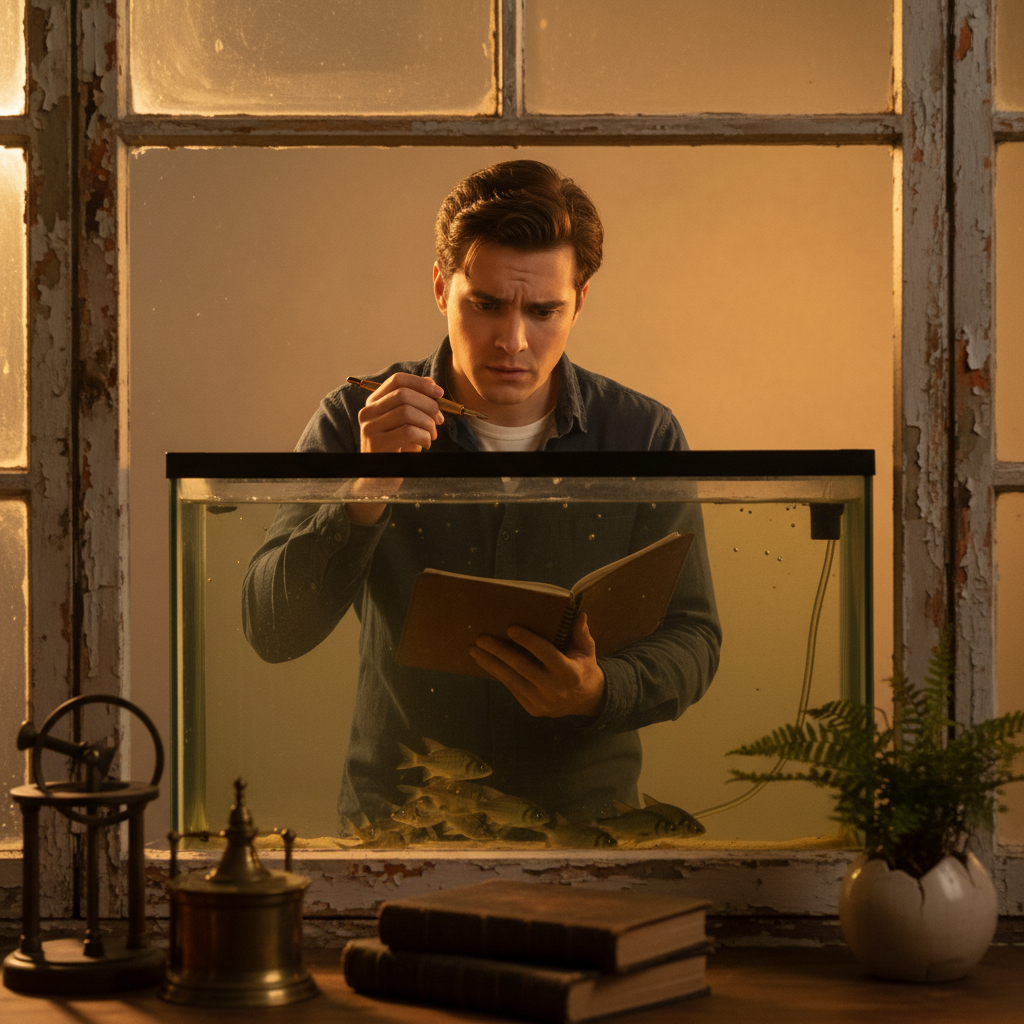
One of the best things I ever did was start keeping a journal of my aquarium observations. I write down everything I notice, from water parameters to fish behavior to plant growth. This helps me to track changes over time and identify potential problems early on. It’s also a great way to learn from my mistakes and improve my fishkeeping skills.
My Biggest Mistake and What I Learned
I’ve made plenty of mistakes over the years, but one stands out in particular. I once had a beautiful planted tank with a thriving community of fish. I was so proud of it, and I thought I had everything under control. But I got complacent. I stopped testing the water as regularly as I should have, and I started to neglect my water changes.
One day, I came home to find that all of my fish were dead. It was a devastating experience. I was heartbroken and ashamed. I had let my complacency get the best of me, and my fish had paid the price.
That experience taught me a valuable lesson: fishkeeping is a continuous learning process. You can never stop learning and improving. You always need to be vigilant and proactive. And you should never take your fish for granted.
The Reward of a Healthy Aquarium
Despite the challenges and occasional setbacks, fishkeeping is an incredibly rewarding hobby. There’s nothing quite like the feeling of creating a thriving ecosystem and watching your fish thrive in a healthy environment. It’s a testament to your skill and dedication, and it’s a constant source of beauty and relaxation.
But the real reward is the connection you develop with your fish. They may not be able to talk, but they communicate in their own way. By paying attention to their behavior and understanding their needs, you can create a bond that transcends words. And that, to me, is what fishkeeping is all about.
So, take the time to observe your fish. Learn their language. Understand their needs. And you’ll be rewarded with a healthy and thriving aquarium, and a deeper appreciation for the wonders of the underwater world. This journey, filled with both triumphs and learning experiences, has shaped my understanding of aquatic life and the delicate balance required for their well-being, constantly reminding me that the silent language of fish, when understood, speaks volumes about the quality of their world.
My name is Daniel Carter, I am 35 years old, and I live in the United States. I have been passionate about aquariums for many years, and what started as a simple hobby quickly became a lifelong interest in aquatic life, fish behavior, and responsible tank care.
Through TheBrightLance, I share real experiences, practical knowledge, and honest lessons learned from maintaining different types of aquariums. I enjoy testing equipment, studying fish behavior, improving maintenance routines, and helping beginners avoid common mistakes.
My goal is to make aquarism easier, more ethical, and more enjoyable for everyone — whether you are setting up your very first tank or looking to refine your techniques.