
The Silent Language of Fins and Scales
For years, I considered myself a competent aquarist. My tanks were clean, the water parameters were stable, and I diligently followed feeding schedules. I even won a local aquarium contest once (much to my surprise!). But deep down, I knew something was missing. My fish, while seemingly healthy, weren’t exactly thriving. They existed, but they didn’t exude that vibrant, energetic joy I saw in pictures and videos of truly happy fish. I realized I was treating my aquarium like a static display, not a dynamic ecosystem filled with living, breathing creatures with their own complex social structures and communication methods. It was time to learn the language of fins and scales.
It started subtly. I began spending more time simply observing my fish. Not just glancing at them during feeding or when performing maintenance, but really watching them. Paying attention to their movements, their interactions, their individual quirks. I noticed things I’d never seen before. The way my Corydoras catfish schooled together, mimicking each other’s movements with uncanny precision. The subtle shifts in coloration of my Neon Tetras depending on their mood. The intricate dance of dominance and submission between my male Betta and his tank mates (yes, I know, keeping a Betta with other fish is controversial, but I’d carefully selected compatible species and provided ample hiding places, and he was surprisingly well-behaved).
These observations sparked a journey of learning and experimentation that completely transformed my approach to aquarium care. It wasn’t just about water changes and filter maintenance anymore. It was about creating an environment that catered to the specific needs and behaviors of my fish, allowing them to express their natural instincts and live their best lives. I went from being a keeper of fish to a facilitator of their well-being.
Beyond the Basics: Unveiling Hidden Behaviors
One of the first things I realized was how much I’d underestimated the importance of proper tank setup. I’d always focused on aesthetics, choosing decorations and plants that looked visually appealing to me. But I hadn’t considered how these choices affected the fish. For example, I had a large, open area in the center of my tank that I thought provided ample swimming space. But after observing my fish, I realized they rarely ventured out into this area. They preferred to stay near the edges, close to plants and rocks where they felt safe and secure. It dawned on me that the open space, which I considered a positive feature, was actually causing them stress.
I decided to rearrange the tank, adding more plants and creating more hiding places. I also introduced some driftwood, which not only looked more natural but also provided a surface for algae to grow, a natural food source for some of my fish. The change was immediate. The fish became more active, more confident, and more colorful. They started exploring the entire tank, no longer confined to the edges. It was like they were breathing a collective sigh of relief.

Decoding the Language of Color
Another fascinating aspect of fish behavior is their ability to communicate through color. Many fish can change their coloration to signal aggression, submission, mating readiness, or even stress. I had always known that fish could change color, but I hadn’t realized how nuanced and complex this communication could be.
My Neon Tetras, for example, were particularly expressive. When they were stressed or frightened, their vibrant blue and red stripes would fade, becoming almost translucent. This was usually a sign that something was wrong with the water quality or that they felt threatened by another fish. On the other hand, when they were healthy and happy, their colors would be incredibly intense, almost glowing. It was like they were wearing their emotions on their fins.
I also learned that some fish use color to establish dominance hierarchies. My male Betta, for instance, would often flare his fins and intensify his colors when he felt challenged by another fish. This was a clear signal that he was the boss, and the other fish would usually back down. Understanding these color cues allowed me to intervene when necessary to prevent aggression and ensure the well-being of all my fish.
The Importance of a Balanced Ecosystem
Observing my fish also made me realize the importance of creating a balanced ecosystem within the aquarium. It wasn’t enough to just provide clean water and food. I needed to create an environment that supported the natural biological processes that keep a healthy aquarium thriving. This meant paying attention to things like the nitrogen cycle, the balance of beneficial bacteria, and the availability of natural food sources.
I started experimenting with different types of filtration, opting for a combination of mechanical, chemical, and biological filtration. I also introduced some live plants, which not only provided oxygen and cover for the fish but also helped to remove nitrates from the water. I even started culturing my own live food, such as daphnia and brine shrimp, to provide my fish with a more varied and nutritious diet. These changes, while seemingly small, had a profound impact on the overall health and vitality of my aquarium.
Case Studies: Lessons Learned Through Observation
Let me share a couple of specific examples where observing fish behavior directly led to improvements in my aquarium care.
The Case of the Mysterious Ich Outbreak
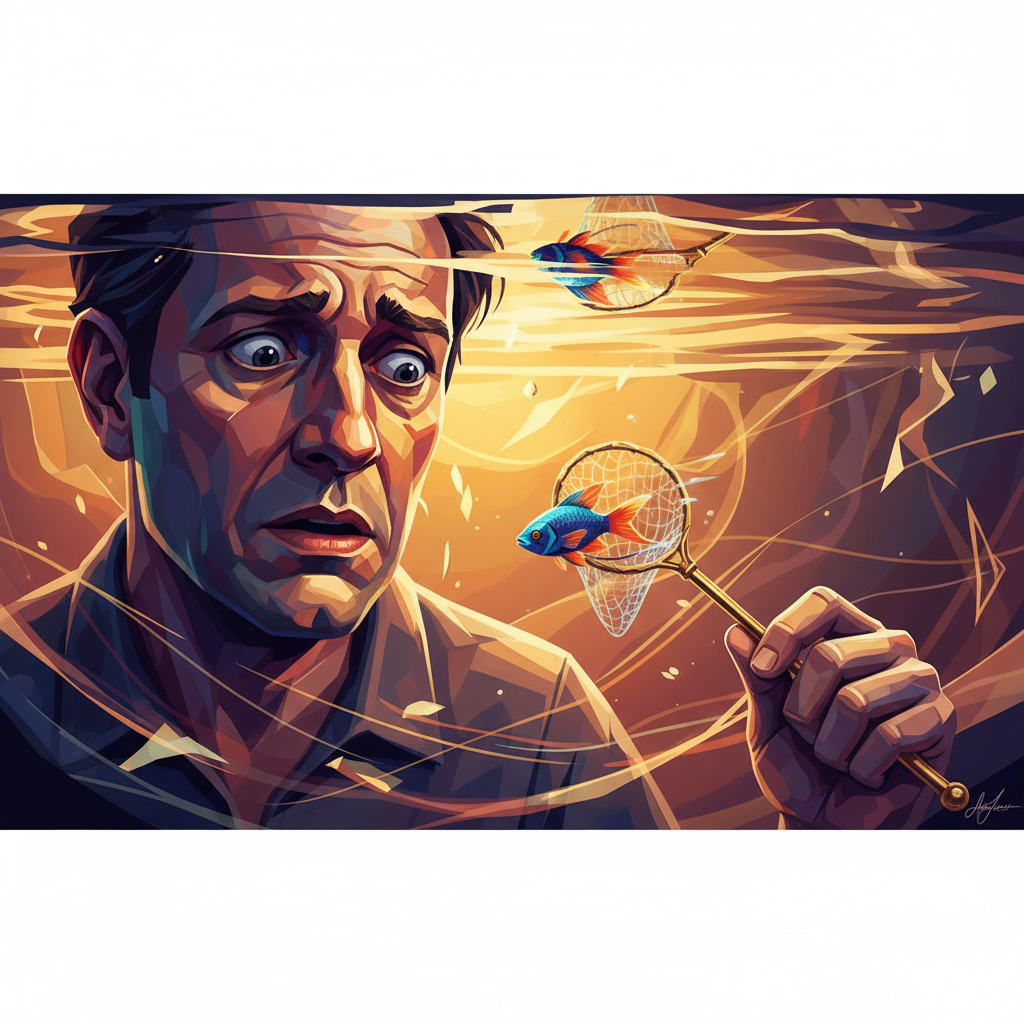
A few years ago, I experienced a frustrating outbreak of Ich, a common parasitic disease that causes white spots to appear on fish. I had treated Ich before, using over-the-counter medications, but this time the treatment seemed ineffective. The Ich kept coming back, despite my best efforts. I was baffled and frustrated.
That’s when I decided to take a step back and observe my fish more closely. I noticed that the fish that were most affected by Ich were also the most stressed and timid. They were constantly being chased and harassed by other fish, and they spent most of their time hiding in the corners of the tank. It dawned on me that the stress was weakening their immune systems, making them more susceptible to the parasite.
I realized that the problem wasn’t just the Ich itself, but also the underlying stress factors that were contributing to the outbreak. I decided to rehome some of the more aggressive fish to a different tank, creating a more peaceful and harmonious environment for the remaining fish. I also added more hiding places to provide the timid fish with a refuge from the other fish.
Within a few days, the Ich started to disappear. The fish became more active and confident, and their immune systems were able to fight off the parasite on their own. I still used medication as a precaution, but the real solution was addressing the underlying stress factors that were making the fish vulnerable in the first place. This experience taught me that treating the symptoms is not enough. You need to address the root cause of the problem.
The Case of the Finicky Eaters
Another challenge I faced was getting my fish to eat a varied diet. I was feeding them a high-quality flake food, but I knew that they needed more than just that to thrive. I tried offering them frozen foods, such as bloodworms and brine shrimp, but they would often refuse to eat them. They seemed to prefer the flake food, even though I knew it wasn’t the most nutritious option.
Again, I turned to observation. I noticed that the fish were more likely to eat the frozen foods when they were presented in a way that mimicked their natural feeding behaviors. For example, I started using a turkey baster to squirt the bloodworms into the water, creating a swirling motion that resembled the way they would find food in the wild. I also started offering the brine shrimp in small quantities, scattering them throughout the tank so that the fish had to actively hunt for them.
These simple changes made a huge difference. The fish became more interested in the frozen foods, and they started eating them with gusto. I also realized that the fish were more likely to eat the frozen foods when they were hungry. So I started reducing the amount of flake food I was feeding them, encouraging them to explore other food options. This experience taught me that you need to be creative and patient when it comes to feeding fish. You can’t just expect them to eat whatever you put in front of them. You need to understand their natural feeding behaviors and present food in a way that is appealing to them.
Practical Tips for Observing Fish Behavior
So, how can you start observing your own fish and learning their unique language? Here are a few practical tips that I’ve found helpful:
Set Aside Dedicated Observation Time
The first step is to make time for observation. Don’t just rush through your daily feeding or maintenance routine. Set aside at least 15-20 minutes each day to simply sit and watch your fish. Choose a time when you are relaxed and not distracted, and find a comfortable spot where you can observe the tank without disturbing the fish.
Use a Notebook and Pen
Keep a notebook and pen handy to record your observations. Write down anything that you find interesting or unusual, such as changes in coloration, feeding behaviors, or social interactions. The more detailed your notes, the more likely you are to spot patterns and trends that you might otherwise miss.
Learn About Your Fish Species
Do some research on the specific species of fish that you keep. Learn about their natural habitats, their social behaviors, and their dietary needs. This will give you a better understanding of what to look for when you are observing them. There are tons of resources available online and in libraries, so take advantage of them.
Be Patient and Persistent
Observing fish behavior is not a quick fix. It takes time and patience to learn their language and understand their individual quirks. Don’t get discouraged if you don’t see results immediately. Keep observing, keep learning, and eventually, you will start to see a difference in the health and happiness of your fish.

Consider a Camera
Sometimes, capturing a quick moment is difficult. You can set up a camera, even a simple webcam, to record your aquarium. This allows you to review the footage later and catch behaviors you might have missed in real-time. It’s particularly useful for nocturnal species or subtle interactions.
The Rewards of Empathetic Aquarism
Observing fish behavior has not only improved my aquarium care, but it has also deepened my appreciation for these fascinating creatures. I’ve learned that fish are not just decorative objects to be admired from afar. They are living, breathing beings with their own complex emotions, social structures, and communication methods. By taking the time to understand their needs and behaviors, we can create environments that allow them to thrive and express their natural instincts.
It’s also taught me a lot about empathy. Trying to understand the world from a fish’s perspective has made me a more compassionate and understanding person in general. It’s a reminder that all living things deserve respect and consideration, regardless of their size or perceived intelligence.
Ultimately, the greatest reward of observing fish behavior is the satisfaction of knowing that you are providing your fish with the best possible care. Seeing them thrive, express their natural behaviors, and live long, healthy lives is a truly rewarding experience. It’s a testament to the power of observation, empathy, and a willingness to learn.

So, I urge you to take the time to observe your own fish. You might be surprised at what you discover. You might even find that you develop a deeper connection with these amazing creatures and a greater appreciation for the wonders of the aquatic world. It’s a journey of continuous learning, and the rewards are well worth the effort. Who knows, maybe you’ll even win an aquarium contest or two along the way. But more importantly, you’ll be giving your fish the gift of a happy and healthy life, and that’s the greatest reward of all. I know my journey into understanding fish behavior is far from over, and I’m excited to continue learning and growing as an aquarist.
My name is Daniel Carter, I am 35 years old, and I live in the United States. I have been passionate about aquariums for many years, and what started as a simple hobby quickly became a lifelong interest in aquatic life, fish behavior, and responsible tank care.
Through TheBrightLance, I share real experiences, practical knowledge, and honest lessons learned from maintaining different types of aquariums. I enjoy testing equipment, studying fish behavior, improving maintenance routines, and helping beginners avoid common mistakes.
My goal is to make aquarism easier, more ethical, and more enjoyable for everyone — whether you are setting up your very first tank or looking to refine your techniques.