
The Silent Language of the Aquarium
I’ve always been fascinated by the underwater world. Ever since I was a kid, staring into the murky depths of my grandfather’s old fish tank, I’ve felt a pull towards the serene, alien environment of an aquarium. But it wasn’t until I really started paying attention – not just looking, but observing – that I began to understand the silent language spoken within those glass walls. We often think about providing the right water parameters, the correct food, and maybe a visually appealing aquascape, but truly understanding your fish requires a deeper connection. It’s about learning to “read” them.
For years, I treated fishkeeping like a checklist. Water changes? Check. Food? Check. Plants? Check. I had beautiful tanks, sure, but I wasn’t really *seeing* my fish. They were just decorations, living ornaments. It was only after a particularly devastating outbreak of ich that I realized how much I was missing. I’d lost a lot of fish, and the guilt was crushing. I knew then that I had to change my approach. I needed to learn to communicate with these creatures, to understand their needs beyond the basics.
The journey to understanding fish body language isn’t a quick one. It requires patience, dedication, and a willingness to admit that you don’t know everything. But trust me, the reward is worth it. Once you begin to decipher their subtle cues, you’ll not only become a better fishkeeper, but you’ll also develop a deeper appreciation for the complex lives of these often-overlooked animals. It’s about empathy, pure and simple.
Decoding the Signals: What Your Fish Are Trying to Tell You
So, how do you actually learn to read fish body language? It starts with observation. Spend time simply watching your fish. Don’t just glance at the tank on your way out the door. Dedicate 15-20 minutes each day to observing their behavior. Note their movements, their interactions with each other, and their reactions to changes in their environment.
Posture and Movement: A Window into Their Well-Being
A fish’s posture is often the first indicator of its health and emotional state. A healthy fish will generally swim with a smooth, confident gait. They’ll be active and curious, exploring their surroundings. But when something is wrong, their posture will often change.
- Clamped Fins: This is a classic sign of stress or illness. The fish will hold its fins close to its body, rather than extending them gracefully. This can indicate poor water quality, disease, or bullying from other fish. I remember one time my angelfish started clamping its fins. Initially, I dismissed it, thinking it was just having a bad day. But when I tested the water, I discovered a significant ammonia spike. A large water change and a dose of a water conditioner quickly resolved the issue, and the angelfish returned to its normal, majestic self.
- Erratic Swimming: Darting around the tank, flashing against objects, or struggling to maintain balance can all be signs of distress. This could indicate parasites, neurological issues, or exposure to toxins. I once had a school of rasboras that started exhibiting erratic swimming behavior. After ruling out common parasites, I realized that I had accidentally used a cleaning product near the tank that contained a harmful chemical. A series of water changes eventually cleared the issue, but it was a scary reminder of the importance of being careful with household chemicals around aquariums.
- Lethargy: A fish that spends most of its time hiding or sitting on the bottom of the tank is likely not feeling well. This could be a sign of illness, poor water quality, or intimidation from other fish. When my Corydoras catfish started exhibiting lethargy, I immediately suspected a bacterial infection. They were usually so active, sifting through the substrate for food. After quarantining them and treating them with antibiotics, they eventually made a full recovery.
- Headstanding or Tailstanding: This is when a fish hangs vertically in the water, either head up or tail up. This can be a sign of swim bladder issues, which can be caused by constipation, overfeeding, or bacterial infections. I once overfed my goldfish and one of them started headstanding. I fasted them for a couple of days and then switched to a higher-fiber diet, which resolved the issue.

Color Changes: The Tell-Tale Signs of Stress and Disease
Fish coloration can also provide valuable clues about their health and well-being. A healthy fish will typically display vibrant, consistent colors. But when they’re stressed or sick, their colors may fade or become patchy.
- Fading Colors: This is a common sign of stress, poor water quality, or malnutrition. I noticed my cardinal tetras losing their vibrant red stripes when I neglected my water changes for a couple of weeks. A series of water changes and a more balanced diet quickly restored their colors.
- Darkening Colors: In some species, darkening colors can indicate stress or illness. I had a betta fish that started turning almost black when he was being bullied by a larger tank mate. After I separated them, his colors returned to normal within a few days.
- Increased Redness: Red streaks or blotches on the body or fins can indicate a bacterial infection or ammonia poisoning. I once had a goldfish develop red streaks on its fins after a power outage caused the filter to stop working. A large water change and a dose of antibiotics cleared the infection.
- White Spots or Patches: These are often signs of parasitic infections, such as ich (white spot disease) or fungal infections. I remember the ich outbreak I mentioned earlier – it started with just a few tiny white spots on my tetras, but it quickly spread throughout the entire tank. Early detection and treatment are crucial for preventing widespread losses.
It’s important to know the natural color variations for your particular species. Some fish naturally change color depending on their mood or breeding status. Researching your fish’s specific needs and behaviors is crucial for accurately interpreting their color changes.
Social Interactions: Understanding the Dynamics of Your Fish Community
Observing how your fish interact with each other can provide valuable insights into their social dynamics and overall well-being. Are they peaceful and cooperative, or are there signs of aggression and bullying?
- Chasing and Nipping: This can be a normal part of establishing dominance in some species, but excessive chasing and nipping can lead to stress and injury. When I introduced a new angelfish to my tank, there was some initial chasing and fin nipping as they established their pecking order. However, when the chasing became relentless and the new angelfish started hiding, I knew I had to intervene. I re-arranged the decorations to break up sightlines and provide more hiding places, which helped to reduce the aggression.
- Hiding: A fish that spends most of its time hiding is likely being bullied or is feeling stressed. I had a small school of kuhli loaches that were constantly hiding. It turned out that my larger, more boisterous fish were intimidating them. After I moved the kuhli loaches to a separate, more peaceful tank, they became much more active and outgoing.
- Fin Flicking: Rapid flicking of the fins can indicate irritation, often caused by parasites or poor water quality. I noticed my gourami flicking its fins against the decorations when my water parameters were off. A water change and a dose of a water conditioner quickly resolved the issue.
- Schooling Behavior: Fish that naturally school together should stay close to each other. If they start to scatter or swim erratically, it could be a sign of stress or illness. When my neon tetras started scattering and hiding, I immediately suspected a problem. It turned out that my heater had malfunctioned and the water temperature had dropped significantly. After I replaced the heater and stabilized the temperature, they returned to their normal schooling behavior.
Understanding the social dynamics of your fish community is essential for creating a harmonious and healthy environment. Be prepared to intervene if you see signs of excessive aggression or bullying.
Beyond the Obvious: Subtle Cues and Advanced Observation
Once you’ve mastered the basics of fish body language, you can start to pay attention to more subtle cues. These nuanced behaviors can provide even deeper insights into your fish’s well-being and allow you to anticipate potential problems before they become serious.
Breathing Patterns: A Sign of Respiratory Distress
Pay attention to how your fish are breathing. Are they breathing rapidly, gasping at the surface, or struggling to breathe? These can all be signs of respiratory distress, which can be caused by poor water quality, low oxygen levels, or gill parasites.
- Gasping at the Surface: This is a classic sign of low oxygen levels in the water. I remember one summer when the temperature in my apartment soared, my fish started gasping at the surface. I quickly added an air stone to increase oxygenation and the fish immediately improved.
- Rapid Gill Movement: This can indicate irritation of the gills, often caused by ammonia or nitrite poisoning. When my water parameters were off, my fish started exhibiting rapid gill movement. A water change and a dose of a water conditioner quickly resolved the issue.
- Labored Breathing: This can be a sign of gill parasites or bacterial infections. I once had a fish develop labored breathing and clamped fins. After examining its gills under a microscope, I discovered gill flukes. Treatment with an appropriate medication quickly resolved the infection.

Appetite and Feeding Behavior: A Reflection of Health
A healthy fish will typically have a good appetite and will eagerly consume food. Changes in appetite or feeding behavior can be early warning signs of illness or stress.
- Loss of Appetite: This is a common sign of illness, stress, or poor water quality. When my fish stopped eating, I immediately suspected a problem. After testing the water, I discovered a high level of nitrates. A water change and a reduction in feeding quickly restored their appetite.
- Spitting Out Food: This can indicate mouth rot or other oral infections. I once had a fish develop mouth rot and started spitting out its food. Treatment with antibiotics quickly resolved the infection.
- Reluctance to Feed: This can be a sign of bullying from other fish or stress from a recent tank change. When I introduced new fish to my tank, some of the existing fish became reluctant to feed. After a few days, they adjusted to the new arrivals and their appetite returned to normal.
It’s important to observe your fish during feeding time to ensure that everyone is getting enough to eat and that there are no signs of aggression or bullying.
Substrate Interaction: Clues from the Bottom of the Tank
The way your fish interact with the substrate can also provide valuable information. Are they actively sifting through the substrate for food, or are they avoiding it altogether?
- Excessive Digging: This can be a sign of boredom or a lack of enrichment. I noticed my Corydoras catfish digging excessively when they didn’t have enough hiding places. Adding more plants and decorations provided them with more stimulation and reduced the digging.
- Avoiding the Substrate: This can be a sign of irritation from sharp or abrasive substrate. I once had a fish develop sores on its belly from rubbing against a rough substrate. After I replaced the substrate with a smoother variety, the sores healed quickly.
- Hiding Under the Substrate: This can be a sign of stress or intimidation from other fish. I had a small fish that was constantly hiding under the substrate. It turned out that it was being bullied by a larger, more aggressive fish. After I separated them, the smaller fish became much more active and outgoing.
Choosing the right substrate for your fish is important for their overall well-being. Consider their natural behaviors and preferences when selecting a substrate.
Creating a Stress-Free Environment: The Foundation of Happy Fish
Ultimately, the best way to understand fish body language is to create a stress-free environment where they can thrive. This means providing them with the right water parameters, a balanced diet, plenty of hiding places, and compatible tank mates. A happy fish is a healthy fish, and a healthy fish will exhibit natural and predictable behaviors.
Water Quality: The Cornerstone of Fish Health
Maintaining good water quality is essential for the health and well-being of your fish. Regularly test your water parameters and perform water changes as needed. Avoid sudden changes in water temperature or pH, as these can stress your fish.
Diet and Nutrition: Fueling Their Vitality
Provide your fish with a balanced diet that meets their specific nutritional needs. Offer a variety of foods, including flakes, pellets, frozen foods, and live foods. Avoid overfeeding, as this can lead to obesity and other health problems.
Aquascaping and Enrichment: Providing a Sense of Security
Create an aquascape that provides your fish with plenty of hiding places and opportunities for exploration. Use plants, rocks, and driftwood to create a natural and stimulating environment. Avoid overcrowding the tank, as this can lead to stress and aggression.

Tank Mates: Choosing the Right Companions
Carefully consider the compatibility of your fish before adding them to your tank. Research their natural behaviors and social needs. Avoid mixing species that are known to be aggressive or territorial. I once made the mistake of adding a cichlid to a community tank, and it quickly terrorized the other fish. I learned my lesson the hard way – always do your research before adding new fish to your tank.
My Personal Journey: Lessons Learned from the Depths
Learning to read fish body language has been a transformative experience for me. It’s not just about keeping fish alive; it’s about understanding their needs and providing them with the best possible quality of life. It’s about connecting with these creatures on a deeper level and appreciating their unique beauty and complexity.
I’ve made plenty of mistakes along the way. I’ve lost fish to disease, poor water quality, and aggression. But each mistake has been a valuable learning experience. I’ve learned to be more observant, more patient, and more empathetic. I’ve learned that fishkeeping is not just a hobby; it’s a responsibility. It’s a commitment to providing these animals with a safe, healthy, and stimulating environment.
I remember one particular incident where I noticed one of my rummy-nose tetras was constantly hovering near the surface, its nose pointed upwards. I initially dismissed it as a minor issue, but after a few days, I realized that it was struggling to breathe. I tested the water and discovered a high level of ammonia. A large water change and a dose of a water conditioner quickly resolved the issue, and the tetra recovered fully. That experience taught me the importance of paying attention to even the most subtle cues and acting quickly when something is wrong.
Continuing the Learning Process: Resources and Further Exploration
The journey to understanding fish body language is a lifelong pursuit. There’s always more to learn, more to discover. Don’t be afraid to ask questions, seek advice from experienced fishkeepers, and continue to expand your knowledge. The internet is a great resource for information, but be sure to vet your sources carefully. Look for reputable websites and forums that are dedicated to fishkeeping. Joining a local aquarium club can also be a great way to connect with other enthusiasts and learn from their experiences.
Consider keeping a journal of your observations. Note any changes in your fish’s behavior, coloration, or appetite. This will help you to track their health and identify potential problems early on. Take pictures and videos of your fish to document their progress and share your observations with others. The more you learn, the better equipped you’ll be to provide your fish with the care they deserve.

I hope this guide has inspired you to take a closer look at your fish and to learn to read their silent language. It’s a journey that will not only make you a better fishkeeper but will also enrich your appreciation for the wonders of the underwater world. Remember to be patient, observant, and empathetic. Your fish will thank you for it, and you’ll be rewarded with a thriving and harmonious aquarium.
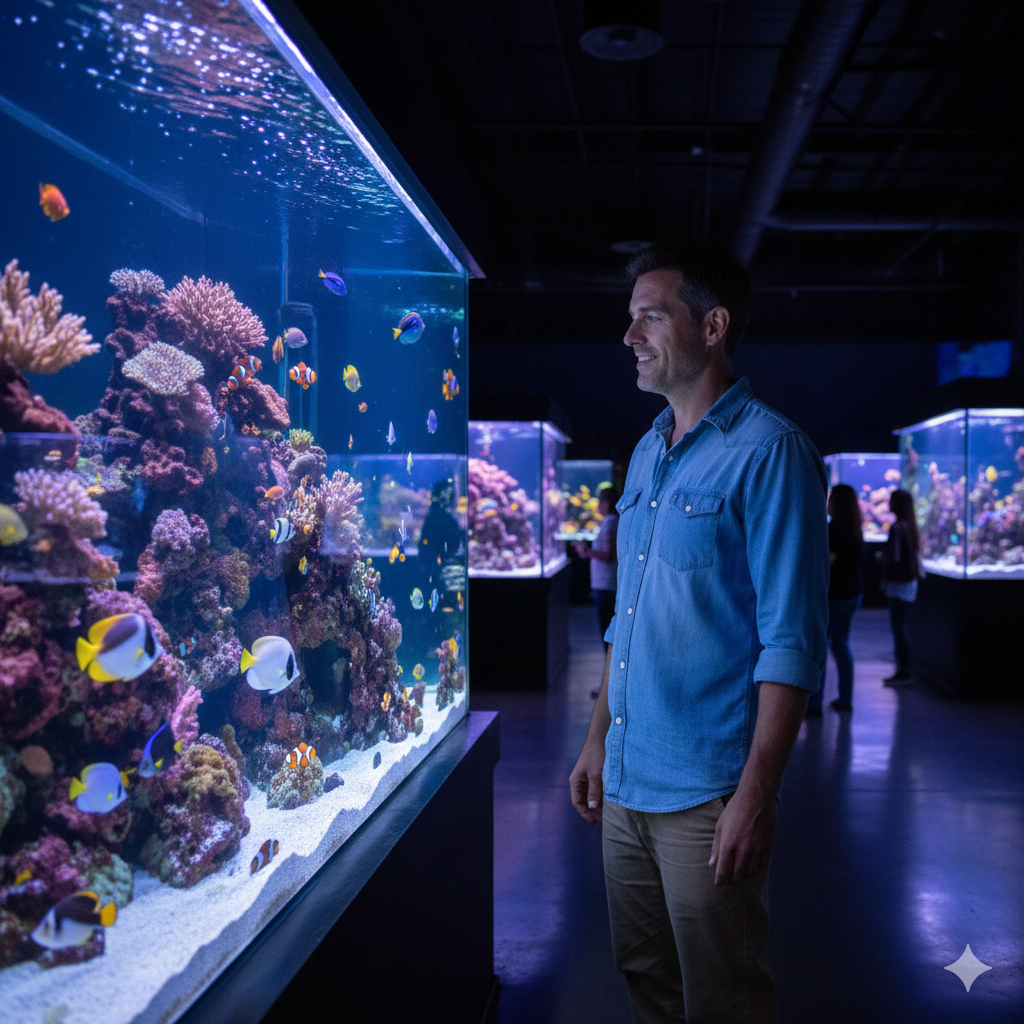
My name is Daniel Carter, I am 35 years old, and I live in the United States. I have been passionate about aquariums for many years, and what started as a simple hobby quickly became a lifelong interest in aquatic life, fish behavior, and responsible tank care.
Through TheBrightLance, I share real experiences, practical knowledge, and honest lessons learned from maintaining different types of aquariums. I enjoy testing equipment, studying fish behavior, improving maintenance routines, and helping beginners avoid common mistakes.
My goal is to make aquarism easier, more ethical, and more enjoyable for everyone — whether you are setting up your very first tank or looking to refine your techniques.