
My Decade Deep Dive: Lessons Learned From Fishkeeping
For over a decade now, my life has been intertwined with the silent, mesmerizing world of aquariums. It started, like many journeys, with a simple goldfish in a bowl – a prize from a local fair. That little comet goldfish, christened “Finny” (original, I know!), sparked a curiosity that has grown into a full-blown passion. But more than just a hobby, keeping fish has been a profound learning experience, a constant teacher about life, responsibility, and the delicate balance of nature.
Living here in Orlando, Florida, it’s easy to get caught up in the theme park frenzy. But I’ve found solace and a unique kind of excitement in creating miniature ecosystems within the confines of my home. I’ve made mistakes, celebrated successes, and learned invaluable lessons about fish species along the way. This isn’t just about colorful decorations and bubble stones; it’s about understanding the needs of living creatures and creating an environment where they can truly thrive.
The School of Hard Knocks: Early Missteps and Discoveries
Oh, the things I wish I knew back then! My first few years of fishkeeping were a comedy of errors, a testament to my ignorance and impatience. I remember overcrowding my first “real” aquarium – a 10-gallon tank – with a mishmash of neon tetras, guppies, and a poor, stressed-out betta. I thought, “More fish equals more fun!” I quickly learned that more fish equals more problems – and dead fish.
Ammonia spikes, nitrite poisoning, and mysterious illnesses became my unwelcome companions. I was constantly battling algae blooms and cloudy water. I’d perform water changes religiously, only to see the tank crash again a few days later. It was frustrating, disheartening, and, frankly, expensive. Looking back, I realize I was treating the symptoms, not the underlying causes.
It was through those early failures that I began to truly research the specific needs of each fish species. I discovered that neon tetras prefer soft, acidic water, while guppies thrive in slightly harder, alkaline conditions. The betta, a solitary creature, was constantly harassed by the boisterous guppies. I learned about the nitrogen cycle, the importance of beneficial bacteria, and the crucial role of proper filtration.
The Betta Revelation: Understanding Species-Specific Needs
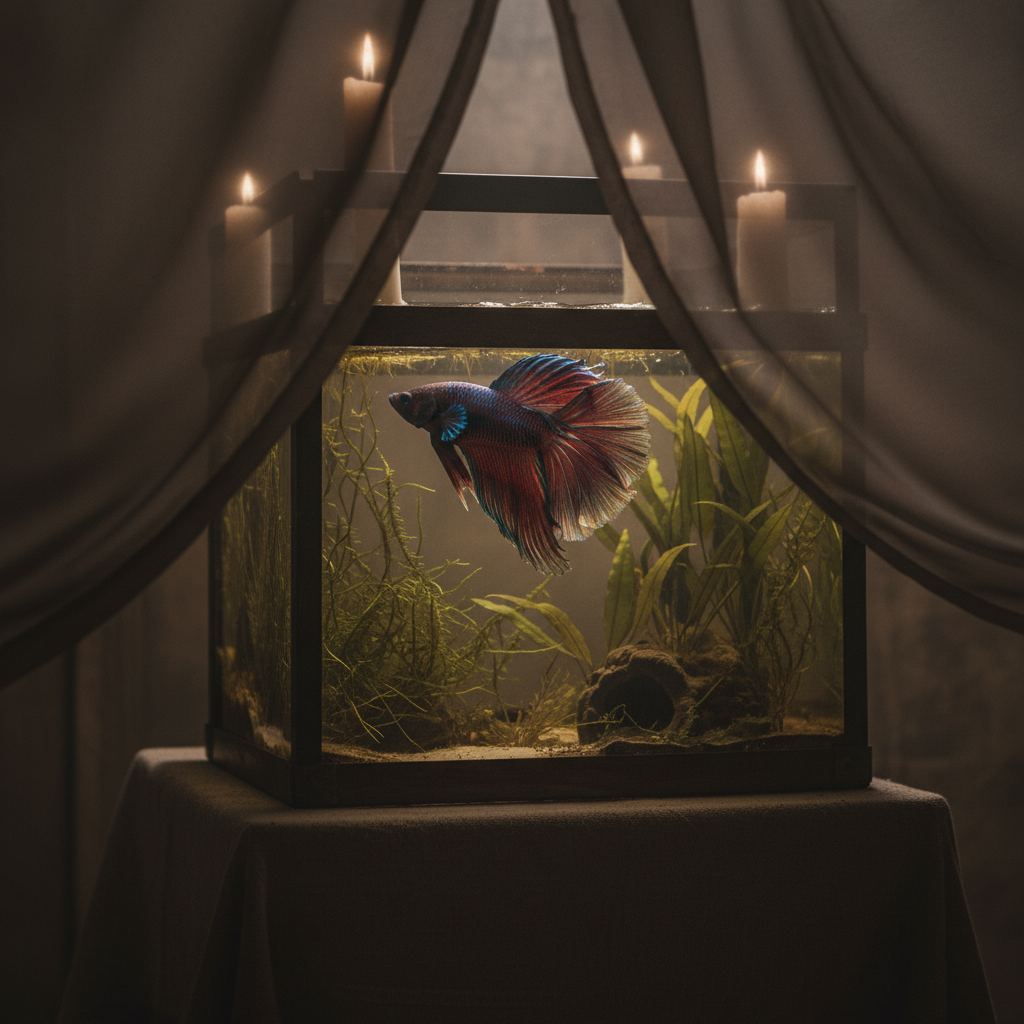
The betta, in particular, taught me a valuable lesson. I had always perceived them as hardy, low-maintenance fish, content to live in small bowls. But watching my betta struggle in that overcrowded tank opened my eyes to their true nature. I learned that they need space to explore, hiding places to retreat to, and clean, warm water to thrive. I eventually moved him to a separate, heavily planted 5-gallon tank, and the transformation was remarkable. His colors deepened, his fins became more vibrant, and his overall demeanor shifted from stressed to relaxed.
This experience was a turning point. I realized that successful fishkeeping isn’t just about aesthetics; it’s about understanding the unique needs of each species and providing them with an environment that mimics their natural habitat as closely as possible. It’s about respecting their inherent behaviors and creating a community where they can coexist peacefully.
The Labyrinth of Livebearers: Guppies, Mollies, and Population Explosions
Ah, livebearers. Those seemingly innocent, perpetually pregnant fish. Guppies and mollies were among the first fish I successfully kept alive, and I was initially thrilled by their constant breeding. Tiny fry darting around the tank seemed like a sign of my burgeoning fishkeeping skills. But I quickly learned that unchecked breeding can lead to serious problems.
Overpopulation, increased competition for resources, and declining water quality became the norm. I was constantly scooping out baby fish and trying to find homes for them. I tried everything – adding more plants for the fry to hide in (which only worked partially), separating the males and females (which felt cruel), and even, I shamefully admit, neglecting water changes in the hopes that the fry wouldn’t survive (a strategy that backfired spectacularly).
Eventually, I learned to manage the population through a combination of methods. I introduced a natural predator – a few neon tetras – who helped to control the fry population. I also started being more proactive in removing excess fry and finding them new homes with local fish stores and fellow hobbyists. But the biggest lesson I learned was to be more mindful about the species I introduced into my aquarium. Not every fish is compatible with every environment, and some, like livebearers, require a significant commitment to population management.
The Mystery of the Missing Fry: Understanding Predation and Tank Mates
One particular batch of guppy fry mysteriously disappeared overnight. I suspected a rogue snail or maybe even a particularly aggressive shrimp. But after observing the tank closely for several days, I discovered the culprit: my seemingly docile Corydoras catfish. While generally peaceful scavengers, they had developed a taste for guppy fry, actively hunting them down under the cover of darkness. This experience highlighted the importance of understanding the predatory behavior of even seemingly harmless fish. It also taught me to be more cautious about introducing new species into an established aquarium, especially if there’s a significant size or behavioral difference.
Beyond the Basics: Exploring Specialized Species and Habitats
As my knowledge and confidence grew, I began to venture beyond the common beginner fish. I delved into the world of South American cichlids, African dwarf frogs, and even attempted a brackish water setup with a few hardy mollies. Each new species presented its own unique challenges and rewards.
Keeping South American cichlids, for example, taught me about the importance of water chemistry. These fish are particularly sensitive to fluctuations in pH and hardness, and maintaining stable water parameters is crucial for their health and well-being. I invested in a reliable water testing kit and learned to adjust the water chemistry using peat moss and other natural methods. The reward for my efforts was the stunning beauty and fascinating behaviors of these intelligent and territorial fish.
The Allure of the Amazon: Creating a Biotope Aquarium
Inspired by my experiences with South American cichlids, I decided to create a biotope aquarium – an aquarium designed to replicate the natural habitat of a specific region. I chose the Amazon River basin as my inspiration, stocking the tank with blackwater-adapted fish like cardinal tetras, pencil fish, and a small group of Apistogramma cichlids. I decorated the tank with driftwood, leaf litter, and Amazonian plants, creating a dark, tannin-rich environment that mimicked the natural conditions of the Amazon rainforest.
This project was incredibly rewarding. Not only did it provide a beautiful and unique display, but it also deepened my understanding of the complex ecological relationships that exist in the Amazon River. I learned about the role of tannins in softening the water and inhibiting the growth of algae, the importance of leaf litter in providing shelter and food for small invertebrates, and the intricate social behaviors of the Apistogramma cichlids. It was a true immersion into the world of the Amazon, right in my own living room.
The Importance of Planted Tanks: A Natural Approach to Filtration
For years, I relied on traditional filtration methods – hang-on-back filters, canister filters, and the occasional under-gravel filter. While these methods were effective at removing particulate matter and maintaining water clarity, they didn’t address the underlying causes of many common aquarium problems, such as algae blooms and nutrient imbalances.
It wasn’t until I started experimenting with planted tanks that I truly understood the power of natural filtration. Live plants not only provide oxygen and remove carbon dioxide from the water, but they also absorb excess nutrients like nitrates and phosphates, preventing algae growth and improving water quality. A well-planted tank can act as a self-regulating ecosystem, requiring less maintenance and providing a more natural and healthy environment for fish.
The Walstad Method: A Low-Tech Approach to Planted Tanks
I was particularly intrigued by the Walstad method, a low-tech approach to planted tanks that relies on a soil substrate and a balance of plants and fish to create a self-sustaining ecosystem. The Walstad method eliminates the need for expensive equipment like CO2 injectors and powerful lighting, making it an accessible option for beginners. I set up a small Walstad tank with a layer of organic potting soil capped with gravel, planted it with a variety of low-light plants like Java fern, Anubias, and Cryptocoryne, and stocked it with a few small fish like ember tetras and pygmy Corydoras.
The results were remarkable. The plants grew vigorously, the water remained crystal clear, and the fish thrived. I was amazed by the resilience and self-sufficiency of this simple ecosystem. The Walstad method taught me that sometimes, the best approach is the most natural approach. By harnessing the power of plants and beneficial bacteria, I was able to create a thriving aquarium with minimal intervention.
The Ethical Considerations of Fishkeeping: Responsibility and Sustainability
As my passion for fishkeeping grew, so did my awareness of the ethical considerations involved. I began to question the source of my fish, the methods used to collect them, and the impact of the aquarium trade on wild populations. I realized that responsible fishkeeping goes beyond simply providing a healthy environment for my own fish; it also involves supporting sustainable practices and minimizing my impact on the natural world.
I started researching the origins of the fish I purchased, favoring those that were bred in captivity or sourced from sustainable fisheries. I avoided purchasing wild-caught fish, especially those that were known to be endangered or threatened. I also became more mindful of the environmental impact of my aquarium, using eco-friendly products, reducing water waste, and properly disposing of aquarium waste.
Supporting Sustainable Practices: Choosing Captive-Bred Fish
One of the most important things I learned was the importance of supporting captive-bred fish. Captive breeding not only reduces the pressure on wild populations but also produces fish that are better adapted to aquarium life, more resistant to disease, and less likely to exhibit aggressive behaviors. I made a conscious effort to purchase captive-bred fish whenever possible, supporting local breeders and responsible suppliers. It’s a small change, but collectively, it can make a big difference in the long-term sustainability of the aquarium hobby.
The Joy of Sharing Knowledge: Helping Others Discover the Wonders of Aquariums
After years of trial and error, I’ve finally reached a point where I feel confident in my ability to create and maintain thriving aquariums. But the most rewarding aspect of my journey has been the opportunity to share my knowledge and passion with others. I’ve mentored beginners, answered countless questions online, and even given a few presentations at local aquarium clubs.
Seeing the look of wonder on someone’s face when they witness the beauty of a well-maintained aquarium, knowing that I’ve helped them avoid some of the mistakes I made along the way, is an incredibly fulfilling experience. It’s a reminder that fishkeeping isn’t just a hobby; it’s a community, a shared passion for the natural world, and a commitment to responsible stewardship.
The Power of Community: Connecting with Fellow Fishkeepers
Joining local aquarium clubs and online forums has been instrumental in my fishkeeping journey. Connecting with other hobbyists has provided me with a wealth of knowledge, support, and encouragement. I’ve learned countless tips and tricks from experienced fishkeepers, discovered new species and techniques, and made lifelong friends. The aquarium community is a generous and welcoming group, always willing to share their expertise and passion. It’s a reminder that we’re all in this together, working towards a common goal: to create beautiful and healthy aquariums that bring joy and wonder to our lives.
The Everlasting Learning Curve: The Future of My Aquatic Adventures
Even after a decade of fishkeeping, I still feel like I’m just scratching the surface of what there is to learn. The world of aquariums is constantly evolving, with new species being discovered, new techniques being developed, and new challenges arising. I’m excited to continue exploring this fascinating world, experimenting with new setups, and sharing my knowledge with others.
My next project is to create a paludarium – a semi-aquatic environment that combines an aquarium with a terrestrial section. I’m envisioning a lush rainforest environment with waterfalls, bromeliads, and a variety of amphibians and invertebrates. It’s a challenging project, but I’m confident that with patience, research, and a little bit of luck, I can create a truly stunning and unique display.
Ultimately, fishkeeping is more than just a hobby for me. It’s a way of connecting with nature, a constant source of learning and inspiration, and a reminder of the delicate balance that exists in the world around us. It’s a journey that I’m grateful to be on, and one that I hope to continue for many years to come. It’s about the quiet moments of observation, the satisfaction of creating a thriving ecosystem, and the profound connection I feel with these amazing creatures. And as I continue to learn and grow as a fishkeeper, I hope to inspire others to discover the wonders of the aquatic world and to become responsible stewards of our planet.
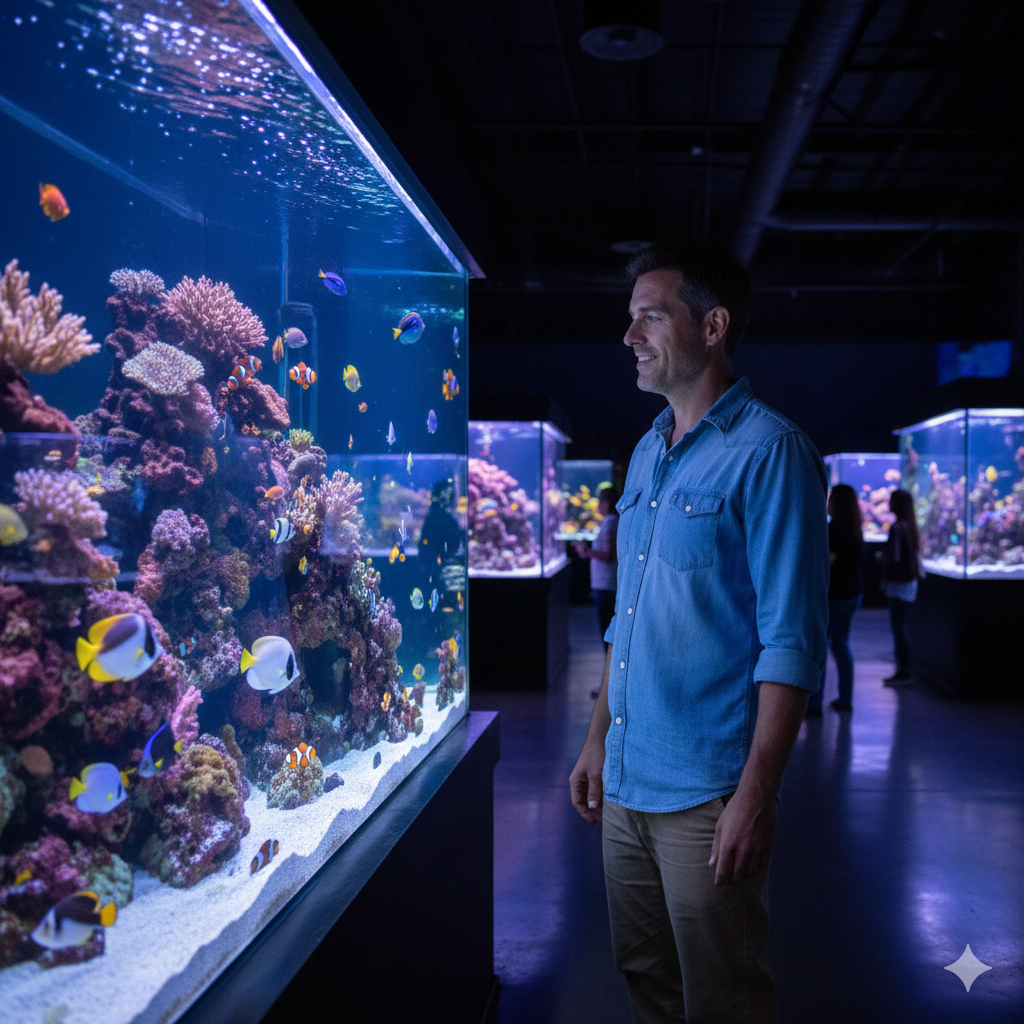
My name is Daniel Carter, I am 35 years old, and I live in the United States. I have been passionate about aquariums for many years, and what started as a simple hobby quickly became a lifelong interest in aquatic life, fish behavior, and responsible tank care.
Through TheBrightLance, I share real experiences, practical knowledge, and honest lessons learned from maintaining different types of aquariums. I enjoy testing equipment, studying fish behavior, improving maintenance routines, and helping beginners avoid common mistakes.
My goal is to make aquarism easier, more ethical, and more enjoyable for everyone — whether you are setting up your very first tank or looking to refine your techniques.