
Understanding Fish Behavior: A Personal Journey
Hey everyone, Lucas here. I’ve been keeping fish for over a decade now, and if there’s one thing I’ve learned, it’s that understanding how different fish species react to their environment is absolutely crucial for success in this hobby. It’s not just about throwing some colorful fish into a tank and hoping for the best. It’s about creating an ecosystem where they can thrive. I remember when I first started, I lost so many fish because I didn’t understand their basic needs and behaviors. Let me tell you, it was a frustrating and heartbreaking experience. But those early failures taught me invaluable lessons that I want to share with you today.
Think of your aquarium as a miniature world. Every species has its own set of needs, preferences, and behaviors. Some fish are peaceful and social, while others are territorial and aggressive. Some prefer warm water, while others need cooler temperatures. Some thrive in heavily planted tanks, while others prefer open swimming spaces. Ignoring these differences is a recipe for disaster. Incompatible tank mates can lead to stress, disease, and even death. Poor water quality can weaken their immune systems and make them susceptible to infections. And a lack of proper hiding places can cause constant stress and anxiety.
The Importance of Observation
One of the most important things you can do as a fish keeper is to observe your fish regularly. Pay attention to their behavior, their appearance, and their interactions with other fish. Are they eating properly? Are they swimming actively? Are they showing any signs of stress or disease? The sooner you detect a problem, the sooner you can take action to correct it. For example, I once noticed that my neon tetras were constantly hiding in the corners of the tank. After some research, I realized that they were stressed because the lighting was too bright. I added some floating plants to diffuse the light, and they immediately became more active and confident. This simple observation made a huge difference in their well-being.
Another time, I noticed that one of my guppies had clamped fins and was isolating itself from the other fish. I immediately quarantined it in a separate tank and treated it for a bacterial infection. Fortunately, I caught the problem early enough, and the guppy made a full recovery. Without close observation, I might have missed the early signs of the infection, and the guppy could have died.
Understanding Key Environmental Factors
Let’s dive into some of the key environmental factors that influence fish behavior and well-being.
Water Quality
This is the foundation of a healthy aquarium. Fish release waste products into the water, which can build up over time and become toxic. Ammonia, nitrite, and nitrate are the main culprits. High levels of these substances can stress fish, damage their gills, and weaken their immune systems. Regular water changes are essential to remove these toxins and maintain a healthy environment. I personally aim for a 25% water change every week in my community tank. Testing your water regularly with a test kit is also a good idea, so you can monitor the levels of ammonia, nitrite, and nitrate. The ideal parameters will vary depending on the species you keep, so research their specific needs.
I remember an instance where I neglected my water changes for a couple of weeks due to a busy work schedule. When I finally got around to testing the water, the nitrate levels were through the roof! My fish were noticeably lethargic and had lost some of their color. I immediately performed a large water change and added some beneficial bacteria to the tank to help restore the biological balance. It took a few days, but my fish eventually recovered. That experience taught me a valuable lesson about the importance of consistent water changes.
Temperature
Each fish species has a preferred temperature range. Keeping your aquarium within this range is crucial for their health and well-being. Too cold, and they can become sluggish and susceptible to disease. Too hot, and their metabolism can speed up, leading to increased stress and oxygen depletion. A reliable aquarium heater and thermometer are essential tools. Monitor the temperature regularly and adjust the heater as needed to maintain a stable environment. For example, discus fish require warmer temperatures (82-88°F) than goldfish (68-74°F). Keeping discus at goldfish temperatures, or vice versa, will lead to health problems.

Lighting
Lighting affects fish behavior in several ways. It influences their circadian rhythm, their coloration, and their plant growth (if you have live plants). Some fish prefer bright lighting, while others prefer subdued lighting. Providing the appropriate lighting can help your fish feel more comfortable and secure. For example, many nocturnal fish species, such as loaches and catfish, prefer dim lighting and plenty of hiding places. Bright light can stress them and make them hide all day. On the other hand, some fish, like rainbowfish, display their best colors under bright lighting.
I’ve experimented with different lighting setups in my tanks over the years. I found that using a full-spectrum LED light with adjustable intensity is the best option for most community tanks. It allows me to customize the lighting to suit the needs of my fish and plants. I also use a timer to automatically turn the lights on and off at the same time each day. This helps maintain a consistent day-night cycle, which is important for fish health.
Tank Size and Aquascaping
The size of your aquarium is a critical factor in determining which fish species you can keep. Overcrowding can lead to stress, aggression, and poor water quality. Make sure you choose a tank that is large enough to accommodate the adult size of your fish. Also, consider the aquascaping of your tank. Providing plenty of hiding places, such as rocks, driftwood, and plants, can help your fish feel more secure and reduce stress. The arrangement of these elements also influences the flow of water and distribution of nutrients, impacting the overall ecosystem.
I made the mistake of starting with a small tank when I first got into the hobby. I quickly realized that it was too small for the number of fish I wanted to keep. I upgraded to a larger tank, and my fish immediately seemed happier and more active. They had more room to swim, and there were fewer conflicts over territory. I also added more plants and hiding places, which further improved their well-being.
Specific Fish Species and Their Reactions
Now, let’s take a look at how some specific fish species react to their environment. This isn’t an exhaustive list, but it should give you a good starting point.
Tetras (Neon, Cardinal, Ember)
Tetras are schooling fish that thrive in groups. They feel more secure and confident when they are kept in schools of at least six individuals. They prefer soft, slightly acidic water and subdued lighting. A heavily planted tank with plenty of hiding places is ideal. If kept in too small of a group or in a stressful environment, they can become shy and develop diseases more easily.
I’ve always loved tetras. Their vibrant colors and peaceful nature make them a great addition to any community tank. I’ve found that they do best when kept with other peaceful species that are similar in size and temperament. Avoid keeping them with aggressive fish that may bully them.
Guppies
Guppies are hardy and adaptable fish that can tolerate a wide range of water conditions. However, they prefer slightly alkaline water and a temperature of around 72-78°F. They are active swimmers and enjoy a tank with plenty of open space. Male guppies can be aggressive towards each other, so it’s best to keep them with more females than males. They are also prolific breeders, so be prepared for a population explosion if you keep both males and females.
Guppies are a great choice for beginners because they are relatively easy to care for. However, it’s important to provide them with a healthy diet and clean water to prevent diseases. I feed my guppies a variety of foods, including flakes, pellets, and live foods. I also perform regular water changes to keep the water quality high.
Betta Fish (Siamese Fighting Fish)
Betta fish are known for their vibrant colors and elaborate fins. However, they are also territorial and aggressive, especially towards other male bettas. It’s best to keep male bettas in separate tanks. Female bettas can be kept together in groups, but it’s important to provide them with plenty of space and hiding places to avoid aggression. Bettas prefer warm water (78-82°F) and a tank with plenty of plants and hiding places. They are also labyrinth fish, which means they can breathe air from the surface of the water. This allows them to survive in environments with low oxygen levels.
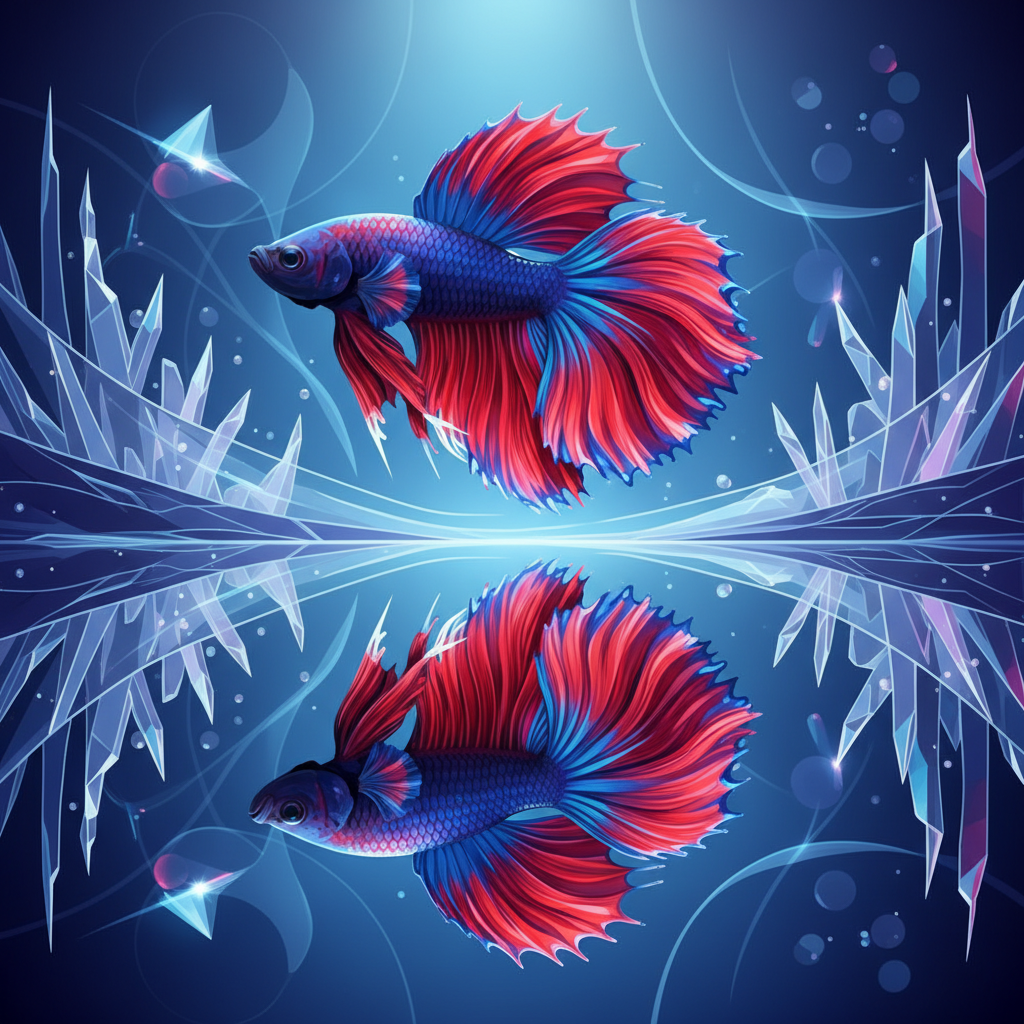
Bettas are beautiful and fascinating fish, but they require special care. It’s important to provide them with a suitable environment and avoid keeping them with incompatible tank mates. I’ve seen many bettas kept in small bowls or vases, which is not an appropriate environment for them. They need a larger tank with a filter, heater, and plenty of enrichment.
Corydoras Catfish
Corydoras catfish are peaceful and social fish that are often kept as scavengers in community tanks. They are bottom dwellers and spend most of their time searching for food on the substrate. They prefer soft, slightly acidic water and a tank with a sandy substrate. They are also schooling fish and should be kept in groups of at least six individuals.
Corydoras are great additions to any community tank. They help keep the bottom clean by eating uneaten food and algae. They are also very peaceful and get along well with other fish. I’ve found that they do best when kept with other peaceful species that are similar in size and temperament.
Goldfish
Goldfish are often considered beginner fish, but they actually require more care than many people realize. They are messy eaters and produce a lot of waste, so they need a large tank with a powerful filter. They also prefer cooler temperatures (68-74°F) than most tropical fish. There are many different varieties of goldfish, each with its own unique characteristics. Some varieties, such as fancy goldfish, are more delicate than others.
I’ve kept goldfish in the past, and I learned that it’s important to provide them with a spacious tank and a good filtration system. They also need regular water changes to keep the water quality high. Avoid keeping goldfish with tropical fish that require warmer temperatures, as this can stress them.
Creating a Harmonious Aquarium Environment
So, how do you create a harmonious aquarium environment where different fish species can thrive? Here are a few key tips:
Research Your Fish
Before you buy any fish, do your research. Learn about their specific needs, their temperament, and their compatibility with other fish. This will help you avoid making mistakes that could harm your fish.
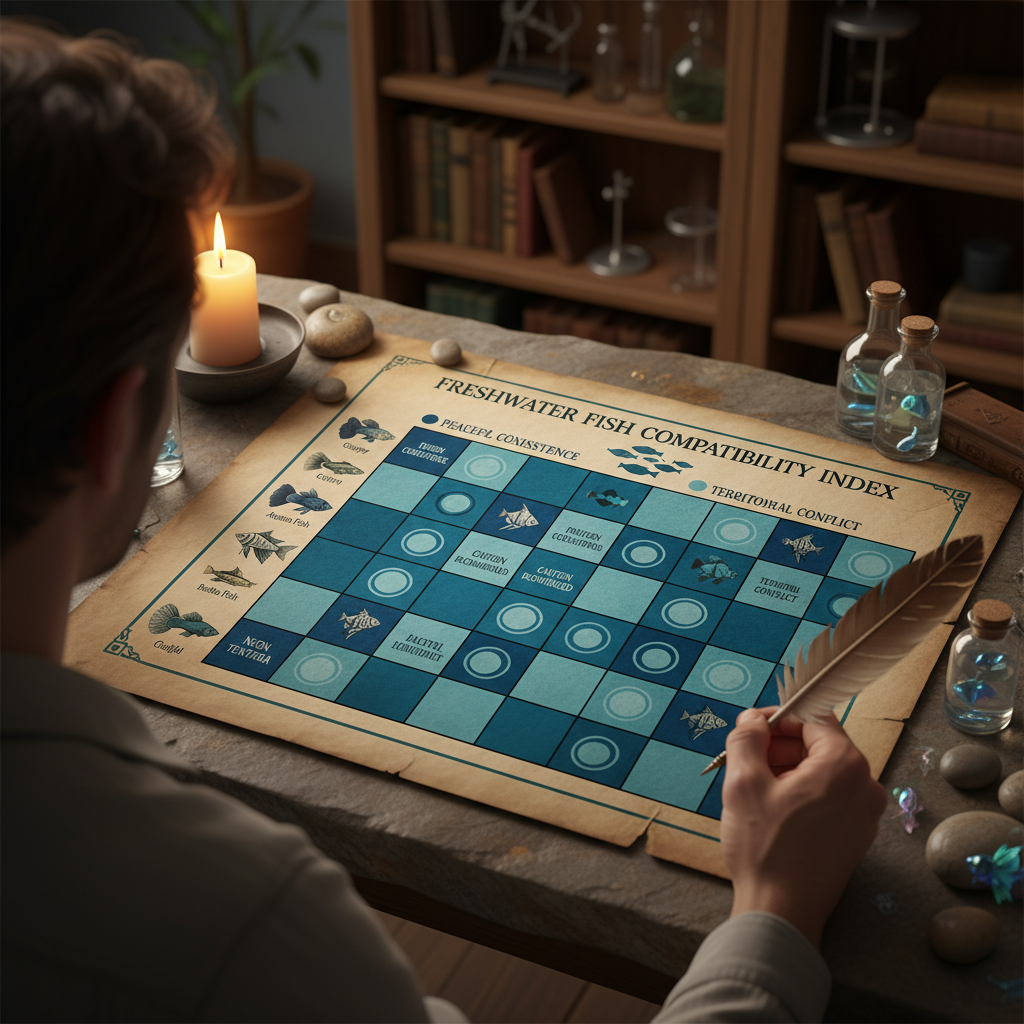
Choose Compatible Tank Mates
Not all fish species get along well together. Some fish are aggressive and will bully other fish. Some fish are fin nippers and will damage the fins of other fish. Some fish are too large and will eat smaller fish. Choose tank mates that are compatible in terms of temperament, size, and water parameter requirements.
Provide Plenty of Space and Hiding Places
Overcrowding can lead to stress and aggression. Make sure you choose a tank that is large enough to accommodate the adult size of your fish. Also, provide plenty of hiding places, such as rocks, driftwood, and plants. This will help your fish feel more secure and reduce stress.
Maintain Good Water Quality
Good water quality is essential for the health of your fish. Perform regular water changes, test your water regularly, and use a good filtration system. Avoid overfeeding your fish, as this can lead to poor water quality.
Observe Your Fish Regularly
Pay attention to your fish’s behavior, their appearance, and their interactions with other fish. The sooner you detect a problem, the sooner you can take action to correct it. If you notice any signs of stress or disease, quarantine the affected fish and treat them accordingly.
Case Studies: Learning from Successes and Failures
Let’s look at a couple of case studies to illustrate the importance of understanding fish behavior and environmental factors.
Case Study 1: The Successful Community Tank
I have a 55-gallon community tank that has been thriving for several years. It is home to a variety of peaceful fish species, including neon tetras, guppies, corydoras catfish, and a bristlenose pleco. The tank is heavily planted with a variety of aquatic plants, which provide shelter and help maintain water quality. I perform regular water changes, test the water regularly, and feed my fish a varied diet. The fish are all healthy and active, and they coexist peacefully. The success of this tank is due to careful planning, research, and consistent maintenance.
Case Study 2: The Failed Aggression Experiment
Early in my fishkeeping journey, I attempted to introduce a new, larger cichlid into an established community tank. I hadn’t fully researched the cichlid’s aggressive tendencies and assumed it would adapt peacefully. Within days, the cichlid began harassing the smaller, more docile fish. The stress led to a disease outbreak, and I lost several fish before I could rehome the cichlid. This experience taught me the hard way that thorough research and careful planning are crucial for success in fishkeeping.
Final Thoughts: A Lifelong Learning Experience
Keeping fish is a rewarding and fascinating hobby, but it’s also a lifelong learning experience. There’s always something new to learn about fish behavior, environmental factors, and aquarium maintenance. Don’t be afraid to experiment, ask questions, and learn from your mistakes. The more you understand your fish, the better you’ll be able to provide them with a healthy and happy environment. And remember, patience is key. It takes time to establish a thriving aquarium ecosystem. So, take your time, do your research, and enjoy the journey!
From my personal experience, the key takeaway is that empathy and observation are your best tools. Put yourself in the fish’s place (as much as you can!) and think about what would make you feel safe, comfortable, and stimulated in that environment. The more you do that, the better aquarist you’ll become.
My name is Daniel Carter, I am 35 years old, and I live in the United States. I have been passionate about aquariums for many years, and what started as a simple hobby quickly became a lifelong interest in aquatic life, fish behavior, and responsible tank care.
Through TheBrightLance, I share real experiences, practical knowledge, and honest lessons learned from maintaining different types of aquariums. I enjoy testing equipment, studying fish behavior, improving maintenance routines, and helping beginners avoid common mistakes.
My goal is to make aquarism easier, more ethical, and more enjoyable for everyone — whether you are setting up your very first tank or looking to refine your techniques.