
The Great Algae Bloom of ’14: My Humbling Beginning
Alright, let’s be honest. We all start somewhere, and my aquarium journey started with a bang… a green, slimy, algae-infested bang. I’m talking about the kind of algae bloom that makes you question every life choice you’ve ever made. I remember staring into that green abyss, thinking, “Is this what defeat looks like?” It was 2014, and I was fresh out of college, brimming with confidence and armed with exactly zero practical knowledge about keeping fish. My first aquarium, a modest 20-gallon tank, quickly transformed from a sparkling underwater paradise into a swampy nightmare.
I had envisioned a vibrant community of colorful fish, a living piece of art in my living room. What I got was something that looked more like a science experiment gone horribly wrong. The water was green, the gravel was coated in brown slime, and the few poor fish I had managed to acquire looked perpetually stressed. I spent hours scrubbing, cleaning, and doing water changes, only to watch the algae return with a vengeance. It was a frustrating, demoralizing experience that almost made me throw in the towel and stick to houseplants.
The Allure of the Aquarium: Why I Didn’t Give Up
So, why didn’t I quit? Why did I subject myself to weeks of green water and unhappy fish? Honestly, it was the allure of the aquarium itself. Even beneath the algae, I could glimpse the potential, the beauty that I knew was possible. I was captivated by the idea of creating a self-sustaining ecosystem, a miniature world where fish could thrive. There was something inherently fascinating about the interplay of light, water, and life. And, perhaps more importantly, I’m stubborn. I don’t like being beaten by a tank full of algae.
I started researching. I devoured every book, article, and forum post I could find. I learned about the nitrogen cycle, the importance of proper filtration, and the delicate balance of nutrients in an aquarium. I realized that my initial approach had been completely wrong. I had been treating the symptoms instead of addressing the underlying causes. I was adding too much light, overfeeding my fish, and neglecting regular water changes. I was essentially creating the perfect environment for algae to thrive.

Common Beginner Mistakes (That I Made, Too!)
Looking back, I can see that I fell victim to almost every common beginner mistake in the book. And I’m not ashamed to admit it. In fact, I think it’s important to share these experiences, so other aspiring aquarists can learn from my failures. Here are some of the biggest mistakes I made, and how I eventually corrected them:
Overfeeding: A Recipe for Disaster
This is probably the most common mistake, and I was definitely guilty of it. I thought I was being a good fish parent by giving them plenty of food, but I didn’t realize that uneaten food quickly decomposes, releasing excess nutrients into the water. These nutrients, particularly phosphates, are like fertilizer for algae. The solution? Feed your fish sparingly. Only give them as much food as they can consume in a few minutes. And don’t be afraid to skip a feeding every now and then. A little bit of hunger is better than a tank full of algae.
I also learned to vary my fish’s diet. Instead of relying solely on flake food, I started offering them frozen bloodworms, daphnia, and other live or frozen foods. This not only provided them with a more balanced diet but also helped to stimulate their natural foraging behaviors.
Too Much Light: The Algae’s Best Friend
Another major culprit in my algae bloom was excessive lighting. I had a bright, full-spectrum light that I thought was necessary for plant growth. But I didn’t realize that algae can thrive in the same light conditions as plants. The problem was exacerbated by the fact that my tank was located near a window, which added even more natural light. The solution? Reduce the amount of time your aquarium light is on. I started with 12 hours of light per day and gradually reduced it to 8 hours. I also added some floating plants to help shade the tank and reduce the amount of light reaching the algae.
Furthermore, I upgraded my lighting system to one with adjustable intensity. This allowed me to fine-tune the light levels to meet the needs of my plants without encouraging excessive algae growth. I also made sure to clean the glass regularly to remove any algae that did manage to grow.
Insufficient Filtration: The Key to a Healthy Ecosystem
My initial filter was inadequate for the size of my tank. It wasn’t providing enough mechanical, chemical, or biological filtration to keep the water clean and clear. Mechanical filtration removes particulate matter, chemical filtration removes dissolved pollutants, and biological filtration converts harmful ammonia and nitrites into less toxic nitrates. The solution? Upgrade your filter. I invested in a larger, more powerful filter that provided all three types of filtration. I also added some beneficial bacteria to help establish a healthy biological filter. Regular filter maintenance is also crucial. Clean or replace your filter media regularly to ensure that it’s working efficiently.
I also discovered the benefits of a sump filter. Although sumps are more commonly used in saltwater aquariums, they can also be beneficial in freshwater tanks. A sump provides additional space for filtration media, increases water volume, and helps to oxygenate the water. Adding a sump was a significant upgrade that greatly improved the overall health and stability of my aquarium.
Neglecting Water Changes: The Silent Killer
I underestimated the importance of regular water changes. I thought that if the water looked clear, everything was fine. But even clear water can contain harmful levels of nitrates and other pollutants. The solution? Perform regular water changes. I started doing 25% water changes every week. This helped to remove excess nitrates, replenish essential minerals, and keep the water fresh and clean. It’s also important to use a dechlorinator to remove chlorine and chloramine from tap water, as these chemicals are harmful to fish and beneficial bacteria.
I also learned to test my water parameters regularly. Using a test kit, I monitored the levels of ammonia, nitrite, nitrate, pH, and other important parameters. This allowed me to identify potential problems early on and take corrective action before they escalated. Water testing is an essential part of responsible aquarium keeping.

The Turning Point: Learning to Work with Nature
After months of trial and error, I finally started to see some progress. The algae began to recede, the water cleared up, and my fish started to thrive. I realized that the key to success was not to fight against nature but to work with it. I learned to create a balanced ecosystem where plants, fish, and beneficial bacteria could coexist in harmony.
One of the most important things I learned was the importance of patience. Aquariums take time to mature. It takes time for beneficial bacteria to colonize the filter, for plants to establish themselves, and for the ecosystem to reach a stable equilibrium. Don’t expect instant results. Be patient, be persistent, and don’t be afraid to experiment.
The Power of Live Plants: Nature’s Algae Control
Adding live plants was a game-changer. Plants not only provide oxygen and shelter for fish but also compete with algae for nutrients. They absorb nitrates and phosphates, helping to keep the water clean and clear. I started with easy-to-grow plants like Java moss, Anubias, and Amazon sword. As I gained more experience, I experimented with more demanding plants like Rotala and Ludwigia.
I also learned about the importance of plant nutrition. Just like fish, plants need essential nutrients to thrive. I started using liquid fertilizers to provide my plants with the nutrients they needed. I also added some root tabs to the substrate to provide them with long-term nutrition.
Embracing the Imperfections: A Lesson in Humility
Even with the best efforts, aquariums are never perfect. There will always be some algae, some fluctuations in water parameters, and some unexpected challenges. The key is to learn to embrace the imperfections and to view them as opportunities for learning and growth. My initial obsession with a perfectly pristine aquarium was unrealistic and unsustainable. I learned to appreciate the natural beauty of a healthy, balanced ecosystem, even if it wasn’t always picture-perfect.
I also learned to be more flexible and adaptable. Things don’t always go according to plan in the aquarium hobby. Fish get sick, plants die, and equipment malfunctions. The ability to adapt to changing circumstances and to find creative solutions is essential for long-term success. There’s a certain zen to be found in accepting the unpredictable nature of aquariums.
My Aquarium Today: A Thriving Ecosystem
Today, my aquarium is a far cry from the green swamp of 2014. It’s a thriving ecosystem, teeming with life. I have a diverse community of fish, including tetras, rasboras, and corydoras catfish. My plants are lush and green, providing ample shelter and oxygen for my fish. The water is crystal clear, and the algae is minimal. It’s a peaceful, relaxing space that I enjoy spending time in every day.
I’ve also expanded my aquarium hobby beyond that first 20-gallon tank. I now have several tanks of various sizes, each with its own unique ecosystem and inhabitants. I breed fish, grow rare plants, and experiment with different aquascaping techniques. The aquarium hobby has become a lifelong passion, a constant source of learning and enjoyment.

Sharing the Knowledge: Helping Other Beginners
One of the most rewarding aspects of the aquarium hobby is sharing my knowledge and experience with others. I volunteer at a local aquarium club, where I help beginners set up and maintain their tanks. I also write articles and create videos about aquarium keeping. I enjoy helping others avoid the mistakes I made and discover the joy of keeping fish.
I believe that anyone can be successful in the aquarium hobby, regardless of their experience level. All it takes is a willingness to learn, a commitment to responsible aquarium keeping, and a little bit of patience. Don’t be afraid to ask questions, to seek advice from experienced aquarists, and to learn from your mistakes. The aquarium hobby is a journey, not a destination. Enjoy the process, embrace the challenges, and celebrate the successes.
Beyond the Fish: The Unexpected Benefits of Aquariums
The benefits of keeping an aquarium extend far beyond the enjoyment of watching fish swim. Aquariums have been shown to reduce stress, lower blood pressure, and improve mood. They provide a calming, relaxing atmosphere that can help to improve mental well-being. I find that spending time in front of my aquarium is a great way to unwind after a long day.
Aquariums can also be educational. They provide a window into the natural world, allowing us to observe the complex interactions between plants, fish, and microorganisms. They can teach us about biology, chemistry, and ecology. I’ve learned so much about the natural world through my aquarium hobby.
The aquarium hobby can also foster a sense of responsibility and stewardship. Caring for fish and plants requires a commitment to responsible aquarium keeping. We must provide them with the proper environment, nutrition, and care. This can teach us valuable lessons about responsibility, compassion, and the importance of protecting our planet’s natural resources.

Final Thoughts: Don’t Be Afraid to Dive In
My journey in the aquarium hobby has been filled with ups and downs, successes and failures. But through it all, I’ve learned valuable lessons about patience, perseverance, and the importance of working with nature. If you’re thinking about getting into the aquarium hobby, don’t be afraid to dive in. It’s a rewarding and enriching experience that will bring you years of enjoyment. Just remember to do your research, start small, and don’t be afraid to ask for help. And most importantly, don’t let a little algae discourage you. We’ve all been there, and we’ve all survived to tell the tale. Now go forth and create your own underwater paradise!
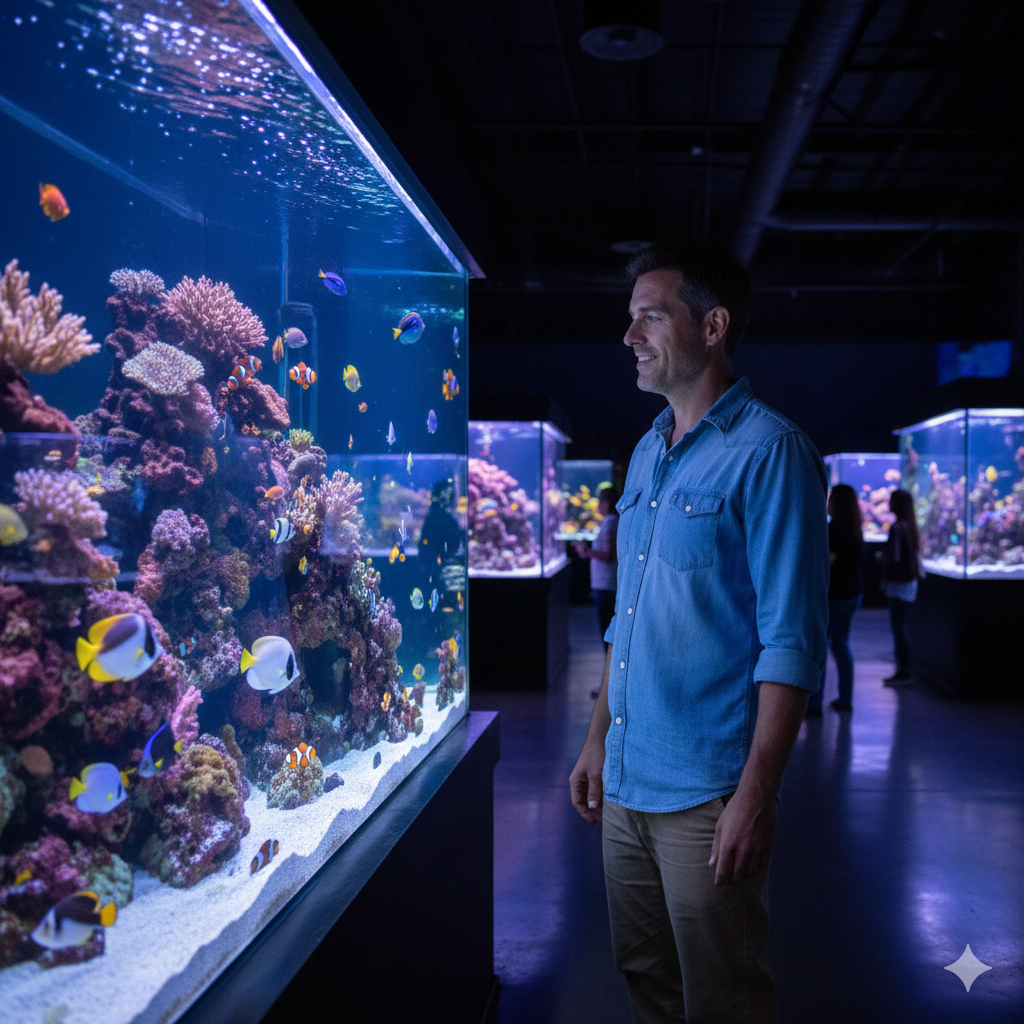
My name is Daniel Carter, I am 35 years old, and I live in the United States. I have been passionate about aquariums for many years, and what started as a simple hobby quickly became a lifelong interest in aquatic life, fish behavior, and responsible tank care.
Through TheBrightLance, I share real experiences, practical knowledge, and honest lessons learned from maintaining different types of aquariums. I enjoy testing equipment, studying fish behavior, improving maintenance routines, and helping beginners avoid common mistakes.
My goal is to make aquarism easier, more ethical, and more enjoyable for everyone — whether you are setting up your very first tank or looking to refine your techniques.