
The Hidden World of Freshwater Fish: More Than Meets the Eye
As someone who’s spent over a decade immersed in the captivating world of freshwater aquariums, I can tell you firsthand that these ecosystems are far more complex and fascinating than many people realize. We often see fish swimming gracefully in their tanks, but beneath the surface lies a wealth of curious facts and behaviors that can truly ignite a passion for aquarism. It’s more than just keeping pets; it’s about understanding and appreciating the intricate web of life within those glass walls.
From bizarre mating rituals to astonishing feats of adaptation, the world of freshwater fish is brimming with surprises. I’ve seen it all in my own tanks – the frantic dance of spawning tetras, the territorial disputes of cichlids, and the surprising intelligence of even the smallest creatures. The more you learn, the more you realize how much there is still to discover. So, let’s dive in (pun intended!) and explore some of the most curious and captivating facts about our finned friends.
Unveiling Surprising Fish Behaviors
The Secret Language of Fish
Most people assume fish are silent, but that’s far from the truth. Many freshwater species communicate through a variety of sounds, from clicks and grunts to whistles and pops. These sounds are often used to attract mates, defend territory, or warn of danger. For example, some catfish species produce a loud croaking sound when threatened, while certain cichlids use subtle clicks to communicate during courtship rituals.
I remember being utterly surprised the first time I heard my Synodontis catfish “talking” in my African-themed tank. It sounded like a gentle purring, almost like a cat. I initially thought something was wrong with the filter, but after some research, I realized it was just the catfish expressing its contentment. It’s a reminder that even in the seemingly quiet world of an aquarium, there’s always something happening, some silent conversation taking place that we’re only beginning to understand.
Master Architects of the Underwater World
Beyond communication, some fish exhibit incredible engineering skills. Take the pufferfish, for instance. Male pufferfish create elaborate geometric sand structures on the seabed to attract females. These structures, often several feet in diameter, are meticulously crafted and serve as a visual display of the male’s fitness. The detail and precision involved in these creations are truly remarkable.
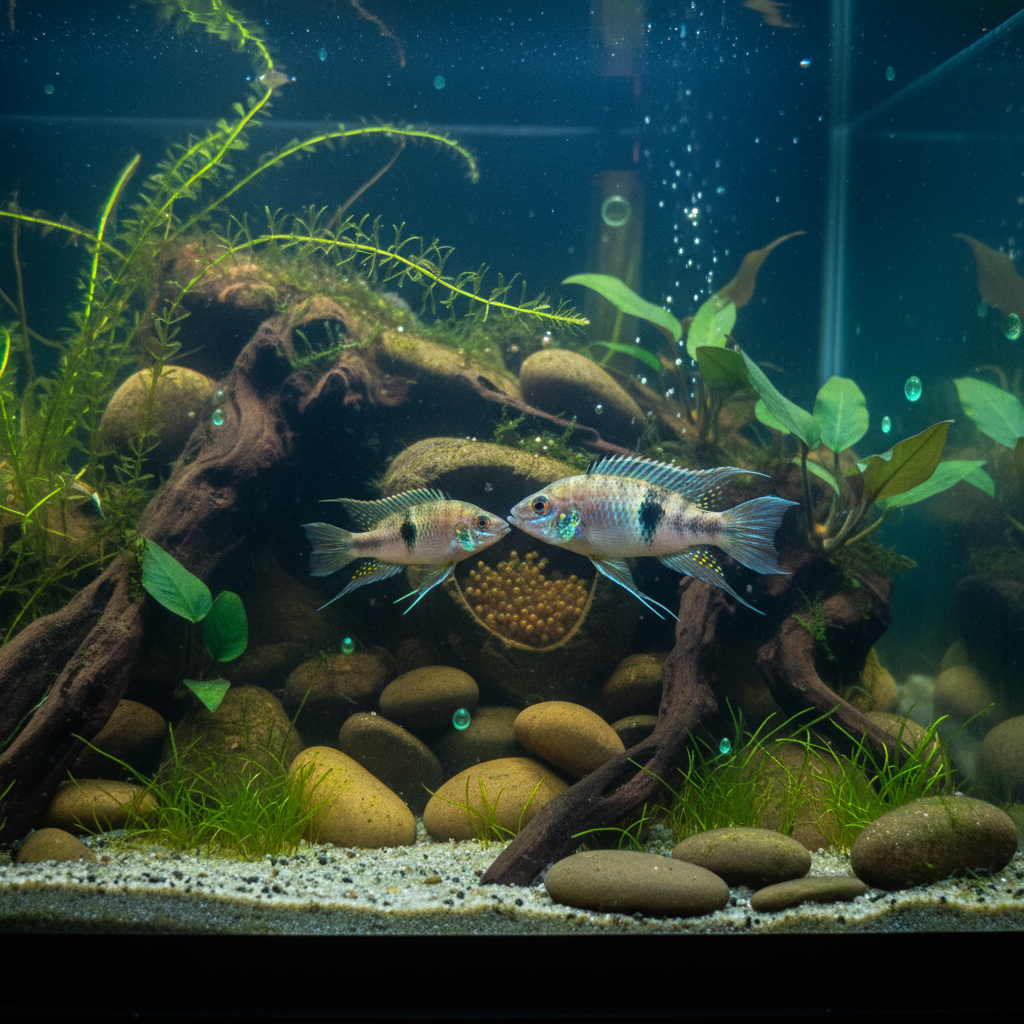
While I haven’t witnessed pufferfish architecture firsthand (since they’re generally not community tank fish), I have seen the impressive nest-building abilities of certain cichlids. My kribensis cichlids, for example, are constantly rearranging the substrate and creating elaborate caves and tunnels. It’s fascinating to watch them work, meticulously moving gravel and sand to create their perfect little homes. It highlights that fish are not just passive inhabitants of their environment; they actively shape and modify it to suit their needs.
The Sleep Habits of the Deep
Do fish sleep? The answer is yes, but not in the same way that humans do. Fish don’t have eyelids, so they can’t close their eyes. Instead, they enter a state of rest, often becoming less active and responsive to their surroundings. Some fish even find a safe spot to hide, such as under a rock or among plants, while they rest. I’ve often observed my neon tetras hovering near the bottom of the tank with slightly dulled colors when the lights are off, a sure sign they’re “sleeping.”
It’s important to maintain a regular day-night cycle in your aquarium to ensure your fish get adequate rest. Consistent lighting helps regulate their biological clocks and promotes overall health and well-being. I use a timer on my aquarium lights to ensure a consistent 12-hour day and 12-hour night cycle. This not only benefits the fish but also helps prevent algae growth.

Amazing Adaptations: Surviving in a Freshwater World
Breathing Underwater: Gills and Beyond
The most obvious adaptation of fish is their ability to breathe underwater using gills. Gills are specialized organs that extract oxygen from the water and transfer it to the bloodstream. However, some freshwater fish have evolved additional ways to breathe, allowing them to survive in oxygen-poor environments. For example, labyrinth fish, such as bettas and gouramis, have a special organ that allows them to breathe air directly from the surface.
This is why bettas can survive in small bowls, although I would never recommend keeping them in such conditions. A larger tank with proper filtration and heating is always the best option. But their ability to breathe air is a testament to their remarkable adaptability. I’ve seen my own gouramis occasionally gulp air at the surface, especially after a water change. It’s a reminder of the incredible diversity of adaptations that fish have evolved to thrive in different environments.
Navigating Murky Waters: Sensory Wonders
Freshwater environments can often be murky and dark, making it difficult for fish to see. To overcome this challenge, many species have developed specialized sensory organs that allow them to navigate and hunt in low-visibility conditions. For instance, catfish have barbels, whisker-like appendages that are covered in taste buds. These barbels allow them to “taste” their surroundings and locate food hidden in the substrate.
Watching my corydoras catfish rummage through the gravel with their barbels is endlessly entertaining. They seem to be constantly searching for food, even when the tank is spotless. These barbels are so sensitive that they can detect even the slightest traces of edible matter. It’s a remarkable adaptation that allows them to thrive in environments where other fish would struggle to find food.
Camouflage Masters: Blending into the Background
Camouflage is another crucial adaptation for many freshwater fish. By blending into their surroundings, they can avoid predators and ambush prey. Some fish, like the leaf fish, have evolved to resemble dead leaves, making them virtually invisible to unsuspecting victims. Others, like the glass catfish, are almost entirely transparent, allowing them to disappear against the background.
I once had a ghost catfish in my community tank that I rarely saw. It was so transparent that it seemed to vanish into thin air. It would only become visible when it swam in front of a dark object or when the light caught it just right. It was a truly remarkable example of camouflage in action. It underscores the constant evolutionary arms race between predators and prey, where each is constantly adapting to outsmart the other.
Reproductive Strategies: The Circle of Life
Egg Scatterers, Brooders, and Livebearers
Freshwater fish exhibit a wide range of reproductive strategies. Some, like tetras, are egg scatterers, releasing their eggs into the water column and leaving them to fend for themselves. Others, like cichlids, are brooders, carefully guarding their eggs and fry. And still others, like guppies and mollies, are livebearers, giving birth to fully formed young.
I’ve had the opportunity to witness all three of these reproductive strategies in my own tanks. The frantic spawning dance of my neon tetras, the fiercely protective behavior of my kribensis cichlids, and the constant stream of baby guppies in my community tank – each is a unique and fascinating spectacle. It highlights the diversity of life within the aquarium and the incredible adaptability of fish to different environmental conditions.
Sex Changes and Hermaphroditism
Believe it or not, some freshwater fish can even change their sex. This phenomenon, known as sequential hermaphroditism, is relatively rare but has been observed in several species. In some cases, fish start out as females and later transform into males, while in others, they start as males and later transform into females. This adaptation is often linked to social or environmental factors.
While I haven’t personally observed sex changes in my tanks, I find the concept incredibly fascinating. It challenges our traditional understanding of gender and highlights the fluidity of life in the natural world. It’s a reminder that nature is full of surprises and that there’s always more to learn.
The Importance of Conservation: Protecting Our Freshwater Ecosystems
Threats to Freshwater Fish Populations
Freshwater ecosystems are among the most threatened on the planet. Pollution, habitat destruction, and overfishing are all major threats to freshwater fish populations. Many species are now endangered or critically endangered, and some have already gone extinct. It’s crucial that we take action to protect these valuable ecosystems.
As aquarists, we have a responsibility to be mindful of the impact our hobby has on the environment. We should avoid purchasing wild-caught fish and instead opt for captive-bred specimens. We should also be careful not to introduce invasive species into our local waterways. I make it a point to only buy fish from reputable breeders who prioritize sustainable practices. It’s a small step, but it can make a big difference.
Sustainable Aquarism: Making a Difference
Sustainable aquarism is all about minimizing our impact on the environment and promoting responsible practices. This includes choosing the right equipment, using environmentally friendly products, and properly disposing of aquarium waste. It also means educating ourselves and others about the importance of freshwater conservation.
I’ve made a conscious effort to adopt more sustainable practices in my own aquarium hobby. I use energy-efficient LED lighting, recycle my aquarium water for watering plants, and avoid using harmful chemicals. I also try to share my knowledge with other aquarists and encourage them to do the same. By working together, we can make a positive impact on the environment and ensure that future generations can enjoy the beauty and wonder of freshwater fish.
The Future of Freshwater Fish: Hope for Tomorrow
Despite the challenges facing freshwater ecosystems, there is reason for hope. Conservation efforts are underway around the world, and many people are working tirelessly to protect these valuable habitats. By raising awareness, promoting sustainable practices, and supporting conservation initiatives, we can help ensure that freshwater fish thrive for generations to come. It’s about being a responsible steward of the natural world, and appreciating the delicate balance of the ecosystems we share.
I believe that education is key to fostering a love and appreciation for freshwater fish. The more people learn about these fascinating creatures, the more likely they are to support conservation efforts. That’s why I’m so passionate about sharing my knowledge and experiences with others. Whether it’s through online forums, local aquarium clubs, or simply talking to friends and family, I try to spread the word about the importance of freshwater conservation. It’s a collective effort, and every little bit helps.

My Most Unforgettable Freshwater Fish Experiences
The Neon Tetra Miracle
I’ll never forget the first time I successfully bred neon tetras. It was a challenging endeavor, requiring meticulous attention to water parameters and a specialized breeding tank. After weeks of careful preparation, I finally witnessed the spawning ritual – a frantic dance of shimmering colors as the tetras released their eggs into the water. I was ecstatic! Raising the fry was another challenge altogether, but seeing those tiny, translucent fish develop into vibrant adults was an incredibly rewarding experience. It solidified my passion for aquarism and taught me the importance of patience and perseverance.
The Oscar’s Unexpected Intelligence
Another unforgettable experience was owning an Oscar. Oscars are known for their intelligence and personality, and mine was no exception. He would recognize me when I approached the tank and would even “beg” for food by swimming back and forth in front of the glass. He also had a peculiar habit of rearranging the decorations in the tank to his liking. It was like having a dog that lived underwater. He was more than just a fish; he was a companion. It showed me that even seemingly simple creatures can possess a surprising level of intelligence and emotional depth.
The Pleco Who Ate Everything
Then there was the common pleco who grew to be the size of my forearm. I initially got him to help control algae, but he turned out to be a vacuum cleaner of all things edible. He’d devour algae wafers, leftover food, and even the occasional plant. He was a gentle giant, but his appetite was insatiable. It was a lesson in the importance of researching the adult size and feeding habits of fish before bringing them home. I eventually had to rehome him to a larger tank at a local fish store, where he could have more room to roam and plenty to eat. It was a bittersweet moment, but I knew it was the best thing for him.
Final Thoughts: A Lifelong Journey of Discovery
Keeping freshwater fish is more than just a hobby; it’s a lifelong journey of discovery. There’s always something new to learn, some new behavior to observe, or some new challenge to overcome. From understanding the intricate social dynamics of cichlids to appreciating the subtle beauty of a planted tank, the world of freshwater aquarism is endlessly fascinating. I feel like I learn something new every single day, even after all these years.
So, whether you’re a seasoned aquarist or just starting out, I encourage you to embrace the wonders of the freshwater world. Take the time to learn about the fish you keep, observe their behaviors, and appreciate their unique adaptations. And most importantly, remember that we have a responsibility to protect these incredible creatures and their fragile ecosystems. By doing so, we can ensure that future generations can continue to enjoy the beauty and wonder of freshwater fish. It’s a world worth exploring, and a world worth protecting.
And that, my friends, is just a glimpse into the captivating world of freshwater fish. I hope these curious facts have sparked your interest and inspired you to learn more. The more we understand about these amazing creatures, the better equipped we are to protect them and their fragile ecosystems. Happy fishkeeping!
My name is Daniel Carter, I am 35 years old, and I live in the United States. I have been passionate about aquariums for many years, and what started as a simple hobby quickly became a lifelong interest in aquatic life, fish behavior, and responsible tank care.
Through TheBrightLance, I share real experiences, practical knowledge, and honest lessons learned from maintaining different types of aquariums. I enjoy testing equipment, studying fish behavior, improving maintenance routines, and helping beginners avoid common mistakes.
My goal is to make aquarism easier, more ethical, and more enjoyable for everyone — whether you are setting up your very first tank or looking to refine your techniques.