
The Underdog Fishes: Discoveries in My Aquarium Journey
As an aquarium hobbyist for over a decade now, I’ve had my fair share of experiences – the good, the bad, and the algae-covered. I’ve kept everything from the common goldfish (a childhood staple, of course) to more exotic South American cichlids. But it’s often the seemingly simple fish that have surprised me the most. You know, the ones you glance over in the store, thinking, “Oh, they’re just *another* tetra,” or “Just *another* bottom feeder.” Turns out, some of these “underdogs” have taught me the most valuable lessons about aquarium keeping, fish behavior, and the delicate balance of a thriving ecosystem.
It’s easy to get caught up in the allure of the rare and expensive. I remember spending weeks researching and finally acquiring a stunning pair of Apistogramma cacatuoides, only to find they were more interested in hiding than displaying their beauty. Meanwhile, my school of unassuming cardinal tetras, purchased almost as an afterthought, became the shimmering heart of my community tank.
This isn’t a story about flashy fins or exorbitant price tags. It’s about the quiet resilience, the unexpected intelligence, and the vital roles played by those fish we often overlook. It’s about appreciating the beauty in the everyday, even in our underwater worlds.
Cardinal Tetras: More Than Just a Splash of Color
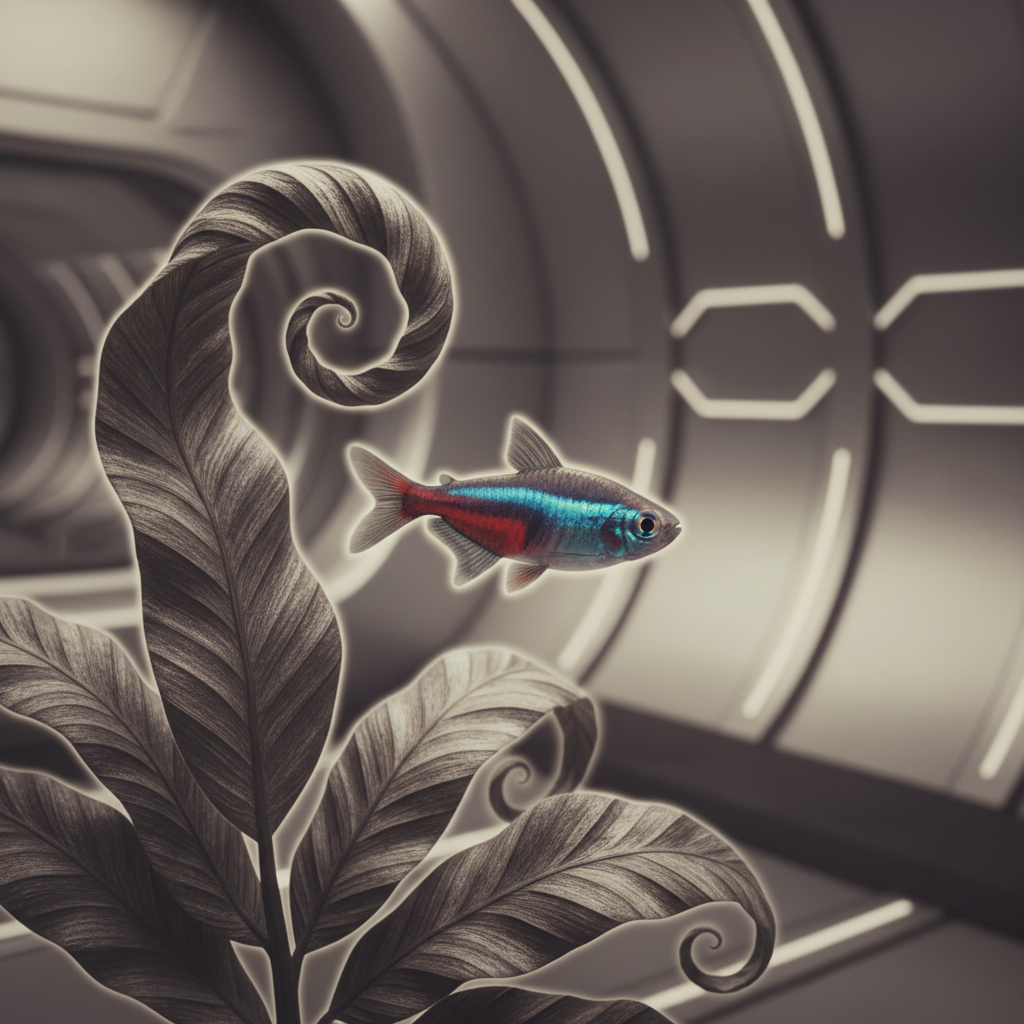
For years, I dismissed cardinal tetras as the “poor man’s neon tetra.” I mean, they look similar, right? A vibrant blue stripe, a splash of red… what’s the big deal? I’d always opted for the slightly larger, arguably more robust neon tetra. But then, a friend of mine, a seasoned aquarist with a knack for planted tanks, convinced me to give them a try. “You won’t regret it,” he said. “They’re more sensitive, yes, but their schooling behavior is incredible, and they really pop against a lush green background.”
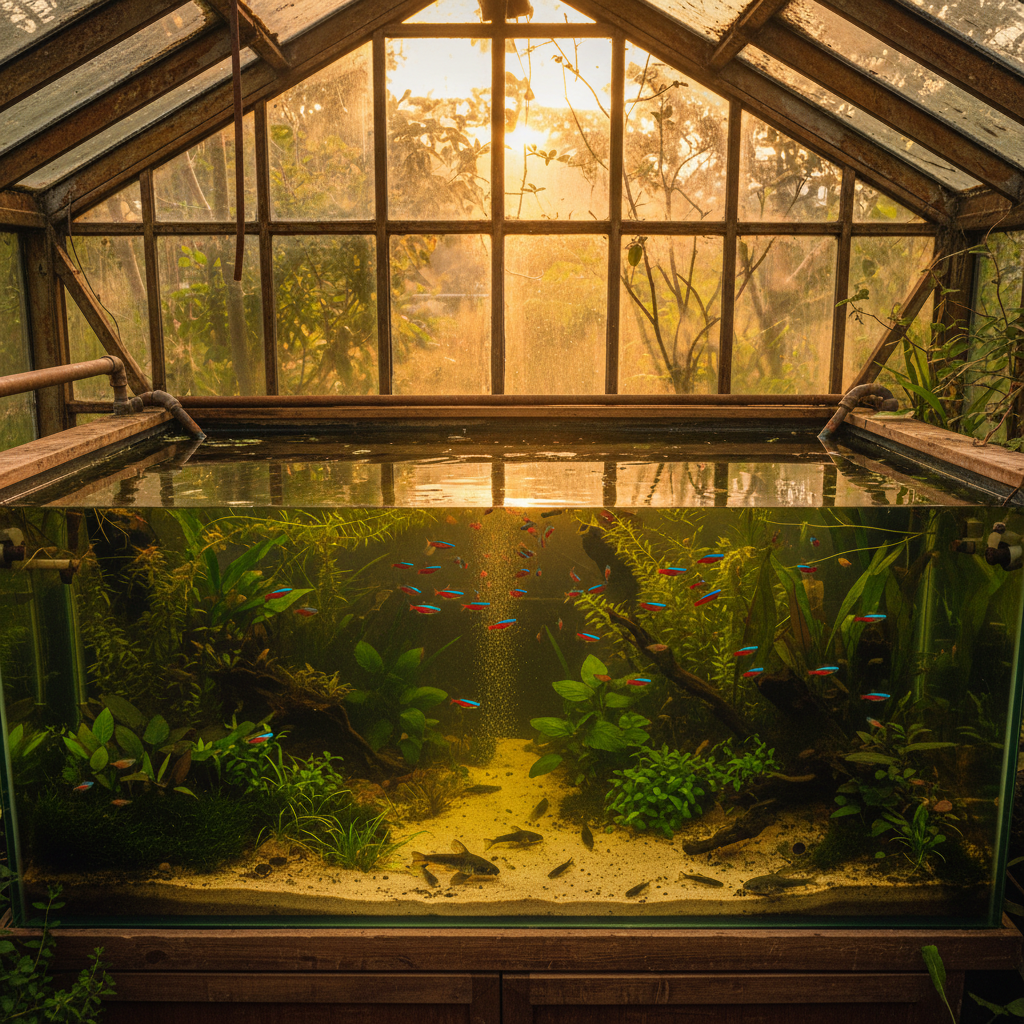
He wasn’t wrong. While neon tetras tend to be a bit more independent, cardinal tetras display a much tighter schooling behavior, especially when they feel secure. Watching a school of twenty or thirty cardinals move as one, their iridescent blue stripes catching the light, is truly mesmerizing. It adds a sense of dynamism and life to the tank that I hadn’t experienced before.
The Importance of Water Quality
The key to keeping cardinal tetras happy, I quickly learned, is pristine water quality. They are more sensitive to fluctuations in temperature, pH, and ammonia levels than many other commonly kept fish. This forced me to become a more diligent aquarist. I started testing my water more frequently, performing smaller, more regular water changes, and paying closer attention to my filter maintenance. In essence, the cardinal tetras taught me the importance of maintaining a stable and healthy environment, a lesson that benefited all the inhabitants of my aquarium.
I also discovered the importance of a well-established tank. These aren’t fish you can just throw into a newly cycled aquarium. They need a mature ecosystem with plenty of beneficial bacteria to break down waste and maintain stable parameters. Patience is key. Allow your tank to cycle fully, and even then, introduce the cardinals gradually, allowing them to acclimate to the water chemistry slowly.
A Lesson in Observation
Cardinal tetras also taught me the value of close observation. Because they are more sensitive, they are often the first to show signs of stress or illness. A change in their schooling behavior, a loss of color, or a reluctance to eat can all be early warning signs that something is amiss. By paying close attention to their behavior, I was able to catch problems early and take corrective action before they escalated.
Corydoras Catfish: The Unsung Heroes of the Aquarium
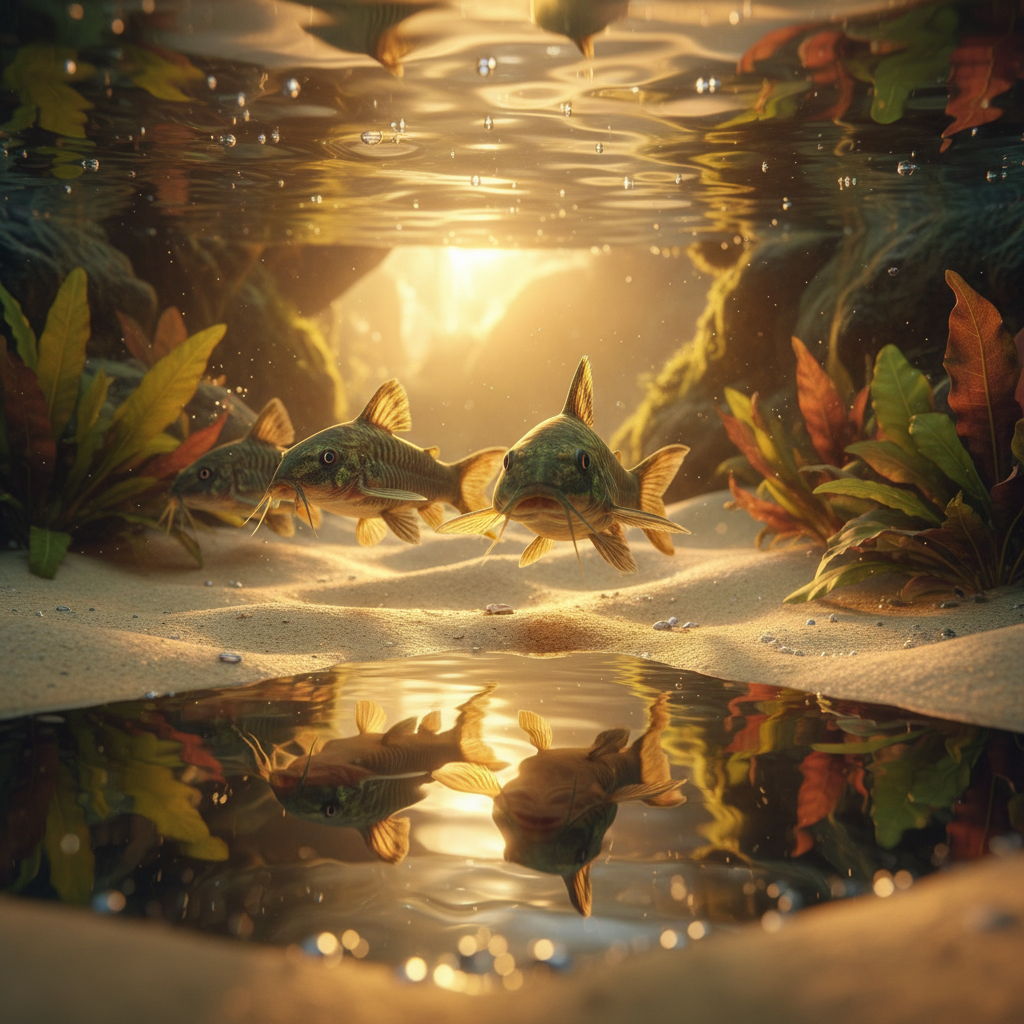
Ah, the Corydoras catfish, often relegated to the role of “cleanup crew.” I’ll admit, that’s how I initially viewed them. Little did I know, these charming bottom-dwellers are far more than just algae eaters and leftover scavengers. They are intelligent, social, and surprisingly entertaining fish that play a vital role in maintaining a healthy aquarium.
I started with a small group of bronze Corydoras, thinking they would simply keep the bottom of my tank clean. And they did, to some extent. But I soon realized that their value extended far beyond mere sanitation. Watching them forage through the substrate, sifting through the sand with their barbels, is endlessly fascinating. They are constantly active, exploring every nook and cranny of the tank, and their playful antics are guaranteed to bring a smile to your face.
Social Butterflies of the Bottom
One of the biggest surprises for me was the Corydoras’ social behavior. They are happiest in groups of six or more, and watching them interact with each other is a joy. They often gather together in small clusters, resting on the substrate or exploring the decorations as a group. They even seem to communicate with each other, using subtle body language and fin movements.
I remember one instance where I was cleaning my tank and accidentally stirred up a lot of sediment. The Corydoras, instead of scattering in fear, all huddled together in a corner, almost as if they were comforting each other. It was a clear demonstration of their social bonds and their reliance on each other for security.
Beyond Algae Eating: A Balanced Diet
Another common misconception about Corydoras is that they can survive solely on algae and leftover food. While they will certainly scavenge for scraps, they need a balanced diet to thrive. I learned this the hard way when my Corydoras started to look thin and lethargic. I realized that they weren’t getting enough to eat, despite the abundance of food in the tank. I started supplementing their diet with sinking pellets and frozen foods, and they quickly rebounded. Now, I make sure to provide them with a varied diet that includes both plant-based and protein-rich foods.
The Importance of Substrate
The substrate you choose for your aquarium can also have a significant impact on the health and well-being of your Corydoras. Because they spend so much time foraging on the bottom, they are susceptible to injuries if the substrate is too rough or abrasive. Sharp gravel can damage their barbels, which are essential for finding food. I switched to a fine sand substrate in my Corydoras tank, and I noticed a dramatic improvement in their overall health and activity level. They seemed much more comfortable and spent even more time foraging through the sand.
White Cloud Mountain Minnows: Cold Water Wonders
Living in Florida, the idea of a cold water tank never really crossed my mind. I was all about tropical fish, basking in the warmth of heated aquariums. That was until I stumbled upon White Cloud Mountain Minnows. These little guys are native to the mountains of China, and they thrive in cooler temperatures, often down to the low 60s Fahrenheit. I initially thought they were drab and uninteresting, a far cry from the vibrant colors of my other fish. I couldn’t have been more wrong.
I first encountered them when a friend was downsizing his aquarium and offered me a school of six. I was hesitant, but I didn’t want to turn him down. I set up a small, unheated tank in my office, figuring they would be a temporary addition. But I quickly fell in love with their hardiness, their peaceful nature, and their subtle, yet captivating beauty.
A Splash of Color in Cool Waters
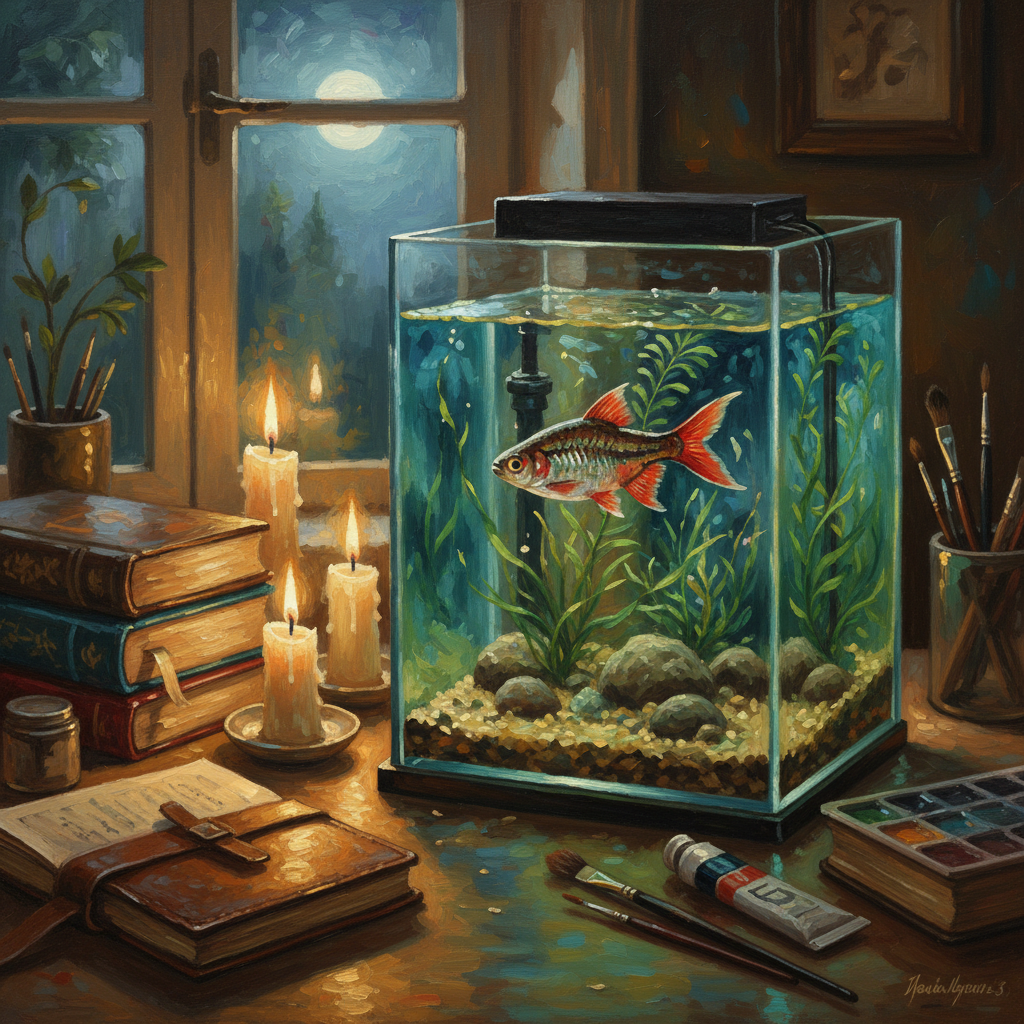
While they may not be as flashy as some tropical fish, White Cloud Mountain Minnows have a unique charm all their own. Their bodies are a shimmering olive green, with a bright red tail and fins. The males, in particular, display vibrant colors during breeding season, their fins becoming even more intense red and their bodies developing a golden sheen.
Watching them interact is also fascinating. They are active swimmers, constantly darting around the tank, and they often engage in playful sparring matches, especially the males. They are also incredibly peaceful, getting along well with other fish of similar size and temperament. They’re a great option for those who don’t want to use a heater or have issues with warmer temperatures in their home.
Low Maintenance, High Reward
One of the biggest advantages of White Cloud Mountain Minnows is their low maintenance requirements. Because they thrive in cooler temperatures, you don’t need to worry about a heater malfunctioning or the water getting too warm. They are also relatively tolerant of fluctuations in water parameters, making them a good choice for beginner aquarists.
I also found that they are less susceptible to many of the common diseases that plague tropical fish. This is likely due to their hardiness and their ability to thrive in a wider range of conditions. I’ve had my White Cloud Mountain Minnows for over two years now, and I’ve never had a single health issue with them.
The Benefits of an Unheated Tank
Keeping an unheated tank has also had some unexpected benefits. For one, it’s significantly cheaper to operate. I don’t have to worry about the energy costs associated with running a heater, which can add up over time. It also forces me to be more mindful of the temperature in my home. I try to keep the room where the tank is located at a relatively stable temperature, which benefits both the fish and myself.
The Humility of Continuous Learning
My journey in aquascaping has always been a story of constant learning. Each tank I set up, each fish I introduced, brought with it a new set of challenges and discoveries. And it was often the fish I least expected, the ones I initially underestimated, that taught me the most valuable lessons. I learned the importance of water quality, the beauty of social behavior, and the surprising hardiness of cold-water fish. I learned that even the seemingly simple fish can be complex and fascinating creatures, deserving of our respect and attention.
It’s easy to be drawn to the exotic and rare, but there’s a certain satisfaction in finding beauty and value in the everyday. The cardinal tetras taught me to be a more diligent aquarist, the Corydoras catfish taught me the importance of social dynamics, and the White Cloud Mountain Minnows taught me to appreciate the beauty of simplicity.
So, the next time you’re at your local fish store, take a closer look at those “underdog” fish. You might be surprised at what you discover. You might just find your next favorite species, and you might just learn something new about the art of aquarium keeping.
The most important thing I’ve learned is to never stop learning. The world of aquariums is vast and complex, and there’s always something new to discover. Keep an open mind, be willing to experiment, and most importantly, listen to your fish. They will tell you everything you need to know, if you’re willing to pay attention.
And that’s the beauty of this hobby, isn’t it? It’s a continuous cycle of learning, adapting, and appreciating the wonders of the underwater world. It’s a reminder that even the smallest creatures can teach us the biggest lessons, and that sometimes, the greatest rewards come from the most unexpected places.
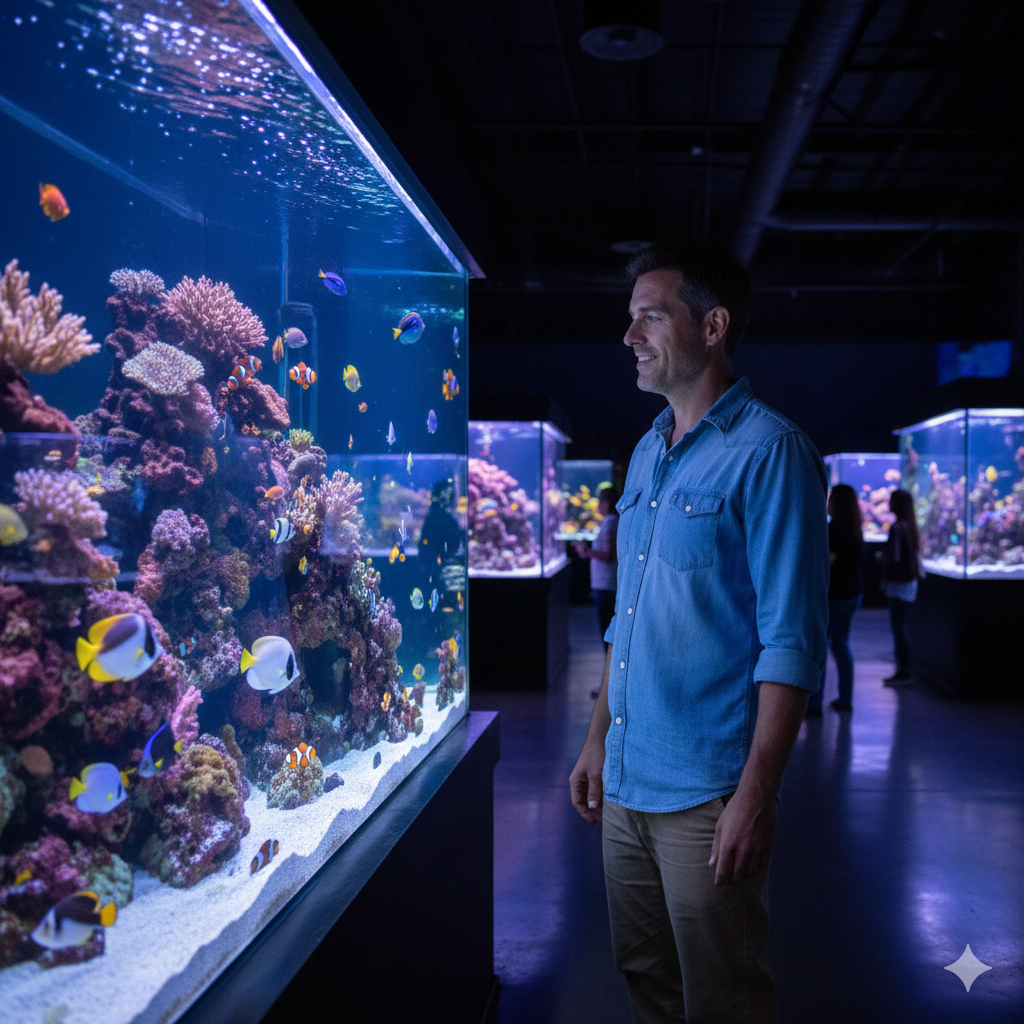
My name is Daniel Carter, I am 35 years old, and I live in the United States. I have been passionate about aquariums for many years, and what started as a simple hobby quickly became a lifelong interest in aquatic life, fish behavior, and responsible tank care.
Through TheBrightLance, I share real experiences, practical knowledge, and honest lessons learned from maintaining different types of aquariums. I enjoy testing equipment, studying fish behavior, improving maintenance routines, and helping beginners avoid common mistakes.
My goal is to make aquarism easier, more ethical, and more enjoyable for everyone — whether you are setting up your very first tank or looking to refine your techniques.