
The Allure of the Uncommon: Diving into Fish Uniqueness
As an aquarist for over a decade, I’ve seen my fair share of guppies, tetras, and the occasional goldfish. Don’t get me wrong, they’re fantastic beginner fish and have a special place in my heart, especially since they were my gateway into this amazing hobby. But, let’s be honest, there’s a certain thrill that comes with discovering and caring for fish that are a little… different. It’s that sense of wonder, the “wow” factor, that keeps me (and I suspect many of you) constantly learning and exploring the vast aquatic world. What is it that separates the “ordinary” from the “extraordinary” in the fish world? Is it just vibrant colors, unique shapes, or something more profound?
For me, it’s a combination of factors. It’s the fish that challenges our preconceived notions about what a fish “should” be. It’s the fish that boasts an unusual behavior, an evolutionary quirk, or a striking appearance that commands attention. It’s the fish that, when someone sees it in your tank, sparks a conversation and ignites their own curiosity about the underwater realm. I’ve always found that keeping unique fish not only enriches my own aquarium experience but also serves as an incredible educational opportunity for others.
What Defines “Unique” in the Fish World?
Defining “unique” is subjective, of course. What I find fascinating, someone else might find mundane. But generally, when I think of unique fish, I’m considering these aspects:
- Appearance: This is the most obvious factor. Fish with unusual body shapes, striking color patterns, elaborate fins, or bizarre appendages immediately stand out. Think of the majestic lionfish or the bizarre anglerfish.
- Behavior: Some fish have fascinating social structures, complex mating rituals, or peculiar feeding habits. The archerfish, which spits water to knock insects into the water, is a prime example.
- Habitat: Fish that thrive in extreme environments, like the blind cavefish or the desert pupfish, are inherently unique due to their adaptations.
- Rarity: Some fish are simply rare in the aquarium trade, making them highly sought after by collectors. This rarity can be due to limited distribution in the wild, difficulty in breeding, or specific care requirements.
- Evolutionary History: Fish that represent ancient lineages or exhibit unusual evolutionary adaptations are particularly interesting from a scientific perspective.
Ultimately, the “uniqueness” of a fish is a matter of personal taste. However, these are the broad categories that I consider when I’m on the hunt for something special to add to my tanks. I remember the first time I saw a leaf fish. I was absolutely mesmerized. Its ability to mimic a dead leaf, drifting almost imperceptibly through the water, was a masterclass in camouflage. It completely redefined my understanding of what a fish could be.
Case Studies: Remarkable Fish Species and Their Unique Traits
Let’s dive into some specific examples of fish species that I consider particularly unique, and explore what makes them so captivating. I’ll share some of my personal experiences, tips, and observations on keeping these fascinating creatures.
The Archerfish: A Sharpshooter of the Aquatic World
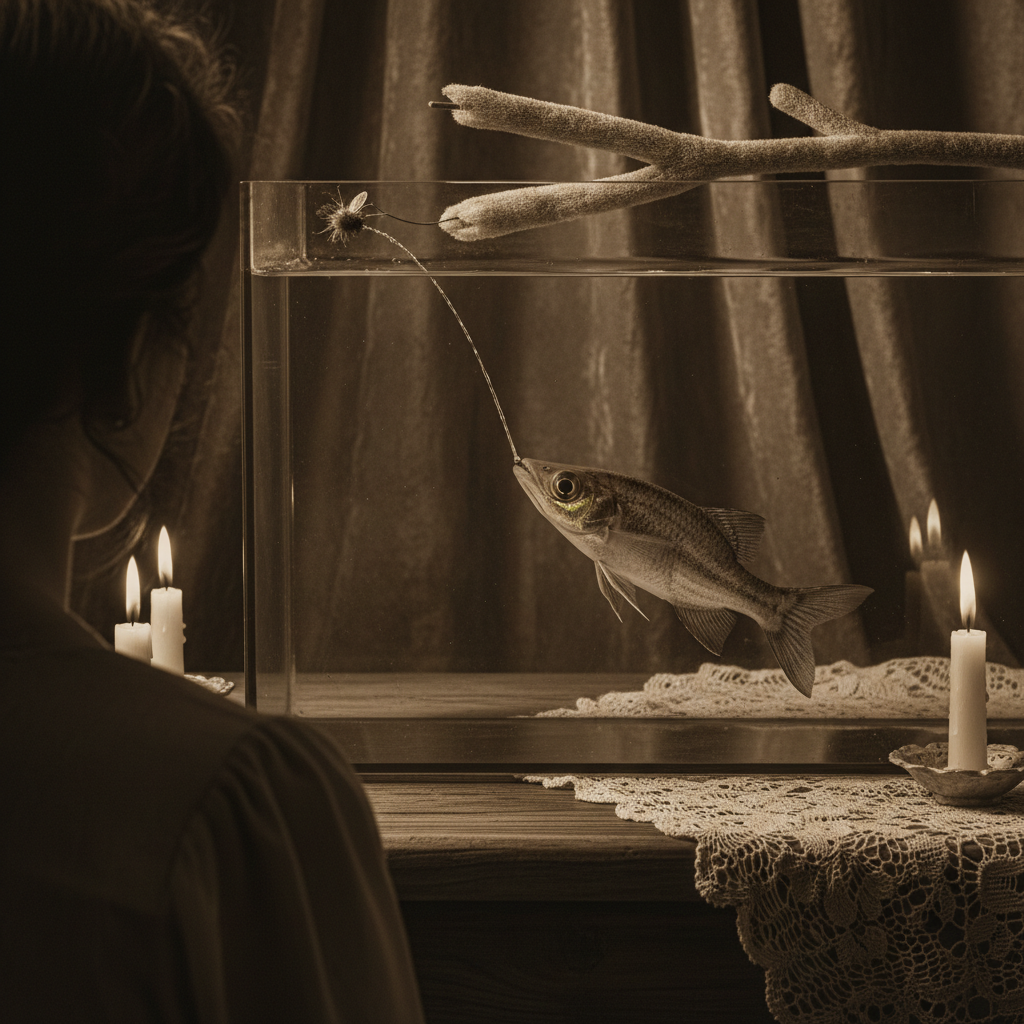
The archerfish (Toxotes species) is a true marvel of adaptation. These fish are famous for their ability to shoot down insects and other small prey by spitting jets of water with surprising accuracy. How many fish do you know that can do that? It’s an incredible sight to behold. I remember setting up a small “shooting range” for my archerfish, using crickets placed just above the water’s surface. Watching them learn to adjust their aim and compensate for the water’s refraction was fascinating. It’s not just a cool trick; it’s a testament to their intelligence and adaptability.
Their unique hunting strategy isn’t just a random occurrence; it’s a complex behavior that involves sophisticated sensory processing and motor control. They can accurately judge distance and account for the distortion of light as it passes from air to water. Their specialized mouth structure allows them to create a high-pressure jet of water that can travel several feet. Keeping archerfish requires providing them with ample space to swim and hunt, as well as a variety of live insects for enrichment. They also need a secure lid on the tank, as they are known to jump when excited or startled.
One important thing to remember when keeping archerfish is their brackish water requirement. They are not strictly freshwater fish and need a specific salinity level to thrive. Neglecting this aspect can lead to health problems and a shortened lifespan. I use a refractometer to regularly monitor the salinity of my archerfish tank and make adjustments as needed. It’s a bit more work than keeping purely freshwater fish, but the reward of watching these amazing hunters in action is well worth the effort.
The Electric Eel: Nature’s Living Battery
While technically a knifefish, not an eel, the electric eel (Electrophorus electricus) is undeniably one of the most unique fish on the planet. These South American natives are capable of generating powerful electric shocks, using specialized cells called electrocytes. These shocks are used for hunting, defense, and even communication. Can you imagine having that power? It’s truly awe-inspiring, and a little bit terrifying.
The electric eel’s body is uniquely adapted for its electric abilities. Its internal organs are concentrated in the front of its body, leaving the majority of its length dedicated to the electrocytes. These cells act like tiny batteries, generating a small electrical charge that, when combined, can produce a jolt of up to 600 volts. That’s enough to stun or even kill a large animal. Despite their powerful electric abilities, electric eels are relatively docile in captivity. However, keeping them requires specialized knowledge and precautions.
Housing an electric eel demands a very large tank with plenty of hiding places and subdued lighting. They are also sensitive to water quality, so regular water changes and meticulous filtration are essential. Feeding them can be tricky, as they prefer live food. I’ve found that offering them small fish or earthworms using insulated tongs is the safest and most effective method. It’s crucial to remember that even though they may seem calm, they can still deliver a shock. Always use caution when working in or around their tank. I’ve never personally kept an electric eel (their size and specific needs are beyond my current setup), but I’ve seen them in public aquariums and they are truly remarkable creatures.
The Leaf Fish: Masters of Disguise
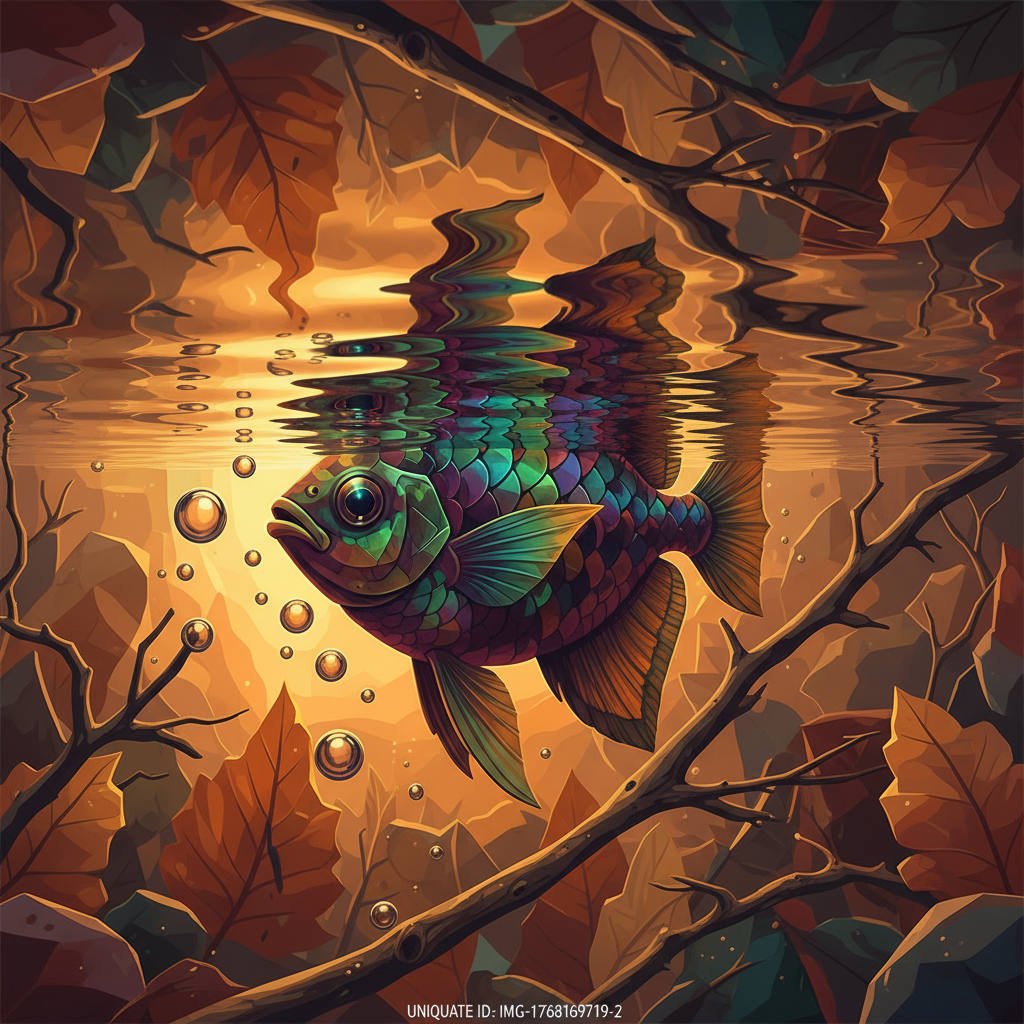
As I mentioned earlier, the leaf fish (Monocirrhus polyacanthus) holds a special place in my heart. These South American predators are masters of disguise, perfectly mimicking dead leaves drifting in the water. Their flattened bodies, mottled coloration, and even a small “stem” on their chin contribute to their incredible camouflage. When they hunt, they remain motionless, blending seamlessly with their surroundings, until an unsuspecting prey fish swims too close. Then, in a flash, they strike with lightning speed.
Keeping leaf fish requires creating an environment that mimics their natural habitat. This means providing them with a heavily planted tank with plenty of driftwood and leaf litter. The water should be soft and acidic, and the lighting should be subdued. Leaf fish are ambush predators, so they need to be fed live food, such as small fish or insects. They are not particularly active fish, so they don’t require a lot of swimming space. However, they do need a peaceful environment, as they can be easily stressed by aggressive tank mates.
One of the biggest challenges in keeping leaf fish is getting them to eat. They can be picky eaters and may refuse to accept anything other than live food. I’ve found that offering them a variety of small fish and insects can help to stimulate their appetite. It’s also important to ensure that the live food is appropriately sized, as leaf fish have relatively small mouths. With patience and proper care, leaf fish can be fascinating and rewarding additions to a community aquarium. I’ve spent countless hours observing their hunting behavior, and I’m constantly amazed by their ability to disappear into their surroundings.
The Mudskipper: Fish Out of Water
The mudskipper (various species in the Gobiidae family) is another fascinating example of a fish that defies expectations. These amphibious fish are adapted to life both in and out of the water. They can walk, climb, and even skip across the mudflats of tropical and subtropical regions. They have specialized pectoral fins that allow them to move on land, and they can breathe air through their skin and the lining of their mouth and throat.
Keeping mudskippers in an aquarium requires creating a paludarium, which is a combination of an aquarium and a terrarium. The tank should have a large land area with mud, rocks, and vegetation, as well as a shallow water area for swimming and feeding. The humidity should be high, and the temperature should be warm. Mudskippers are active and inquisitive fish, so they need plenty of space to explore. They also need a varied diet of live insects, crustaceans, and small fish.
One of the most interesting aspects of mudskipper behavior is their social interactions. They are highly territorial and will often engage in elaborate displays of aggression, such as raising their dorsal fins and puffing out their throats. They also communicate with each other through a variety of visual and acoustic signals. I haven’t personally kept mudskippers, but I’ve seen them in mangrove ecosystems, and their ability to thrive in such a challenging environment is truly remarkable. Their adaptations are a testament to the power of evolution.
The Ethical Considerations of Keeping Unique Fish
While the allure of keeping unique fish is undeniable, it’s essential to consider the ethical implications of our choices. Are we contributing to the unsustainable collection of wild fish? Are we supporting responsible breeding practices? Are we equipped to provide the specialized care that these fish require?
Sustainable Sourcing: Protecting Wild Populations
One of the biggest concerns in the aquarium hobby is the impact of wild-caught fish on their natural populations. Some fish species are particularly vulnerable to overcollection, especially those with limited ranges or slow reproductive rates. Before purchasing a unique fish, it’s crucial to research its origin and ensure that it was sourced sustainably. Look for fish that are bred in captivity or collected from areas where populations are healthy and well-managed. Avoid purchasing fish that are known to be illegally traded or collected from protected areas. I always try to buy from reputable breeders and suppliers who prioritize sustainability and ethical practices. It’s a small step, but it can make a big difference.
Supporting sustainable aquaculture is another way to reduce the pressure on wild fish populations. Captive breeding can provide a reliable source of fish for the aquarium trade, while also helping to conserve endangered species. Many breeders are working to develop sustainable breeding techniques for a variety of fish species, including some of the more unique and challenging ones. By supporting these efforts, we can help to ensure that future generations can enjoy these amazing creatures without harming their wild counterparts. I’ve noticed a significant increase in the availability of captive-bred species over the past few years, which is a positive sign for the future of the hobby.
Providing Proper Care: Meeting Specialized Needs
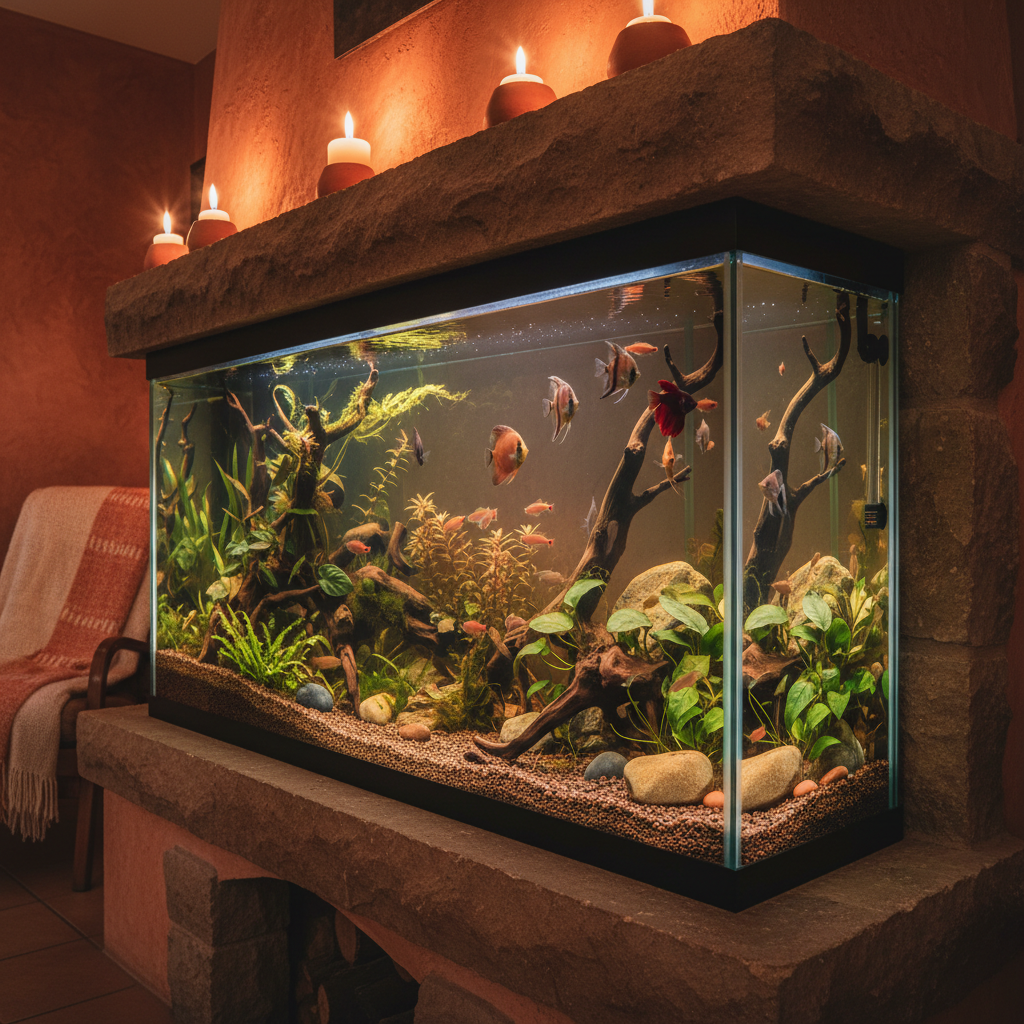
Keeping unique fish often requires specialized knowledge and equipment. Many of these fish have specific dietary requirements, water parameter preferences, or social needs. Before acquiring a unique fish, it’s essential to thoroughly research its care requirements and ensure that you can provide a suitable environment. This may involve investing in specialized equipment, such as a reverse osmosis system for water purification, a chiller for temperature control, or a specialized lighting system for plant growth. It also means being prepared to dedicate the time and effort necessary to maintain a healthy and stable aquarium environment.
It’s also important to consider the long-term commitment involved in keeping a unique fish. Some fish species can live for many years, and their care requirements may change over time. Are you prepared to provide for their needs for the duration of their lives? Can you adapt your aquarium setup as they grow and mature? Can you find a suitable home for them if you are no longer able to care for them? These are all important questions to consider before bringing a unique fish into your home. I always try to think several years ahead when planning a new aquarium setup. It’s better to be overprepared than to be caught off guard by the unexpected challenges of fish keeping.
The Role of Education: Spreading Awareness and Promoting Responsible Practices
Education is key to promoting responsible practices in the aquarium hobby. By sharing our knowledge and experiences, we can help others make informed decisions about the fish they keep and the ways they care for them. We can also advocate for sustainable sourcing, responsible breeding, and ethical treatment of fish. I believe that every aquarist has a responsibility to be an ambassador for the hobby, promoting responsible practices and educating others about the wonders of the aquatic world. I regularly share my experiences and tips on online forums and social media groups, and I always try to encourage others to do the same.
Supporting organizations that are dedicated to fish conservation and research is another way to make a positive impact. Many organizations are working to protect endangered fish species, restore degraded habitats, and promote sustainable aquaculture practices. By donating to these organizations or volunteering your time, you can help to ensure that future generations can enjoy the beauty and diversity of the fish world. I’ve personally volunteered at a local aquarium, helping to educate visitors about the importance of fish conservation. It’s a rewarding experience that allows me to give back to the hobby and make a difference in the world.
Creating a Thriving Ecosystem for Unique Fish
Providing a suitable environment is paramount when keeping unique fish. A thriving ecosystem is not just about water parameters; it’s about creating a balanced and harmonious environment that meets the physical, chemical, and biological needs of your fish.
Water Quality: The Foundation of a Healthy Aquarium
Maintaining pristine water quality is essential for the health and well-being of all fish, but it’s especially critical for unique species, which are often more sensitive to changes in water parameters. Regular water changes, efficient filtration, and careful monitoring of ammonia, nitrite, and nitrate levels are crucial. I recommend investing in a high-quality test kit and performing regular water tests to ensure that your water parameters are within the optimal range for your fish. It’s also important to dechlorinate your tap water before adding it to your aquarium, as chlorine and chloramine can be toxic to fish. I use a dechlorinator that also removes heavy metals and other harmful substances. Water quality is the cornerstone of a healthy aquarium, and it’s something that I never take for granted.
In addition to regular water changes and filtration, it’s also important to consider the pH, hardness, and temperature of your water. Different fish species have different preferences for these parameters, so it’s important to research the specific needs of your fish and adjust your water chemistry accordingly. I use a combination of buffering agents and water conditioners to maintain stable pH and hardness levels in my aquariums. I also use a heater and a chiller to maintain a consistent water temperature. Consistency is key when it comes to water parameters, as sudden fluctuations can stress your fish and make them more susceptible to disease.
Tank Setup: Replicating Natural Habitats
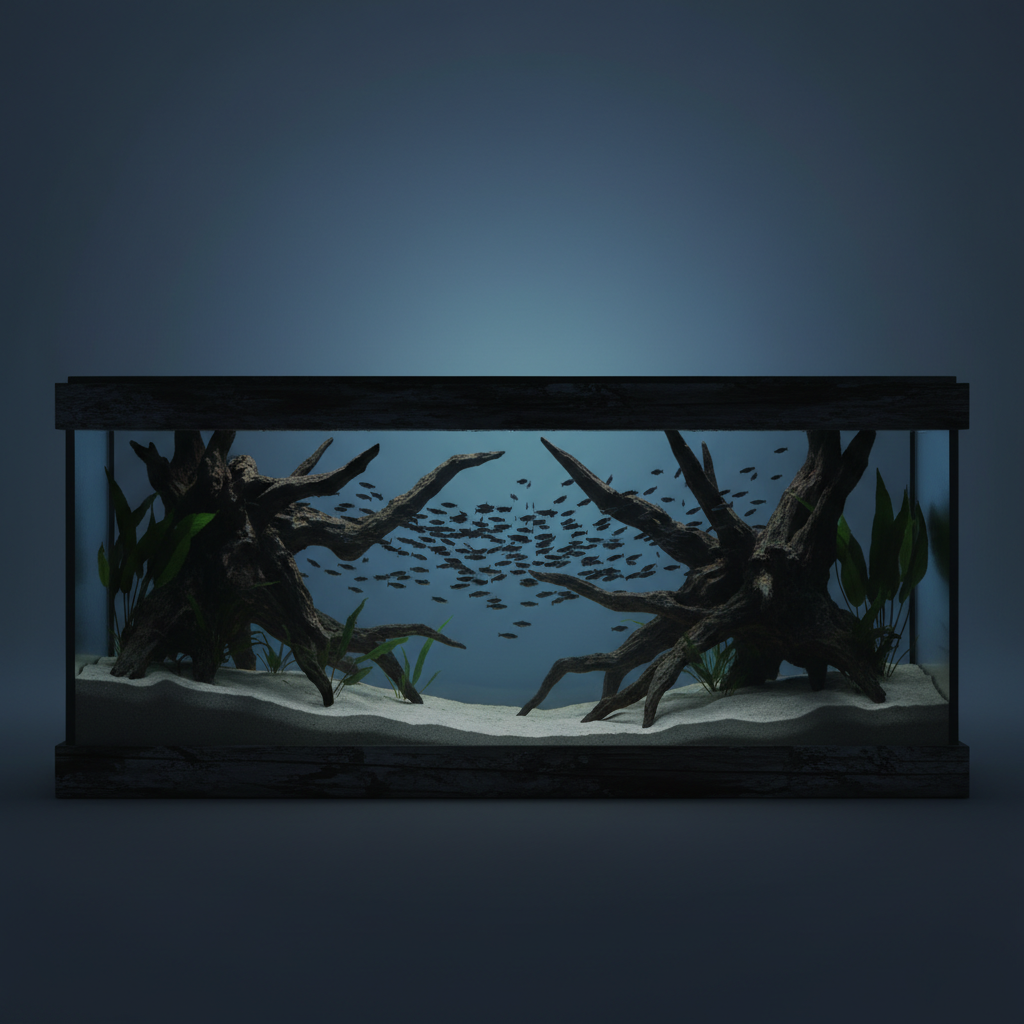
Creating a tank setup that replicates the natural habitat of your fish can greatly enhance their well-being and behavior. Research the specific environment where your fish originated and try to recreate it as closely as possible in your aquarium. This may involve using specific types of substrate, rocks, driftwood, and plants. It also means considering the lighting, flow, and aquascape of your tank. A well-designed tank setup not only provides a comfortable and stimulating environment for your fish but also enhances the aesthetic appeal of your aquarium. I often spend hours researching the natural habitats of my fish and meticulously planning my tank setups. It’s a rewarding process that allows me to connect with my fish on a deeper level.
Providing ample hiding places is also essential, especially for shy or territorial fish. Caves, rock piles, and dense vegetation can provide refuge for your fish and reduce stress. It’s important to choose decorations that are safe for your fish and won’t leach harmful chemicals into the water. Avoid using sharp or abrasive materials that could injure your fish. I prefer to use natural materials, such as rocks, driftwood, and coconut shells, to create hiding places for my fish. These materials not only look more natural but also provide a more comfortable and stimulating environment for my fish.
Diet and Nutrition: Fueling Unique Physiologies
Providing a balanced and nutritious diet is crucial for the health and vitality of unique fish. Different fish species have different dietary requirements, so it’s important to research the specific needs of your fish and provide them with a variety of appropriate foods. This may include live foods, frozen foods, flakes, pellets, and vegetables. It’s also important to avoid overfeeding your fish, as this can lead to water quality problems and health issues. I feed my fish small amounts of food several times a day, rather than one large meal. This mimics their natural feeding behavior and helps to prevent overeating. I also supplement their diet with vitamins and minerals to ensure that they are getting all the nutrients they need.
Offering live food can be particularly beneficial for unique fish, as it stimulates their natural hunting instincts and provides them with a more complete and nutritious diet. Live foods such as brine shrimp, bloodworms, and daphnia are readily available at most pet stores. It’s important to source your live food from reputable suppliers to ensure that it is free of parasites and diseases. I culture my own live food, such as microworms and vinegar eels, to ensure that I have a constant supply of healthy and nutritious food for my fish. It’s a rewarding process that allows me to provide my fish with the best possible care.
Ultimately, keeping unique fish is a deeply rewarding experience that requires dedication, knowledge, and a genuine passion for the aquatic world. It’s a journey of continuous learning and discovery, and one that I wouldn’t trade for anything. The satisfaction of providing a thriving environment for these fascinating creatures is unparalleled. So, if you’re considering adding a unique fish to your aquarium, do your research, prepare your setup, and embrace the adventure. You won’t regret it.
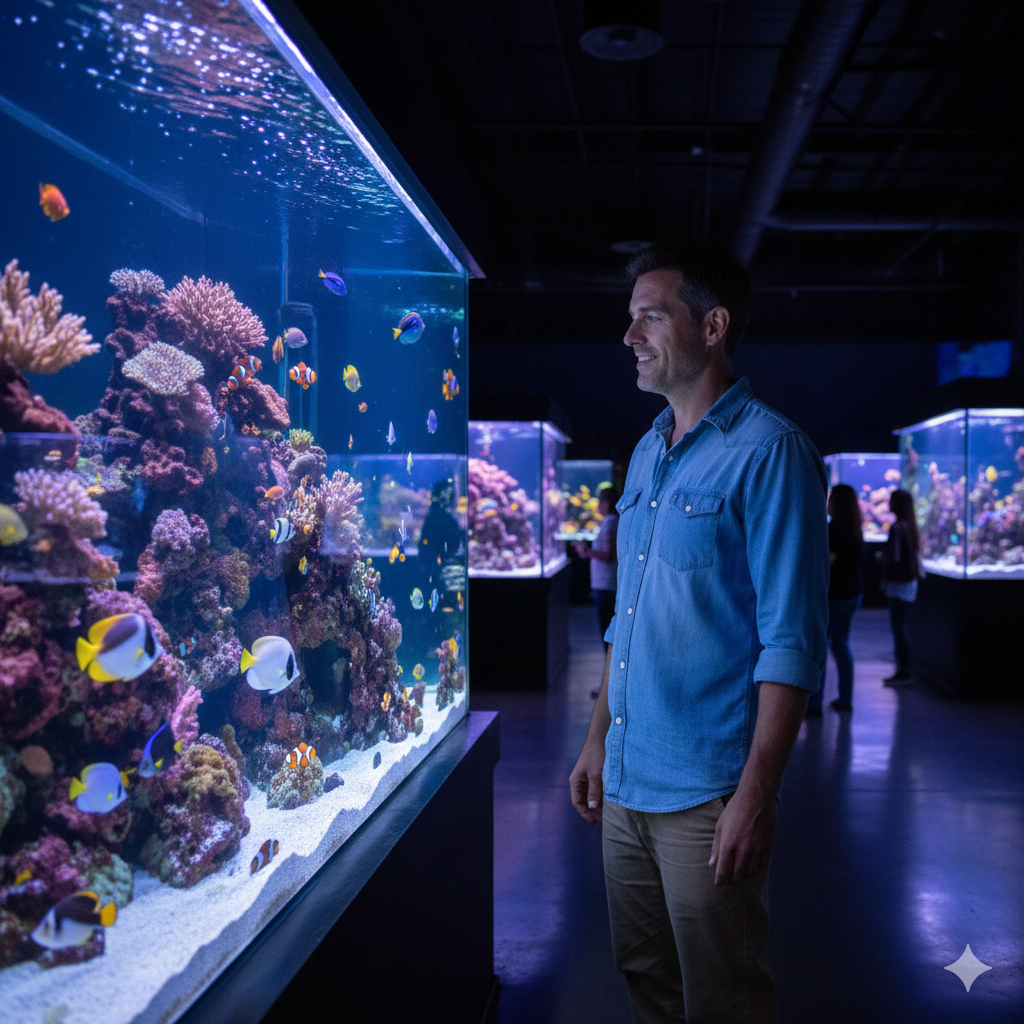
My name is Daniel Carter, I am 35 years old, and I live in the United States. I have been passionate about aquariums for many years, and what started as a simple hobby quickly became a lifelong interest in aquatic life, fish behavior, and responsible tank care.
Through TheBrightLance, I share real experiences, practical knowledge, and honest lessons learned from maintaining different types of aquariums. I enjoy testing equipment, studying fish behavior, improving maintenance routines, and helping beginners avoid common mistakes.
My goal is to make aquarism easier, more ethical, and more enjoyable for everyone — whether you are setting up your very first tank or looking to refine your techniques.