
The Aquarium Revelation: It All Started with Neglect
It’s funny, isn’t it? Sometimes, the most profound lessons come from our biggest mistakes. My journey into serious aquarium keeping started like many others – with a simple, well-intentioned setup. A ten-gallon tank, some colorful tetras, a couple of guppies, and the vague notion that I could “set it and forget it.” Oh, how wrong I was.
For the first few months, things seemed okay. The fish swam, the plants (mostly plastic, I admit) swayed gently, and I topped off the water now and then. But slowly, insidiously, the tank began to decline. Algae bloomed, clouding the water. The vibrant colors of my fish faded. And then, the worst happened: fish started dying. One by one, they succumbed to… well, I didn’t know what. I just knew I was failing them.
That’s when I had my aquarium revelation. This wasn’t a low-maintenance decoration; it was a miniature ecosystem, a delicate balance that required consistent care and attention. I had been neglecting my responsibilities, and my fish were paying the price. I decided then and there to change my ways, to learn everything I could about aquarium maintenance and create a truly thriving environment for my aquatic friends.
My Initial (and Clumsy) Attempts at Redemption
My first attempts at fixing the problem were, let’s just say, enthusiastic but misguided. I attacked the algae with a vengeance, scrubbing every surface until my arms ached. I did massive water changes, sometimes replacing half the tank’s volume at once. I bought every chemical additive the local pet store recommended, hoping for a quick fix.
The results were… mixed, at best. Sometimes the water would clear up for a day or two, only to become cloudy again. The fish seemed stressed by the sudden changes, and the remaining plants (I had upgraded to a few real ones by this point) looked even sadder than before. I was spinning my wheels, expending a lot of energy without making any real progress. It felt like I was treating the symptoms, not the underlying disease.
I realized I needed a plan, a systematic approach to maintenance. I started researching online, devouring articles, watching videos, and joining online forums. I learned about the nitrogen cycle, the importance of water parameters, the role of beneficial bacteria, and the delicate balance of light, nutrients, and CO2. It was like taking a crash course in aquatic biology, and honestly, I was fascinated.

The Power of a Consistent Routine
The turning point came when I finally understood the importance of consistency. It wasn’t about heroic interventions; it was about establishing a regular routine that kept the tank in balance. I developed a weekly maintenance schedule, and I stuck to it religiously. No matter how busy I was, I always found time to care for my aquarium.
My Weekly Ritual: A Step-by-Step Guide
Here’s what my weekly routine looks like now. It’s evolved over time, but the basic principles remain the same:
- Water Change (25%): I siphon out about 25% of the water, using a gravel vacuum to clean the substrate. This removes accumulated waste, uneaten food, and excess nutrients that can fuel algae growth.
- Algae Control: I use a magnetic algae scraper to clean the glass. For stubborn algae on plants or decorations, I carefully remove them and scrub them with a soft brush.
- Filter Maintenance: I rinse the filter media in used aquarium water (never tap water!) to remove debris. This preserves the beneficial bacteria colony that lives in the filter. I replace any disposable filter cartridges as needed.
- Plant Care: I trim any dead or dying leaves, prune overgrown plants, and add liquid fertilizer to provide essential nutrients.
- Water Parameter Testing: I use a test kit to check the pH, ammonia, nitrite, and nitrate levels. This helps me monitor the health of the tank and identify any potential problems before they become serious.
- Visual Inspection: I carefully observe the fish for any signs of illness or stress. I also check the equipment (heater, filter, lights) to make sure everything is functioning properly.
It sounds like a lot, but it only takes about an hour, and it’s become a relaxing and rewarding part of my week. It’s also worth noting that the specific details of this routine will vary depending on the size and type of aquarium, the fish and plants you keep, and your local water chemistry. The key is to find what works best for you and stick to it.
The Ripple Effect: Beyond the Weekly Chores
Consistency extends beyond the weekly maintenance routine. It also involves being mindful of things like feeding, lighting, and temperature. I feed my fish a small amount of high-quality food once a day, making sure they consume it all within a few minutes. Overfeeding is a common mistake that can lead to water quality problems. I also use a timer to control the aquarium lights, providing a consistent photoperiod of about 8-10 hours per day. This helps prevent algae blooms and promotes healthy plant growth. Finally, I monitor the water temperature regularly to ensure it stays within the optimal range for my fish species.
The Tangible Results: A Thriving Ecosystem
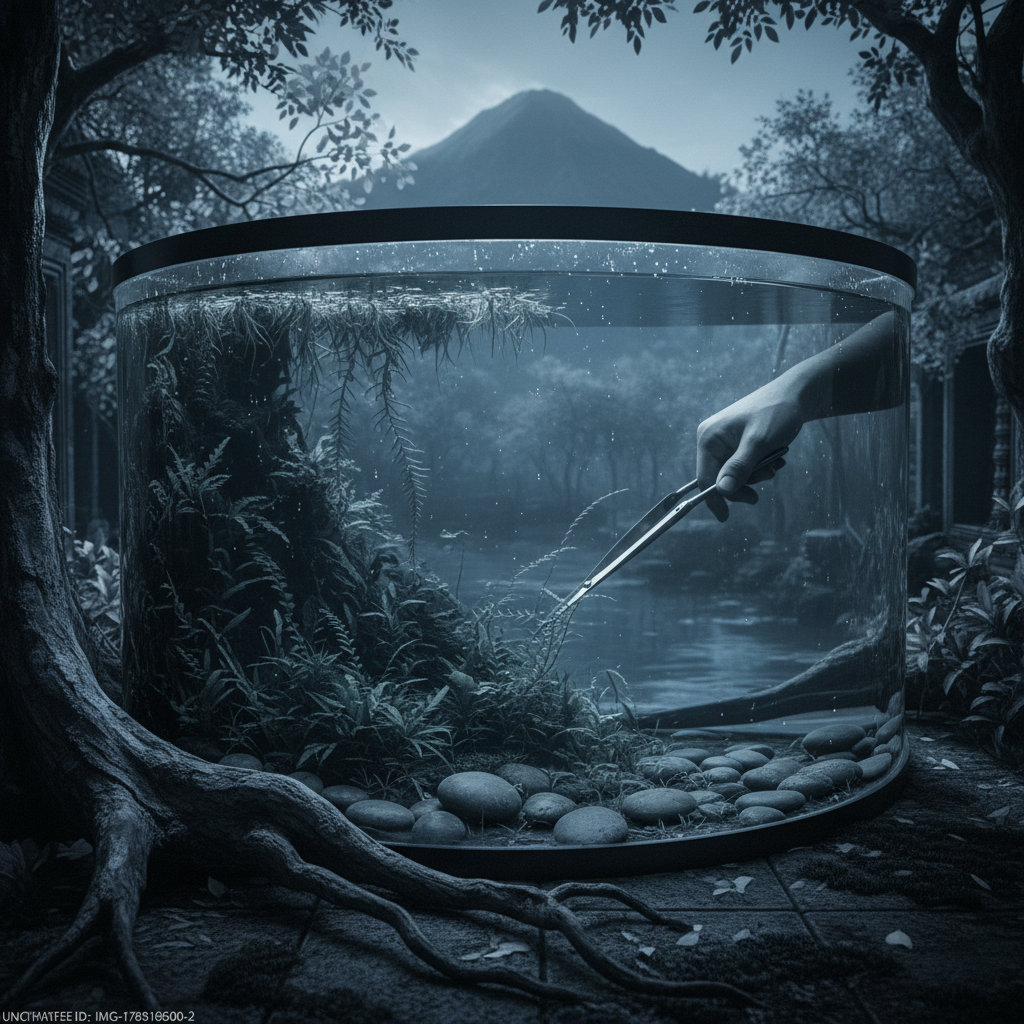
The results of my consistent maintenance efforts were nothing short of transformative. The water cleared up, the algae disappeared, and the plants exploded with growth. The fish regained their vibrant colors and began to thrive. They were more active, more playful, and more eager to greet me at the front of the tank. I even started to see them breeding, a sure sign that they were happy and healthy.
But the most rewarding aspect of all this was the sense of accomplishment. I had taken a neglected and struggling aquarium and turned it into a thriving ecosystem. I had learned a valuable lesson about responsibility, patience, and the importance of consistent effort. And I had discovered a new passion that would bring me joy for years to come.
A Case Study: Saving “Finny” the Neon Tetra
I remember one particular instance that really highlighted the power of consistent maintenance. One of my neon tetras, which I affectionately named “Finny,” started acting lethargic and developed a white, cotton-like growth on his fins. It was clearly a fungal infection, and I knew I had to act fast.
Instead of resorting to harsh chemicals, I relied on the principles of consistent maintenance. I increased the frequency of water changes, added aquarium salt to the water (which helps fight fungal infections), and made sure the water temperature was stable. I also quarantined Finny in a separate tank to prevent the infection from spreading to the other fish.
For several days, I diligently cared for Finny, monitoring his condition and performing small water changes in his quarantine tank. Slowly but surely, the fungal growth began to recede, and Finny’s energy levels improved. After about a week, he was completely healed, and I was able to reintroduce him to the main tank. The fact that I was able to save Finny without using any harsh chemicals was a testament to the power of consistent maintenance and a healthy aquarium environment.
Beyond Aesthetics: The Unexpected Benefits
The benefits of consistent aquarium maintenance extend far beyond just aesthetics and fish health. I’ve found that it’s also a great stress reliever. There’s something incredibly calming about watching the fish swim gracefully through the water, observing the intricate details of the plants, and tending to the needs of my miniature ecosystem. It’s a chance to disconnect from the stresses of daily life and reconnect with nature, even in a small way.
I’ve also noticed that keeping an aquarium has made me more observant and detail-oriented in other areas of my life. I’m more attuned to subtle changes in my environment, more aware of the importance of balance and harmony, and more appreciative of the beauty of the natural world. In a way, my aquarium has become a microcosm of the larger world, a constant reminder of the interconnectedness of all things.

Common Mistakes and How to Avoid Them
Over the years, I’ve seen many aquarium keepers make the same mistakes I did when I first started out. Here are some of the most common ones, along with tips on how to avoid them:
- Overfeeding: As I mentioned earlier, overfeeding is a major cause of water quality problems. Only feed your fish what they can consume in a few minutes, and remove any uneaten food promptly.
- Infrequent Water Changes: Regular water changes are essential for removing accumulated waste and maintaining a healthy water chemistry. Aim for 25% water changes every week or two, depending on the size and stocking level of your tank.
- Overcrowding: Overcrowding can lead to increased stress, disease, and water quality problems. Research the adult size and temperament of the fish you want to keep, and make sure your tank is large enough to accommodate them comfortably.
- Using Tap Water Without Treatment: Tap water often contains chlorine or chloramine, which are toxic to fish and beneficial bacteria. Always use a water conditioner to remove these chemicals before adding tap water to your aquarium.
- Neglecting Filter Maintenance: A properly functioning filter is essential for maintaining water quality. Rinse the filter media regularly in used aquarium water to remove debris, and replace any disposable filter cartridges as needed.
- Ignoring Water Parameter Testing: Regular water parameter testing can help you identify potential problems before they become serious. Invest in a test kit and monitor the pH, ammonia, nitrite, and nitrate levels in your tank.
The Myth of the “Self-Cleaning” Aquarium
There’s a persistent myth that some aquariums are “self-cleaning” or require very little maintenance. This is simply not true. All aquariums require regular maintenance to maintain a healthy environment for the fish and plants. While some advanced setups with complex filtration systems and carefully balanced ecosystems may require less frequent maintenance, they still need attention and care. Don’t fall for the marketing hype; there’s no such thing as a truly “self-cleaning” aquarium.
I also want to touch on the topic of “bio-load.” The bioload of an aquarium refers to the amount of waste produced by the inhabitants (fish, invertebrates, etc.). A higher bioload means more waste, which puts more strain on the filtration system and requires more frequent water changes. It’s crucial to match the bioload to the capacity of the aquarium and filtration system. Overstocking leads to a high bioload and, inevitably, to water quality problems and unhealthy fish.
My Current Setup: A Testament to Consistency
Today, my aquarium is a far cry from the neglected mess it once was. I now have a 40-gallon planted tank, home to a diverse community of fish, including tetras, rasboras, and a couple of peaceful corydoras catfish. The plants are lush and green, providing ample hiding places and creating a natural, aesthetically pleasing environment. The water is crystal clear, and the fish are thriving. It’s a testament to the power of consistent maintenance and a deep understanding of aquatic ecosystems.
I’ve also expanded my knowledge beyond just freshwater aquariums. I’ve started experimenting with different types of substrates, lighting systems, and CO2 injection methods to optimize plant growth. I’m constantly learning and experimenting, always striving to improve my aquarium keeping skills.

The Aquarium Hobby: More Than Just Fish
The aquarium hobby has become much more than just a pastime for me. It’s a source of relaxation, a creative outlet, and a constant learning experience. It’s also connected me with a vibrant community of fellow aquarists who share my passion for these miniature ecosystems. I’ve learned so much from others, and I’m always happy to share my own experiences and knowledge with newcomers to the hobby.
If you’re thinking about getting into aquarium keeping, I encourage you to do your research, be patient, and embrace the learning process. Don’t be afraid to make mistakes; everyone does. The key is to learn from those mistakes and keep striving to improve. And remember, consistent maintenance is the key to success. It’s not always easy, but the rewards are well worth the effort.
So, what started as a tale of aquarium neglect ultimately transformed into a journey of learning, growth, and a profound appreciation for the delicate balance of nature. My aquarium isn’t just a tank full of water and fish; it’s a living testament to the power of consistency, dedication, and a genuine love for the aquatic world. And that’s a lesson I’ll carry with me, far beyond the glass walls of my watery paradise.
My name is Daniel Carter, I am 35 years old, and I live in the United States. I have been passionate about aquariums for many years, and what started as a simple hobby quickly became a lifelong interest in aquatic life, fish behavior, and responsible tank care.
Through TheBrightLance, I share real experiences, practical knowledge, and honest lessons learned from maintaining different types of aquariums. I enjoy testing equipment, studying fish behavior, improving maintenance routines, and helping beginners avoid common mistakes.
My goal is to make aquarism easier, more ethical, and more enjoyable for everyone — whether you are setting up your very first tank or looking to refine your techniques.