
The Trials and Triumphs of a Freshwater Aquarist
Hi everyone, Lucas here. For over a decade now, I’ve been immersed in the captivating world of freshwater aquariums. I’ve experienced the highs of seeing a tiny fry grow into a magnificent adult, and the lows of battling mysterious illnesses that threaten to wipe out an entire community. It’s a journey filled with learning, adaptation, and a whole lot of problem-solving. I want to share some of the solutions that have actually worked for me, solutions born from experience and a healthy dose of trial and error.
My “Less is More” Philosophy
Early on, I fell into the trap of overcomplicating things. I thought the more gadgets and gizmos I added, the better my tank would be. I was wrong. I learned that simplicity is often the key to success. A well-established biological filter, regular water changes, and a keen eye for detail are far more important than the fanciest equipment. This philosophy has guided my approach to aquarium keeping, and it’s saved me a lot of headaches (and money) over the years.
Think about it: in nature, fish thrive in complex but ultimately balanced ecosystems. We strive to recreate that balance in a glass box. Sometimes, the less we interfere, the better. Of course, “less is more” doesn’t mean neglect. It means focusing on the essentials and avoiding unnecessary interventions that can disrupt the delicate equilibrium.
The Algae Apocalypse (and How I Survived It)
Algae. The bane of every aquarist’s existence. I remember one particularly bad outbreak that turned my tank into a murky green swamp. I tried everything – algaecides, UV sterilizers, even blacking out the tank for days. Nothing seemed to work. The algae just kept coming back, stronger than ever.
Then, I realized I was treating the symptom, not the cause. The root of the problem was an imbalance of nutrients. I was overfeeding my fish and not doing enough water changes. This led to a build-up of nitrates and phosphates, which are essentially fertilizer for algae.
My solution was multi-pronged:
* **Reduced Feeding:** I drastically cut back on the amount of food I was giving my fish. They were perfectly happy with less.
* **Increased Water Changes:** I started doing more frequent and larger water changes (25% twice a week).
* **Added Live Plants:** Live plants compete with algae for nutrients. I introduced a variety of fast-growing plants like hornwort and water sprite.
* **Introduced Algae Eaters:** A small group of otocinclus catfish and Amano shrimp became my algae-eating cleanup crew.
It took time, but eventually, the algae receded. The key was addressing the underlying nutrient imbalance and creating a balanced ecosystem where plants and algae eaters could thrive. It taught me a valuable lesson about the interconnectedness of everything in the aquarium.

Dealing with the Dreaded Ich
Ich, or white spot disease, is a common parasitic infection that can quickly spread through an aquarium. I’ve battled ich more times than I care to remember. In the early days, I used harsh medications that often did more harm than good. They wiped out my beneficial bacteria and stressed my fish.
Now, I take a more holistic approach. My go-to solution is a combination of heat and salt:
* **Increase Water Temperature:** I slowly raise the water temperature to 86°F (30°C). This speeds up the life cycle of the ich parasite, making it more vulnerable to treatment.
* **Add Aquarium Salt:** I add aquarium salt to the water at a concentration of 1 tablespoon per 5 gallons. Salt disrupts the parasite’s ability to osmoregulate, effectively killing it.
It’s crucial to monitor your fish closely during this treatment. Some species are more sensitive to salt and high temperatures than others. I also make sure to increase aeration to compensate for the reduced oxygen levels in warmer water.
I’ve found this method to be highly effective, and it’s much gentler on my fish than harsh chemicals. It’s also important to identify the source of the ich outbreak. It’s often introduced by new fish or plants. Quarantining new arrivals for a few weeks is a good way to prevent future outbreaks.
The Case of the Mysterious Fish Deaths
One of the most frustrating experiences as an aquarist is when fish start dying for no apparent reason. I went through a period where I was losing fish left and right, and I couldn’t figure out why. The water parameters were fine, the fish weren’t showing any obvious signs of disease, and I was feeding them a high-quality diet.
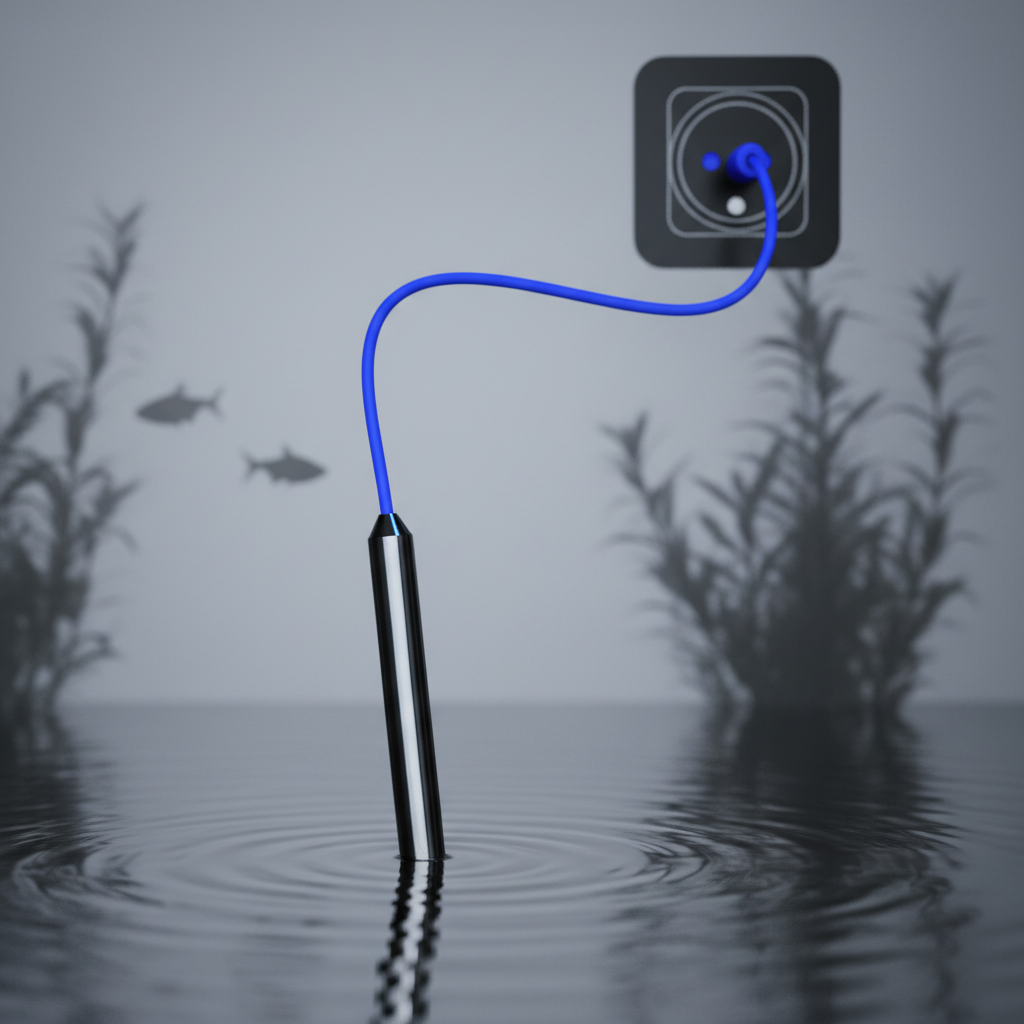
After weeks of investigation, I finally discovered the culprit: stray voltage. Apparently, a faulty heater was leaking a small amount of electricity into the water. This wasn’t enough to shock me when I touched the tank, but it was enough to stress my fish and weaken their immune systems.
I replaced the heater, and the fish deaths stopped immediately. It was a hard-won lesson in the importance of electrical safety around aquariums. Now, I always use a grounding probe to eliminate stray voltage and I regularly check my equipment for any signs of damage.
This experience taught me to be a detective. To look beyond the obvious and consider all the possibilities when troubleshooting problems in my aquarium. Sometimes, the solution is something you would never expect.
The Power of Patience and Observation
One of the most valuable lessons I’ve learned over the years is the importance of patience and observation. Rushing things, making drastic changes, or ignoring subtle signs of trouble can all lead to disaster.
I’ve seen so many beginners get impatient and try to cycle their tanks too quickly, resulting in ammonia spikes that kill their fish. I’ve also seen people overstock their tanks before the biological filter is fully established, leading to a cascade of problems.
The key is to take things slowly and pay attention to what your fish are telling you. Are they swimming actively? Are they eating well? Are they showing any signs of stress or disease? Regular observation is essential for detecting problems early on, before they become serious.
I spend at least 15 minutes each day just watching my tanks. I look for anything out of the ordinary – a fish that’s hiding, a plant that’s wilting, or a change in the water clarity. This simple habit has saved me countless times.
The Importance of Water Changes: A Deep Dive
I know, I know, water changes. It sounds boring, right? But trust me, regular water changes are the single most important thing you can do to maintain a healthy aquarium. They remove nitrates, replenish essential minerals, and help to keep the water clean and clear.
I’ve experimented with different water change schedules over the years. I’ve tried doing small water changes every day, large water changes once a month, and everything in between. What I’ve found works best for me is a combination of:
* **Weekly 25% Water Changes:** This is my standard routine for all my tanks. It keeps the water parameters stable and prevents the build-up of nitrates.
* **Occasional Larger Water Changes (50%):** I do a larger water change every few months to remove any accumulated organic waste.
It’s crucial to use dechlorinated water when doing water changes. Chlorine and chloramine are toxic to fish and beneficial bacteria. I use a water conditioner that instantly neutralizes these chemicals.
Also, I always match the temperature of the new water to the temperature of the aquarium water. A sudden temperature change can stress your fish.
Water changes are not just about removing nitrates. They’re about maintaining a stable and healthy environment for your fish. They’re an investment in the long-term health and well-being of your aquatic pets.

Choosing the Right Substrate: More Than Just Decoration
The substrate in your aquarium is more than just a decorative element. It plays a crucial role in the biological filtration process and provides a home for beneficial bacteria. Choosing the right substrate is essential for a healthy aquarium.
I’ve used a variety of substrates over the years, including gravel, sand, and specialized aquarium soils. Each has its own advantages and disadvantages.
* **Gravel:** Gravel is a popular and affordable choice. It provides good surface area for beneficial bacteria and is easy to clean. However, it can trap debris and uneaten food, which can lead to anaerobic conditions.
* **Sand:** Sand is a more natural-looking substrate that’s ideal for bottom-dwelling fish like corydoras. It’s also less likely to trap debris than gravel. However, it can become compacted over time, which can also lead to anaerobic conditions.
* **Aquarium Soils:** Aquarium soils are specially formulated to provide nutrients for plants. They’re a great choice for planted tanks, but they can be more expensive than gravel or sand. They also need to be replaced every few years as they become depleted of nutrients.
For most of my tanks, I prefer to use a combination of gravel and sand. I put a layer of gravel on the bottom for good drainage and then a layer of sand on top for a more natural look. I also add some root tabs to provide nutrients for my plants.
Ultimately, the best substrate for your aquarium depends on your specific needs and preferences. Consider the types of fish and plants you plan to keep, as well as your budget, when making your decision.
The Art of Planted Aquariums: A Balancing Act
Planted aquariums are not only beautiful, but they’re also beneficial for the health of your fish. Live plants help to oxygenate the water, remove nitrates, and provide shelter for fish.
However, creating and maintaining a planted aquarium can be challenging. It requires a careful balancing act of light, nutrients, and CO2.
I’ve experimented with different lighting systems over the years. I’ve used fluorescent lights, LED lights, and even metal halide lights. What I’ve found works best for me is a combination of LED lights and a CO2 injection system.
LED lights are energy-efficient and provide a full spectrum of light that’s ideal for plant growth. A CO2 injection system provides plants with the CO2 they need to photosynthesize.
I also fertilize my plants regularly with a liquid fertilizer that contains essential micronutrients. It’s important to choose a fertilizer that’s safe for fish.
The key to success with planted aquariums is to find the right balance of light, nutrients, and CO2. Too much of any one of these things can lead to algae problems.

My Biggest Takeaway: Never Stop Learning
The world of aquariums is constantly evolving. There are always new technologies, new techniques, and new species of fish and plants to discover. One of the things I love most about this hobby is that there’s always something new to learn.
I’ve made plenty of mistakes over the years, but I’ve learned from every one of them. I’ve also learned a lot from other aquarists. The aquarium community is a supportive and knowledgeable group of people who are always willing to share their experiences and advice.
My biggest takeaway from my years of experience is to never stop learning. Read books, watch videos, join online forums, and talk to other aquarists. The more you learn, the better you’ll be able to care for your fish and create a thriving aquarium ecosystem. And remember, patience and observation are your best allies in this rewarding and fascinating hobby. It’s a journey of continuous learning and adaptation.
My name is Daniel Carter, I am 35 years old, and I live in the United States. I have been passionate about aquariums for many years, and what started as a simple hobby quickly became a lifelong interest in aquatic life, fish behavior, and responsible tank care.
Through TheBrightLance, I share real experiences, practical knowledge, and honest lessons learned from maintaining different types of aquariums. I enjoy testing equipment, studying fish behavior, improving maintenance routines, and helping beginners avoid common mistakes.
My goal is to make aquarism easier, more ethical, and more enjoyable for everyone — whether you are setting up your very first tank or looking to refine your techniques.