
The Never-Ending Quest for Clarity: My Aquarium Journey
As an aquarium hobbyist for over a decade, I can tell you that achieving and maintaining crystal-clear water in your aquarium is not just about aesthetics – it’s a fundamental aspect of ensuring a healthy and thriving ecosystem for your aquatic friends. I’m Lucas Anderson, and I live here in sunny Orlando, Florida. I’ve been captivated by the underwater world since I was a kid, and that passion has only grown stronger. Over the years, I’ve learned a lot about the delicate balance required to keep an aquarium not just alive, but flourishing. And one of the biggest lessons? Clear water equals happy fish.
I remember my early days in the hobby – oh, the mistakes I made! Cloudy water, algae blooms, inexplicable fish deaths… you name it, I probably experienced it. I was so eager to get started that I jumped in headfirst without fully understanding the science behind it. I quickly learned that keeping an aquarium is more than just throwing some fish into a tank of water. It’s about creating a miniature world, a self-sustaining ecosystem that requires careful planning, consistent maintenance, and a healthy dose of patience. But through trial and error, countless hours of research, and a lot of persistence, I’ve developed a system that works for me. And I’m excited to share those insights with you.
So, what are the key factors in achieving and maintaining that coveted crystal-clear water? It’s a multifaceted approach that involves understanding the nitrogen cycle, choosing the right filtration, maintaining proper water parameters, and implementing a regular maintenance schedule. It’s not a one-size-fits-all solution, and what works for my tank might need to be tweaked for yours, but the underlying principles remain the same. Let’s dive in!
Understanding the Nitrogen Cycle: The Foundation of a Healthy Aquarium
This is where everything starts. The nitrogen cycle is the cornerstone of a healthy aquarium. Simply put, it’s the natural process by which harmful waste products, produced by your fish and decaying organic matter, are converted into less harmful substances. It goes like this: Fish produce ammonia (NH3) as waste. Ammonia is highly toxic to fish. Beneficial bacteria, which colonize your filter media, convert ammonia into nitrite (NO2), which is also toxic, though less so than ammonia. Another type of beneficial bacteria then converts nitrite into nitrate (NO3), which is much less toxic and can be removed through regular water changes.
Establishing a healthy nitrogen cycle is crucial, especially when setting up a new aquarium. This process is called “cycling” the tank. You can cycle a tank with fish (a method I don’t recommend due to the stress it puts on the fish) or without fish (using ammonia or fish food as a source of ammonia). The fishless method is generally considered more humane and allows you to establish a robust colony of beneficial bacteria before introducing any livestock. It takes time, usually several weeks, but the results are well worth the effort.
Once the nitrogen cycle is established, it’s essential to maintain it. Avoid overfeeding your fish, as this can lead to excess ammonia production. Regularly test your water parameters (ammonia, nitrite, nitrate, pH) to ensure everything is within the safe range. If you detect ammonia or nitrite, it indicates that the nitrogen cycle is disrupted and needs immediate attention. Addressing imbalances quickly can prevent serious problems and keep your fish healthy and happy. I usually test my water once a week, religiously. It’s a small effort that pays off big time.

Filtration: Your Aquarium’s Lifeline
Proper filtration is non-negotiable for maintaining clear and stable water. Your filter is essentially the kidneys of your aquarium, removing waste and debris and providing a habitat for beneficial bacteria. There are three main types of filtration: mechanical, chemical, and biological. A good filter will incorporate all three.
Mechanical Filtration: Removing the Big Stuff
Mechanical filtration involves physically removing particulate matter from the water. This includes uneaten food, fish waste, plant debris, and other suspended particles. The most common types of mechanical filtration are sponges, filter floss, and filter pads. These materials trap debris as water passes through them.
I personally use a combination of coarse sponges and fine filter floss in my canister filter. The coarse sponges trap larger particles, while the filter floss removes finer particles, polishing the water to a sparkling clarity. It’s important to clean or replace your mechanical filter media regularly, as accumulated debris can impede water flow and reduce filtration efficiency. I typically rinse my sponges every two weeks and replace my filter floss every week. This might seem like a lot of work, but it makes a huge difference in water clarity.
Chemical Filtration: Dealing with Dissolved Impurities
Chemical filtration involves removing dissolved impurities from the water, such as tannins (which can cause yellow water), medications, and other unwanted chemicals. The most common types of chemical filter media are activated carbon, resins, and peat moss. Activated carbon is particularly effective at removing a wide range of impurities and is a staple in many aquariums. However, it needs to be replaced regularly as it loses its effectiveness over time.
I use activated carbon in my filter, but I only use it when necessary, such as after medicating my fish or when I notice a slight yellow tint in the water. For everyday filtration, I rely primarily on mechanical and biological filtration. This is because activated carbon can also remove beneficial trace elements from the water, which are important for plant growth. It’s a balancing act.
Biological Filtration: The Power of Bacteria
Biological filtration, as mentioned earlier, is the process by which beneficial bacteria convert harmful waste products into less harmful substances. This is arguably the most important type of filtration, as it’s essential for maintaining a healthy nitrogen cycle. Biological filter media, such as ceramic rings, bio-balls, and lava rock, provide a large surface area for beneficial bacteria to colonize. The more surface area, the more bacteria can grow, and the more efficient the filtration.
I use a combination of ceramic rings and bio-balls in my canister filter. I also have a sponge filter running in my tank, which provides additional biological filtration and also acts as a backup in case my canister filter fails. It’s important to never clean all of your biological filter media at once, as this can disrupt the nitrogen cycle. Instead, clean a portion of the media at a time, and always rinse it in used aquarium water, not tap water (tap water contains chlorine, which can kill beneficial bacteria). I usually clean about one-third of my biological filter media every few months.
Water Changes: The Simple Yet Powerful Tool
Regular water changes are another essential component of maintaining clear and stable water. Water changes remove accumulated nitrates, replenish essential minerals, and help to maintain stable water parameters. How often and how much water you should change depends on several factors, including the size of your tank, the number of fish, and the amount of plants. As a general rule, I recommend changing 25-50% of the water every 1-2 weeks.
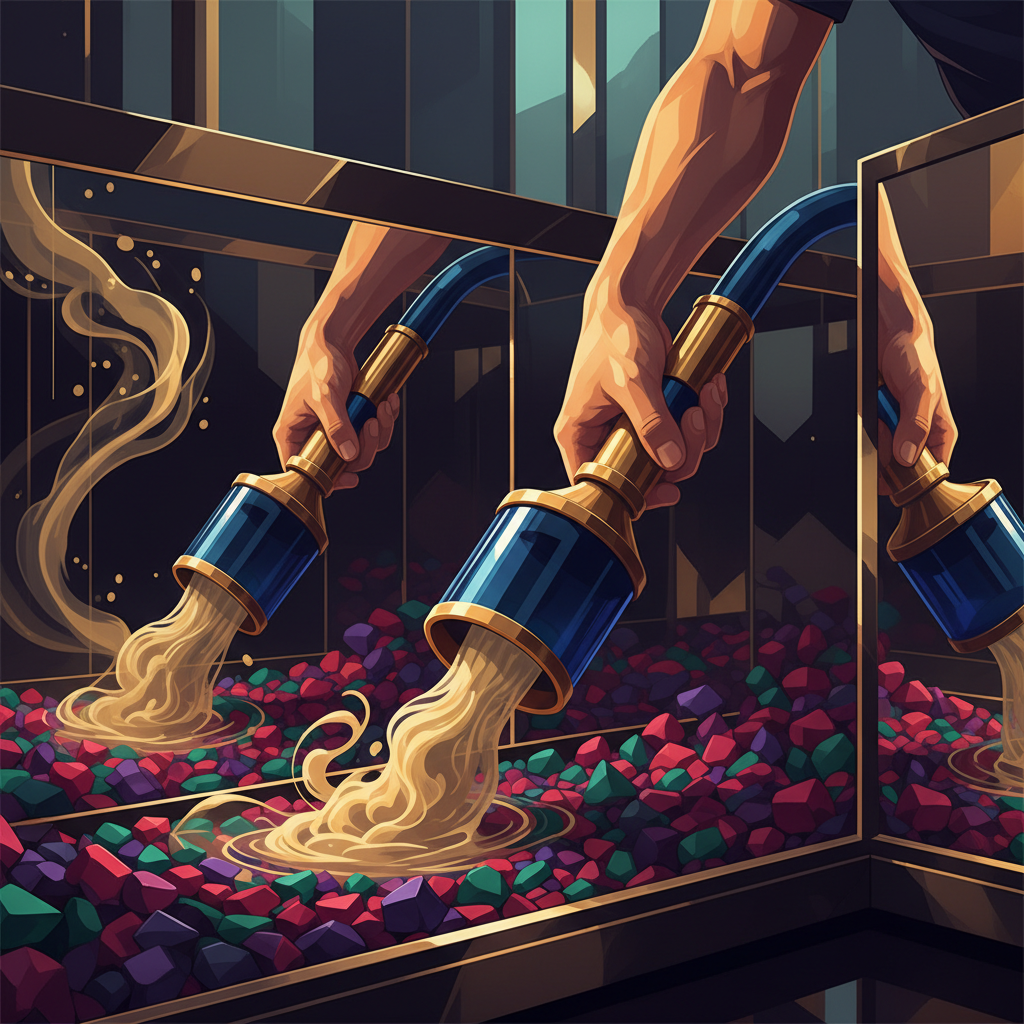
I personally change 50% of the water in my tank every week. I use a gravel vacuum to siphon the water, which also helps to remove debris from the substrate. When adding new water, it’s important to match the temperature and pH of the existing water. I also add a dechlorinator to remove chlorine and chloramine from the tap water, which are harmful to fish and beneficial bacteria. I cannot stress enough the importance of dechlorinating your water. I’ve seen too many people lose fish because they skipped this crucial step.
Doing water changes can feel like a chore, but it’s really the single most effective thing you can do to keep your tank healthy. Think of it as a reset button for your aquarium. Plus, it gives you a chance to really look at your tank and spot any potential problems early on.
Lighting and Algae Control: Finding the Right Balance
Proper lighting is essential for plant growth, but too much light can lead to algae blooms, which can cloud the water and make your aquarium look unsightly. The key is to find the right balance between providing enough light for your plants and preventing algae growth. The type of lighting you need will depend on the types of plants you have. Low-light plants, such as Java fern and Anubias, require less light than high-light plants, such as Rotala and Ludwigia.
I use LED lighting in my aquarium, which is energy-efficient and provides a good spectrum of light for plant growth. I have my lights on for about 8 hours a day. I’ve found that this is enough to support healthy plant growth without promoting excessive algae growth. It’s also important to position your aquarium away from direct sunlight, as this can also contribute to algae blooms.
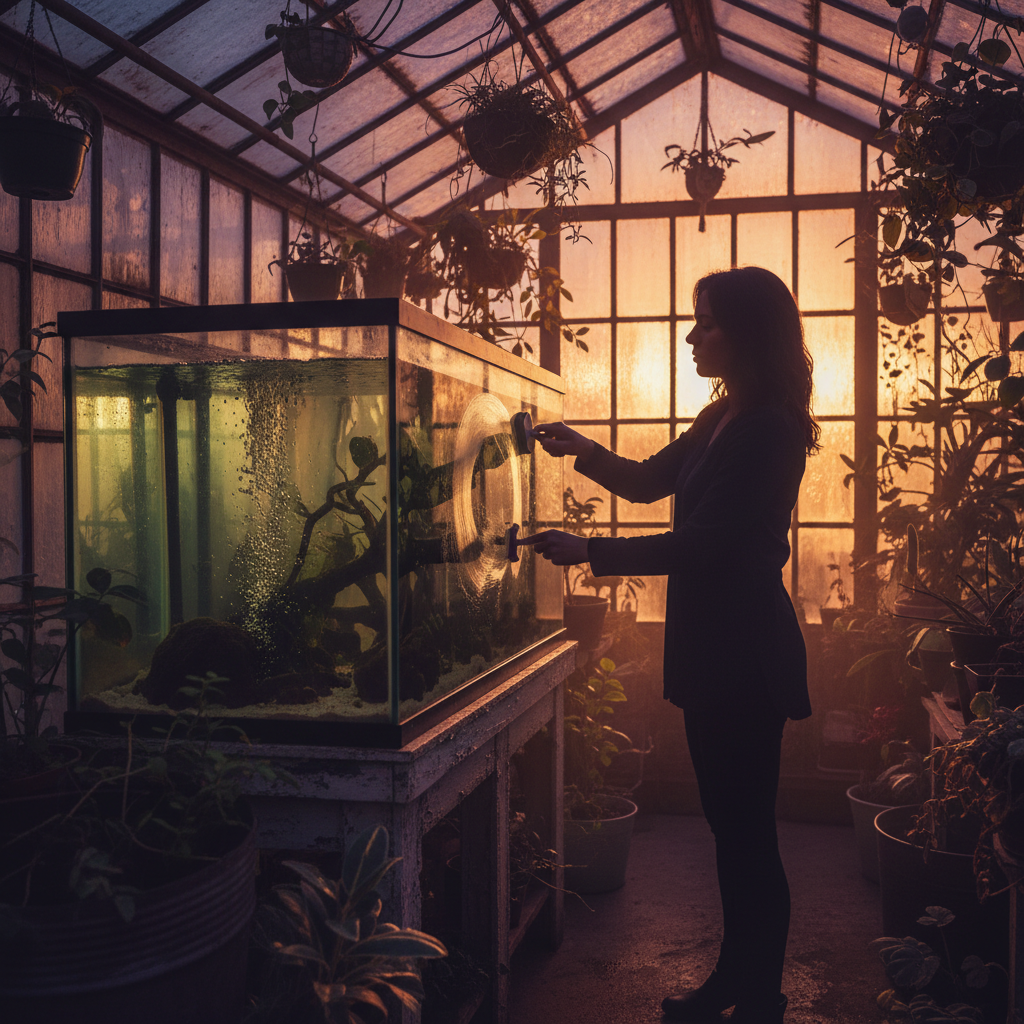
Even with proper lighting, algae can still be a problem. There are several ways to control algae, including manual removal, algae-eating fish and invertebrates, and chemical treatments. I prefer to use a combination of manual removal and algae-eating fish. I regularly scrape algae off the glass with a scraper, and I have a few snails and shrimp in my tank that help to keep the algae under control. I only resort to chemical treatments as a last resort, as they can be harmful to fish and plants if used improperly.
A few of my favorite algae eaters are Nerite snails, Amano shrimp, and Otocinclus catfish. They are all relatively peaceful and effective at controlling different types of algae. However, it’s important to research the specific needs of these animals before adding them to your tank, as some of them can be sensitive to water parameters.
Substrate and Decoration: Choosing the Right Materials
The type of substrate you use can also affect water clarity. Some substrates, such as soil-based substrates, can release ammonia and other nutrients into the water, which can cloud the water and promote algae growth. Other substrates, such as gravel and sand, are relatively inert and do not affect water parameters. When choosing a substrate, it’s important to consider the needs of your plants and fish. If you plan to keep plants, you’ll need a substrate that provides adequate nutrients. If you plan to keep fish that like to dig, you’ll need a substrate that is soft and easy to dig in.
I use a combination of gravel and sand in my aquarium. I have a layer of gravel on the bottom, which provides good drainage and aeration, and a layer of sand on top, which is easy for my fish to dig in. I also use a few pieces of driftwood and rocks as decorations. It’s important to choose decorations that are aquarium-safe and won’t leach harmful chemicals into the water. Avoid using rocks or driftwood that you find outside, as they may contain harmful bacteria or parasites. I always boil my driftwood before adding it to my tank to kill any potential pathogens.
When arranging your substrate and decorations, try to create a natural-looking environment for your fish. Provide plenty of hiding places and open swimming areas. This will help to reduce stress and make your fish feel more comfortable. It’s amazing how much a well-aquascaped tank can improve the overall health and happiness of your fish. I truly believe they appreciate having a space that mimics their natural habitat.
Feeding Practices: Less is Often More
Overfeeding is a common mistake that many beginners make. Uneaten food decomposes and releases ammonia into the water, which can cloud the water and harm your fish. It’s better to underfeed your fish than to overfeed them. Feed your fish only as much as they can eat in a few minutes. If you see food left over after a few minutes, remove it with a net.
I feed my fish a variety of foods, including flakes, pellets, and frozen foods. I also supplement their diet with live foods, such as bloodworms and brine shrimp, a few times a week. This provides them with essential nutrients and helps to keep them healthy and active. I try to vary their diet as much as possible to ensure they are getting all the nutrients they need. It’s like feeding a balanced diet to a human – variety is key!
I also fast my fish one day a week. This helps to clear their digestive systems and prevent constipation. It’s also a good way to reduce the amount of waste in the tank. Don’t worry, your fish won’t starve if you skip a day of feeding. In fact, it’s often beneficial for them.

Choosing the Right Fish: Compatibility and Bio-load
When choosing fish for your aquarium, it’s important to consider their compatibility and bio-load. Compatibility refers to how well the fish get along with each other. Some fish are aggressive and territorial, while others are peaceful and community-oriented. Bio-load refers to the amount of waste that the fish produce. Some fish produce more waste than others, which can affect water quality.
I always research the specific needs of each fish before adding them to my tank. I make sure that they are compatible with the other fish and that my tank is large enough to accommodate their adult size. It’s also important to quarantine new fish before adding them to your main tank. This helps to prevent the spread of diseases and parasites. I keep new fish in a separate quarantine tank for at least two weeks before introducing them to my main tank. This gives me time to observe them for any signs of illness.
Avoid overcrowding your tank. Overcrowding can lead to increased stress, disease, and poor water quality. A good rule of thumb is to allow one inch of fish per gallon of water. However, this is just a general guideline, and some fish require more space than others. It’s always better to err on the side of caution and provide your fish with plenty of room to swim.
Regular Maintenance Schedule: Consistency is Key
Maintaining clear and stable water requires a consistent maintenance schedule. Here’s my weekly routine:
- Daily: Observe fish for any signs of illness, feed fish, remove any uneaten food.
- Weekly: Test water parameters (ammonia, nitrite, nitrate, pH), change 50% of the water, vacuum the substrate, clean the glass.
- Bi-weekly: Rinse mechanical filter media (sponges, filter floss).
- Monthly: Trim plants, prune roots, clean decorations.
- Every few months: Clean a portion of the biological filter media, replace activated carbon (if used).
This is just a general guideline, and you may need to adjust your maintenance schedule based on the specific needs of your aquarium. The key is to be consistent and proactive. By addressing problems early on, you can prevent them from becoming major issues.
Troubleshooting Common Problems: Don’t Panic!
Even with the best planning and maintenance, problems can still arise. Here are a few common problems and how to troubleshoot them:
- Cloudy water: This can be caused by a bacterial bloom, excessive algae growth, or particulate matter. Check your water parameters and adjust your feeding and lighting accordingly.
- Algae blooms: This can be caused by excessive light, excess nutrients, or poor water circulation. Reduce the amount of light, perform regular water changes, and add algae-eating fish or invertebrates.
- Fish diseases: This can be caused by stress, poor water quality, or introducing infected fish. Quarantine new fish, maintain good water quality, and treat infected fish with appropriate medications.
Don’t panic if you encounter a problem. Take a deep breath and systematically troubleshoot the issue. There are plenty of resources available online and in your local fish store to help you diagnose and treat aquarium problems. I’ve learned that most problems are easily solvable with a little patience and research.
My Personal Experience: Lessons Learned the Hard Way
Over the years, I’ve made my fair share of mistakes. I’ve lost fish due to poor water quality, I’ve battled algae blooms that seemed impossible to eradicate, and I’ve spent countless hours troubleshooting problems that could have been avoided with better planning. But through these experiences, I’ve learned valuable lessons that have made me a better aquarist. One of the biggest lessons I’ve learned is the importance of patience. Keeping an aquarium is not a race. It takes time to establish a healthy ecosystem and to grow beautiful plants and fish. Don’t rush things. Take your time, do your research, and enjoy the process.
Another important lesson I’ve learned is the value of community. There are countless other aquarium hobbyists out there who are willing to share their knowledge and experiences. Join a local aquarium club, participate in online forums, and don’t be afraid to ask questions. You can learn so much from others, and you can also make some great friends along the way. I’ve found that the aquarium hobby is a very supportive and welcoming community.
And finally, I’ve learned that keeping an aquarium is not just a hobby, it’s a passion. It’s a way to connect with nature, to create something beautiful, and to learn about the wonders of the underwater world. It’s a challenging but rewarding experience that I wouldn’t trade for anything. So, if you’re considering starting an aquarium, I encourage you to take the plunge. With a little planning, effort, and patience, you can create a stunning and thriving aquatic world that you can enjoy for years to come. And who knows, maybe one day you’ll be sharing your own experiences and tips with other aspiring aquarists. It’s all about the journey, and the clear, beautiful water is just the beginning.
My name is Daniel Carter, I am 35 years old, and I live in the United States. I have been passionate about aquariums for many years, and what started as a simple hobby quickly became a lifelong interest in aquatic life, fish behavior, and responsible tank care.
Through TheBrightLance, I share real experiences, practical knowledge, and honest lessons learned from maintaining different types of aquariums. I enjoy testing equipment, studying fish behavior, improving maintenance routines, and helping beginners avoid common mistakes.
My goal is to make aquarism easier, more ethical, and more enjoyable for everyone — whether you are setting up your very first tank or looking to refine your techniques.