
The True Cost of Neglect: My Early Mistakes
Alright folks, Lucas Anderson here, coming to you live (figuratively speaking, of course) from sunny Orlando, Florida. I want to talk about something near and dear to my heart, and hopefully something near and dear to yours: aquarium maintenance. Now, I know what you’re thinking: “Maintenance? Ugh, sounds boring!” And honestly, yeah, sometimes it is. But it’s also the single most important factor in having a thriving, beautiful aquarium that you can actually enjoy. Trust me, I learned this the hard way.
Back in the day, when I first got into this hobby, I was all about the flashy fish and the cool decorations. Maintenance? That was for chumps. I figured, throw in some food, maybe change a little water every now and then, and everything would be peachy. Boy, was I wrong. My first tank, a humble 20-gallon, quickly devolved into a murky green swamp. The fish were lethargic, the plants were covered in algae, and the whole thing smelled… well, let’s just say it wasn’t pleasant. It was a disaster, a complete and utter failure. And the worst part was, I didn’t understand why.
I remember staring at that algae-ridden tank, feeling frustrated and defeated. I’d spent all this money on the equipment, the fish, the decorations, and for what? A disgusting eyesore. I almost gave up on the hobby entirely. But something inside me, a stubborn refusal to admit defeat, kept me going. I started researching, reading everything I could get my hands on about aquarium maintenance. I learned about the nitrogen cycle, about water chemistry, about the importance of filtration and proper lighting. And slowly, painstakingly, I started to understand where I had gone wrong.
The truth is, regular maintenance isn’t just about keeping your tank looking pretty (though that’s definitely a nice bonus). It’s about creating a stable, healthy environment for your fish and plants. It’s about preventing problems before they start, and about catching them early if they do. It’s about understanding the delicate balance of your ecosystem and doing your part to maintain it. And honestly, once you get into a routine, it’s not nearly as daunting as it seems. In fact, I’ve found it to be quite therapeutic. There’s something incredibly satisfying about watching your aquarium thrive, knowing that you played a part in its success.
Beyond the Basics: Understanding the “Why”
So, what exactly does “regular maintenance” really mean in practice? Well, it’s more than just slapping some algae cleaner on the glass and calling it a day. It’s a holistic approach that encompasses several key areas. Let’s dive deeper.
First and foremost, there’s water changes. This is probably the single most important thing you can do for your aquarium. Regular water changes remove nitrates, which are a byproduct of the nitrogen cycle and can be harmful to fish in high concentrations. They also replenish essential minerals and trace elements that are depleted over time. The frequency and amount of water you need to change will depend on the size of your tank, the number of fish, and the type of filtration you have. A good rule of thumb is to change 25-50% of the water every one to two weeks.
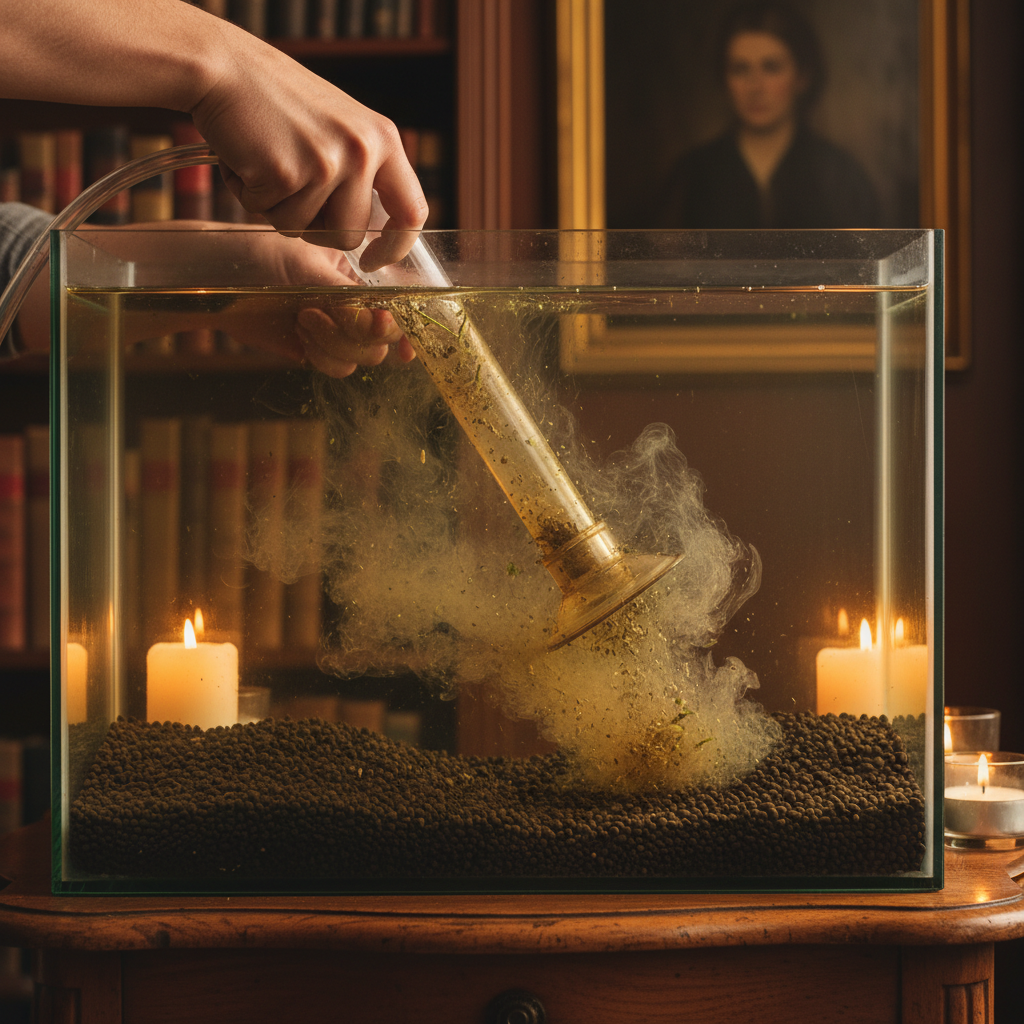
Then there’s substrate cleaning. Over time, uneaten food and fish waste will accumulate in the substrate, creating a breeding ground for harmful bacteria. A gravel vacuum, also known as a siphon, is your best friend here. It allows you to gently stir up the substrate and remove debris without disturbing the beneficial bacteria that live there. I usually vacuum about half of the substrate each week, alternating sections to avoid disrupting the biological filter too much. Think of it like spring cleaning for your aquarium floor!
Filtration is another crucial aspect of maintenance. Your filter is responsible for removing solid waste, ammonia, and other harmful substances from the water. It’s important to clean your filter regularly to ensure that it’s functioning properly. However, you don’t want to clean it too thoroughly, as this can remove the beneficial bacteria that colonize the filter media. A good approach is to rinse the filter media in used aquarium water, rather than tap water, to preserve the bacteria. I generally clean my filter every two to three weeks, depending on how heavily stocked my tank is.
Finally, there’s algae control. Algae is a natural part of any aquarium ecosystem, but excessive algae growth can be unsightly and can even harm your fish and plants. There are several ways to control algae, including proper lighting, nutrient control, and the introduction of algae-eating fish or invertebrates. I personally prefer a combination of methods. I use a timer to control the amount of light my tank receives, I regularly test my water for nitrates and phosphates, and I keep a small team of algae eaters, such as snails and shrimp, to help keep things in check.
My Personal Maintenance Routine: A Week in the Life of an Aquarium
Alright, let’s get down to the nitty-gritty. What does my actual maintenance routine look like? Well, it varies a bit depending on the specific tank, but here’s a general overview of my weekly schedule.
Monday: Observation and Minor Adjustments
Monday is my “check-in” day. I spend about 15-20 minutes just observing each of my tanks. I look for any signs of illness in the fish, any unusual algae growth, or any other potential problems. I also check the water temperature and make sure all the equipment is functioning properly. If I notice anything out of the ordinary, I’ll address it immediately. This might involve adjusting the lighting, adding a small dose of fertilizer, or simply removing a few stray leaves from the plants.
Wednesday: Water Change and Substrate Vacuuming (Tank A)
Wednesday is water change day for one of my tanks (I stagger them throughout the week). I usually change about 30% of the water, using a dechlorinator to remove any harmful chemicals from the tap water. While the water is draining, I use a gravel vacuum to clean about half of the substrate. I make sure to be gentle and avoid disturbing the plants too much. Once the vacuuming is done, I refill the tank with fresh water, making sure the temperature is the same as the existing water.
Thursday: Filter Maintenance (Tank B)
Thursday, another tank gets some love. It’s time for filter maintenance. I remove the filter media and rinse it gently in used aquarium water. I avoid using tap water, as this can kill the beneficial bacteria. I also clean the filter housing and impeller to remove any debris that may have accumulated. Once everything is clean, I reassemble the filter and put it back in the tank.
Friday: Water Change and Substrate Vacuuming (Tank B)
Friday mirrors Wednesday, but for the other tank. Water change and gravel vacuuming, same process as described above.
Saturday: Plant Trimming and General Cleanup
Saturday is my “big picture” day. I spend a bit more time on each tank, focusing on plant trimming and general cleanup. I remove any dead or decaying leaves from the plants, trim back any overgrown stems, and rearrange the decorations if necessary. I also use an algae scraper to clean the glass and remove any stubborn algae spots. This is also when I might add any new plants or decorations to the tank.
Sunday: Rest and Enjoy!
Sunday is my day off! I take a break from maintenance and simply enjoy the beauty of my aquariums. I might spend some time observing the fish, watching them interact with each other and with their environment. Or I might just sit back and relax, letting the gentle sounds of the water soothe my mind.
Of course, this is just a general guideline. The specific tasks and frequency of maintenance will vary depending on the needs of each individual tank. The key is to be observant, pay attention to your fish and plants, and adjust your routine accordingly. Remember that prevention is always better than cure. By staying on top of maintenance, you can avoid many of the common problems that plague aquarium keepers, such as algae blooms, disease outbreaks, and poor water quality.
Tools of the Trade: Essential Equipment for Easy Maintenance
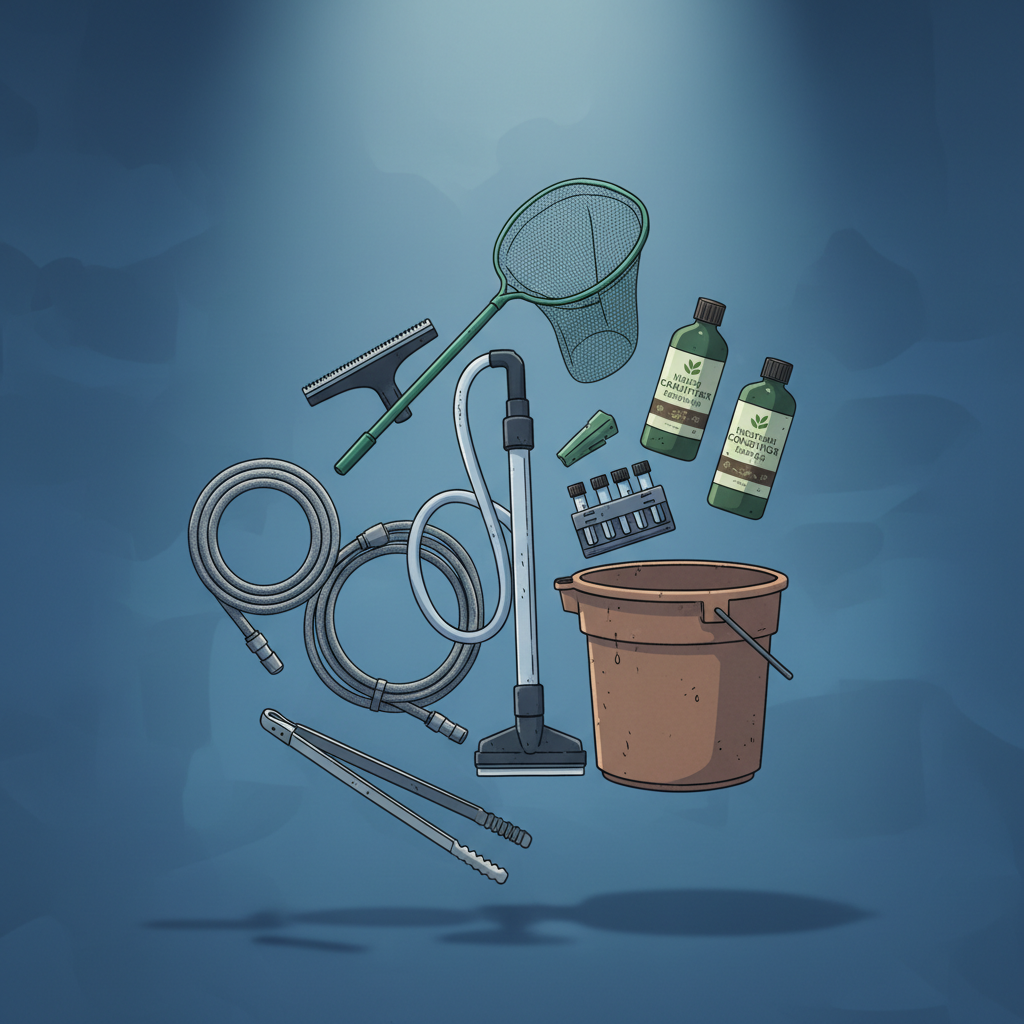
Having the right tools can make all the difference when it comes to aquarium maintenance. Here are a few essential items that I wouldn’t be without:
- Gravel Vacuum: As mentioned earlier, this is essential for cleaning the substrate and removing debris.
- Algae Scraper: This is used to clean the glass and remove algae. There are various types available, including magnetic scrapers, blade scrapers, and scrub pads.
- Water Conditioner: This is used to remove chlorine and other harmful chemicals from tap water.
- Test Kit: This is used to monitor the water parameters, such as pH, ammonia, nitrite, and nitrate.
- Bucket: A clean bucket is essential for water changes.
- Siphon Hose: This is used to drain water from the tank.
- Aquarium Tongs: These are used to reach into the tank and move decorations or plants.
- Net: A net is used to catch fish when necessary.
Investing in quality tools will not only make maintenance easier, but it will also help you to keep your aquarium in top condition. Don’t skimp on these essentials. A cheap tool that breaks easily will end up costing you more in the long run.
Common Mistakes and How to Avoid Them
Even with the best intentions, it’s easy to make mistakes when it comes to aquarium maintenance. Here are a few common pitfalls to watch out for:
- Overfeeding: This is one of the most common mistakes, and it can lead to a host of problems, including algae blooms, poor water quality, and disease. Only feed your fish what they can consume in a few minutes.
- Overcrowding: Too many fish in a small tank can quickly overwhelm the filtration system and lead to poor water quality. Research the adult size of your fish before you buy them, and make sure you have enough space for them to thrive.
- Neglecting Water Changes: Water changes are essential for removing nitrates and replenishing essential minerals. Don’t skip them!
- Cleaning the Filter Too Thoroughly: As mentioned earlier, you don’t want to kill the beneficial bacteria that live in the filter. Rinse the media gently in used aquarium water, rather than tap water.
- Using Soap or Detergents: Never use soap or detergents to clean your aquarium or equipment. These can be toxic to fish.
- Ignoring Warning Signs: Pay attention to your fish and plants. If you notice any signs of illness or distress, address the problem immediately.
By being aware of these common mistakes, you can avoid them and keep your aquarium healthy and thriving. Remember, a little bit of prevention goes a long way.
Case Study: Rescuing a Neglected Aquarium
I once had a friend who inherited an aquarium from a relative who had passed away. The tank had been neglected for months, and it was in terrible condition. The water was murky, the plants were dead, and the fish were barely alive. He asked me for help, and I was happy to lend a hand.
The first thing we did was to remove all the fish and place them in a quarantine tank. Then, we completely emptied the aquarium and scrubbed it clean. We replaced the substrate, added fresh water, and installed a new filter. We also added some new plants and decorations.
Once the aquarium was set up, we started to gradually reintroduce the fish. We monitored them closely for any signs of stress or illness. Over the next few weeks, we performed regular water changes and added beneficial bacteria to help establish the biological filter. Slowly but surely, the aquarium began to recover.
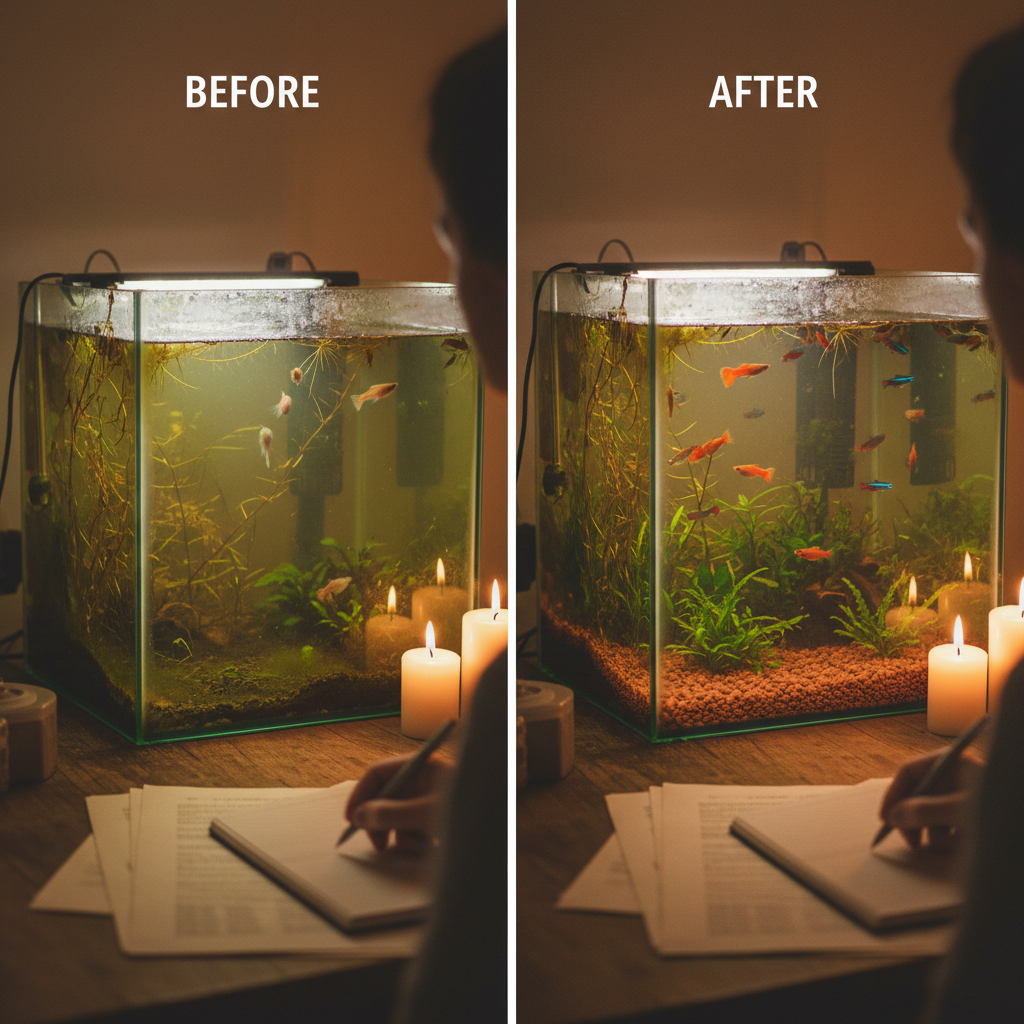
Within a few months, the tank was thriving. The water was crystal clear, the plants were lush and green, and the fish were healthy and active. My friend was amazed at the transformation. He had gone from inheriting a neglected eyesore to owning a beautiful and thriving aquarium. It was a testament to the power of regular maintenance and a reminder that even the most neglected tanks can be rescued with a little bit of effort.
The Ripple Effect: How Maintenance Impacts the Entire Ecosystem
It’s easy to think of aquarium maintenance as just a chore, a series of tasks to check off a list. But it’s so much more than that. It’s about creating and maintaining a healthy, balanced ecosystem within a glass box. And the effects of good (or bad) maintenance ripple throughout the entire system.
Think of it like this: your aquarium is a miniature world. The fish, plants, bacteria, and even the water itself are all interconnected, relying on each other for survival. When you neglect one aspect of the system, it impacts everything else. For example, if you overfeed your fish, the excess food will decompose and release ammonia into the water. Ammonia is toxic to fish, so it can stress them, weaken their immune systems, and even kill them. The excess nutrients can also fuel algae blooms, which can block light and suffocate plants. The entire system becomes unbalanced and unhealthy.
On the other hand, when you practice good maintenance, you create a positive ripple effect. Regular water changes remove excess nutrients and replenish essential minerals, keeping the water clean and healthy. Proper filtration removes waste and toxins, providing a safe and stable environment for the fish. Healthy plants produce oxygen and absorb carbon dioxide, improving the water quality and providing shelter for the fish. The entire system thrives.
In a way, aquarium maintenance is like gardening. You’re not just growing plants, you’re cultivating an entire ecosystem. You need to provide the right conditions for everything to thrive, and you need to be mindful of the delicate balance of the system. And just like in gardening, the rewards are well worth the effort. There’s nothing quite like watching your aquarium flourish, knowing that you played a part in its success.
Ultimately, what regular maintenance really means is a commitment. A commitment to the well-being of your aquatic pets, a commitment to creating a beautiful and thriving ecosystem, and a commitment to learning and growing as an aquarist. It’s not always easy, but it’s always worth it.
The Zen of Aquarium Keeping: Finding Peace in the Process
Beyond the science and the practicalities, there’s something almost meditative about aquarium keeping. The gentle hum of the filter, the soft glow of the lights, the graceful movements of the fish – it’s all incredibly calming and therapeutic. And the act of maintenance itself can be a form of mindfulness.
Think about it: when you’re cleaning your aquarium, you’re completely focused on the task at hand. You’re observing the fish, inspecting the plants, and paying attention to the details of the ecosystem. You’re not thinking about work, or bills, or any of the other stresses of daily life. You’re simply present in the moment, connecting with nature in a small but meaningful way.
I often find myself losing track of time when I’m working on my aquariums. I get so absorbed in the process that hours can pass without me even realizing it. It’s a chance to disconnect from the digital world and reconnect with something real and tangible. It’s a chance to slow down, breathe, and appreciate the simple beauty of life.
And there’s a certain satisfaction that comes from knowing you’re providing a good home for your aquatic pets. They rely on you for food, shelter, and a healthy environment. By taking care of their needs, you’re not only improving their lives, but you’re also enriching your own. It’s a relationship built on mutual respect and appreciation.
So, the next time you’re feeling stressed or overwhelmed, try spending some time with your aquarium. Clean the glass, trim the plants, or simply observe the fish. You might be surprised at how much it can help you to relax and find peace in the process. It’s more than just a hobby; it’s a way of life.
And that’s really what regular maintenance is all about: not just keeping your tank clean, but cultivating a deeper connection with nature and finding joy in the simple act of caring for living things. It’s a journey, not a destination, and I’m grateful to be a part of it.
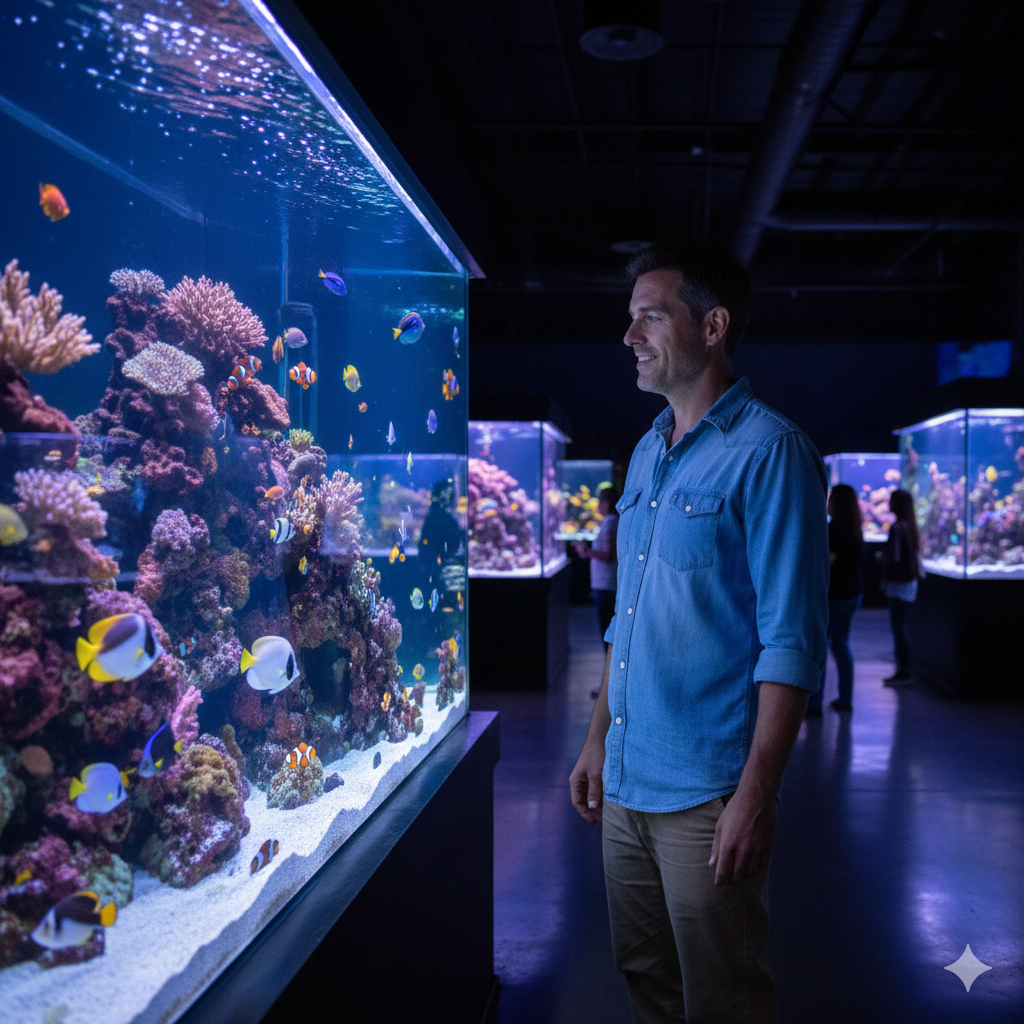
My name is Daniel Carter, I am 35 years old, and I live in the United States. I have been passionate about aquariums for many years, and what started as a simple hobby quickly became a lifelong interest in aquatic life, fish behavior, and responsible tank care.
Through TheBrightLance, I share real experiences, practical knowledge, and honest lessons learned from maintaining different types of aquariums. I enjoy testing equipment, studying fish behavior, improving maintenance routines, and helping beginners avoid common mistakes.
My goal is to make aquarism easier, more ethical, and more enjoyable for everyone — whether you are setting up your very first tank or looking to refine your techniques.