
My Decade of Aquarium Trials and Triumphs: Learning to Solve Recurring Problems
For over a decade now, I’ve been captivated by the serene underwater world of aquariums. What started as a simple betta fish in a small bowl has blossomed into a full-fledged passion. I currently maintain a 55-gallon freshwater tank, and it’s become a living canvas for my creativity and a constant source of learning. But let’s be honest, the journey hasn’t always been smooth sailing. Like any hobby, aquariums come with their own set of challenges, and I’ve definitely faced my fair share of recurring problems. Algae blooms, cloudy water, fluctuating pH – you name it, I’ve probably dealt with it.
The good news is that through diligent research, countless hours of observation, and a willingness to learn from my mistakes, I’ve managed to overcome these recurring issues and create a thriving aquatic environment. And now, I want to share my experiences and insights with you, in the hope that you can avoid some of the pitfalls I encountered along the way. This isn’t just about keeping fish alive; it’s about creating a balanced ecosystem where they can truly thrive. So, let’s dive in and explore some of the most common recurring aquarium problems and how I finally managed to fix them.
The Algae Apocalypse: Winning the Green War
Ah, algae. The bane of every aquarist’s existence. It’s persistent, unsightly, and can quickly take over an aquarium if left unchecked. I remember one particularly bad algae bloom that turned my entire tank a murky green. It was so thick I could barely see my fish! At first, I tried the typical solutions: scrubbing the glass, reducing feeding, and performing more frequent water changes. But nothing seemed to work. The algae kept coming back, stronger than ever. It felt like I was fighting a losing battle.
Then, I realized I was missing a crucial piece of the puzzle: understanding the root cause of the algae bloom. Algae, like any plant, needs light and nutrients to thrive. Too much of either, and you’ve got a recipe for disaster. In my case, the problem was a combination of factors. First, my tank was located near a window, which meant it was getting too much direct sunlight. Second, I was overfeeding my fish, which led to an excess of nutrients in the water. Third, my water changes, while frequent, weren’t large enough to effectively remove the accumulated nitrates and phosphates.
To tackle the problem, I implemented a multi-pronged approach. First, I moved my tank away from the window to reduce the amount of direct sunlight. I also installed a timer on my aquarium light to ensure it was only on for 8-10 hours per day. Next, I drastically reduced the amount of food I was feeding my fish. I started feeding them only what they could consume in a few minutes, once a day. Finally, I increased the size of my water changes to 50% per week. This helped to remove the excess nutrients and keep the water clean and clear.
But the real game-changer was introducing algae eaters. I added a few otocinclus catfish and a Siamese algae eater to my tank. These little guys are voracious algae consumers, and they quickly went to work cleaning up the remaining algae. Within a few weeks, my tank was completely algae-free. And the best part is, by addressing the underlying causes of the algae bloom, I was able to prevent it from recurring. I’ve since learned that a balanced approach is key: control light and nutrients, perform regular water changes, and utilize algae eaters to keep things in check. It’s not just about reacting to the problem; it’s about preventing it in the first place.

Cloudy Water Conundrums: Unlocking the Secrets to Clarity
Another recurring problem I faced early on was cloudy water. Sometimes it was a milky white haze, other times it was a greenish tint. Either way, it was unsightly and made it difficult to enjoy my aquarium. I tried everything I could think of: cleaning the filter, adding water clarifiers, and even completely emptying and restarting the tank. But the cloudiness always returned, often within a few days.
It turns out that cloudy water can be caused by a variety of factors, including bacterial blooms, excessive nutrients, and even substrate disturbances. In my case, the primary culprit was a bacterial bloom. This occurs when there’s a sudden increase in the amount of organic matter in the water, which provides food for bacteria. The bacteria multiply rapidly, causing the water to become cloudy.
The key to solving a bacterial bloom is to reduce the amount of organic matter in the water and to provide a stable environment for beneficial bacteria to thrive. To do this, I took several steps. First, I reduced the amount of food I was feeding my fish (again!). Overfeeding is a common cause of bacterial blooms, as uneaten food decomposes and releases organic matter into the water. Second, I started vacuuming the substrate more thoroughly during water changes. This removed any accumulated debris and uneaten food from the bottom of the tank.
Third, and perhaps most importantly, I focused on improving my biological filtration. The biological filter is where beneficial bacteria live and break down harmful ammonia and nitrite into less toxic nitrates. A healthy biological filter is essential for maintaining clear and stable water. To improve my biological filtration, I added more biological filter media to my filter. I also made sure to avoid cleaning my filter too aggressively, as this can kill off the beneficial bacteria. Instead, I rinsed the filter media gently in used aquarium water to remove any debris.
Finally, I added a UV sterilizer to my tank. A UV sterilizer uses ultraviolet light to kill bacteria and other microorganisms in the water. This helped to clear up the cloudy water quickly and effectively. While a UV sterilizer isn’t a permanent solution, it can be a helpful tool for dealing with bacterial blooms and other water quality issues. The real fix, as I discovered, lies in maintaining a healthy balance within the aquarium ecosystem. Proper filtration, careful feeding, and regular maintenance are essential for preventing cloudy water and keeping your tank crystal clear.
The pH Rollercoaster: Stabilizing the Acid-Base Balance
Maintaining a stable pH level is crucial for the health of your fish and plants. Fish, in particular, are sensitive to pH fluctuations, and sudden changes can cause stress, illness, and even death. I learned this the hard way when I experienced a series of unexplained fish deaths early in my aquarium journey. After testing my water, I discovered that my pH was fluctuating wildly, sometimes dropping as low as 6.0 and other times spiking as high as 8.0.
The cause of these pH swings was complex and took some time to unravel. I eventually realized that several factors were contributing to the problem. First, my tap water had a low buffering capacity, meaning it was easily influenced by changes in the aquarium environment. Second, I was using a substrate that contained crushed coral, which can raise the pH over time. Third, I was performing large water changes with tap water that had a different pH than my aquarium water.
To stabilize my pH, I implemented a few key strategies. First, I started using a commercial buffer to increase the buffering capacity of my tap water. This helped to prevent the pH from fluctuating too much. Second, I removed the crushed coral from my substrate and replaced it with inert gravel. This eliminated the source of the pH spikes. Third, I started aging my tap water for 24 hours before performing water changes. This allowed the pH of the tap water to stabilize before it was added to the aquarium.
In addition to these measures, I also started monitoring my pH more closely. I tested my water regularly using a reliable test kit and adjusted my water change schedule as needed. I also added some driftwood to my tank, as driftwood can help to lower the pH naturally. It’s crucial to remember that drastic changes are never the answer. Gradual adjustments are always better to avoid shocking the fish. The journey to a stable pH is often slow and steady, but the reward – a healthy and thriving aquarium – is well worth the effort.

The Case of the Missing Fish: Unraveling the Mystery of Disappearances
One of the most frustrating and perplexing problems I’ve encountered is the mysterious disappearance of fish. I’d come home from work, only to find that one of my beloved fish had vanished without a trace. No body, no signs of illness, just… gone. At first, I chalked it up to natural causes. Maybe the fish had died and been eaten by the other inhabitants of the tank. But as the disappearances continued, I began to suspect something else was going on.
I started investigating, looking for clues that might explain the mystery. I checked the water parameters to make sure they were within acceptable ranges. I inspected the tank for any signs of aggression or bullying. I even stayed up late one night, watching the tank in the dark, hoping to catch the culprit in the act. What I eventually discovered was a combination of factors, depending on the specific fish and the specific circumstances.
In some cases, the fish were simply victims of aggression. Certain species, particularly larger cichlids, can be territorial and aggressive towards smaller fish. If a fish is constantly being harassed, it may become stressed and weakened, making it more susceptible to illness and death. In other cases, the fish were falling prey to nocturnal predators. I had a bristlenose pleco that, while generally peaceful, would occasionally snack on smaller, weaker fish while they were sleeping.
Another culprit turned out to be poor water quality. Even seemingly minor fluctuations in water parameters can weaken a fish’s immune system, making it vulnerable to disease. And when a fish dies, it’s often quickly consumed by scavengers, leaving no trace behind. Finally, I discovered that some of my fish were simply jumping out of the tank. Fish can jump for a variety of reasons, including stress, poor water quality, or simply out of curiosity. To prevent this, I made sure to keep the water level a few inches below the top of the tank and added a tight-fitting lid.
Solving the mystery of the missing fish required careful observation, diligent investigation, and a willingness to consider all possibilities. It taught me the importance of understanding the specific needs and behaviors of each fish species, and of creating a balanced and harmonious aquarium environment. It’s not always easy, but the reward of a healthy and thriving community of fish is well worth the effort.
Plant Problems: Achieving a Lush, Green Paradise
Beyond the fish, the plants in my aquarium have presented their own unique set of recurring challenges. From algae-covered leaves to stunted growth, I’ve dealt with just about every plant problem imaginable. For a long time, I struggled to create a lush, green paradise. My plants were always struggling, and my tank looked more like a barren wasteland than a thriving ecosystem.
The turning point came when I realized that plants, like fish, have specific needs that must be met in order to thrive. They need light, nutrients, and a stable environment. And just like with fish, neglecting these needs can lead to a whole host of problems. One of the most common problems I faced was nutrient deficiencies. Plants need a variety of nutrients, including nitrogen, phosphorus, potassium, and trace elements, to grow properly. If any of these nutrients are lacking, the plants will start to show signs of deficiency, such as yellowing leaves, stunted growth, and the formation of holes in the leaves.
To address this, I started using a liquid fertilizer specifically designed for aquarium plants. I followed the instructions carefully and adjusted the dosage as needed based on the needs of my plants. I also added some root tabs to the substrate to provide a slow-release source of nutrients for the plants’ roots. Another common problem I faced was insufficient lighting. Plants need light to photosynthesize, and if they don’t get enough light, they won’t be able to grow properly. I upgraded my aquarium light to a more powerful LED fixture, which provided the plants with the full spectrum of light they needed.
In addition to light and nutrients, plants also need a stable environment. Fluctuations in water parameters, such as pH and temperature, can stress the plants and make them more susceptible to disease. I made sure to maintain stable water parameters by performing regular water changes and using a reliable heater and thermometer. Finally, I learned the importance of proper plant maintenance. This includes trimming dead or dying leaves, removing algae, and providing adequate circulation.
By addressing these issues, I was finally able to create a thriving planted aquarium. My plants are now lush and green, and they provide a beautiful and natural environment for my fish. It took time and effort, but the result was well worth it. And it’s a constant reminder that a healthy aquarium is a balanced ecosystem, where all the inhabitants – fish, plants, and beneficial bacteria – work together to create a harmonious environment.
The Importance of Patience and Observation: A Constant Learning Process
Looking back on my decade of aquarium keeping, I realize that one of the most important lessons I’ve learned is the importance of patience and observation. Aquariums are complex ecosystems, and it takes time to understand how they work. There’s no magic bullet, no quick fix that will solve all your problems. Instead, it’s a process of constant learning and experimentation.
One of the best things you can do is to simply observe your tank regularly. Pay attention to the behavior of your fish, the growth of your plants, and the overall appearance of the tank. Notice any changes, no matter how small, and try to figure out what’s causing them. Keep a journal or log of your observations. Record your water parameters, your feeding schedule, and any changes you make to the tank. This will help you to track your progress and identify any patterns or trends.
Don’t be afraid to experiment. Try different types of plants, different types of fish food, or different filtration methods. See what works best for your tank and your particular set of circumstances. But remember to make changes slowly and gradually. Avoid making drastic changes all at once, as this can disrupt the delicate balance of the aquarium ecosystem. And most importantly, don’t get discouraged. Aquarium keeping can be challenging at times, but it’s also incredibly rewarding. There will be setbacks and disappointments along the way, but don’t give up. Learn from your mistakes, keep experimenting, and eventually, you’ll create a thriving and beautiful aquarium that you can be proud of.
And remember, the internet is your friend! There are countless online forums and resources dedicated to aquarium keeping. Don’t hesitate to ask questions, share your experiences, and learn from others. The aquarium community is a supportive and knowledgeable group, and they’re always willing to help out a fellow hobbyist.

Beyond the Basics: Continuous Improvement and Refinement
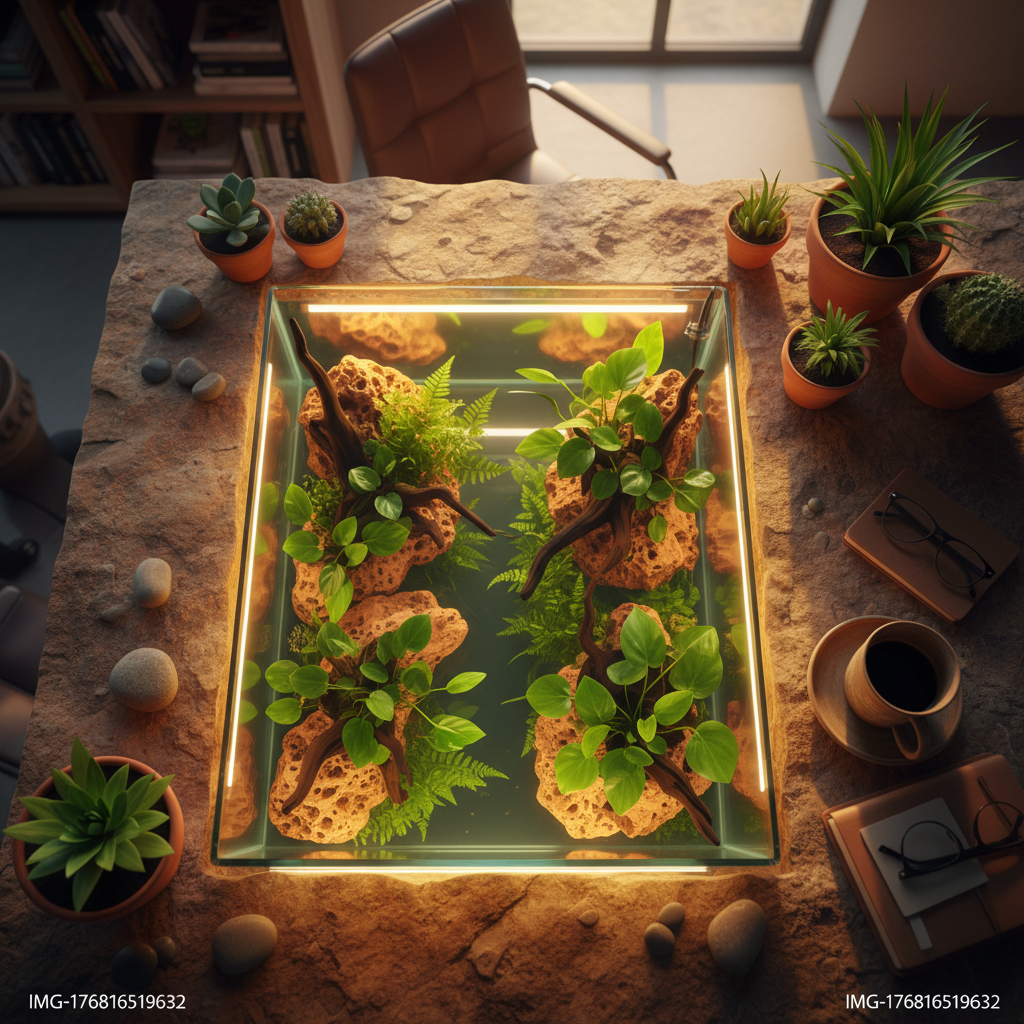
Even now, after all these years, I’m still learning and refining my aquarium keeping techniques. I’m constantly reading articles, watching videos, and experimenting with new products and methods. I’m always looking for ways to improve the health and well-being of my fish and plants, and to make my aquarium even more beautiful and enjoyable. One of the areas I’m currently focusing on is aquascaping. Aquascaping is the art of arranging rocks, driftwood, and plants in an aquarium to create a visually appealing and natural-looking environment. It’s a challenging but rewarding skill, and it can transform an ordinary aquarium into a stunning work of art.
I’m also experimenting with different types of filtration. I’m currently using a combination of mechanical, chemical, and biological filtration, but I’m always looking for ways to improve the efficiency and effectiveness of my filter system. I’m also interested in exploring the use of natural filtration methods, such as using plants to remove nitrates from the water. Finally, I’m committed to continuing to educate myself about the latest advances in aquarium keeping. The hobby is constantly evolving, and there are always new products, techniques, and discoveries to learn about.
By staying curious, open-minded, and committed to continuous improvement, I hope to continue to enjoy the wonders of aquarium keeping for many years to come. It’s a hobby that challenges me, inspires me, and brings me a great deal of joy. And I hope that by sharing my experiences and insights, I can help others to discover the magic of aquariums and to create their own thriving underwater worlds.
The journey of aquarium keeping is never truly “finished.” It’s a continuous cycle of learning, adapting, and refining. And that, in itself, is part of the allure. There’s always something new to discover, a new challenge to overcome, and a new level of mastery to achieve. And in the end, the reward is a beautiful, thriving ecosystem that brings joy and tranquility to your life.
My name is Daniel Carter, I am 35 years old, and I live in the United States. I have been passionate about aquariums for many years, and what started as a simple hobby quickly became a lifelong interest in aquatic life, fish behavior, and responsible tank care.
Through TheBrightLance, I share real experiences, practical knowledge, and honest lessons learned from maintaining different types of aquariums. I enjoy testing equipment, studying fish behavior, improving maintenance routines, and helping beginners avoid common mistakes.
My goal is to make aquarism easier, more ethical, and more enjoyable for everyone — whether you are setting up your very first tank or looking to refine your techniques.