
The Unseen Warnings: My Early Detection System for Aquarium Troubles
After a decade immersed in the captivating world of aquariums, I’ve learned one invaluable lesson: prevention is infinitely easier than cure. As someone who started with a simple 10-gallon tank and now manages several thriving ecosystems, I’ve experienced my fair share of algae blooms, unexplained fish deaths, and water parameter nightmares. But through these trials, I’ve developed a keen eye for spotting subtle warning signs – those whispers of impending doom that, if ignored, can quickly escalate into full-blown aquarium catastrophes.
Living here in sunny Orlando, Florida, maintaining stable water temperatures is a constant consideration, especially during the scorching summer months. But temperature is just one piece of the puzzle. Over the years, I’ve honed my observational skills to detect deviations from the norm, changes in fish behavior, subtle shifts in plant health, and even the faintest alterations in water clarity. These seemingly minor details, when pieced together, form a comprehensive early detection system that allows me to address problems before they spiral out of control. In this article, I’ll share the key signs I watch for, the proactive measures I take, and the hard-earned wisdom I’ve gained along the way. Think of it as my personal guide to preemptive aquarium care, designed to help you keep your aquatic haven flourishing.
Decoding Fish Behavior: More Than Just a Swim
The first and often most obvious indicators of aquarium distress come from the fish themselves. After all, they’re constantly immersed in the water, directly exposed to any fluctuations in water quality, temperature, or oxygen levels. Learning to “read” your fish is crucial, as changes in their behavior can be early warning signs of underlying problems.
Erratic Swimming and Gasping
One of the most alarming sights is fish swimming erratically, gasping at the surface, or congregating near the filter outlet. This usually indicates a lack of oxygen in the water. Possible causes include overcrowding, high temperatures (warm water holds less oxygen), inadequate aeration, or a sudden spike in ammonia or nitrite. I remember one particularly hot summer when my power went out for several hours. When I finally got the generator running and the filters back online, I found all my tetras clustered near the surface, frantically gulping for air. A quick water change and the addition of an air stone helped them recover, but it was a close call.
Another behavioral change that can signal trouble is flashing, where fish rub their bodies against rocks or decorations. This is often a sign of parasitic infection, such as ich (white spot disease). Addressing this early with appropriate medication is crucial to prevent a widespread outbreak. I learned this the hard way when I introduced a new, seemingly healthy, cardinal tetra to my established tank. Within days, several fish were flashing, and tiny white spots appeared. Thankfully, I caught it early and was able to treat the tank effectively, but the experience taught me the importance of quarantine.
Loss of Appetite and Lethargy
A sudden loss of appetite or a general lack of energy can also be indicative of a problem. If your fish are normally enthusiastic eaters but suddenly show little interest in food, it could be a sign of stress, illness, or poor water quality. Similarly, lethargic behavior, such as fish hanging near the bottom of the tank or hiding excessively, can be a cause for concern. For instance, my usually boisterous Corydoras catfish became unusually still and reclusive when I accidentally overdosed on fertilizer. A large water change and careful monitoring restored them to their usual playful selves.

The Invisible Culprit: Water Quality Parameters
While observing fish behavior is essential, it’s equally important to monitor water quality parameters regularly. These invisible indicators can reveal imbalances long before any visible symptoms appear. I’ve found that investing in a reliable test kit is one of the best investments any aquarist can make.
Ammonia and Nitrite Spikes: The Silent Killers
Ammonia and nitrite are highly toxic to fish, and even small amounts can cause significant stress and damage. These compounds are produced as waste products by fish and decaying organic matter. A healthy aquarium contains beneficial bacteria that convert ammonia into nitrite and then into nitrate, a less harmful substance. However, if the biological filter is immature, damaged, or overloaded, ammonia and nitrite levels can spike, leading to fish poisoning. I always test my water after adding new fish, cleaning the filter, or making significant changes to the tank. If I detect any ammonia or nitrite, I immediately perform a partial water change and add a dose of beneficial bacteria.
Nitrate Buildup: The Slow Burn
While nitrate is less toxic than ammonia and nitrite, it can still cause problems if allowed to accumulate to high levels. Elevated nitrate levels can stress fish, inhibit plant growth, and contribute to algae blooms. Regular water changes are the most effective way to control nitrate buildup. I aim to perform a 25-50% water change every week, depending on the bioload of the tank. I also monitor nitrate levels using a test kit and adjust my water change schedule accordingly. In my experience, consistent water changes are the cornerstone of a healthy aquarium.
pH Fluctuations: The Unstable Environment
pH measures the acidity or alkalinity of the water. Most freshwater fish thrive in a pH range of 6.5 to 7.5. Sudden or drastic pH fluctuations can stress fish and disrupt the biological filter. I use a pH test kit to monitor the pH of my water and take steps to stabilize it if necessary. Factors that can affect pH include tap water chemistry, substrate composition, and the addition of certain chemicals or medications. Here in Florida, our tap water tends to be slightly alkaline, so I often use driftwood or peat moss to help lower the pH in my Amazonian biotope tank.
Plant Power: Nature’s Early Warning System
Aquatic plants not only enhance the aesthetic appeal of an aquarium but also serve as natural indicators of water quality and overall tank health. Observing plant growth, color, and leaf condition can provide valuable clues about potential problems.
Stunted Growth and Yellowing Leaves
If your plants are growing slowly or not at all, it could be a sign of nutrient deficiencies, inadequate lighting, or poor water quality. Yellowing leaves, particularly on older growth, often indicate a lack of essential nutrients like iron, potassium, or nitrogen. I use a liquid fertilizer to supplement my plants’ nutrient intake, but it’s important to choose a fertilizer that is safe for fish. I made the mistake once of using a fertilizer that contained copper, which is toxic to invertebrates like snails and shrimp. I quickly learned to read the labels carefully.
Algae Overgrowth: The Imbalance Indicator
Algae are a natural part of the aquarium ecosystem, but excessive algae growth can indicate an imbalance in nutrients, lighting, or carbon dioxide levels. Different types of algae can provide clues about the underlying cause. For example, green spot algae often indicate a lack of phosphate, while brown algae (diatoms) are common in newly established tanks with high silicate levels. I combat algae by maintaining proper water parameters, providing adequate lighting for my plants, and introducing algae-eating fish and snails. A healthy population of snails, like Nerites, can be fantastic algae eaters.

The Crystal Ball: Visual Inspection and Maintenance
Regular visual inspections of your aquarium can reveal a wealth of information about its overall health. Look for signs of algae growth, debris accumulation, and any unusual changes in the appearance of the tank. I try to dedicate at least 15 minutes each day to observing my aquariums, making sure to check for anything out of the ordinary.
Substrate Inspection: The Hidden Waste Zone
The substrate (gravel or sand) can accumulate uneaten food, fish waste, and decaying organic matter over time. This buildup can lead to anaerobic conditions (lack of oxygen) and the release of harmful gases like hydrogen sulfide. I use a gravel vacuum to clean the substrate regularly, removing debris and preventing the accumulation of waste. It’s important not to vacuum the entire substrate at once, as this can disrupt the beneficial bacteria colonies. I usually clean a section of the substrate each week, rotating around the tank.
Equipment Check: The Life Support System
Make sure that all your aquarium equipment is functioning properly. Check the filter to ensure that it is flowing freely and not clogged with debris. Inspect the heater to make sure that it is maintaining the correct temperature. Examine the lighting to ensure that it is providing adequate light for your plants. I clean my filter every month or two, depending on how heavily stocked the tank is. I also replace the filter cartridges or sponges regularly to maintain optimal filtration. A malfunctioning heater can quickly lead to drastic temperature changes, which can be deadly for fish.
Water Clarity: The Window to the Soul
The water in your aquarium should be crystal clear. Cloudy or discolored water can indicate a variety of problems, such as bacterial blooms, excessive algae growth, or the presence of tannins from driftwood. I use activated carbon in my filter to remove tannins and other impurities from the water. I also perform regular water changes to maintain water clarity. If I notice a sudden bacterial bloom, I usually reduce feeding and increase aeration to help the bacteria die off.
Proactive Measures: My Maintenance Ritual
Beyond observation, proactive maintenance is the key to preventing problems before they arise. I’ve developed a consistent routine that helps keep my aquariums in top condition.
Regular Water Changes: The Foundation of Health
As I mentioned earlier, regular water changes are essential for maintaining water quality. They remove accumulated nitrates, replenish essential minerals, and help to stabilize pH. I perform a 25-50% water change every week, using dechlorinated tap water that is the same temperature as the aquarium water. It’s crucial to dechlorinate the water before adding it to the tank, as chlorine and chloramine are toxic to fish. I always use a water conditioner to remove these chemicals.
Filter Maintenance: The Biological Hub
A healthy filter is crucial for maintaining water quality. I clean my filter regularly to remove debris and prevent clogging. However, it’s important not to over-clean the filter, as this can remove beneficial bacteria. I usually rinse the filter media in used aquarium water to remove debris without killing the bacteria. I also replace the filter cartridges or sponges regularly, following the manufacturer’s recommendations. Some filters use specialized media, like bio-rings, that should never be replaced, only rinsed.
Careful Feeding: The Balanced Diet
Overfeeding is a common cause of water quality problems. Uneaten food decomposes and releases ammonia, which can lead to a cascade of issues. I feed my fish a balanced diet of high-quality flake food, frozen food, and live food. I feed them only as much as they can consume in a few minutes, and I remove any uneaten food promptly. I also vary their diet to ensure that they are getting all the necessary nutrients. A little bit of frozen bloodworms or brine shrimp is always a treat for my fish.

Real-Life Scenarios: Lessons Learned the Hard Way
No amount of reading can fully prepare you for the challenges of aquarium keeping. Sometimes, you just have to learn from your mistakes. I’ve had my share of mishaps over the years, and each one has taught me a valuable lesson.
The Case of the Mysterious Deaths
Early on, I experienced a series of unexplained fish deaths in my community tank. I tested the water regularly, and the parameters seemed to be within acceptable ranges. I was baffled. After weeks of frustration, I finally discovered the culprit: a faulty power strip. The power strip was intermittently cutting off the power to the heater, causing significant temperature fluctuations. These fluctuations stressed the fish and weakened their immune systems, making them susceptible to disease. I replaced the power strip, and the deaths stopped immediately. This experience taught me the importance of checking all my equipment regularly.
The Great Algae Bloom
I once had a severe algae bloom in my planted tank. The algae covered everything, from the plants to the glass. I tried everything to get rid of it: water changes, algae-eating fish, and even chemical treatments. Nothing seemed to work. Finally, I realized that the problem was too much light. I had recently upgraded my lighting system, but I hadn’t adjusted the photoperiod. I reduced the amount of time that the lights were on each day, and the algae bloom gradually subsided. This experience taught me the importance of balancing light, nutrients, and carbon dioxide in a planted tank.
The Ich Outbreak
As I mentioned earlier, I once had an ich outbreak in my tank after introducing a new fish. I learned the hard way that quarantine is essential for preventing the spread of disease. I now quarantine all new fish for at least two weeks before adding them to my established tanks. During the quarantine period, I observe them closely for any signs of illness and treat them proactively if necessary. It’s a small price to pay for the peace of mind that comes with knowing that I’m protecting my existing fish.
The Ultimate Goal: A Thriving Ecosystem
Ultimately, the goal of any aquarist is to create a thriving ecosystem where fish, plants, and beneficial bacteria coexist in harmony. It’s a delicate balance that requires constant attention, observation, and proactive maintenance. But the rewards are well worth the effort. There’s nothing quite like the feeling of watching your fish swim happily in a crystal-clear tank, surrounded by lush green plants. It’s a testament to your dedication, your knowledge, and your love for the aquatic world.
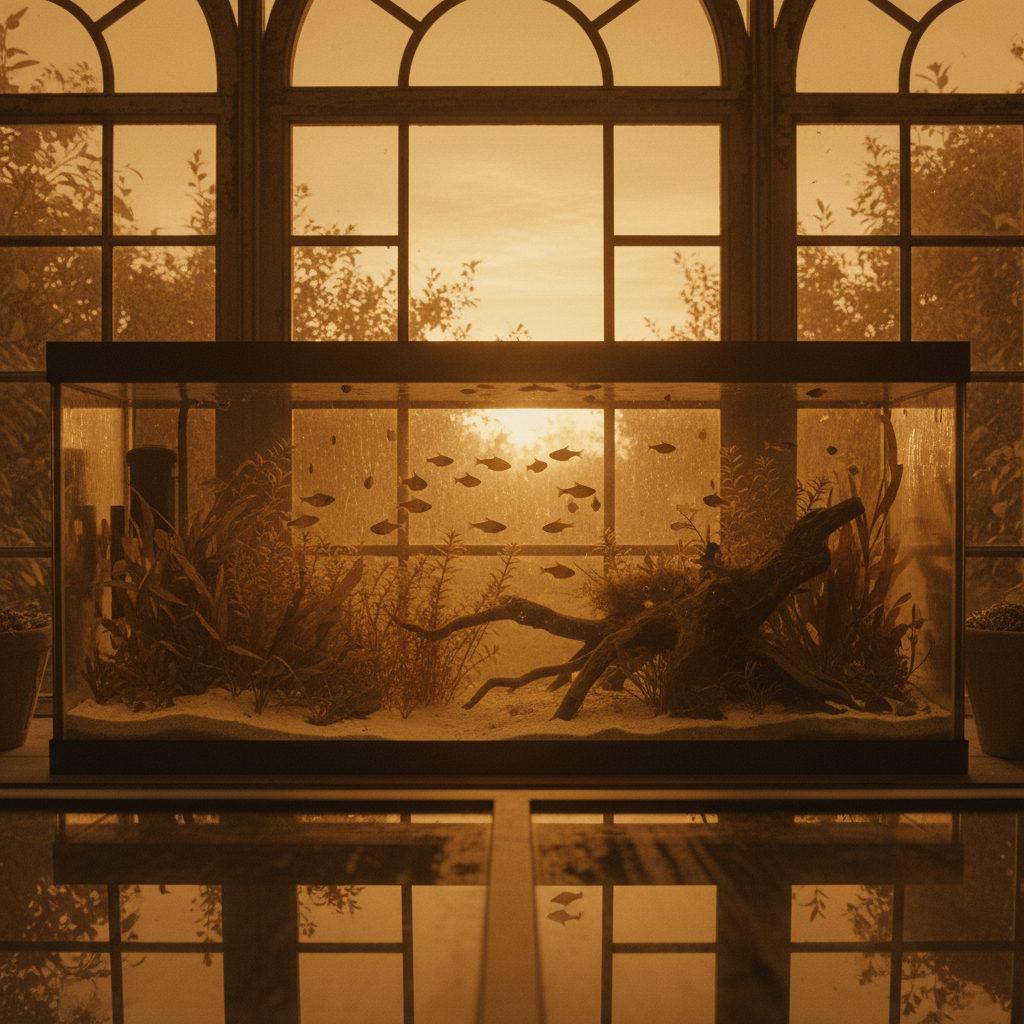
So, keep your eyes peeled, test your water, and learn to listen to what your aquarium is telling you. The early warning signs are always there, waiting to be discovered. And remember, every challenge is an opportunity to learn and grow as an aquarist. Happy fishkeeping!
My name is Daniel Carter, I am 35 years old, and I live in the United States. I have been passionate about aquariums for many years, and what started as a simple hobby quickly became a lifelong interest in aquatic life, fish behavior, and responsible tank care.
Through TheBrightLance, I share real experiences, practical knowledge, and honest lessons learned from maintaining different types of aquariums. I enjoy testing equipment, studying fish behavior, improving maintenance routines, and helping beginners avoid common mistakes.
My goal is to make aquarism easier, more ethical, and more enjoyable for everyone — whether you are setting up your very first tank or looking to refine your techniques.