
The Silent Killer: Why Preventative Maintenance Matters
Hey everyone, Lucas here. Let’s talk about something that separates the thriving aquariums from the tragic tales – preventative maintenance. I’ve seen too many beginners, myself included way back when, get caught up in the excitement of stocking their tanks, only to watch everything crash and burn a few months later. It’s heartbreaking, and completely avoidable.
Think of your aquarium like a car. You wouldn’t drive it for years without changing the oil, rotating the tires, or checking the fluids, right? The same principle applies to our underwater worlds. Neglecting regular upkeep is a surefire way to invite problems, from algae blooms to disease outbreaks, and ultimately, the loss of your aquatic friends.
Why is preventative maintenance so crucial? Because aquariums are closed ecosystems. Unlike a natural lake or river, waste products accumulate quickly. Uneaten food, fish waste, decaying plant matter – it all breaks down into ammonia, nitrites, and nitrates. While nitrates are less toxic, they still need to be kept in check. These compounds, if left unchecked, poison your fish and create an environment ripe for algae and disease.
I remember when I first started, I thought all I needed was a filter and occasional water changes. I was wrong. My tank was constantly cloudy, my fish seemed listless, and I was battling algae every week. It wasn’t until I learned the importance of a consistent maintenance schedule that things finally turned around. It wasn’t just about the water changes, but about all the little things that added up to a healthy and stable environment.
The Cost of Neglect
Ignoring maintenance isn’t just bad for your fish; it’s also bad for your wallet. Think about it: a sick fish requires medication, and sometimes, despite your best efforts, they don’t make it. Replacing fish is expensive. Constant algae blooms mean buying algae control products, which can be harsh on your tank. And a completely crashed tank might even require you to start over from scratch, buying new substrate, plants, and equipment.
Trust me, I’ve been there. I once lost nearly all my fish in a single week because I neglected my water changes. The ammonia levels spiked, and by the time I realized what was happening, it was too late. The cost of replacing those fish, not to mention the emotional toll, was a hard lesson learned. That’s why I’m so passionate about sharing the importance of preventative maintenance.
My Simple Maintenance Routine: The Foundation for Success
So, what does a good preventative maintenance routine look like? It doesn’t have to be complicated or time-consuming. In fact, I’ve streamlined my routine over the years to be as efficient as possible, without sacrificing the health of my tank. Here’s a breakdown of my weekly and monthly tasks:
Weekly Essentials: The 15-Minute Checkup
My weekly maintenance typically takes about 15-20 minutes, depending on the size of my tank. It’s a small investment of time that pays off big in the long run.
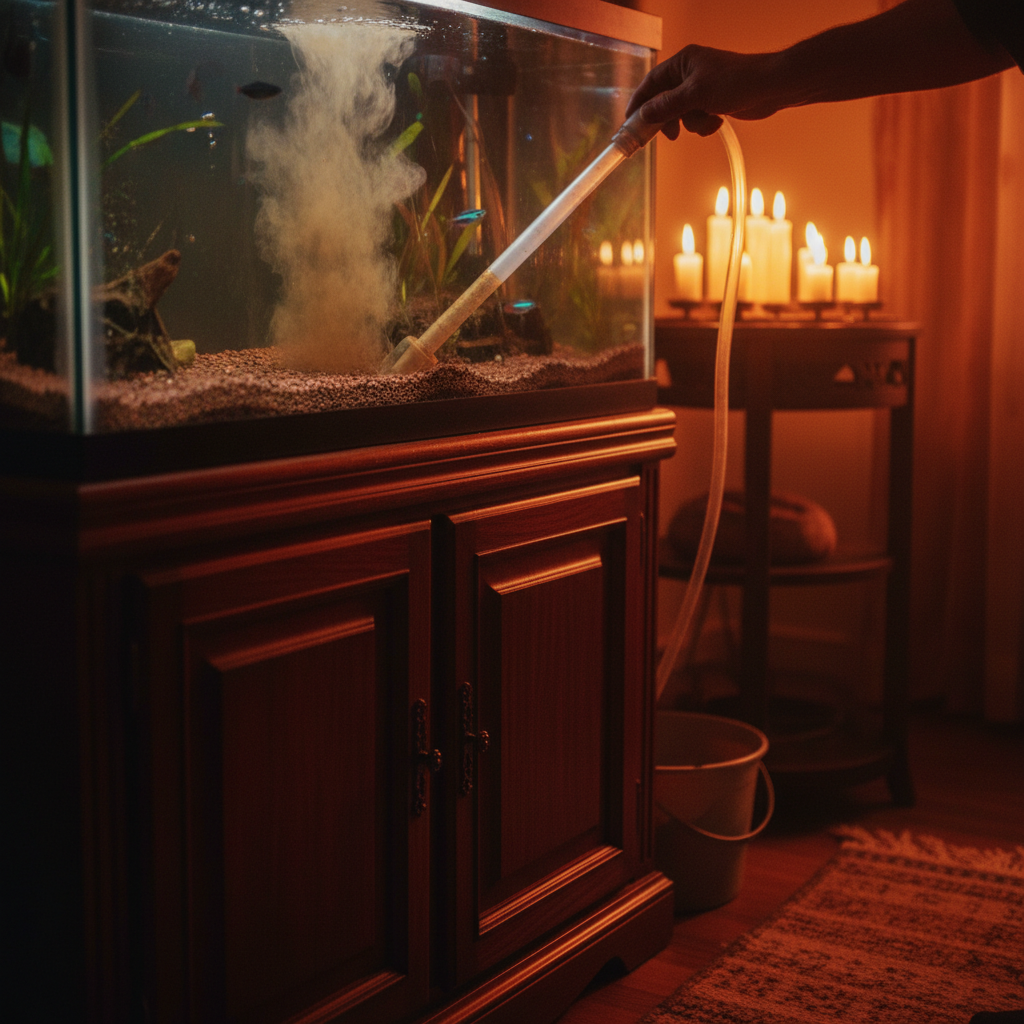
- Water Change (25-50%): This is the cornerstone of any good maintenance routine. I use a gravel vacuum to siphon out the old water while also cleaning the substrate. This removes accumulated waste and helps to prevent the buildup of harmful substances. The amount depends on the fish load you have, but a good average is 25%. If you have a more demanding tank, like one with goldfish, you may need to do more.
- Water Testing: I test my water parameters (ammonia, nitrite, nitrate, pH) using a liquid test kit. This allows me to monitor the health of my tank and identify any potential problems early on. It’s more accurate than test strips, in my experience.
- Algae Control: I use an algae scraper to clean the glass and remove any visible algae growth. I also manually remove any algae from plants or decorations. The key here is to be consistent. Don’t let algae get out of control.
- Filter Maintenance: I rinse my filter media in old tank water to remove any debris. Never use tap water, as this can kill the beneficial bacteria that colonize the filter. I also check the filter intake to make sure it’s not clogged.
- Visual Inspection: I give my fish a quick once-over to look for any signs of illness or injury. I also check the plants for any signs of nutrient deficiencies or pests.
I cannot stress enough how important water changes are. They are not just about refreshing the water; they are about removing waste and replenishing essential minerals. It’s the single most important thing you can do for your aquarium.
Monthly Deep Dive: A Little Extra TLC
Once a month, I dedicate a bit more time to my aquarium to perform some more thorough maintenance tasks. This usually takes about an hour or so.
- Thorough Filter Cleaning: I disassemble my filter and clean all the components, including the impeller and housing. Again, I only use old tank water to avoid disrupting the beneficial bacteria.
- Substrate Deep Clean: I use my gravel vacuum to really get into the substrate and remove any accumulated debris. Be careful not to disturb the plant roots too much.
- Plant Pruning: I trim any overgrown plants and remove any dead or dying leaves. This helps to improve water circulation and prevent the buildup of decaying organic matter.
- Decoration Cleaning: I remove any decorations and clean them with a soft brush and warm water. Avoid using soap or harsh chemicals, as these can be harmful to your fish.
- Equipment Check: I inspect all my equipment, including the heater, lights, and air pump, to make sure they are functioning properly. I also clean the heater and light fixtures to remove any dust or grime.
The equipment check is vital. A malfunctioning heater can cook your fish, and a faulty filter can lead to a rapid decline in water quality. Don’t take these things for granted.
Troubleshooting Common Aquarium Problems: Prevention is Better Than Cure
Even with a diligent maintenance routine, problems can still arise. But by being proactive and addressing issues early on, you can prevent them from escalating into major crises.
Algae Blooms: The Green Menace
Algae is a common problem in aquariums, especially those with high nutrient levels or excessive light. There are many different types of algae, but some of the most common include green algae, brown algae (diatoms), and black beard algae (BBA).
Prevention: The best way to control algae is to prevent it from growing in the first place. This means maintaining good water quality, providing adequate but not excessive lighting, and avoiding overfeeding. Regular water changes are crucial, as they help to remove excess nutrients that algae thrive on.
Solution: If you already have an algae problem, there are several things you can do. You can manually remove the algae with an algae scraper or toothbrush. You can also use algae-eating fish or invertebrates, such as snails and shrimp. In some cases, you may need to use an algae control product. However, be careful when using these products, as they can be harmful to your fish and plants if used improperly. I personally prefer natural methods whenever possible.
I had a particularly bad black beard algae outbreak once, and I tried everything. Algae eaters, chemical treatments… nothing seemed to work. Finally, I realized the problem was my lighting. I was leaving the lights on for too long. Once I reduced the photoperiod, the BBA slowly started to disappear.
Cloudy Water: A Sign of Imbalance
Cloudy water can be caused by a number of factors, including bacterial blooms, excessive nutrients, and suspended particles.
Prevention: Maintaining good water quality is essential for preventing cloudy water. Regular water changes, proper filtration, and avoiding overfeeding are all crucial. Make sure your filter is properly sized for your tank and that you are cleaning it regularly.
Solution: If you have cloudy water, the first step is to identify the cause. If it’s a bacterial bloom, it will usually clear up on its own within a few days. If it’s caused by excessive nutrients, you need to increase your water changes and reduce your feeding. If it’s caused by suspended particles, you may need to add a filter floss or polishing pad to your filter.
Fish Diseases: Spotting the Early Warning Signs
Fish diseases are a major concern for aquarium hobbyists. Some common fish diseases include ich (white spot disease), fin rot, and fungal infections.
Prevention: The best way to prevent fish diseases is to maintain a healthy aquarium environment. This means providing clean water, a balanced diet, and adequate space for your fish. Quarantine any new fish before adding them to your main tank to prevent the introduction of diseases.
Solution: If you notice any signs of disease in your fish, such as white spots, frayed fins, or unusual behavior, it’s important to take action immediately. Isolate the affected fish in a quarantine tank and treat them with appropriate medication. Be sure to follow the instructions carefully and monitor the fish closely. Early detection and treatment are crucial for a successful outcome.

The Power of Observation: Tuning into Your Tank
Beyond the scheduled maintenance tasks, one of the most important things you can do is to simply observe your tank regularly. Take a few minutes each day to watch your fish, examine your plants, and look for any signs of trouble. This will help you to catch problems early on, before they become serious.
Pay attention to your fish’s behavior. Are they eating normally? Are they swimming actively? Are they showing any signs of stress or illness? Look for changes in their appearance, such as discoloration, lesions, or fin damage.
Also, observe your plants. Are they growing well? Are they showing any signs of nutrient deficiencies? Are there any pests present? Look for changes in their color, shape, or texture.
By becoming attuned to your tank, you will be able to detect subtle changes that indicate a problem. This will allow you to take corrective action before it’s too late. It’s like learning a new language – the language of your aquarium.
The Right Tools for the Job: Investing in Quality Equipment
Having the right tools can make aquarium maintenance much easier and more efficient. While you don’t need to spend a fortune, investing in some quality equipment is definitely worth it.
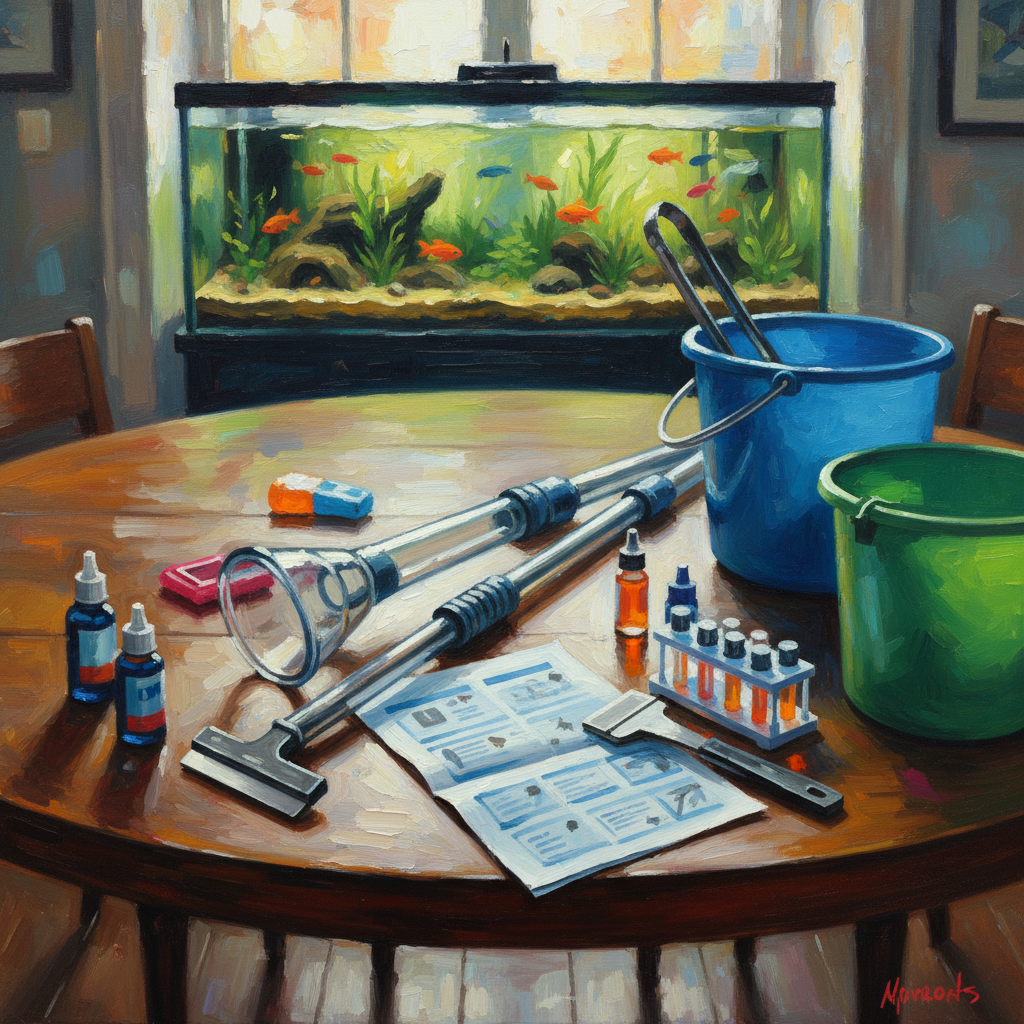
Here are some essential tools for aquarium maintenance:
- Gravel Vacuum: This is used to clean the substrate and remove waste during water changes.
- Algae Scraper: This is used to clean algae from the glass.
- Water Test Kit: This is used to monitor water parameters. I recommend a liquid test kit over test strips for accuracy.
- Buckets: These are used to hold old and new water during water changes. Dedicate these buckets ONLY for aquarium use.
- Thermometer: This is used to monitor the water temperature.
- Aquarium Tongs: These are used to plant and prune plants.
- Quarantine Tank: An absolutely vital tool for any aquarist, allowing you to isolate new fish or treat sick ones.
Don’t skimp on quality when it comes to your equipment. Cheap tools can break easily and may not be as effective. Investing in good quality equipment will save you time and money in the long run. I’ve learned this the hard way, replacing cheap gravel vacuums every few months before finally investing in a good one that’s lasted for years.
The Long-Term Benefits: A Thriving Ecosystem
Preventative maintenance is not just about avoiding problems; it’s about creating a thriving ecosystem in your aquarium. By providing a clean and stable environment, you are giving your fish and plants the best possible chance to thrive.
A well-maintained aquarium is not only beautiful to look at, but it’s also a source of endless fascination and enjoyment. Watching your fish swim and interact, seeing your plants grow and flourish, it’s a truly rewarding experience.
And let’s not forget the educational aspect. Aquariums are a great way to learn about biology, chemistry, and ecology. They can also teach valuable lessons about responsibility and patience. I’ve learned so much about the natural world from keeping aquariums, and it’s something I continue to enjoy every day.
Beyond the Basics: Advanced Maintenance Techniques
Once you’ve mastered the basics of aquarium maintenance, you can start to explore some more advanced techniques. These techniques can help you to further optimize your aquarium environment and achieve even better results.
Dosing Fertilizers: Feeding Your Plants
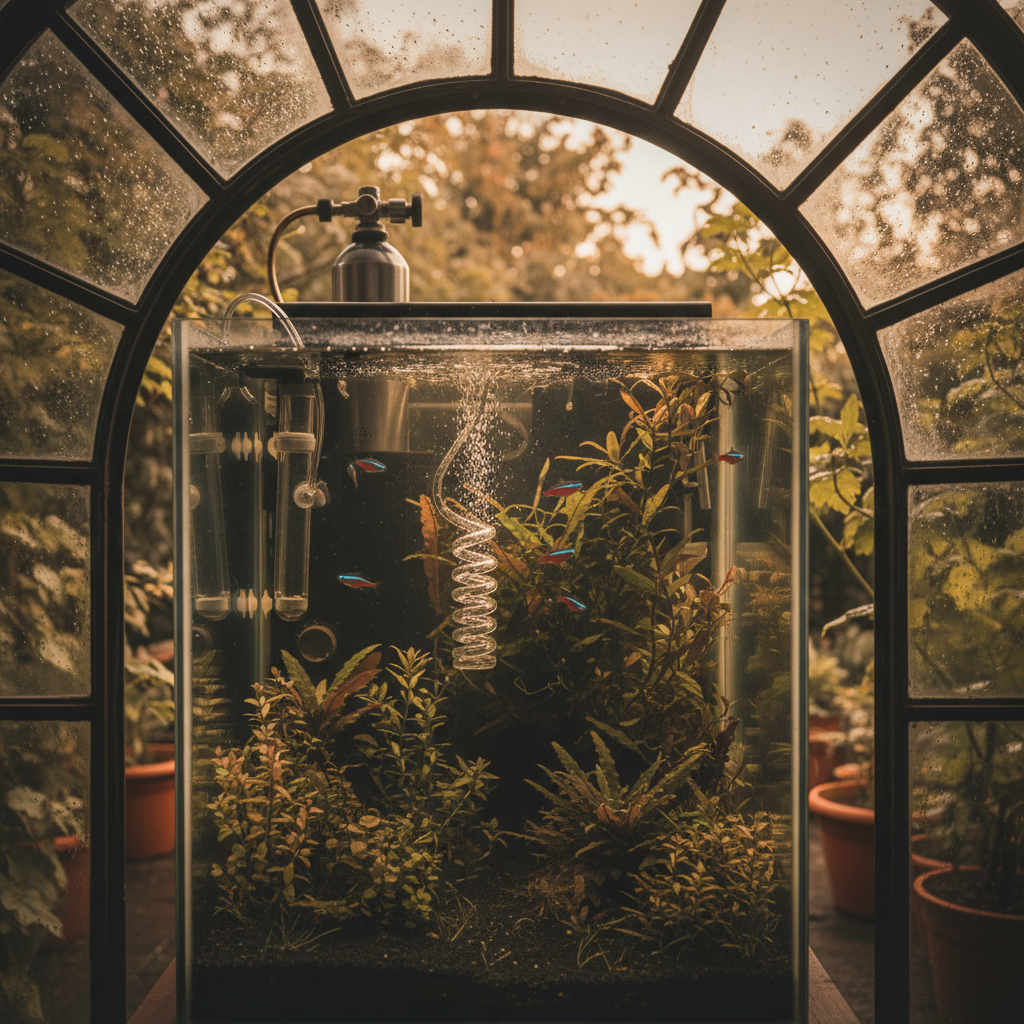
If you have live plants in your aquarium, you may need to dose fertilizers to provide them with the nutrients they need to grow. There are many different types of fertilizers available, including liquid fertilizers, root tabs, and CO2 injection systems.
The type of fertilizer you need will depend on the type of plants you have and the conditions in your aquarium. Some plants are heavy feeders and require regular fertilization, while others are more self-sufficient. It’s important to research the specific needs of your plants and choose a fertilizer that is appropriate.
I personally use a combination of liquid fertilizers and root tabs in my planted tanks. I dose the liquid fertilizers on a weekly basis and replace the root tabs every few months. I’ve found that this combination provides my plants with all the nutrients they need to thrive.
CO2 Injection: Boosting Plant Growth
CO2 is essential for plant growth. In a natural environment, plants get CO2 from the atmosphere. However, in an aquarium, CO2 levels can be limited. Injecting CO2 into your aquarium can significantly boost plant growth and improve their overall health.
There are several different types of CO2 injection systems available, ranging from DIY setups to professional-grade systems. The type of system you choose will depend on your budget and the size of your aquarium.
I use a pressurized CO2 injection system in my high-tech planted tank. It’s a bit of an investment, but it’s well worth it for the results. My plants grow much faster and are much more vibrant than they were before I started injecting CO2.
Water Parameter Manipulation: Fine-Tuning Your Environment
Once you have a good understanding of your aquarium’s water chemistry, you can start to manipulate water parameters to create a more optimal environment for your fish and plants. This can involve adjusting the pH, hardness, and alkalinity of your water.
However, be careful when manipulating water parameters, as drastic changes can be stressful or even fatal to your fish. It’s important to make small, gradual changes and to monitor your fish closely. Always research the specific needs of your fish and plants before making any changes to your water chemistry.
Final Thoughts: The Journey of a Thousand Gallons Begins with a Single Water Change
Aquarium maintenance is an ongoing process, but it doesn’t have to be a chore. By establishing a simple and consistent routine, you can create a thriving and beautiful aquarium that you can enjoy for years to come. Remember, the key is prevention. Addressing small issues early on can prevent them from escalating into major problems. And most importantly, don’t be afraid to experiment and learn from your mistakes. Every aquarium is unique, and what works for one person may not work for another. So, find what works best for you and your fish, and enjoy the journey.
So, that’s my take on preventative maintenance. I hope this helps some of you avoid the pitfalls I experienced early on. Remember, consistency is key! Happy fishkeeping!
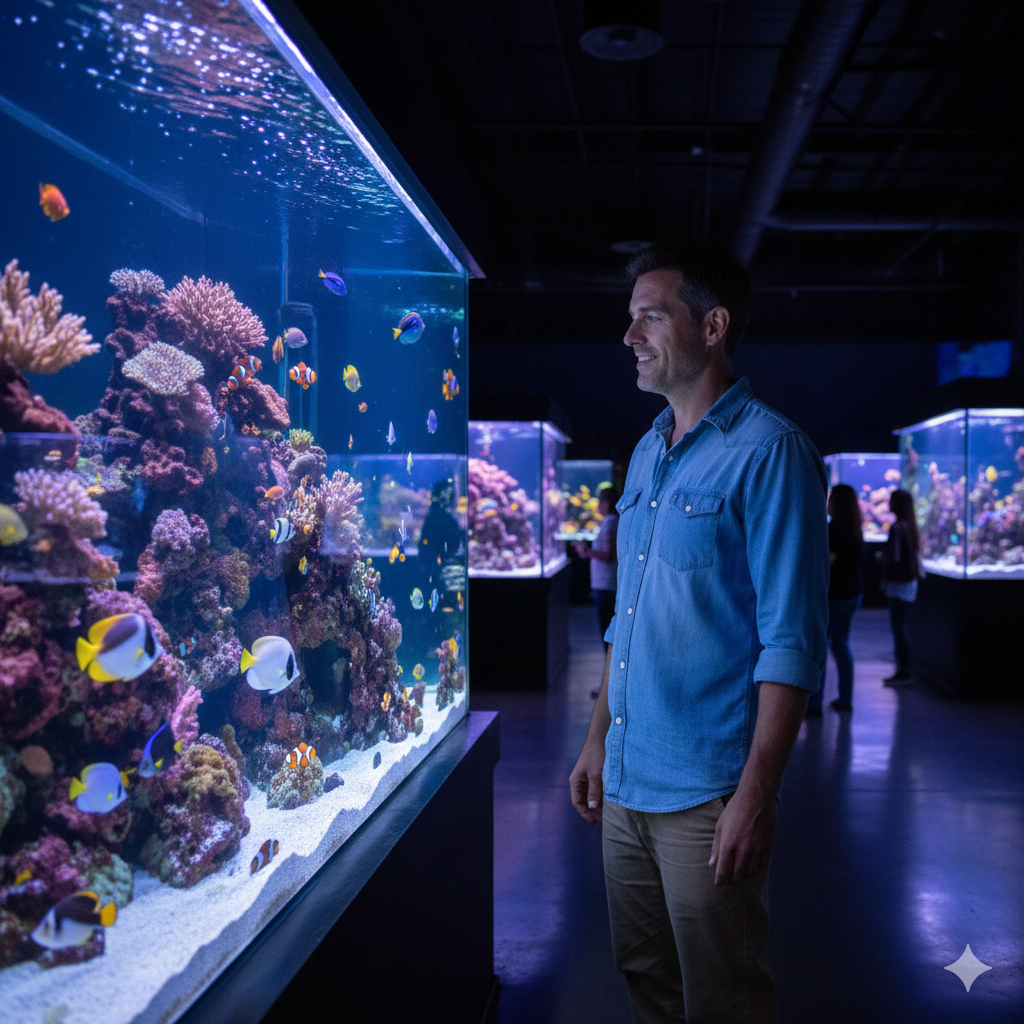
My name is Daniel Carter, I am 35 years old, and I live in the United States. I have been passionate about aquariums for many years, and what started as a simple hobby quickly became a lifelong interest in aquatic life, fish behavior, and responsible tank care.
Through TheBrightLance, I share real experiences, practical knowledge, and honest lessons learned from maintaining different types of aquariums. I enjoy testing equipment, studying fish behavior, improving maintenance routines, and helping beginners avoid common mistakes.
My goal is to make aquarism easier, more ethical, and more enjoyable for everyone — whether you are setting up your very first tank or looking to refine your techniques.