
My Baptism by Algae: A Beginner’s Tale
Let me tell you, diving headfirst into the aquarium hobby felt a lot like being thrown into the deep end of a pool with cement shoes. I envisioned a tranquil, miniature ecosystem thriving in my living room – a living painting, if you will. What I got instead was a frustrating, algae-ridden mess that threatened to drive me to the brink of madness. It’s been over a decade now since I set up my very first tank, and while the memories are tinged with a bit of humor now, the lessons I learned were hard-won. Hopefully, by sharing my early blunders, I can spare you some of the heartache and algae blooms that plagued my initial foray into the fascinating world of aquariums.
I remember the excitement vividly. Armed with a hefty paycheck and a burning desire to create my underwater paradise, I marched into my local pet store, ready to conquer the aquatic world. I was immediately overwhelmed. Tanks of every size and shape imaginable, filters that sounded like miniature jet engines, and more fish than I could possibly identify stared back at me. I felt like a kid in a candy store, only instead of candy, it was live animals and complicated equipment. I bought a 20-gallon tank, a basic filter, a heater, some gravel, and a few plastic plants. Looking back, I realize the “expert” advice I received wasn’t exactly tailored to a newbie aquarist, and that’s where the trouble really began.
The Siren Song of Impatience
The first and perhaps most painful lesson I learned was the importance of patience. I was so eager to populate my pristine, empty tank with colorful fish that I completely skipped the crucial cycling process. I didn’t understand the nitrogen cycle, didn’t know about beneficial bacteria, and frankly, didn’t care. I just wanted fish, and I wanted them now. The pet store employee (who shall remain nameless) vaguely mentioned something about “waiting a few days,” which, in my impatient mind, translated to “good enough.”
Big mistake. Huge. Within a week, my ammonia levels were through the roof, and my poor, unsuspecting fish were gasping for air at the surface. I watched in horror as my vibrant community of tetras slowly succumbed to ammonia poisoning. It was a devastating experience, and one that taught me a valuable lesson about the delicate balance of a healthy aquarium ecosystem. I felt terrible. I had unknowingly created a toxic environment, and my impatience had cost those fish their lives. It was a harsh introduction to the responsibilities of aquarium keeping.
To this day, I preach the gospel of the nitrogen cycle to every new aquarist I meet. It’s the foundation upon which a healthy aquarium is built. Understanding how beneficial bacteria convert harmful ammonia and nitrite into less toxic nitrate is absolutely essential. Nowadays, there are plenty of resources available online and in books that explain the cycling process in detail. You can even buy starter bacteria to help kickstart the cycle in your new tank. Don’t skip this step! Your fish will thank you for it.
The Algae Apocalypse
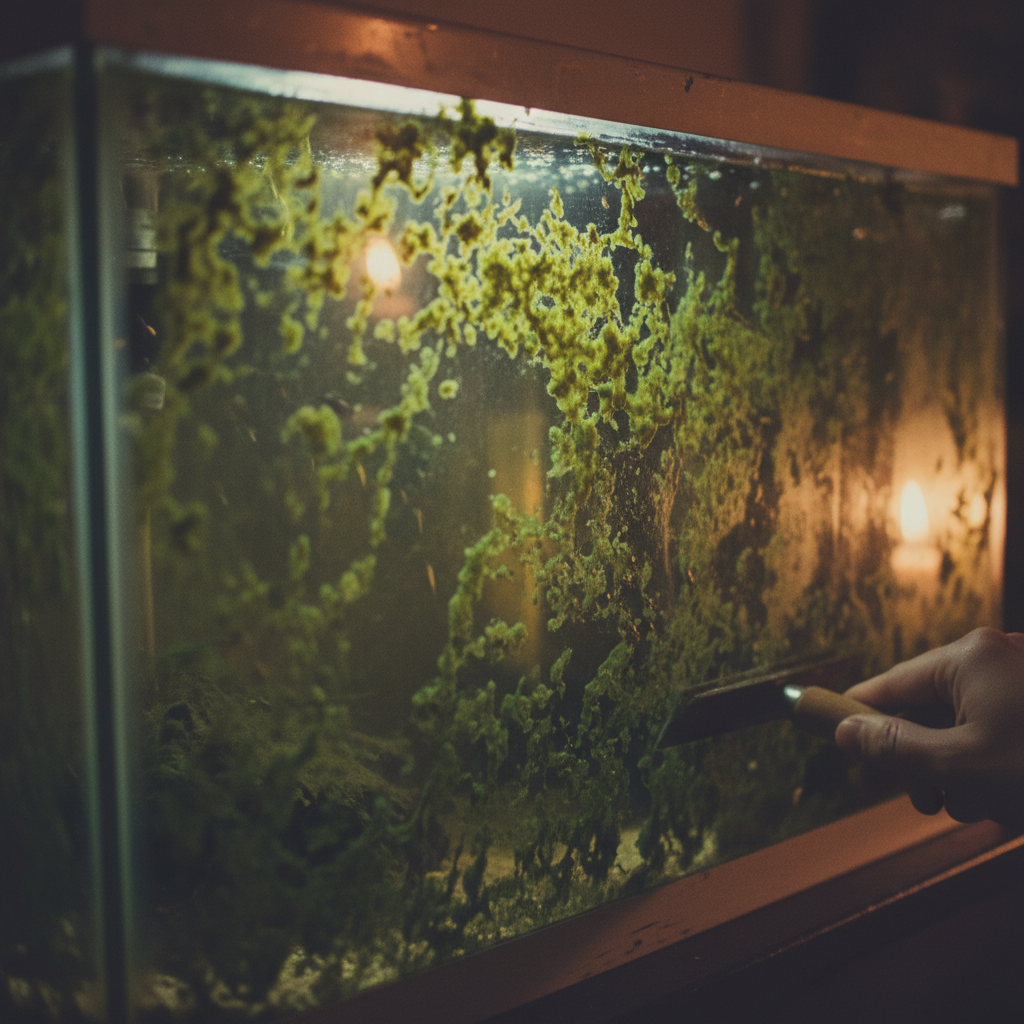
Once I finally managed to establish a stable nitrogen cycle (after a complete tank teardown and a lot of frantic research), I thought I was in the clear. I was wrong. My next challenge came in the form of an all-out algae invasion. It started subtly – a few green spots on the glass, a slight dusting on the plants. But before I knew it, my entire tank was a murky green soup. The plastic plants I’d initially bought were completely coated in a slimy layer of algae, and visibility was reduced to a few inches. My beautiful aquarium had become a swampy eyesore.
Lighting: Too Much of a Good Thing
The culprit? Excessive lighting. In my naive enthusiasm, I had purchased a powerful fluorescent light fixture, thinking it would make my tank look brighter and more appealing. I left it on for 12 hours a day, blissfully unaware of the havoc I was wreaking on my delicate ecosystem. Algae, like plants, thrives on light. And with an abundance of light and nutrients (from fish waste and uneaten food), it exploded in my tank like a green bomb.
I quickly learned the importance of controlling the amount of light in my aquarium. Now, I use a timer to ensure that my lights are only on for 8-10 hours a day. I also invested in some live plants, which help to compete with algae for nutrients and light. Live plants not only add beauty and natural filtration to your tank, but they also help to create a more balanced and stable environment. It was a win-win situation. Don’t underestimate the power of live plants – they can be your best friends in the fight against algae.
The Importance of Water Changes
Another critical lesson I learned during the algae apocalypse was the necessity of regular water changes. I was initially hesitant to perform water changes, fearing that I would disrupt the delicate balance of my tank. I thought, “If it ain’t broke, don’t fix it,” which was a terrible approach. In reality, regular water changes are essential for removing excess nutrients, reducing nitrate levels, and maintaining the overall health of your aquarium.
Now, I perform a 25% water change every week. It’s a simple process that takes only a few minutes, but it makes a world of difference in the clarity of my water and the health of my fish. Think of it like changing the oil in your car – it’s a routine maintenance task that helps to keep everything running smoothly. A good gravel vacuum is also essential to clean up uneaten food and debris that contribute to algae growth. Water changes are non-negotiable in my book.
The Case of the Mysterious Ich
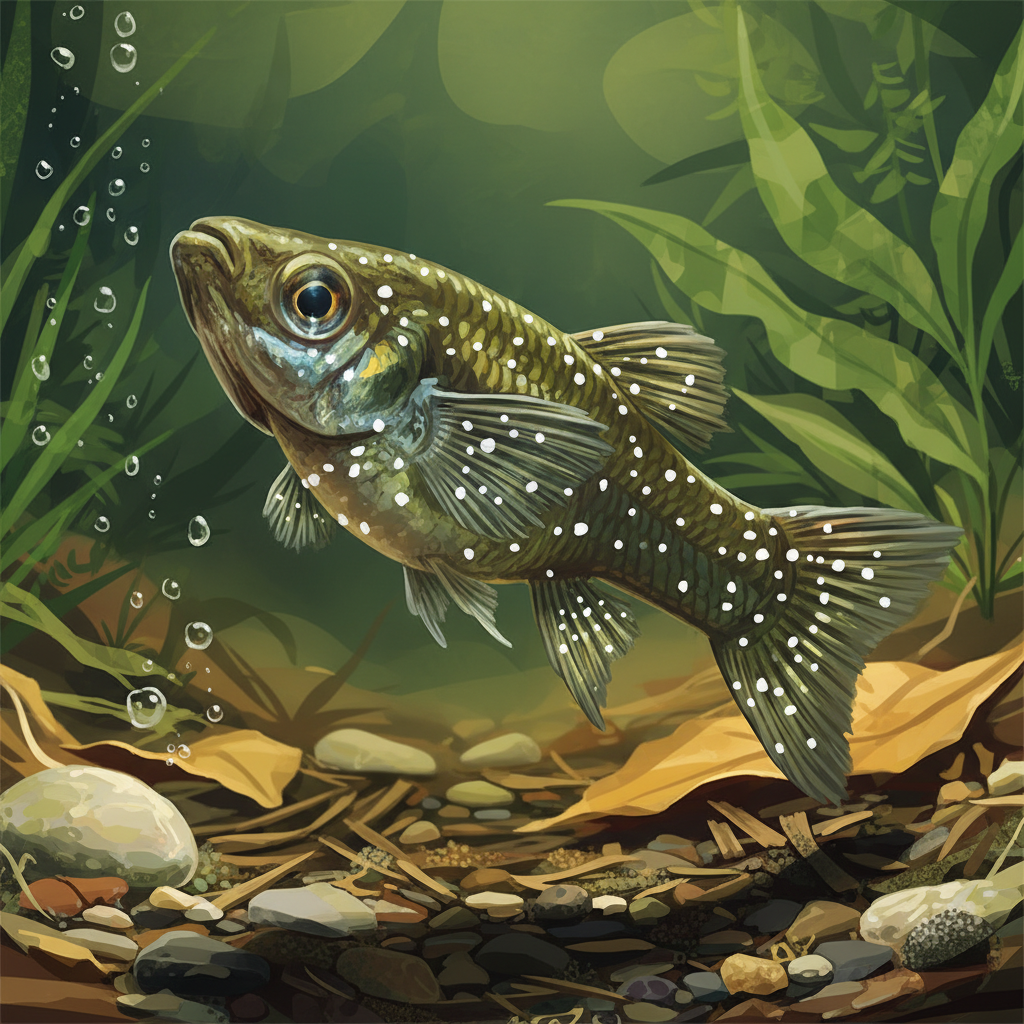
Just when I thought I had finally conquered the algae monster, another challenge reared its ugly head: ich, also known as white spot disease. One morning, I noticed that my fish were covered in tiny, white spots that looked like someone had sprinkled them with salt. They were also flashing against the decorations, a clear sign of irritation. Panic set in. I had no idea what was happening or how to fix it.
Quarantine is Your Friend
The first thing I learned about ich is that it’s highly contagious. If one fish has it, chances are, the entire tank will soon be infected. That’s why it’s so important to quarantine any new fish before introducing them to your main aquarium. A quarantine tank is a small, separate tank where you can observe new fish for a few weeks to make sure they’re healthy and disease-free. It’s a simple precaution that can save you a lot of heartache in the long run.
I, of course, had not quarantined my new fish. In my eagerness to add more color to my tank, I had recklessly introduced several new tetras without a second thought. And as a result, my entire community was now suffering from ich. It was a hard lesson, but one that I’ll never forget.
Treatment and Patience
Fortunately, ich is relatively easy to treat, provided you catch it early. There are several commercially available medications that are effective against ich. The most common treatment involves raising the water temperature to 86 degrees Fahrenheit and adding aquarium salt to the water. The increased temperature speeds up the ich parasite’s life cycle, making it more vulnerable to the medication. The salt helps to disrupt the parasite’s osmotic balance, weakening it further.
It took several weeks of treatment, but eventually, I was able to eradicate the ich from my tank. I learned that patience is key when dealing with fish diseases. Don’t expect a quick fix. Follow the instructions on the medication carefully, and be prepared to perform regular water changes to help keep the water clean and healthy. And most importantly, don’t give up! With proper care and treatment, most fish diseases can be successfully cured.
The Importance of Research and Observation
Looking back on my early aquarium adventures, I realize that my biggest mistake was a lack of research and observation. I jumped into the hobby without fully understanding the needs of my fish or the delicate balance of the aquarium ecosystem. I relied on the advice of pet store employees, which, while sometimes helpful, was often incomplete or biased. I didn’t take the time to learn about the specific requirements of each fish species, and I didn’t pay close enough attention to the subtle signs of stress or illness.
Now, before I add any new fish or plants to my tank, I do my homework. I research their specific needs, including their preferred water parameters, their dietary requirements, and their compatibility with other fish. I also spend a lot of time observing my fish, looking for any signs of illness or distress. Early detection is key when it comes to preventing and treating fish diseases. If you notice anything unusual, don’t hesitate to investigate further. A quick search online can often provide valuable information and guidance.
The aquarium hobby is a constant learning process. There’s always something new to discover, whether it’s a new species of fish, a new type of plant, or a new way to improve the health and beauty of your aquarium. The more you learn, the more rewarding the hobby becomes. Don’t be afraid to experiment, but always do your research first. And most importantly, have fun! Creating and maintaining a thriving aquarium is a challenging but incredibly rewarding experience.
Choosing the Right Fish: Avoiding Compatibility Catastrophes
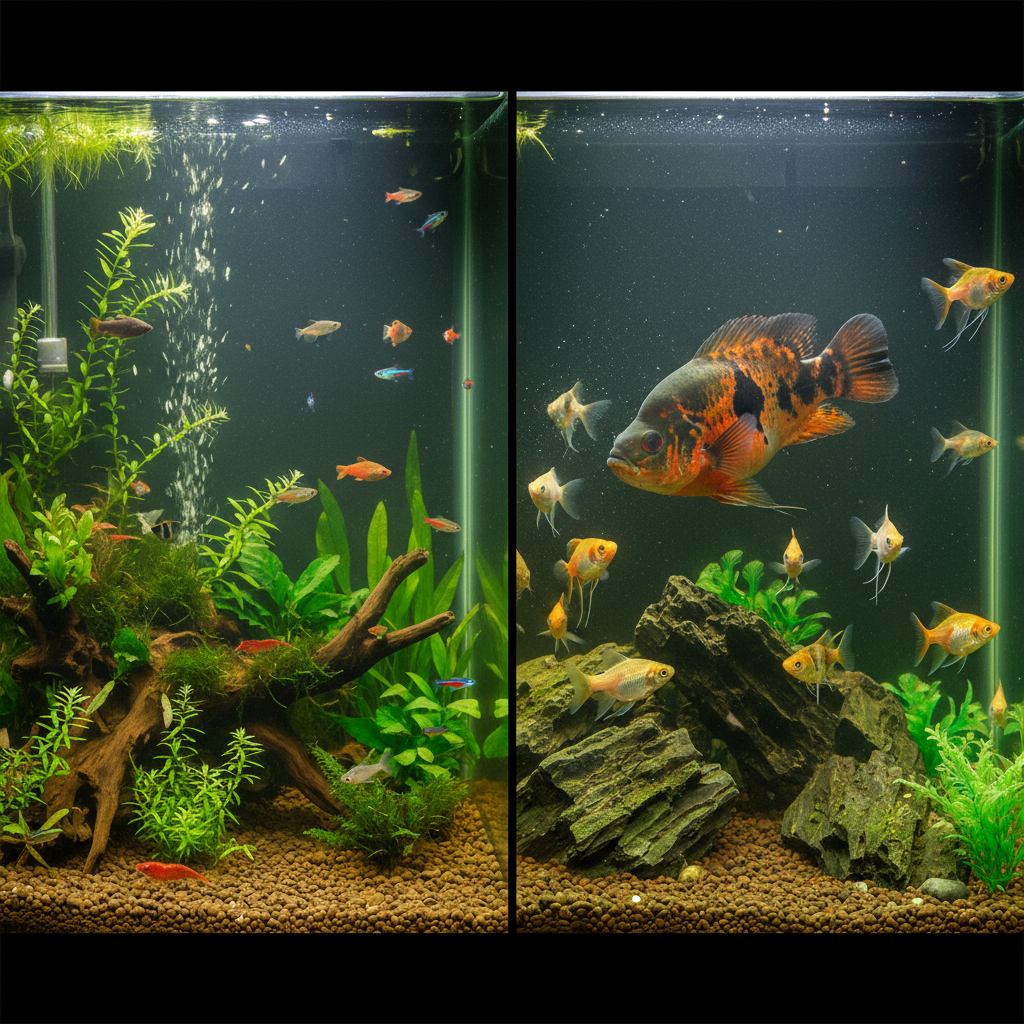
Another painful lesson involved fish compatibility. I naively assumed that all fish could coexist peacefully in the same tank, as long as they had enough space. I quickly learned that this is far from the truth. Some fish are naturally aggressive and territorial, and they will harass or even kill smaller, more docile fish. Others have specific dietary requirements that make them unsuitable for a community tank. And some simply prefer different water parameters, such as temperature or pH.
The Aggressor
I remember adding a beautiful Betta fish to my community tank, thinking its flowing fins and vibrant colors would add a touch of elegance. What I didn’t realize was that Bettas are notorious for their aggressive behavior, especially towards other fish with long fins. Within hours, my Betta had transformed from a peaceful beauty into a raging tyrant, chasing and nipping at the fins of my unsuspecting guppies. The guppies were terrified, and their once-flowing tails were now shredded and torn. I quickly removed the Betta and placed him in a separate tank, but the damage had already been done. The guppies were stressed and susceptible to disease, and it took weeks for them to recover.
Research Before You Buy
Now, I always research the compatibility of any new fish before adding them to my tank. There are plenty of resources available online and in books that provide information on fish compatibility. Some websites even have compatibility charts that you can use to see which fish are likely to get along. Pay close attention to the size, temperament, and dietary requirements of each fish species. And when in doubt, err on the side of caution. It’s better to have a slightly less diverse tank than to create a stressful and potentially deadly environment for your fish.
Matching Water Parameters
Beyond aggression, ensuring your fish are compatible in terms of water parameters is also crucial. For instance, some fish thrive in soft, acidic water, while others prefer hard, alkaline water. Trying to keep both types of fish in the same tank can lead to stress and illness. Match your fish to the water you can realistically provide. Trying to constantly chase the “perfect” parameters for a wildly diverse group of fish is a recipe for disaster.
The Joy of a Balanced Ecosystem
Despite all the challenges and setbacks, my aquarium journey has been an incredibly rewarding one. Over the years, I’ve learned a tremendous amount about fish, plants, and the delicate balance of the aquatic ecosystem. I’ve also developed a deep appreciation for the beauty and tranquility of a well-maintained aquarium. There’s nothing quite like sitting back and watching your fish swim gracefully through a lush, green landscape. It’s a truly mesmerizing and relaxing experience.
The key to success in the aquarium hobby is patience, research, and observation. Don’t rush things. Take the time to learn about the needs of your fish and plants. Pay close attention to the subtle signs of stress or illness. And don’t be afraid to ask for help. There are plenty of experienced aquarists out there who are happy to share their knowledge and advice. The online aquarium community is a fantastic resource for beginners and experienced hobbyists alike.
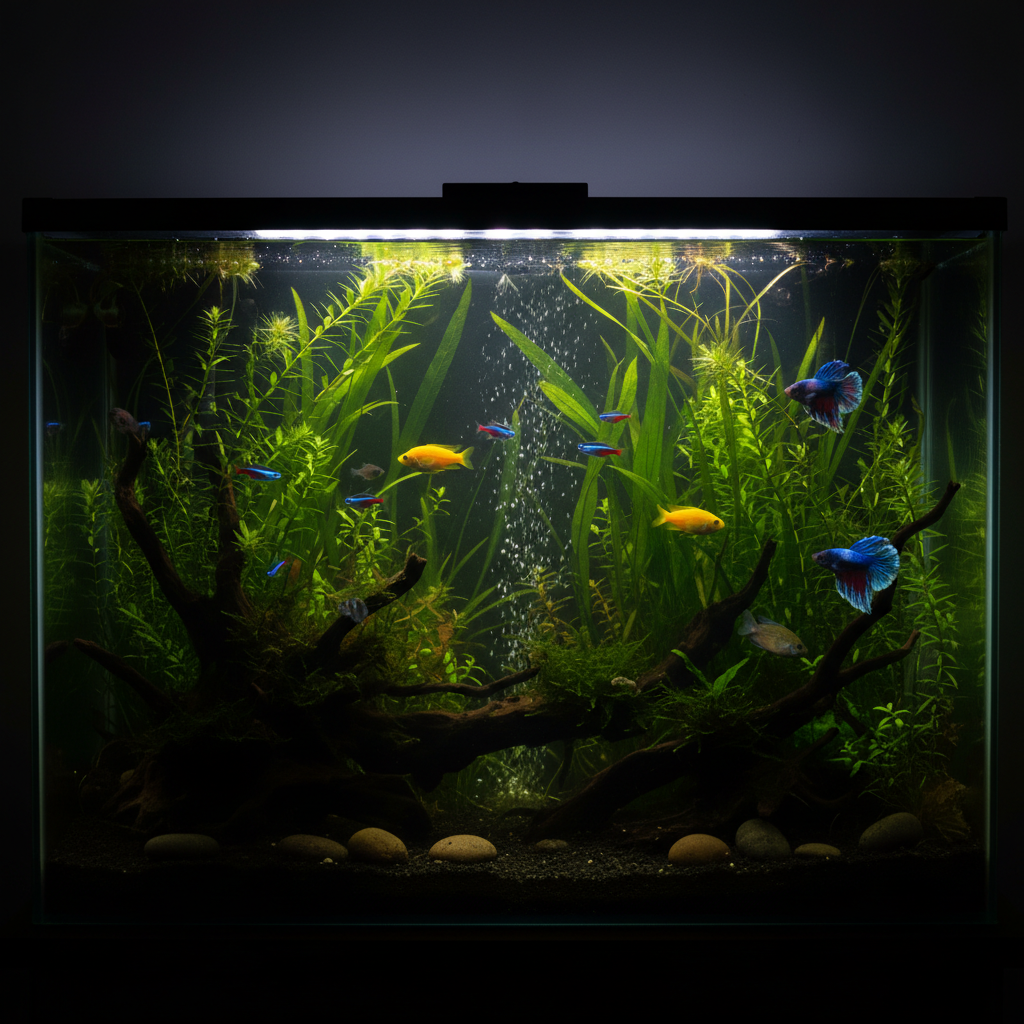
I often reflect on those early mistakes and how much they shaped my approach to aquariums. The algae blooms taught me about balance, the ich outbreaks about quarantine, and the fish compatibility issues about responsible selection. These weren’t just isolated incidents; they were foundational learning experiences that transformed me from a clueless beginner into a confident and knowledgeable aquarist. And while the journey wasn’t always easy, it was definitely worth it. I now have several thriving tanks, each a testament to the power of patience, research, and a healthy dose of humility. So, take it from someone who’s been there: learn from my mistakes, and you’ll be well on your way to creating your own underwater paradise.
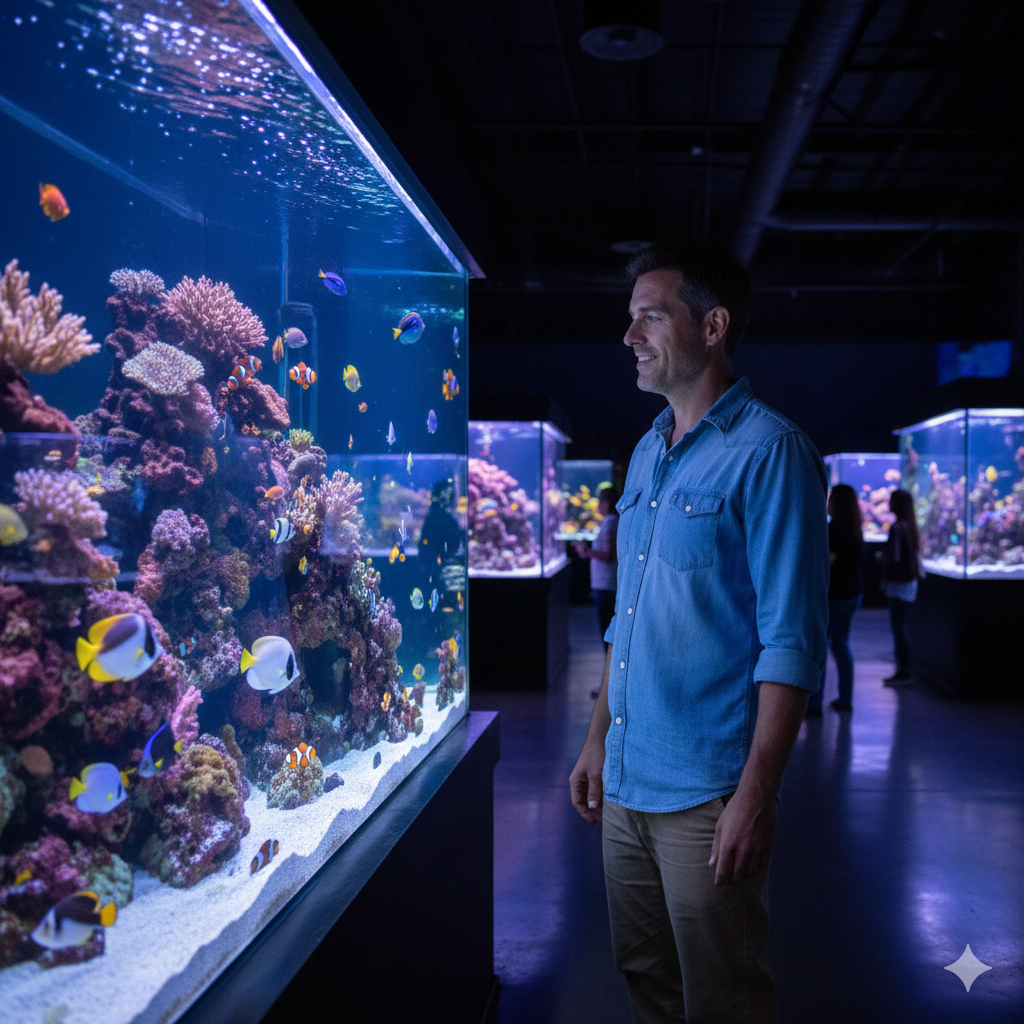
My name is Daniel Carter, I am 35 years old, and I live in the United States. I have been passionate about aquariums for many years, and what started as a simple hobby quickly became a lifelong interest in aquatic life, fish behavior, and responsible tank care.
Through TheBrightLance, I share real experiences, practical knowledge, and honest lessons learned from maintaining different types of aquariums. I enjoy testing equipment, studying fish behavior, improving maintenance routines, and helping beginners avoid common mistakes.
My goal is to make aquarism easier, more ethical, and more enjoyable for everyone — whether you are setting up your very first tank or looking to refine your techniques.