
The Silent Screams of Submerged Kingdoms: My Aquarium Woes
There’s a certain tranquil allure to aquariums. A miniature, self-contained world teeming with life, a vibrant tableau that can soothe the most frazzled nerves. But behind that serene facade lies a delicate ecosystem, a complex web of biological and chemical processes that demand constant vigilance. Over the years, I’ve learned this the hard way, battling a myriad of common aquarium problems that have threatened to turn my underwater paradise into a submerged wasteland. From the insidious creep of algae blooms to the sudden, inexplicable demise of prized fish, I’ve seen it all, and I’m here to share my experiences, so you can hopefully avoid making the same mistakes I did.
Think of an aquarium as a tiny planet. You’re the god, the benevolent dictator, the environmental regulator. Your choices dictate the quality of life (or lack thereof) for every single inhabitant. The water parameters, the lighting, the feeding schedule, the very substrate you choose – all of it plays a crucial role in the overall health and stability of the tank. Neglect any one of these factors, and you risk triggering a cascade of problems that can quickly spiral out of control. Have you ever considered the sheer responsibility you undertake when you decide to build an aquatic ecosystem in your living room? It’s not just about aesthetics; it’s about ethical stewardship.
The Algae Apocalypse: A Green Tide of Frustration
Ah, algae. The bane of every aquarist’s existence. It’s the uninvited guest that crashes the party, the persistent weed that stubbornly refuses to be eradicated. I’ve waged countless wars against various forms of algae, from the unsightly green spot algae that speckles the glass to the dreaded black beard algae (BBA) that clings tenaciously to plants and decorations. Early on, I thought I could simply scrub it away. I was wrong. So, so wrong.
My initial approach was brute force: scrubbing, scraping, and vacuuming with reckless abandon. This provided temporary relief, but the algae always returned, stronger and more determined than before. It was like fighting a hydra; for every strand I removed, two more seemed to sprout in its place. I soon realized that I wasn’t addressing the root cause of the problem. I was merely treating the symptoms.
The real culprit, I discovered, was an imbalance of nutrients and light. Excessive light, particularly in combination with high levels of nitrates and phosphates, creates the perfect breeding ground for algae. Overfeeding my fish, coupled with infrequent water changes, was contributing to the nutrient buildup. My aquarium was essentially a lavish buffet for algae, and it was thriving.
My solution involved a multi-pronged approach. First, I reduced the intensity and duration of my aquarium lighting. I also started performing more frequent water changes to keep nutrient levels in check. I introduced algae-eating fish, such as Siamese algae eaters and Otocinclus catfish, to help graze on the existing algae. And finally, I added a few fast-growing aquatic plants, like hornwort and water sprite, to compete with the algae for nutrients. It wasn’t an overnight fix, but gradually, the algae began to recede. The key was to understand the underlying causes and address them systematically, rather than simply resorting to cosmetic treatments. Have you ever considered that algae is just a symptom of a deeper problem in your tank? It’s the canary in the coal mine, warning you of an imbalance that needs to be corrected.

The Case of the Mysterious Disappearances: Unraveling Fishy Deaths
Losing a fish is never easy. It’s like a tiny piece of your underwater world has been taken away. But when fish start dying off inexplicably, one after another, it can be downright heartbreaking and incredibly frustrating. I remember one particularly devastating period when I lost several of my favorite fish within a matter of weeks. There were no obvious signs of disease, no visible injuries, just… death. It was a mystery that haunted me, and I was determined to solve it.
My first suspect was water quality. I meticulously tested the water parameters: ammonia, nitrite, nitrate, pH, everything seemed to be within acceptable ranges. I even took a sample to my local fish store for a second opinion. They confirmed that the water quality was good. So, what was killing my fish? I started researching common fish diseases, comparing the symptoms (or lack thereof) to my fish’s behavior. Nothing seemed to fit.
Then, I stumbled upon an article about stray voltage in aquariums. Stray voltage is a low-level electrical current that can leak into the water from faulty equipment, such as heaters or pumps. While not necessarily lethal, it can stress fish, weaken their immune systems, and make them more susceptible to disease. I decided to test my aquarium water for stray voltage using a multimeter. Sure enough, there it was: a small but measurable voltage reading. I unplugged all of my aquarium equipment one by one, testing the water after each disconnection. Finally, I pinpointed the culprit: a faulty heater. Even though it appeared to be functioning normally, it was leaking a small amount of electricity into the water. I replaced the heater, and the fish deaths stopped. It was a simple fix, but it taught me a valuable lesson: sometimes, the most subtle problems can have the most devastating consequences. Have you ever considered that the silent killer in your tank could be something you can’t even see?
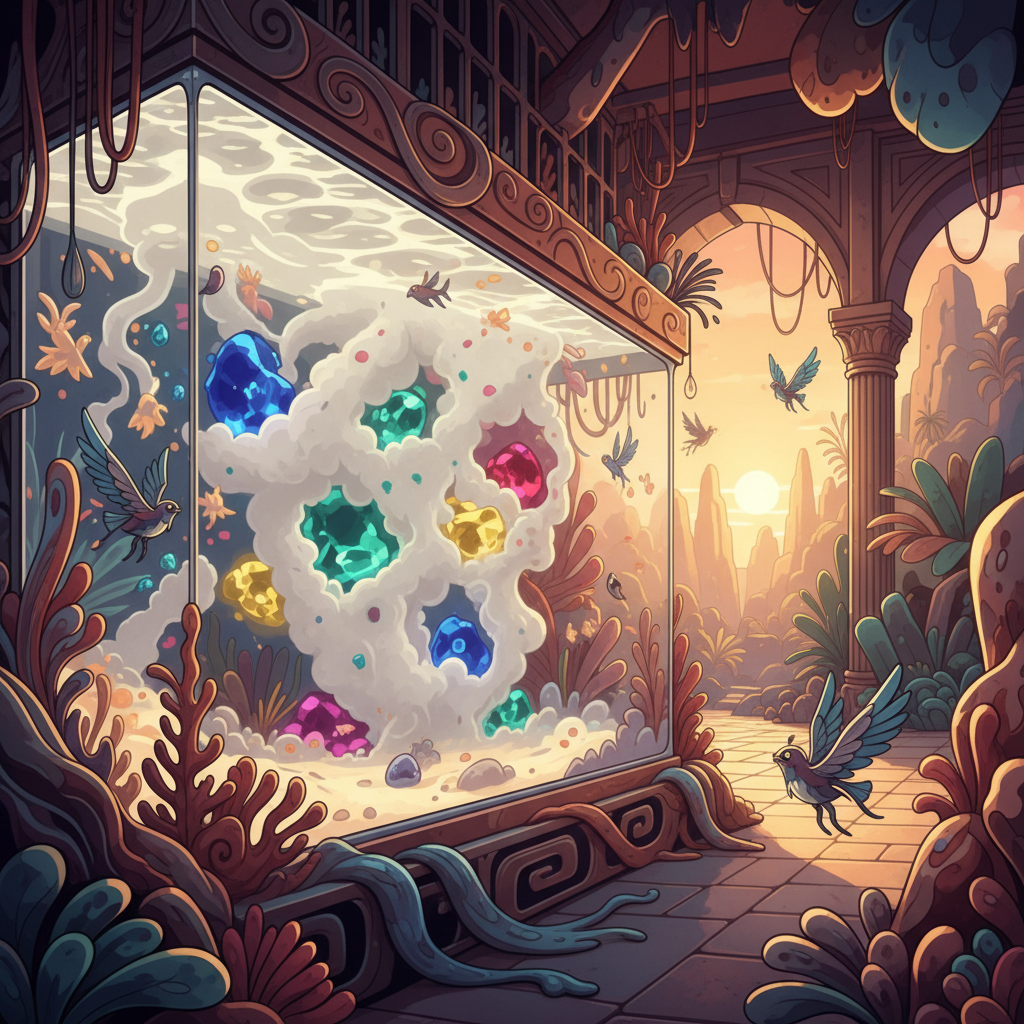
The Cloudy Catastrophe: Clearing Up Murky Waters
Crystal-clear water is the hallmark of a healthy aquarium. It allows you to fully appreciate the vibrant colors of your fish and plants, creating a stunning visual display. But what happens when your water suddenly turns cloudy, obscuring everything within? I’ve experienced this firsthand, and let me tell you, it’s not a pretty sight. Cloudy water can be caused by a variety of factors, including bacterial blooms, excessive particulate matter, and imbalances in water chemistry. The challenge is to identify the cause and implement the appropriate solution.
One of the most common causes of cloudy water is a bacterial bloom. This occurs when there’s a sudden increase in the population of bacteria in the water. This is often triggered by an excess of organic matter, such as uneaten food or decaying plant material. The bacteria feed on this organic matter, multiplying rapidly and turning the water milky white. My initial reaction was to panic and perform a massive water change. However, I soon learned that this can actually make the problem worse, as it disrupts the delicate balance of the aquarium ecosystem.
The best approach to dealing with a bacterial bloom is to be patient and let it run its course. In most cases, the bloom will subside on its own within a few days as the bacteria consume the excess organic matter and the water chemistry stabilizes. However, you can take steps to speed up the process. First, make sure you’re not overfeeding your fish. Remove any uneaten food promptly. Second, perform regular water changes, but don’t overdo it. A 25% water change every few days is usually sufficient. Third, ensure that your aquarium filter is functioning properly and that it’s adequately sized for your tank. A good filter will help remove particulate matter and maintain water clarity. Finally, resist the urge to add any chemicals or medications to the water. These can often do more harm than good, further disrupting the delicate balance of the aquarium ecosystem. Remember, patience is a virtue, especially when dealing with cloudy water. Sometimes, the best thing you can do is simply let nature take its course. Is your immediate reaction always to intervene? Sometimes, the best cure is simply time.
The pH Puzzle: Maintaining Chemical Harmony
pH, the measure of acidity or alkalinity, is a crucial water parameter that affects the health and well-being of your fish and plants. Different species have different pH preferences, and maintaining a stable pH within the appropriate range is essential for their survival. I’ve learned that chasing a specific pH number is less important than ensuring stability. Fluctuations are far more stressful to fish than a slightly off-target pH that remains consistent.
My biggest challenge wasn’t necessarily achieving the “perfect” pH, but preventing sudden swings. I discovered that my tap water was naturally alkaline, with a pH of around 8.0. While this was acceptable for some of my fish, it was too high for others. I experimented with various methods to lower the pH, including adding peat moss to my filter and using commercially available pH buffers. However, I found that these methods were often unreliable and could lead to unpredictable fluctuations.
Ultimately, I settled on a more natural and sustainable approach. I began using driftwood and Indian almond leaves in my aquarium. These natural materials release tannins into the water, which gradually lower the pH and create a more acidic environment. They also have beneficial antibacterial and antifungal properties. The key was to introduce these materials slowly and monitor the pH closely to avoid any sudden changes. I also learned the importance of regular water changes with dechlorinated tap water. While my tap water had a high pH, it also had a high buffering capacity, meaning it was resistant to changes in pH. By performing regular water changes, I could gradually lower the pH of my aquarium water without causing any drastic swings. Remember, stability is key. A consistent pH within an acceptable range is far better than a constantly fluctuating pH that’s chasing perfection. Are you obsessed with numbers, or do you focus on the overall health of your ecosystem?
The Fin Rot Fiasco: Battling Bacterial Infections
Fin rot, a bacterial infection that causes the fins of fish to fray and deteriorate, is a common ailment that can affect even the most well-maintained aquariums. I remember the first time I encountered fin rot. One of my prized bettas, a magnificent creature with flowing, iridescent fins, suddenly developed ragged edges on its tail. I was horrified. I knew that fin rot could be fatal if left untreated.
My first instinct was to reach for the antibiotics. I rushed to my local fish store and purchased a broad-spectrum antibiotic medication. I followed the instructions carefully, adding the medication to my aquarium water. However, after several days, there was no improvement. In fact, the fin rot seemed to be getting worse. I realized that I was fighting a losing battle. The antibiotics were not effective against the specific bacteria that were causing the infection. Moreover, they were likely killing off the beneficial bacteria in my aquarium filter, further disrupting the ecosystem.
I decided to take a different approach. I focused on improving the water quality. I performed a large water change, removing as much of the contaminated water as possible. I also added a small amount of aquarium salt to the water. Aquarium salt can help to inhibit the growth of bacteria and promote healing. I continued to monitor the betta closely, performing regular water changes and adding aquarium salt as needed. Slowly but surely, the fin rot began to recede. The frayed edges of the fins started to heal, and new tissue began to grow. It was a long and arduous process, but eventually, the betta made a full recovery. The experience taught me that sometimes, the best treatment for fish diseases is simply good water quality and a little bit of patience. Don’t underestimate the power of a clean environment. Are you too quick to reach for the medications, or do you prioritize creating a healthy environment for your fish?

The New Tank Syndrome: A Cycle of Nitrification
New Tank Syndrome is a rite of passage for every new aquarist. It’s the period when the aquarium’s biological filter is still developing, and ammonia and nitrite levels can spike to dangerous levels. Ammonia and nitrite are toxic to fish, and even small amounts can be lethal. I remember the first time I set up a new aquarium. I was so excited to add fish that I completely skipped the cycling process. Big mistake. Within a few days, my fish started acting strangely. They were gasping at the surface, their gills were red, and they were lethargic. I tested the water and discovered that the ammonia and nitrite levels were off the charts. I was horrified. I realized that I had made a grave error.
I immediately performed a large water change to dilute the toxins. I also added a commercially available ammonia detoxifier to the water. However, the damage was already done. Several of my fish died. It was a devastating experience, but it taught me a valuable lesson about the importance of cycling a new aquarium. Cycling is the process of establishing a population of beneficial bacteria in the aquarium filter. These bacteria convert ammonia into nitrite, and then nitrite into nitrate. Nitrate is much less toxic to fish than ammonia and nitrite, and it can be removed through regular water changes.
The most common method of cycling a new aquarium is to add a small amount of ammonia to the water and monitor the ammonia, nitrite, and nitrate levels daily. As the beneficial bacteria colonize the filter, the ammonia and nitrite levels will gradually decrease, and the nitrate level will increase. Once the ammonia and nitrite levels consistently read zero, and the nitrate level is stable, the aquarium is considered cycled and it’s safe to add fish. It’s a slow and patient process, but it’s essential for the health and well-being of your fish. Are you tempted to rush the process, or do you understand the importance of building a strong foundation for your aquarium ecosystem?
The Importance of Quarantine: Preventing Disease Outbreaks
One of the most important lessons I’ve learned is the importance of quarantining new fish before introducing them to my main aquarium. Quarantine is the practice of isolating new fish in a separate tank for several weeks to observe them for signs of disease. This prevents the spread of diseases to the existing fish population in your main aquarium. I used to skip the quarantine process, thinking it was unnecessary. I figured that if the fish looked healthy at the store, they were probably fine. I was wrong. On several occasions, I introduced new fish to my main aquarium that were carrying diseases. These diseases quickly spread to the other fish, causing widespread illness and death. It was a nightmare.
Now, I never introduce a new fish to my main aquarium without quarantining it first. I keep a small, dedicated quarantine tank set up at all times. When I bring home a new fish, I place it in the quarantine tank and observe it closely for several weeks. I look for any signs of disease, such as unusual behavior, changes in appearance, or lesions on the body. If the fish shows any signs of illness, I treat it accordingly. Only after the fish has been disease-free for several weeks do I introduce it to my main aquarium. It’s a simple precaution that can save you a lot of heartache and prevent devastating disease outbreaks. Do you see quarantine as an inconvenience, or a vital safeguard for your aquarium ecosystem?

Embracing the Learning Curve: A Lifelong Journey
Keeping an aquarium is a continuous learning experience. There will always be new challenges and unexpected problems to overcome. But with each challenge, you’ll gain valuable knowledge and experience that will make you a better aquarist. Don’t be afraid to make mistakes. Everyone makes mistakes. The key is to learn from them and not repeat them. Read books, watch videos, and join online forums to learn from the experiences of others. Don’t be afraid to ask for help. There are many experienced aquarists who are willing to share their knowledge and advice. And most importantly, never give up. Even when things get tough, remember the beauty and tranquility that your aquarium brings to your life. It’s a rewarding hobby that can provide endless hours of enjoyment. The journey of an aquarist is never truly over, it is an evolving relationship between you, your fish, and the water that binds you together.
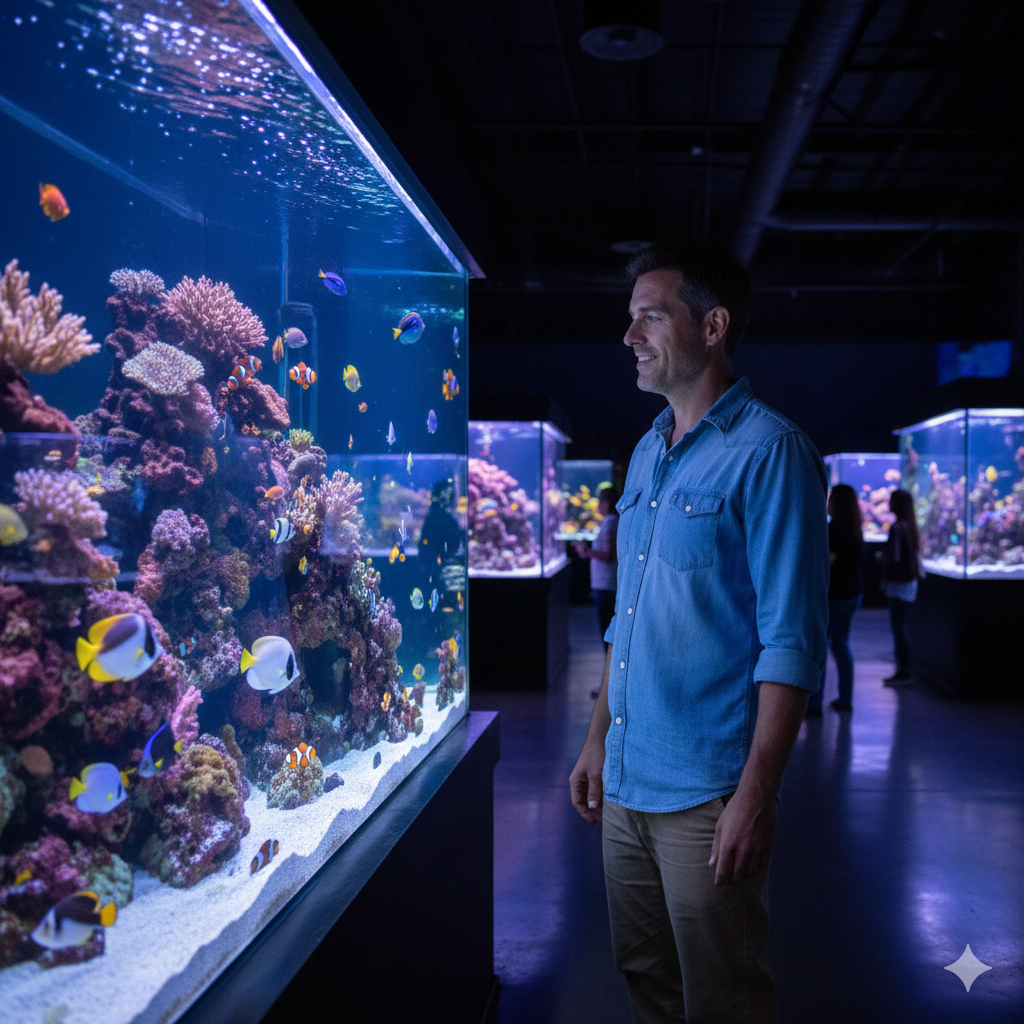
My name is Daniel Carter, I am 35 years old, and I live in the United States. I have been passionate about aquariums for many years, and what started as a simple hobby quickly became a lifelong interest in aquatic life, fish behavior, and responsible tank care.
Through TheBrightLance, I share real experiences, practical knowledge, and honest lessons learned from maintaining different types of aquariums. I enjoy testing equipment, studying fish behavior, improving maintenance routines, and helping beginners avoid common mistakes.
My goal is to make aquarism easier, more ethical, and more enjoyable for everyone — whether you are setting up your very first tank or looking to refine your techniques.