
My Simple Path to a Sparkling Aquarium
Let’s be honest, the idea of a pristine, thriving aquarium is alluring. But for many, including myself when I first started out, the reality can feel overwhelming. Water changes, algae blooms, mysterious fish illnesses – it all adds up. I remember spending countless hours testing water parameters, scrubbing algae, and stressing over whether my fish were happy. My aquarium felt more like a chore than a source of joy. But after over a decade of keeping freshwater tanks, I’ve discovered that a clean and healthy aquarium doesn’t have to be complicated. It’s about understanding the fundamentals, establishing a routine, and resisting the urge to over-complicate things. I’m Lucas Anderson, and I’m here to share the secrets I’ve learned to maintain a stunning aquarium without losing my sanity.
The Myth of the Perfect Aquarium
Before we dive into the practical steps, let’s address a common misconception: the idea of a “perfect” aquarium. The truth is, there’s no such thing. Aquariums are dynamic ecosystems, constantly changing and evolving. There will be fluctuations in water parameters, occasional algae growth, and even the occasional fish illness. The goal isn’t to eliminate these issues entirely, but to manage them effectively and create a stable environment where your fish can thrive. I used to chase perfect water parameters, adding chemicals and constantly tweaking things. I was always stressed. Now, I focus on stability and consistency. I aim for “good enough,” and my fish are healthier and happier for it.
Understanding the Basics: The Nitrogen Cycle
The nitrogen cycle is the foundation of a healthy aquarium. It’s a natural process that breaks down harmful waste products, like ammonia, into less toxic substances. Understanding this cycle is crucial for maintaining a clean and balanced aquarium. Ammonia is produced by fish waste, uneaten food, and decaying plant matter. It’s highly toxic to fish, even in small amounts. Thankfully, beneficial bacteria colonize your filter and gravel, converting ammonia into nitrite, which is also toxic. A second type of bacteria then converts nitrite into nitrate, which is much less harmful and can be removed through water changes. This entire process is what we call the nitrogen cycle.
Establishing the Cycle: Patience is Key
Setting up a new aquarium requires patience. You can’t just add fish and expect everything to be fine. You need to allow the nitrogen cycle to establish itself first. This process typically takes several weeks. There are a few ways to cycle a new tank. One method involves adding a small amount of ammonia to the tank daily and testing the water regularly. You’ll see ammonia levels rise, then nitrite levels rise, and eventually, both will drop to zero as nitrate levels increase. This indicates that the cycle is complete. Alternatively, you can use a product containing beneficial bacteria to jumpstart the process. Another method is to use filter media from an established tank to seed the new tank with beneficial bacteria. I personally prefer the second or third method, as it’s less stressful on the fish (if you’re using fish to cycle the tank). Regardless of the method you choose, monitor your water parameters closely and be patient. Rushing the process can lead to problems down the road.
Monitoring Water Parameters: A Necessary Evil?
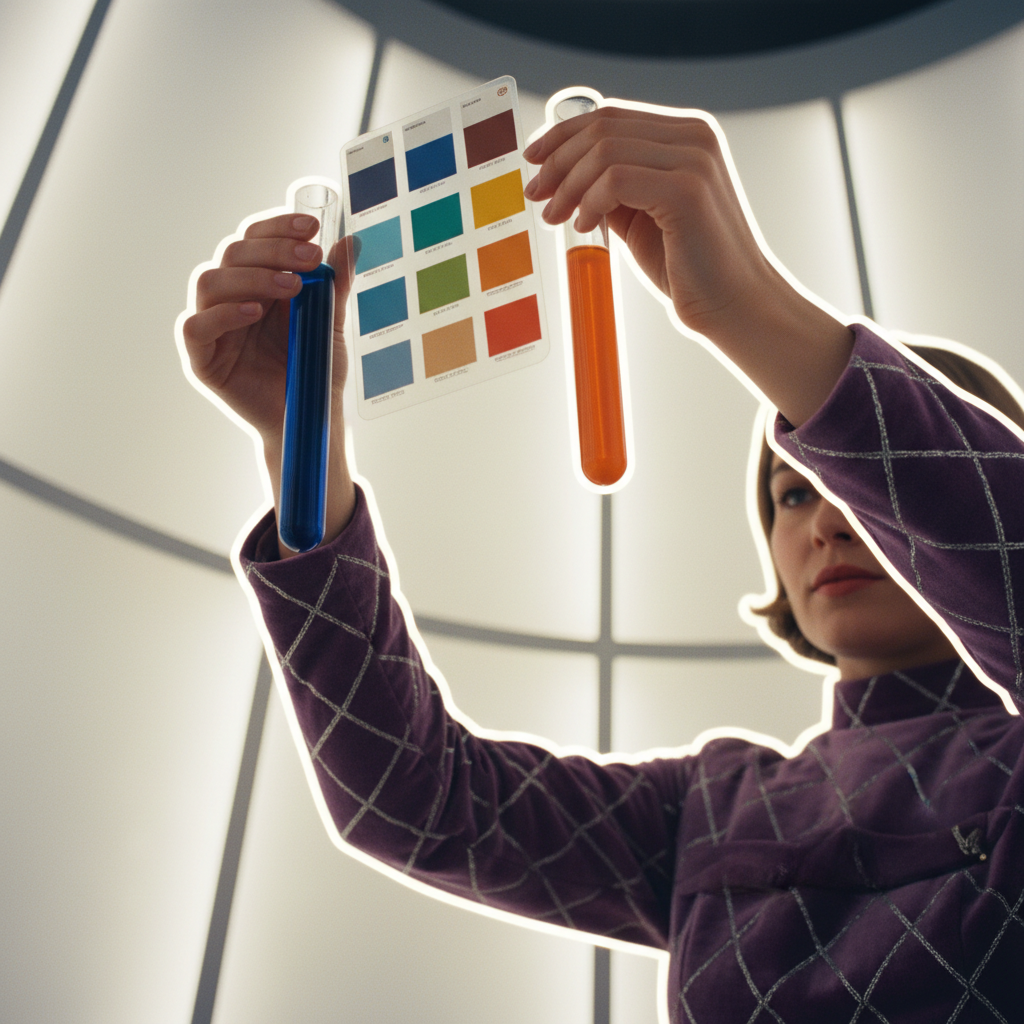
While I advocate for simplicity, regular water testing is still important, especially in the early stages of a new aquarium. A basic test kit that measures ammonia, nitrite, nitrate, and pH is essential. Testing the water allows you to monitor the progress of the nitrogen cycle and identify any potential problems. Once your aquarium is established and stable, you can reduce the frequency of testing. I typically test my water once a month, or more often if I notice any signs of distress in my fish. Remember, the goal is to monitor, not obsess. Don’t get caught up in chasing perfect numbers. Focus on maintaining stable and consistent water parameters.
Water Changes: The Cornerstone of Aquarium Health
Water changes are the most important thing you can do to maintain a clean and healthy aquarium. They remove nitrates, replenish essential minerals, and help to keep the water fresh. I recommend performing a 25-50% water change every one to two weeks. The frequency and size of water changes will depend on the size of your aquarium, the number of fish, and the amount of waste they produce. A heavily stocked tank will require more frequent and larger water changes than a lightly stocked tank. I’ve experimented with different water change schedules over the years, and I’ve found that a consistent routine is key. My fish seem to thrive on a regular schedule, and it makes it easier for me to stay on top of things.
The Simple Way to Do Water Changes
Water changes don’t have to be a daunting task. With the right equipment, they can be quick and easy. I use a simple siphon gravel vacuum to remove water and clean the gravel at the same time. This helps to remove accumulated waste and debris from the bottom of the tank. When refilling the tank, I use dechlorinated tap water. It’s important to dechlorinate the water to remove chlorine and chloramine, which are toxic to fish. I also try to match the temperature of the new water to the temperature of the aquarium water to avoid shocking the fish. Over the years, I’ve learned to streamline my water change process. I keep all my equipment readily accessible, and I perform the water change at the same time each week. This makes it a routine, and I don’t have to think about it.
Over-Filtration and Under-Estimation: A Common Mistake
Many beginners believe that a powerful filter can compensate for infrequent water changes. While a good filter is essential, it’s not a substitute for regular water changes. Filters remove particulate matter and convert harmful substances into less toxic ones, but they don’t remove nitrates. Nitrates will continue to accumulate in the water until they are removed through water changes. Over-filtration can also lead to problems. A filter that is too powerful can create excessive water flow, which can stress the fish. It can also strip the water of essential nutrients, which can harm plants. I recommend choosing a filter that is appropriately sized for your aquarium and performing regular water changes to keep nitrate levels in check.
Algae Control: Winning the Green Battle
Algae is a natural part of any aquarium ecosystem. However, excessive algae growth can be unsightly and can even harm your fish. There are many factors that can contribute to algae blooms, including excessive light, high nutrient levels, and poor water circulation. The key to controlling algae is to address the underlying causes. I’ve battled algae in my aquariums for years, and I’ve learned that a multi-pronged approach is the most effective. First, I limit the amount of light that enters the aquarium. I avoid placing the aquarium in direct sunlight, and I use a timer to control the duration of the light cycle. Second, I maintain low nutrient levels by performing regular water changes and avoiding overfeeding. Third, I ensure good water circulation by using a powerhead or circulation pump. Finally, I employ algae-eating creatures, such as snails and shrimp, to help keep the algae in check.
Algae Eaters: Nature’s Cleaning Crew
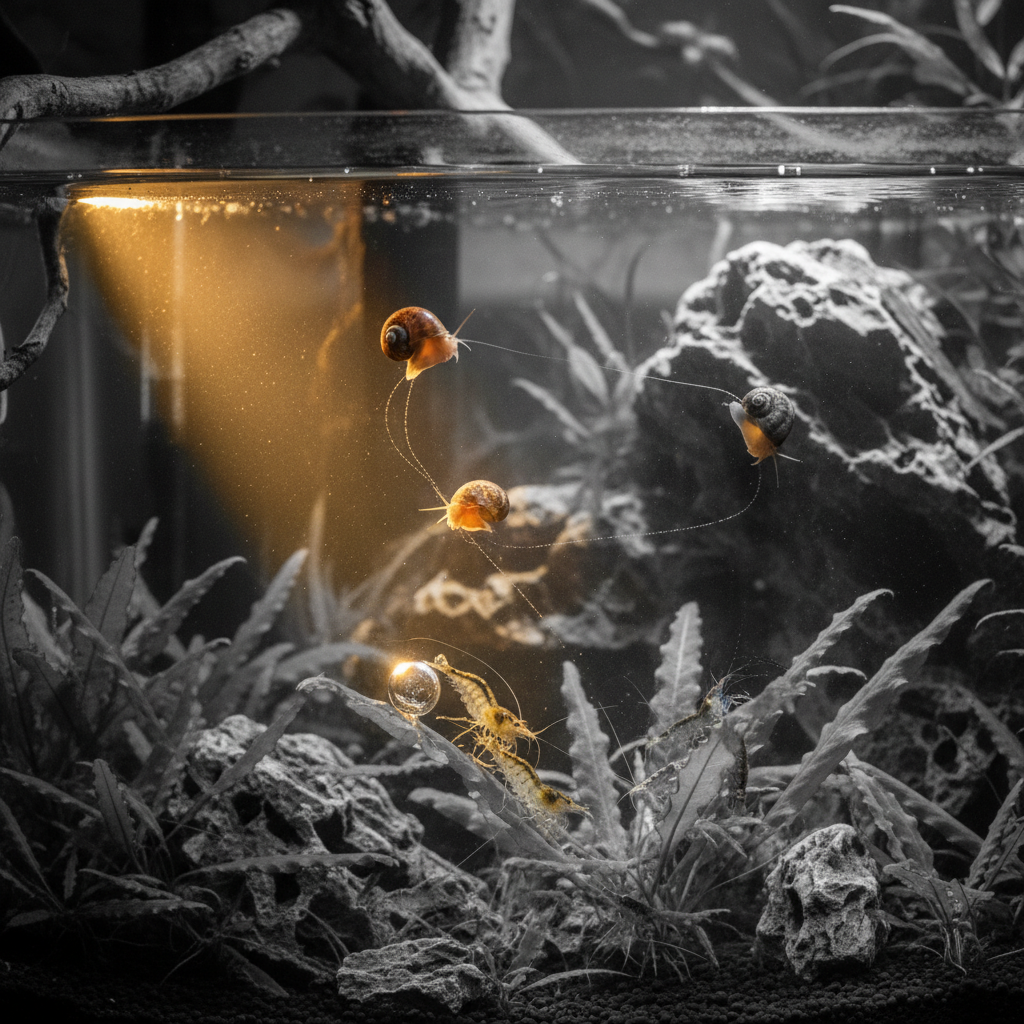
Algae-eating fish, snails, and shrimp can be valuable additions to any aquarium. They help to control algae growth and keep the tank clean. However, it’s important to choose the right algae eaters for your aquarium. Some algae eaters are more effective than others, and some may not be compatible with your fish. I’ve had good success with snails, such as nerite snails and mystery snails. They are efficient algae eaters and relatively peaceful. I also like to use Amano shrimp, which are excellent at consuming hair algae. However, it’s important to note that algae eaters are not a complete solution to algae problems. They are a supplement to good aquarium maintenance practices, not a replacement for them.
The Power of Live Plants
Live plants are not only beautiful, but they also play an important role in maintaining a healthy aquarium. They absorb nitrates, produce oxygen, and provide shelter for fish. They also compete with algae for nutrients, which can help to control algae growth. I’ve found that adding live plants to my aquariums has significantly reduced algae problems. However, it’s important to choose the right plants for your aquarium. Some plants require high light levels and CO2 supplementation, while others are more low-maintenance. I prefer to use low-maintenance plants, such as Java fern, Anubias, and Amazon sword. These plants are relatively easy to care for and can thrive in a variety of conditions. They also provide excellent cover for fish and help to create a natural-looking environment.
Feeding: Less is More
Overfeeding is a common mistake that can lead to a variety of problems, including poor water quality, algae blooms, and fish obesity. It’s important to feed your fish a balanced diet in the right amount. I recommend feeding your fish once or twice a day, only as much as they can consume in a few minutes. Any uneaten food should be removed from the tank promptly. I also vary the diet of my fish. I feed them a combination of flake food, frozen food, and live food. This ensures that they are getting all the nutrients they need. I’ve learned that it’s better to underfeed than to overfeed. A slightly hungry fish is a healthy fish.
The Importance of Quality Food
The quality of the food you feed your fish can have a significant impact on their health and well-being. I recommend choosing a high-quality food that is specifically formulated for the type of fish you keep. Avoid foods that are high in fillers or artificial ingredients. Look for foods that are rich in protein, vitamins, and minerals. I also pay attention to the expiration date of the food. Old food can lose its nutritional value and can even become contaminated. I store my fish food in a cool, dry place to prevent it from spoiling.
Filter Maintenance: Keeping Things Flowing
Regular filter maintenance is essential for maintaining a clean and healthy aquarium. The filter is responsible for removing particulate matter and converting harmful substances into less toxic ones. Over time, the filter media can become clogged with debris, which can reduce its effectiveness. I recommend cleaning the filter every few weeks or months, depending on the size of your aquarium and the number of fish. When cleaning the filter, it’s important to avoid using soap or other harsh chemicals, as these can kill the beneficial bacteria that colonize the filter media. I simply rinse the filter media in used aquarium water. This removes the debris without harming the beneficial bacteria. I also replace the filter media periodically, as it can lose its effectiveness over time. For example, activated carbon needs to be replaced regularly to remain effective at removing impurities from the water.
Choosing the Right Filter
There are many different types of aquarium filters available, each with its own advantages and disadvantages. The best filter for your aquarium will depend on the size of your tank, the number of fish, and your personal preferences. I’ve used a variety of different filters over the years, including hang-on-back filters, canister filters, and sponge filters. I’ve found that canister filters are the most effective for larger aquariums, as they provide excellent filtration and have a large media capacity. Hang-on-back filters are a good option for smaller aquariums, as they are relatively inexpensive and easy to maintain. Sponge filters are a good option for breeding tanks or tanks with delicate fish, as they provide gentle filtration and won’t suck up small fish. Ultimately, the best filter for you is the one that you are comfortable using and that effectively removes waste from your aquarium.

Dealing with Common Problems: A Proactive Approach
Even with the best maintenance practices, you may still encounter problems in your aquarium from time to time. Common problems include algae blooms, cloudy water, and fish illnesses. The key to dealing with these problems is to identify the cause and take corrective action promptly. For example, if you have an algae bloom, you should check your lighting, nutrient levels, and water circulation. If you have cloudy water, you should check your filter and water parameters. If you have a fish illness, you should identify the disease and treat it appropriately. I’ve learned that it’s better to be proactive than reactive. By monitoring your aquarium closely and addressing problems early, you can prevent them from becoming serious.
Quarantine Tank: An Essential Tool
A quarantine tank is an essential tool for any serious aquarist. It’s a separate tank that is used to isolate new fish before introducing them to the main aquarium. This allows you to observe the new fish for signs of illness and prevent them from infecting your other fish. I recommend quarantining new fish for at least two weeks, or longer if they show any signs of illness. I also use the quarantine tank to treat sick fish. This prevents the disease from spreading to the other fish in the main aquarium. A quarantine tank doesn’t have to be fancy. A simple 10-gallon tank with a sponge filter and heater is sufficient. The important thing is to have a separate tank that you can use to isolate and treat fish.
My Top 5 Tips for a Low-Maintenance Aquarium
After years of trial and error, I’ve developed a few simple strategies that have made aquarium maintenance much easier and more enjoyable. These are my top 5 tips for a low-maintenance aquarium:
- Stock your tank appropriately: Avoid overcrowding your aquarium, as this will increase the amount of waste produced and make it more difficult to maintain water quality. Research the adult size and temperament of any fish you plan to add to your tank.
- Maintain a consistent routine: Establish a regular schedule for water changes, filter cleaning, and feeding. This will help you stay on top of things and prevent problems from developing.
- Choose low-maintenance plants: Opt for plants that are easy to care for and don’t require high light levels or CO2 supplementation.
- Don’t overfeed: Feed your fish only as much as they can consume in a few minutes, and remove any uneaten food promptly.
- Be patient: Aquariums take time to mature and stabilize. Don’t get discouraged if you encounter problems along the way. Learn from your mistakes and keep experimenting until you find what works best for you.
Keeping an aquarium clean and healthy doesn’t have to be a complicated and stressful endeavor. By understanding the fundamentals of the nitrogen cycle, performing regular water changes, controlling algae growth, and avoiding overfeeding, you can create a thriving aquatic environment that you can enjoy for years to come. Remember, the key is to keep things simple, be patient, and enjoy the process. Don’t be afraid to experiment and find what works best for you and your fish. With a little effort and attention, you can create a stunning aquarium that is both beautiful and easy to maintain. The most rewarding part is watching your fish thrive in a healthy and balanced environment. That’s the true magic of the aquarium hobby.
My name is Daniel Carter, I am 35 years old, and I live in the United States. I have been passionate about aquariums for many years, and what started as a simple hobby quickly became a lifelong interest in aquatic life, fish behavior, and responsible tank care.
Through TheBrightLance, I share real experiences, practical knowledge, and honest lessons learned from maintaining different types of aquariums. I enjoy testing equipment, studying fish behavior, improving maintenance routines, and helping beginners avoid common mistakes.
My goal is to make aquarism easier, more ethical, and more enjoyable for everyone — whether you are setting up your very first tank or looking to refine your techniques.