
My Algae Nightmare: A Lighting Confession
Let’s be honest, nobody gets into the aquarium hobby dreaming of algae. We envision crystal-clear water, vibrant plants, and happy, healthy fish. What we often get, especially in the beginning, is a green, brown, or blackish film coating everything in sight. I know, because I’ve been there. More than once.
And, if I’m being really honest with myself, a lot of my early algae problems stemmed directly from my own ignorance about aquarium lighting. I treated lighting as an afterthought, something to just make the tank look pretty. Big mistake. Huge, in fact. Over the past ten years, I’ve learned (sometimes the hard way) that lighting is arguably the single most critical factor in maintaining a balanced aquarium ecosystem. Get it wrong, and you’re practically inviting algae to throw a party in your tank.
Living here in Orlando, Florida, I’m blessed to have access to some fantastic local fish stores and a thriving community of aquarists. But even with all that support, I still made some classic blunders. So, let me share my hard-earned wisdom, so you can hopefully avoid the same algae-induced headaches I endured.
The “More is Better” Myth (and Why It’s Wrong)
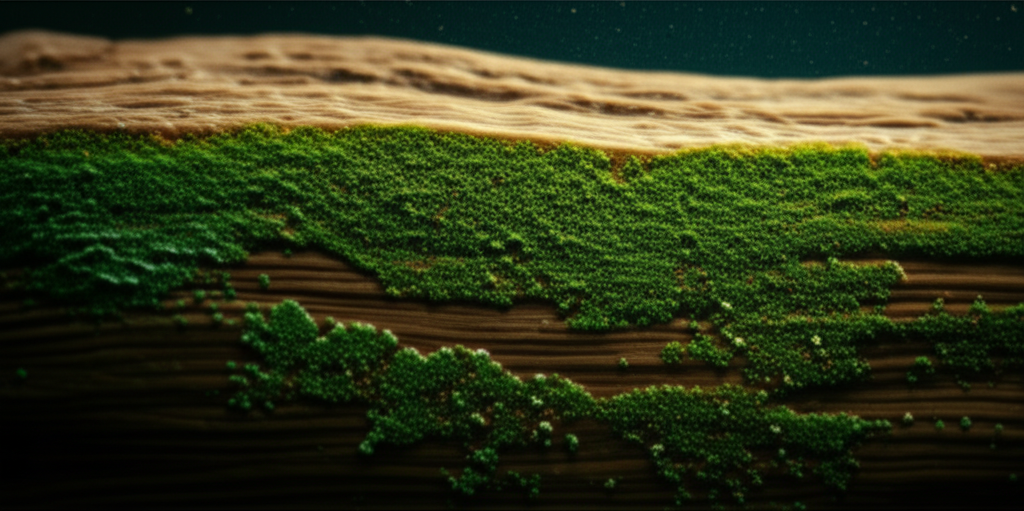
My first, and perhaps biggest, mistake was subscribing to the “more is better” philosophy when it came to lighting. I figured, if a little light is good, then a lot of light must be even better, right? Wrong. So, so wrong. I had this beautiful 20-gallon planted tank, and I decided to upgrade the stock fluorescent bulb that came with the hood to a high-intensity LED. It was bright, like, ridiculously bright. The plants seemed to be loving it initially – they were growing like crazy! But within a few weeks, the tank was covered in hair algae. Long, stringy, green hair algae that clung to everything.
I was baffled. The plants were thriving, so why was the algae going nuts? It turns out, I was providing way too much light for the plants to effectively use. Excess light, coupled with an imbalance in nutrients (more on that later), created the perfect conditions for algae to flourish. Algae, unlike most of our desired aquarium plants, can thrive on relatively low levels of nutrients and are highly adaptable to a wide range of light intensities. So, when the light is too intense, they outcompete the plants for resources.
I tried everything to get rid of the hair algae. I manually removed it, did frequent water changes, and even tried using algaecides (which I now regret, as they can disrupt the tank’s delicate ecosystem). Nothing worked long-term. The algae would always come back, often with a vengeance. I was ready to throw in the towel and convert the tank into a goldfish bowl (just kidding… sort of).
Eventually, I realized my mistake and dialed back the lighting intensity. I replaced the super-bright LED with a more appropriately sized one and started using a timer to limit the photoperiod (the amount of time the lights are on each day). Suddenly, things started to improve. The algae growth slowed down, and the plants were still growing, albeit at a more manageable pace. I learned that the key isn’t just providing light, but providing the *right* amount of light.
Understanding PAR and Lighting Spectrum
This led me down a rabbit hole of researching PAR (Photosynthetically Active Radiation) and lighting spectrum. PAR is a measure of the amount of light available for photosynthesis. Different plants require different PAR levels to thrive. Low-light plants, like Java fern and Anubias, need relatively low PAR, while high-light plants, like some stem plants and carpeting plants, require much higher PAR. Providing too much PAR for the plants you have in your tank is a surefire way to trigger algae growth.
The lighting spectrum also plays a crucial role. Plants primarily use red and blue light for photosynthesis. However, algae can utilize a broader range of the spectrum, including green and yellow light. Some aquarium lights emit a spectrum that is too heavily weighted towards the green and yellow end, which can favor algae growth over plant growth. Look for lights specifically designed for planted aquariums, as they typically have a spectrum optimized for plant photosynthesis.
The Imbalance Act: Nutrients, CO2, and Light
Another lighting-related mistake I made was ignoring the delicate balance between light, nutrients, and CO2. Think of it like a three-legged stool. If one leg is too long or too short, the stool becomes unstable and tips over. In the aquarium, if the light is too intense, and the plants don’t have enough nutrients or CO2 to utilize it effectively, the excess light will fuel algae growth.
I remember another incident with a different tank, a 10-gallon setup I had in my office. This time, I was dealing with green spot algae – those annoying little green dots that cling stubbornly to the glass and plant leaves. I had relatively low light in this tank, so I didn’t think lighting was the problem. But after some research, I realized that green spot algae is often caused by a deficiency in phosphate (PO4). The plants weren’t getting enough phosphate to grow properly, so the algae, which is less demanding, was taking advantage of the situation.
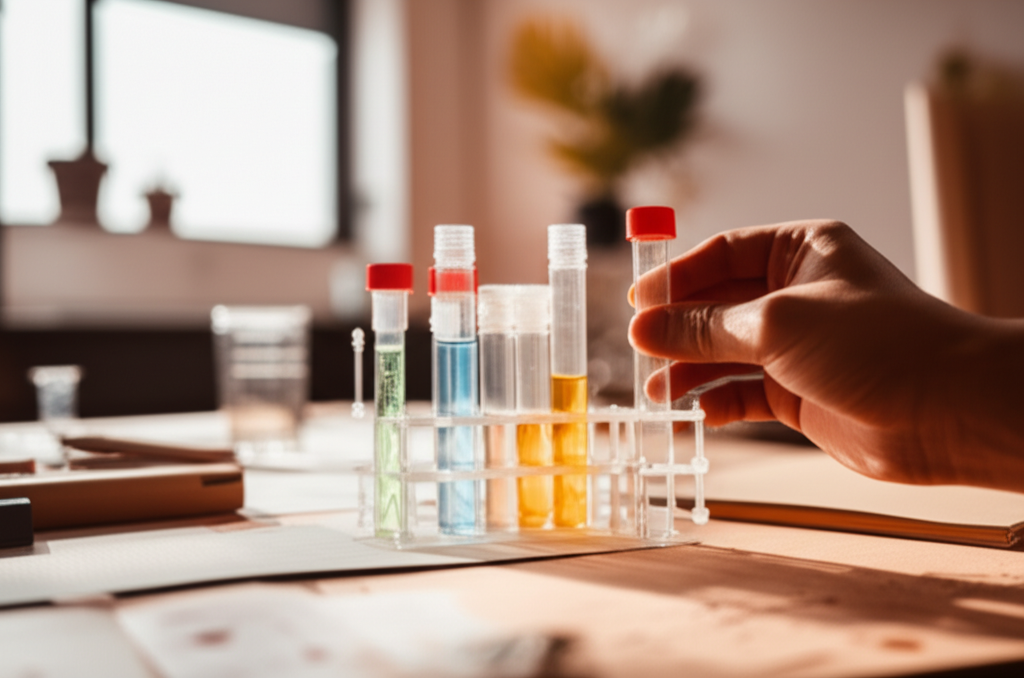
I started dosing a small amount of phosphate fertilizer, and within a few weeks, the green spot algae began to disappear. The plants started to look healthier, and the tank as a whole became more balanced. This experience taught me the importance of testing my water regularly and understanding the nutrient needs of my plants.
The Role of CO2
CO2 (carbon dioxide) is another critical element for plant growth. Plants use CO2 during photosynthesis to convert light energy into chemical energy. In a low-tech aquarium (one without CO2 injection), the plants rely on the CO2 naturally produced by fish respiration and the decomposition of organic matter. However, in a high-tech aquarium with intense lighting and demanding plants, the natural CO2 levels are often insufficient. This can lead to stunted plant growth and, you guessed it, algae problems.
I experimented with CO2 injection in one of my larger tanks, and the results were dramatic. The plants grew faster and more vigorously, and the algae problems significantly decreased. However, CO2 injection requires careful monitoring and adjustment to avoid harming the fish. It’s not something I would recommend for beginners, but it’s definitely worth considering if you’re serious about growing high-light plants.
The Ripple Effect: Indirect Lighting and Placement
It’s not just the aquarium light itself that can cause algae problems. Indirect sunlight can also play a significant role. I learned this lesson the hard way when I placed one of my tanks near a window. The tank wasn’t in direct sunlight, but it received a significant amount of indirect light throughout the day. Initially, I didn’t think it would be a problem, but within a few weeks, the tank was overrun with green water – a pea-soup-like suspension of algae cells that makes it impossible to see into the tank.
Green water is notoriously difficult to get rid of. It’s caused by a bloom of free-floating algae that multiply rapidly in response to excess light and nutrients. I tried water changes, blackouts, and even UV sterilizers, but nothing seemed to work. Eventually, I realized that the indirect sunlight was the culprit. I moved the tank to a different location, away from the window, and the green water gradually cleared up. I also added a UV sterilizer as a preventative measure, and I haven’t had a green water outbreak since.
Placement is also a consideration when it comes to the aquarium light itself. If the light is positioned too close to the substrate, it can create hot spots that favor algae growth. Conversely, if the light is too far away, the plants may not receive enough light to thrive. Experiment with different lighting positions to find the sweet spot that provides adequate light for the plants without creating algae-prone areas.
The Time Factor: Photoperiod and Light Intensity
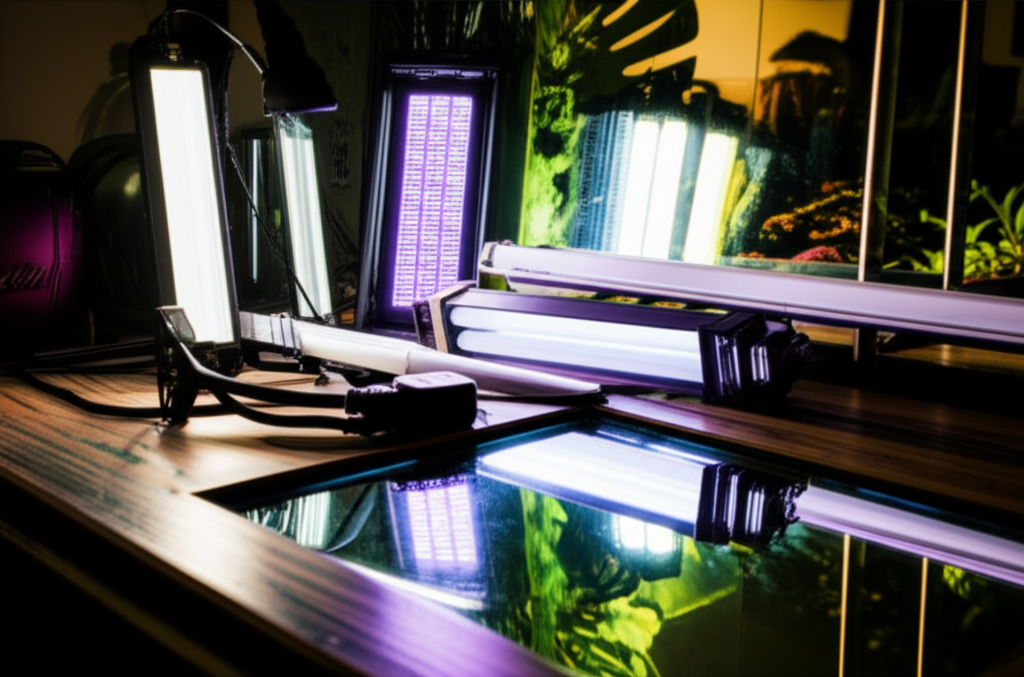
As I mentioned earlier, the photoperiod (the amount of time the lights are on each day) is a crucial factor in controlling algae growth. In general, a photoperiod of 8-10 hours per day is sufficient for most planted aquariums. Exceeding this can provide excess light that fuels algae growth. I use a timer to automatically control the photoperiod in all of my tanks, ensuring consistency and preventing me from accidentally leaving the lights on for too long.
Light intensity is another important consideration. As I learned from my initial “more is better” mistake, providing too much light can be detrimental to the aquarium ecosystem. Start with a relatively low light intensity and gradually increase it as needed, while carefully monitoring the plants for signs of stress or algae growth. If you notice algae starting to appear, reduce the light intensity or shorten the photoperiod. It’s always better to err on the side of caution when it comes to lighting.
Dimmers and Controllers
One of the best investments I’ve made in my aquarium hobby is a dimmable LED light fixture with a built-in controller. These controllers allow you to adjust the light intensity and photoperiod with precision, and some even have sunrise/sunset simulations that gradually increase and decrease the light intensity over time. This not only looks more natural but also helps to reduce stress on the fish and plants.
I use a dimmable LED fixture on my main display tank, and I love the flexibility it provides. I can adjust the light intensity to match the needs of the plants, and I can even create a custom lighting schedule that mimics the natural day/night cycle. This has significantly improved the overall health and appearance of my tank and has helped me to keep algae problems at bay.
The “Dirty” Truth: Detritus and Organic Waste
While lighting is often the primary culprit in algae problems, it’s important to remember that other factors can contribute as well. Detritus (decomposing organic matter) and organic waste can provide nutrients that fuel algae growth. Overfeeding the fish, neglecting water changes, and failing to properly clean the substrate can all lead to a buildup of detritus and organic waste.
I made this mistake early on when I was overfeeding my fish. I thought I was being generous by giving them plenty of food, but I didn’t realize that much of the food was going uneaten and decomposing in the tank. This created a nutrient-rich environment that favored algae growth. I started feeding my fish less and more frequently, and I also made sure to remove any uneaten food promptly. This helped to reduce the amount of detritus in the tank and significantly improved the water quality.
The Power of Water Changes and Substrate Cleaning
Regular water changes are essential for maintaining a healthy aquarium ecosystem. Water changes help to remove excess nutrients, replenish essential minerals, and prevent the buildup of harmful toxins. I typically perform a 25-50% water change once a week in all of my tanks. This helps to keep the water clean and clear and reduces the risk of algae problems.
Substrate cleaning is also important for removing detritus and organic waste. I use a gravel vacuum to clean the substrate during my water changes. This sucks up any debris that has accumulated in the gravel, preventing it from decomposing and releasing nutrients into the water column. Be careful not to disturb the beneficial bacteria that live in the substrate, as these bacteria play a crucial role in the nitrogen cycle.
The Biological Weapon: Algae Eaters
While proper lighting, nutrient balance, and water quality are essential for preventing algae problems, sometimes you need a little extra help. That’s where algae eaters come in. These are fish, snails, and invertebrates that feed on algae, helping to keep your tank clean and clear.
I’ve had great success using algae eaters in my tanks. Otocinclus catfish are my personal favorites. They’re small, peaceful, and highly effective at consuming diatoms and other types of algae. Nerite snails are also excellent algae eaters, particularly for removing green spot algae from the glass and decorations. Amano shrimp are another popular choice, as they consume a wide variety of algae and detritus.
However, it’s important to choose the right algae eaters for your tank. Some algae eaters, like plecos, can grow very large and may not be suitable for smaller tanks. Others, like Siamese algae eaters, can become aggressive as they mature. Research the different types of algae eaters and choose those that are compatible with your fish and tank size.
A Word of Caution About Overstocking
It’s tempting to add a lot of algae eaters to your tank to quickly get rid of an algae problem. However, overstocking your tank with algae eaters can actually make the problem worse. Too many algae eaters can produce excessive waste, which can lead to a buildup of nutrients and fuel algae growth. It’s better to start with a small number of algae eaters and gradually add more as needed.
The Patience Game: A Balanced Ecosystem Takes Time
The most important thing I’ve learned about aquarium keeping is that it’s a game of patience. Building a balanced ecosystem takes time, and there will inevitably be ups and downs along the way. Don’t get discouraged if you encounter algae problems. It’s a common experience for all aquarists, even experienced ones.
The key is to stay informed, observe your tank carefully, and make adjustments as needed. Don’t be afraid to experiment with different lighting levels, nutrient levels, and water parameters. But always make changes gradually and monitor the results closely. Over time, you’ll develop a better understanding of your tank’s unique needs, and you’ll be able to create a thriving ecosystem that is both beautiful and algae-free.
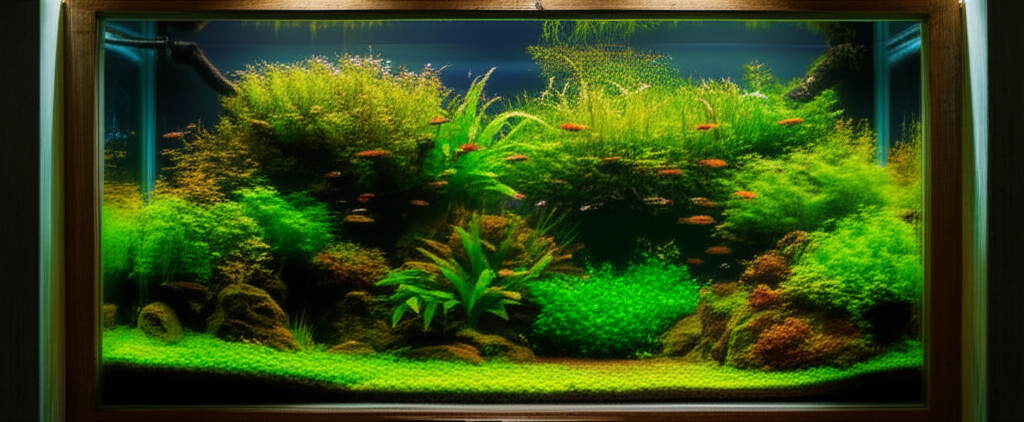
So, if you’re struggling with algae problems in your aquarium, take a closer look at your lighting. Are you providing too much light? Is the lighting spectrum appropriate for your plants? Are you maintaining a proper balance between light, nutrients, and CO2? By addressing these questions and making the necessary adjustments, you can significantly reduce the risk of algae growth and create a healthy, beautiful, and thriving aquarium.
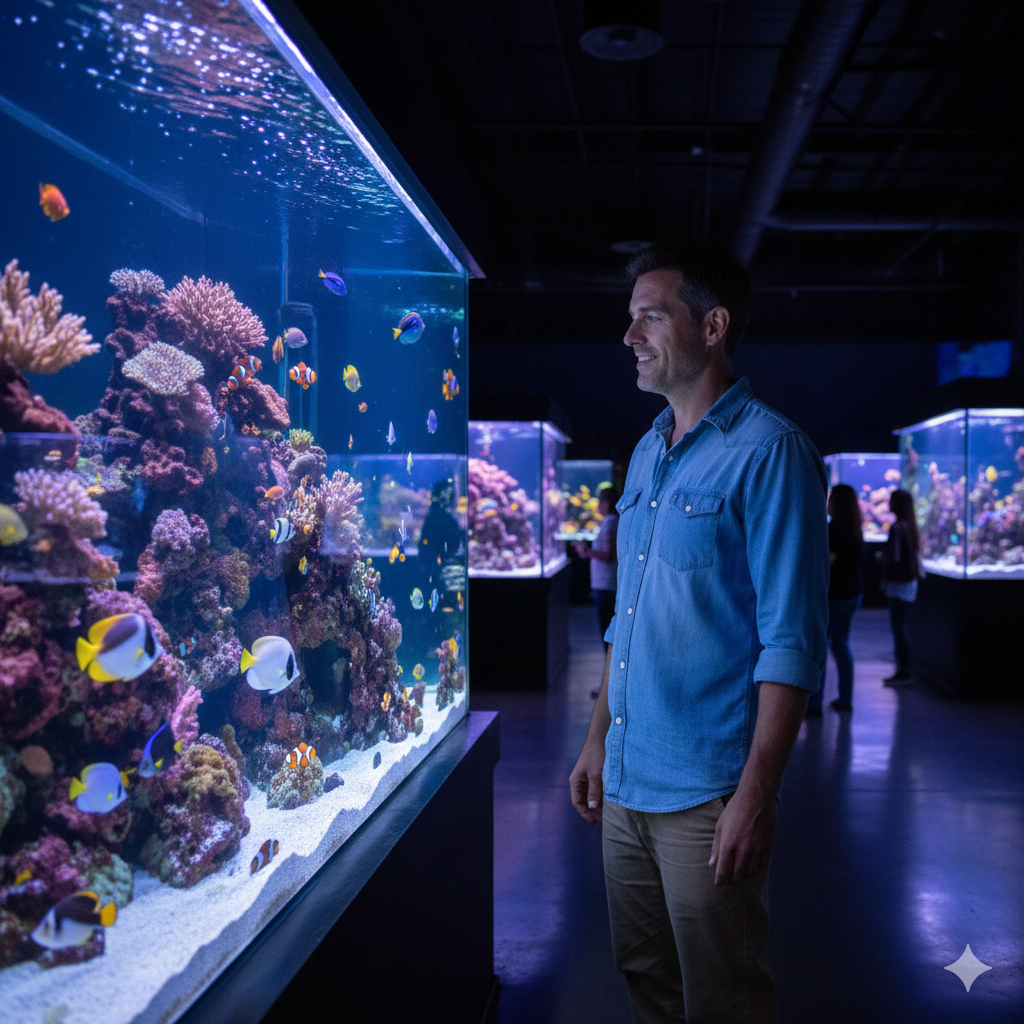
My name is Daniel Carter, I am 35 years old, and I live in the United States. I have been passionate about aquariums for many years, and what started as a simple hobby quickly became a lifelong interest in aquatic life, fish behavior, and responsible tank care.
Through TheBrightLance, I share real experiences, practical knowledge, and honest lessons learned from maintaining different types of aquariums. I enjoy testing equipment, studying fish behavior, improving maintenance routines, and helping beginners avoid common mistakes.
My goal is to make aquarism easier, more ethical, and more enjoyable for everyone — whether you are setting up your very first tank or looking to refine your techniques.