
My First Aquarium: A Comedy of Errors (and Algae)
I still remember the day I brought home my first aquarium. I was so excited! I envisioned a thriving underwater paradise, a miniature ecosystem teeming with vibrant life. What I actually got was… well, let’s just say it involved a lot of algae, a stressed-out goldfish named Finny, and several late-night emergency trips to the pet store. Looking back, my initial aquarium equipment setup was a complete disaster. Not because I lacked enthusiasm, but because I lacked knowledge. I made almost every beginner mistake in the book. And believe me, there’s a whole book’s worth of mistakes you can make!
I’m writing this now, ten years and several successful aquariums later, hoping to save you from the same fate. Let’s dive into the murky depths of my early failures and extract some valuable lessons. Consider this your survival guide to setting up your first aquarium, straight from someone who learned the hard way.
The Cardinal Sins of Equipment Selection
My biggest problem wasn’t just buying the wrong equipment; it was buying equipment without understanding why I needed it. I was easily swayed by flashy packaging and sales pitches, prioritizing price over quality and suitability. Let’s break down the key areas where I went wrong.
The Filter Fiasco
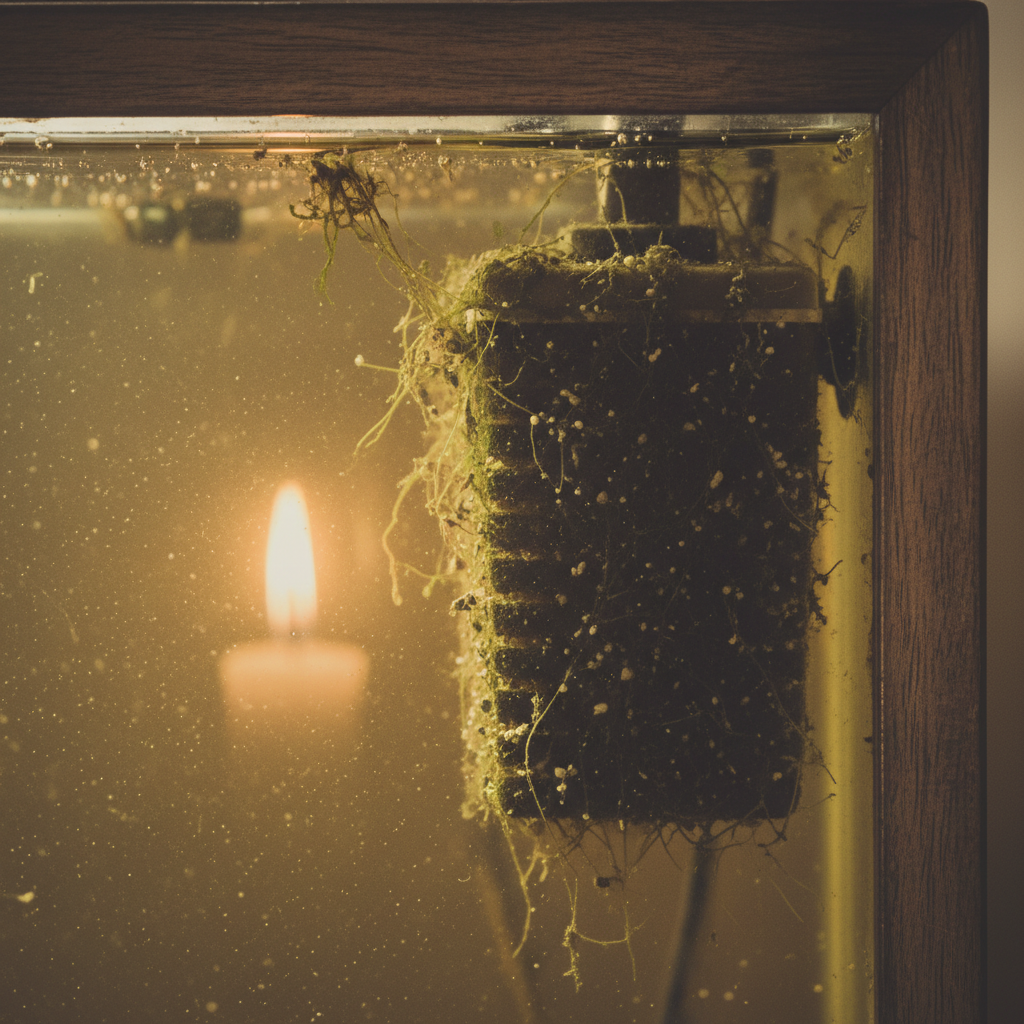
Oh, the filter. I thought, “A filter is a filter, right?” Wrong! I bought the cheapest internal filter I could find, a tiny little thing that looked like it belonged in a teacup, not a ten-gallon tank. The instructions were vague, the flow rate was abysmal, and within a week, the water was cloudier than a London fog. I didn’t understand the concept of biological filtration, the nitrogen cycle, or the importance of surface area for beneficial bacteria. All I knew was that my water looked gross, and my fish didn’t seem particularly happy about it.
The real issue was that the filter was simply inadequate for the bioload of the tank. Finny, being a goldfish (and a notoriously messy one at that), produced far more waste than the filter could handle. The ammonia and nitrite levels skyrocketed, creating a toxic environment. I was essentially poisoning my fish with its own waste. This taught me a crucial lesson: always overestimate your filtration needs. It’s far better to have a filter that’s slightly too powerful than one that’s struggling to keep up. Now, I recommend canister filters or hang-on-back (HOB) filters that are rated for a tank size larger than the one you actually have. It provides a buffer and ensures adequate water quality.
The Heater Hysteria
Living in Florida, I thought, “Heater? Nah, I don’t need one of those. It’s always warm here!” Another monumental error in judgment. While the ambient temperature in my house might have been relatively stable, the water temperature in the aquarium fluctuated wildly, especially at night. This constant temperature swing stressed Finny and weakened its immune system. It quickly became susceptible to diseases like ich (white spot disease), which required a whole other round of frantic pet store visits and medication.
A reliable aquarium heater is essential, even in warm climates. It maintains a stable temperature, preventing stress and promoting overall fish health. I learned to invest in a submersible heater with an adjustable thermostat. I also started using a thermometer to monitor the water temperature regularly, ensuring it stayed within the optimal range for my fish. Consistency is key!
The Lighting Lunacy
My initial lighting setup consisted of a single, weak incandescent bulb that I salvaged from an old desk lamp. I figured, “Light is light, right?” Wrong again! This inadequate lighting barely penetrated the water, and it certainly didn’t promote any plant growth. In fact, it likely contributed to the algae bloom that plagued my tank. The spectrum of the light was also completely wrong, favoring algae growth over beneficial plant growth.
Proper aquarium lighting is crucial for several reasons. It allows you to observe your fish in all their glory, it supports the growth of aquatic plants, and it plays a vital role in their overall health and well-being. Now, I use LED lighting specifically designed for aquariums. LEDs are energy-efficient, long-lasting, and provide the optimal spectrum of light for plant growth and fish coloration. Consider the specific needs of your plants and fish when choosing your lighting system. Do your research!
Substrate Sabotage and Decoration Disasters
It wasn’t just the big pieces of equipment that caused problems. My choice of substrate and decorations also contributed to the overall failure of my first aquarium.
The Gravel Grief
I opted for the cheapest, brightly colored gravel I could find. It looked cheerful enough, but it was a nightmare to clean. Food particles and debris quickly sank into the gravel bed, creating anaerobic pockets that released harmful gases into the water. I tried vacuuming the gravel during water changes, but it was a never-ending battle. The gravel also leached unwanted chemicals into the water, further disrupting the delicate ecosystem.
Now, I understand the importance of choosing the right substrate. For planted tanks, I prefer nutrient-rich substrates that promote root growth. For fish-only tanks, I opt for inert substrates like smooth gravel or sand that are easy to clean and won’t alter the water chemistry. The key is to choose a substrate that’s appropriate for the specific needs of your aquarium inhabitants.
The Decoration Debacle
My decorations consisted of a plastic treasure chest, a fake skull, and a couple of garishly colored plastic plants. They looked… well, they looked like something a ten-year-old would pick out (because, essentially, that’s what I did). They were also incredibly difficult to clean, and the paint started to peel off after a few weeks, releasing potentially harmful chemicals into the water. Finny didn’t seem to appreciate my aesthetic choices either. It spent most of its time hiding behind the treasure chest, looking utterly miserable.
Natural decorations are always the best option. Driftwood, rocks, and live plants not only look more aesthetically pleasing, but they also provide a more natural and enriching environment for your fish. Driftwood releases tannins into the water, which can help to lower the pH and create a more comfortable environment for certain species. Rocks provide hiding places and territorial boundaries. Live plants help to oxygenate the water, filter out pollutants, and provide a source of food for some fish. Plus, they just look beautiful!
Water Chemistry Woes and Maintenance Mishaps
Even with the right equipment, maintaining a healthy aquarium requires a consistent routine and a basic understanding of water chemistry.
The Water Change Woe
Water changes? What are those? In my early days of aquarium keeping, I rarely performed water changes. I figured, “The filter is doing its job, right?” Wrong again! While the filter removes solid waste and converts harmful chemicals into less harmful ones, it doesn’t remove everything. Nitrates, for example, accumulate over time and can become toxic to fish at high levels. Regular water changes are essential for removing nitrates and replenishing essential minerals.
Now, I perform weekly water changes of about 25%. This helps to keep the nitrate levels in check and maintain a stable water chemistry. I also use a dechlorinator to remove chlorine and chloramine from the tap water, as these chemicals are harmful to fish and beneficial bacteria. Invest in a good siphon vacuum to make water changes easier and more efficient. Your fish will thank you for it!
The Testing Tribulation
Testing the water? That sounded complicated and expensive. I relied solely on visual cues to determine the health of my aquarium. If the water looked clear and the fish seemed active, I assumed everything was fine. This was a dangerous assumption. Ammonia and nitrite levels can be high even when the water looks clear. By the time I noticed something was wrong, it was often too late.
Regular water testing is crucial for monitoring the health of your aquarium. Test kits are readily available at most pet stores and online retailers. I recommend testing for ammonia, nitrite, nitrate, pH, and alkalinity at least once a week. This will allow you to detect potential problems early on and take corrective action before they become serious. Knowledge is power!

The Inhabitants’ Ills: Fish Selection Fumbles
Even if I had nailed the equipment and maintenance, my initial fish selection was doomed from the start.
The Goldfish Gaffe
Finny the goldfish was the victim of my ignorance. I knew absolutely nothing about goldfish care. I crammed it into a ten-gallon tank, which was far too small for a single goldfish, let alone the thriving community I envisioned. I overfed it, underfiltered it, and subjected it to constant temperature fluctuations. It’s a wonder it survived as long as it did. Goldfish are notoriously hardy fish, but even they have their limits.
Research the specific needs of your fish before you bring them home. Consider their adult size, their temperament, their water parameter requirements, and their dietary needs. A ten-gallon tank is suitable for small fish like neon tetras or guppies, but it’s definitely not appropriate for goldfish, which can grow to be over a foot long. Do your homework!
The Compatibility Conundrum
I also tried to add other fish to the tank, completely disregarding the issue of compatibility. I introduced a couple of neon tetras, thinking they would add a splash of color. They were promptly bullied and harassed by Finny, who saw them as a tasty snack. The tetras didn’t last long. I learned a valuable lesson about the importance of considering the temperament and compatibility of different fish species before introducing them to the same tank.
Research the specific needs of each species and ensure that they are compatible with each other in terms of temperament, water parameter requirements, and dietary needs. Some fish are peaceful and community-oriented, while others are aggressive and territorial. Choose fish that will thrive together in the same environment.
Lessons Learned: A Path to Aquatic Enlightenment
My first aquarium was a complete failure, but it was also an invaluable learning experience. I made a lot of mistakes, but I learned from them. Here are some key takeaways that I wish I had known before I started:
- Do your research: Before you buy anything, research the specific needs of your fish, plants, and other inhabitants. Understand the nitrogen cycle, water chemistry, and the importance of filtration.
- Invest in quality equipment: Don’t skimp on the essentials. A good filter, heater, and lighting system are crucial for maintaining a healthy aquarium.
- Maintain a consistent routine: Perform regular water changes, test your water parameters, and clean your equipment regularly.
- Choose your inhabitants wisely: Consider the adult size, temperament, and compatibility of different species before introducing them to the same tank.
- Be patient: Setting up a successful aquarium takes time and effort. Don’t get discouraged if things don’t go perfectly right away. Learn from your mistakes and keep experimenting.
The journey from algae-ridden disaster to thriving ecosystem wasn’t easy, but it was incredibly rewarding. Now, I derive immense satisfaction from watching my fish swim happily in their clean, well-maintained environment. And I can confidently say that I’ve finally mastered the art of aquarium keeping (well, most of the time, anyway). It’s a continuous learning process, but that’s what makes it so enjoyable.
From Failure to Flourishing: My Current Setup
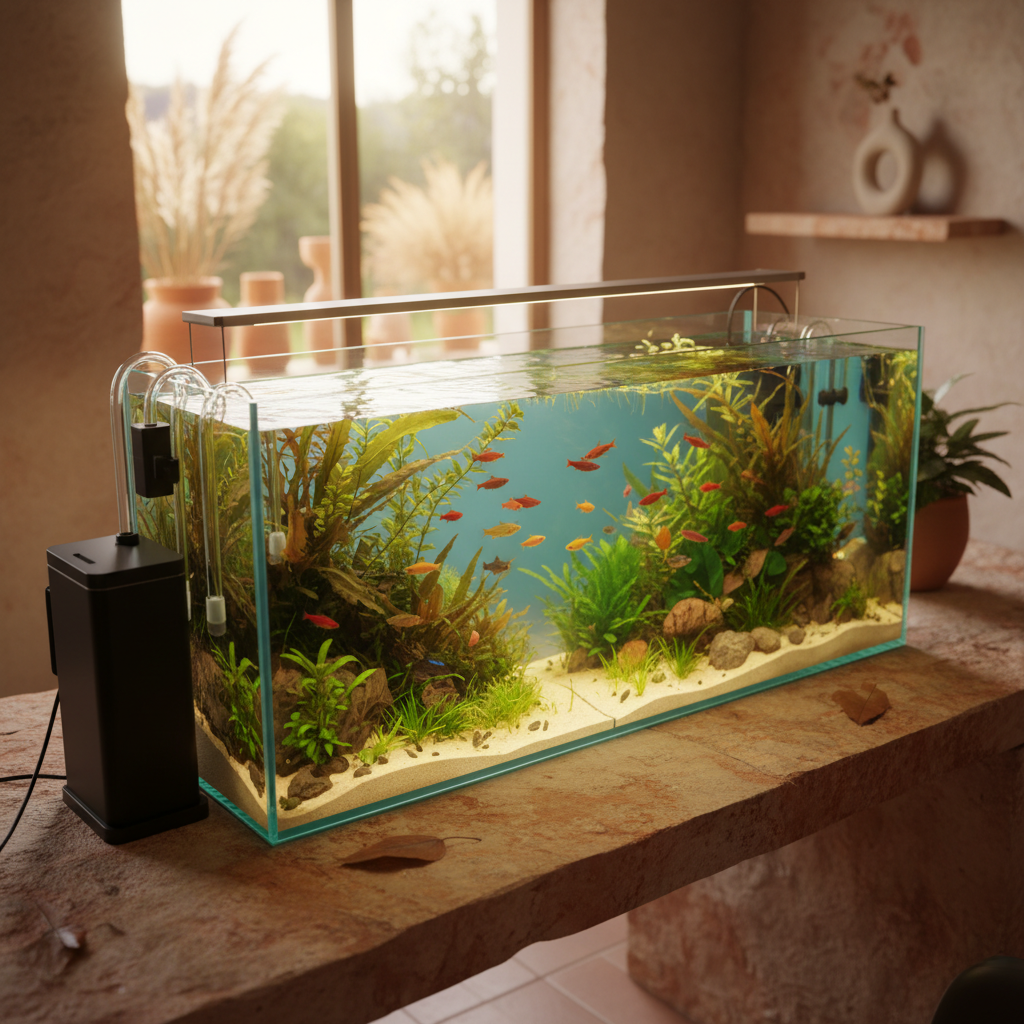
So, what does my aquarium setup look like now? It’s a far cry from the disaster I started with. I currently have a 40-gallon breeder tank. It’s a good size for a community tank, offering plenty of swimming space for my fish. Here’s a breakdown of my current equipment and setup:
- Filtration: I use a canister filter rated for a 75-gallon tank. This provides ample filtration and keeps the water crystal clear.
- Heating: I have a 200-watt submersible heater with an adjustable thermostat. This maintains a stable temperature of 78°F.
- Lighting: I use an LED light fixture specifically designed for planted tanks. It provides the optimal spectrum of light for plant growth.
- Substrate: I use a nutrient-rich substrate specifically designed for aquatic plants.
- Decorations: I have a variety of driftwood, rocks, and live plants.
- Inhabitants: I have a community of peaceful fish, including neon tetras, corydoras catfish, and a few dwarf gouramis.
I also maintain a consistent routine of weekly water changes, regular water testing, and careful feeding. This has allowed me to create a thriving ecosystem that is both beautiful and healthy.
Advice to New Aquarists: Don’t Be Afraid to Fail
If you’re thinking about setting up your first aquarium, my advice is simple: don’t be afraid to fail. Everyone makes mistakes, especially when they’re just starting out. The key is to learn from those mistakes and keep experimenting. Don’t get discouraged if things don’t go perfectly right away. With patience, perseverance, and a little bit of research, you can create a stunning underwater world that you can enjoy for years to come.
Remember, the aquarium hobby is a journey, not a destination. There’s always something new to learn, something new to try, and something new to discover. Embrace the challenges, celebrate the successes, and never stop learning. And if you ever find yourself struggling with algae, don’t worry, we’ve all been there!
So, go forth and create your own aquatic paradise. Just remember my mistakes, learn from them, and you’ll be well on your way to becoming a successful aquarist. And who knows, maybe one day you’ll be writing your own article about the lessons you’ve learned. Happy fishkeeping!
My name is Daniel Carter, I am 35 years old, and I live in the United States. I have been passionate about aquariums for many years, and what started as a simple hobby quickly became a lifelong interest in aquatic life, fish behavior, and responsible tank care.
Through TheBrightLance, I share real experiences, practical knowledge, and honest lessons learned from maintaining different types of aquariums. I enjoy testing equipment, studying fish behavior, improving maintenance routines, and helping beginners avoid common mistakes.
My goal is to make aquarism easier, more ethical, and more enjoyable for everyone — whether you are setting up your very first tank or looking to refine your techniques.