
The Siren Song of Shiny New Tech (and Why I Sometimes Wish I’d Ignored It)
Okay, let’s be honest. The aquarium hobby, at its core, is about creating a little slice of nature in your home. But it’s also a playground for tech enthusiasts. I, Lucas Anderson, resident aquarist of Orlando, Florida, and confessed gear-head, have definitely fallen prey to the allure of the latest and greatest gadgets more than once in my decade-plus of fishkeeping. And while some of those investments have paid off handsomely, others… well, let’s just say they’ve taught me some valuable (and sometimes expensive) lessons. I’m talking about the technology choices I regret. I want to share some of those regrets with you, in the hope that you can avoid making the same mistakes.
It’s easy to get caught up in the hype. You see the sleek ads, read the glowing reviews, and imagine how much easier your life will be with that fancy new controller, filter, or lighting system. But the truth is, sometimes simpler is better. Sometimes, the “upgrades” actually make things more complicated, less reliable, and ultimately, less enjoyable. The goal is happy fish, not a cutting-edge aquarium that resembles a NASA control panel.
Over-Automating: When Less Control is More
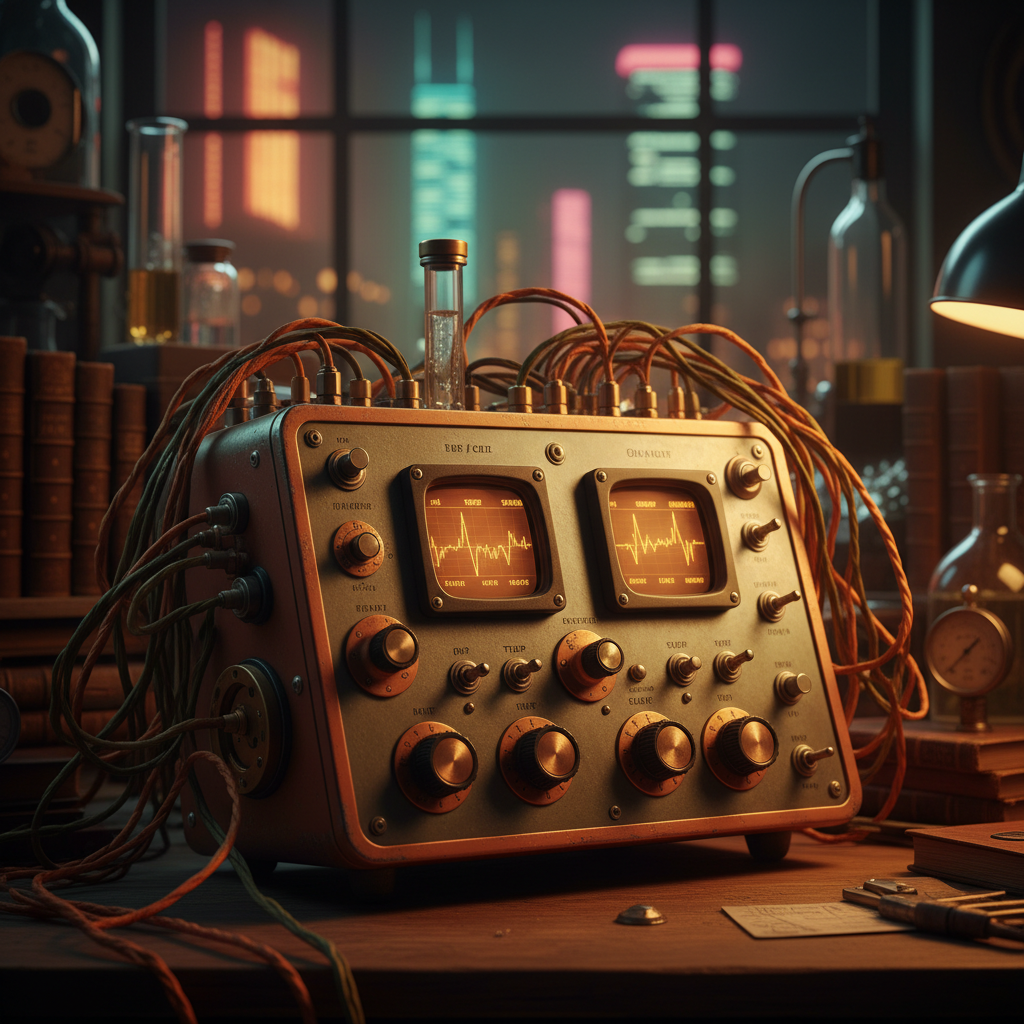
This is probably my biggest regret, and it’s a common one, especially among those of us with a background in tech. I started with a simple timer for my lights, then quickly moved to a full-blown aquarium controller. I envisioned a perfectly balanced ecosystem, meticulously managed by algorithms and sensors. I wanted to control everything: temperature, pH, water level, feeding schedules, even the intensity of the lights at different times of the day. Sounds amazing, right?
The Nightmare of the “Smart” Aquarium
In theory, yes. In practice, it was a disaster. The controller was finicky, prone to glitches, and required constant calibration. The sensors were inaccurate, leading to wild fluctuations in parameters. The automated feeder malfunctioned more than once, resulting in either starvation or an algae bloom from overfeeding. I spent more time troubleshooting the controller than I did actually enjoying my aquarium. The worst part was that every error triggered a cascade of alerts on my phone, constantly reminding me that my “smart” aquarium was anything but. It was supposed to reduce work, not create another full-time job.
I recall one particularly stressful week where the pH sensor went haywire and started pumping in excessive amounts of CO2, nearly suffocating my entire community tank. I only caught it because I happened to be working from home that day and noticed my fish gasping at the surface. That was the breaking point. I ripped out the controller, went back to basic timers and manual adjustments, and my aquarium has been much happier ever since. Sometimes, the human touch is irreplaceable.
Now, I’m not saying that all automation is bad. A reliable timer for your lights is a must-have, and a good quality heater with a thermostat is essential. But before you invest in a complex control system, ask yourself: do I really need this? Will it actually make my life easier, or will it just add another layer of complexity and potential failure points? Is the juice worth the squeeze? In my case, it definitely wasn’t. I now firmly believe that a simple, well-maintained aquarium is far superior to a high-tech, poorly managed one.
The Allure of the Reef Tank (Before I Was Ready)
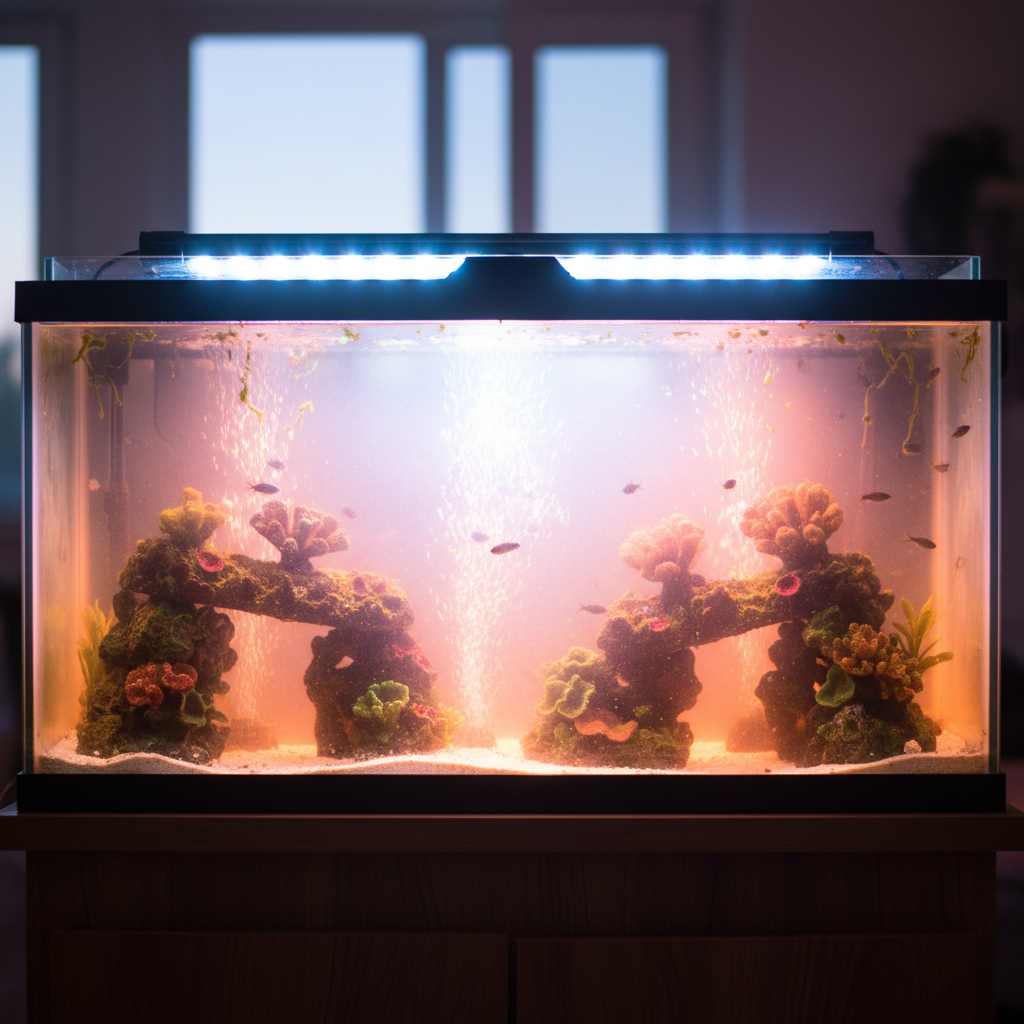
This one is a little different. It’s not necessarily about the specific technology itself, but about jumping into a more advanced type of aquarium before I had mastered the basics. I had been keeping freshwater tanks for a few years and felt like I was ready for a new challenge. Reef tanks, with their vibrant corals and exotic fish, seemed like the ultimate expression of aquarium artistry. I dove in headfirst, investing in a high-end LED lighting system, a protein skimmer, a calcium reactor, and all the other bells and whistles required for a thriving reef environment. I was determined to succeed.
But reef tanks are notoriously unforgiving. They require meticulous attention to detail, precise water parameters, and a deep understanding of marine biology. I quickly learned that my freshwater experience, while valuable, hadn’t prepared me for the challenges of keeping corals alive. I battled algae outbreaks, nutrient imbalances, and unexplained coral deaths. I spent hours researching online, trying to diagnose the problems and find solutions, but it felt like I was always one step behind. The whole experience was incredibly frustrating and disheartening. It was a constant uphill battle. I was throwing money into the tank, and watching it slowly die.
After a year of struggling, I finally admitted defeat. I sold off most of my reef equipment, downsized to a smaller, simpler freshwater tank, and vowed to focus on mastering the basics before attempting another advanced setup. It was a humbling experience, but it taught me a valuable lesson: don’t bite off more than you can chew. Start small, learn the fundamentals, and gradually work your way up to more complex systems. There’s no shame in admitting that you’re not ready for something. In fact, it’s a sign of intelligence and maturity.
The LED Lighting Arms Race: Brightness Isn’t Everything
Ah, lighting. The subject of countless debates and endless upgrades. When I first started in the hobby, fluorescent lights were the norm. They were adequate, but they weren’t exactly exciting. Then came LEDs, promising brighter colors, faster plant growth, and lower energy consumption. I was immediately hooked.
From Fluorescent to Blinding
I started with a basic LED strip light, which was a significant improvement over the old fluorescent fixture. But then I started reading about PAR values, light spectrums, and the benefits of high-intensity lighting for certain types of plants. I fell into the trap of thinking that more light was always better. I upgraded to a more powerful LED fixture, then another, and another. Soon, my aquarium was practically glowing. I had created my own little sun inside my living room. The algae loved it too.
The problem was that I hadn’t taken into account the specific needs of my plants and fish. Some plants thrive in high light, while others prefer more subdued conditions. Similarly, some fish are sensitive to bright light and prefer shaded areas. My overly bright aquarium was stressing out my fish and fueling an explosion of algae. I was constantly battling green water, hair algae, and other unsightly growths. It was a never-ending cycle of scrubbing, trimming, and water changes.
Eventually, I realized that I had gone too far. I dialed back the intensity of my lights, added some floating plants to provide shade, and adjusted my fertilization schedule. Slowly but surely, the algae problem subsided, and my plants started to thrive. My fish seemed much happier, too. They were no longer hiding in the corners of the tank, but were actively swimming and exploring. I learned that lighting is about balance, not just brightness. It’s about providing the right amount of light, in the right spectrum, for the specific needs of your aquarium inhabitants.
Now, I stick to a moderate lighting setup that provides adequate light for my plants without stressing my fish or fueling algae growth. I’ve also learned to appreciate the beauty of natural light. I position my aquarium near a window (but not in direct sunlight) to supplement the artificial lighting. It creates a more natural and dynamic environment for my fish and plants.
The Gadget Graveyard: Accessories I Rarely Use
Every hobby has its share of gadgets and gizmos that promise to make your life easier. The aquarium hobby is no exception. Over the years, I’ve accumulated a collection of accessories that I rarely, if ever, use. They seemed like a good idea at the time, but they turned out to be either unnecessary, ineffective, or just plain inconvenient.
The Vacuum of Neglect
One example is the automatic gravel vacuum. The idea is that you can simply insert the vacuum into your substrate and it will automatically suck up any debris or waste. Sounds great, right? In reality, it was a clunky, awkward device that was more trouble than it was worth. It was difficult to maneuver around plants and decorations, and it didn’t do a very good job of cleaning the gravel. It ended up just stirring up the detritus and making the water cloudy. I quickly went back to using a traditional siphon, which is much more effective and easier to control.
Another gadget that I regret buying is the algae scraper with interchangeable blades. It came with a variety of different blades for different types of algae. I thought it would be a versatile tool for keeping my glass clean. But the blades were constantly falling off, scratching the glass, or just not working very well. I eventually gave up and switched to a simple magnetic scraper, which is much more reliable and effective. It’s amazing how often the simplest tools are the best.
The moral of the story is: don’t believe everything you read in the product descriptions. Before you buy any aquarium gadget, do your research, read reviews, and ask other hobbyists for their opinions. And most importantly, ask yourself if you really need it. Will it actually make your life easier, or will it just end up collecting dust in your aquarium closet? In my experience, the simpler the tool, the better. A good quality siphon, a reliable scraper, and a sturdy net are all you really need to keep your aquarium clean and healthy.
The Siren Song of “Smart” Filters: More Isn’t Always Better
Filters are the unsung heroes of the aquarium world. They keep our water clean, remove harmful toxins, and provide a home for beneficial bacteria. But with so many different types of filters on the market, it can be difficult to choose the right one for your aquarium. And like everything else in the aquarium hobby, there’s a constant stream of new and improved models promising better performance and easier maintenance.
The Overkill Filter
I once fell for the hype of a “smart” filter that was advertised as being able to automatically adjust its flow rate and filtration capacity based on the needs of the aquarium. It had built-in sensors that monitored water parameters and adjusted the filter accordingly. It sounded like the perfect solution for a hands-off aquarist like myself.
But the reality was far different. The filter was overly complicated, prone to malfunctions, and difficult to clean. The sensors were inaccurate, leading to erratic flow rates and inconsistent filtration. The filter also required special cartridges that were expensive and difficult to find. I ended up spending more time troubleshooting the filter than I did actually enjoying my aquarium. It was a constant source of frustration and anxiety.
After a few months of struggling with the “smart” filter, I decided to go back to a more traditional model. I chose a simple canister filter that was easy to clean, reliable, and efficient. It didn’t have any fancy sensors or automatic adjustments, but it did a great job of keeping my water clean and clear. And best of all, it didn’t require any special cartridges or expensive replacement parts. It was a reminder that sometimes, the simplest solutions are the best.
Now, I stick to a simple filtration system that consists of a canister filter and a sponge filter. The canister filter provides mechanical, chemical, and biological filtration, while the sponge filter provides additional biological filtration and aeration. It’s a simple, reliable, and effective system that has served me well for many years.

The Ultimate Lesson: Observe, Adapt, and Keep It Simple
Looking back on my decade-plus of aquarium keeping, I realize that my biggest mistakes have always been the result of overcomplicating things. I’ve learned that the key to a successful aquarium is not to throw money at the latest and greatest gadgets, but to observe, adapt, and keep it simple. The best technology is often the technology that you don’t even notice is there, because it’s working seamlessly and reliably in the background.
Return to Nature
The most important thing is to understand the fundamental principles of aquarium keeping: maintaining good water quality, providing adequate filtration, and creating a balanced ecosystem. Once you have a solid understanding of these principles, you can start to experiment with different technologies and techniques. But always remember to keep it simple, and don’t be afraid to go back to basics if things start to go wrong.
My biggest piece of advice for aspiring aquarists is to start small, learn the fundamentals, and gradually work your way up to more complex systems. Don’t be afraid to ask for help from experienced hobbyists, and don’t be discouraged by setbacks. Every mistake is a learning opportunity. And most importantly, remember to enjoy the process. Aquarium keeping is a rewarding and fascinating hobby that can bring years of enjoyment. Just don’t let the technology get in the way of the fish.
I still enjoy browsing aquarium stores and reading about the latest innovations in aquarium technology. But I’m much more cautious about what I buy. I always ask myself: do I really need this? Will it actually make my life easier, or will it just add another layer of complexity and potential failure points? More often than not, the answer is no. And that’s okay. I’ve learned that sometimes, the best technology is the technology you don’t buy.
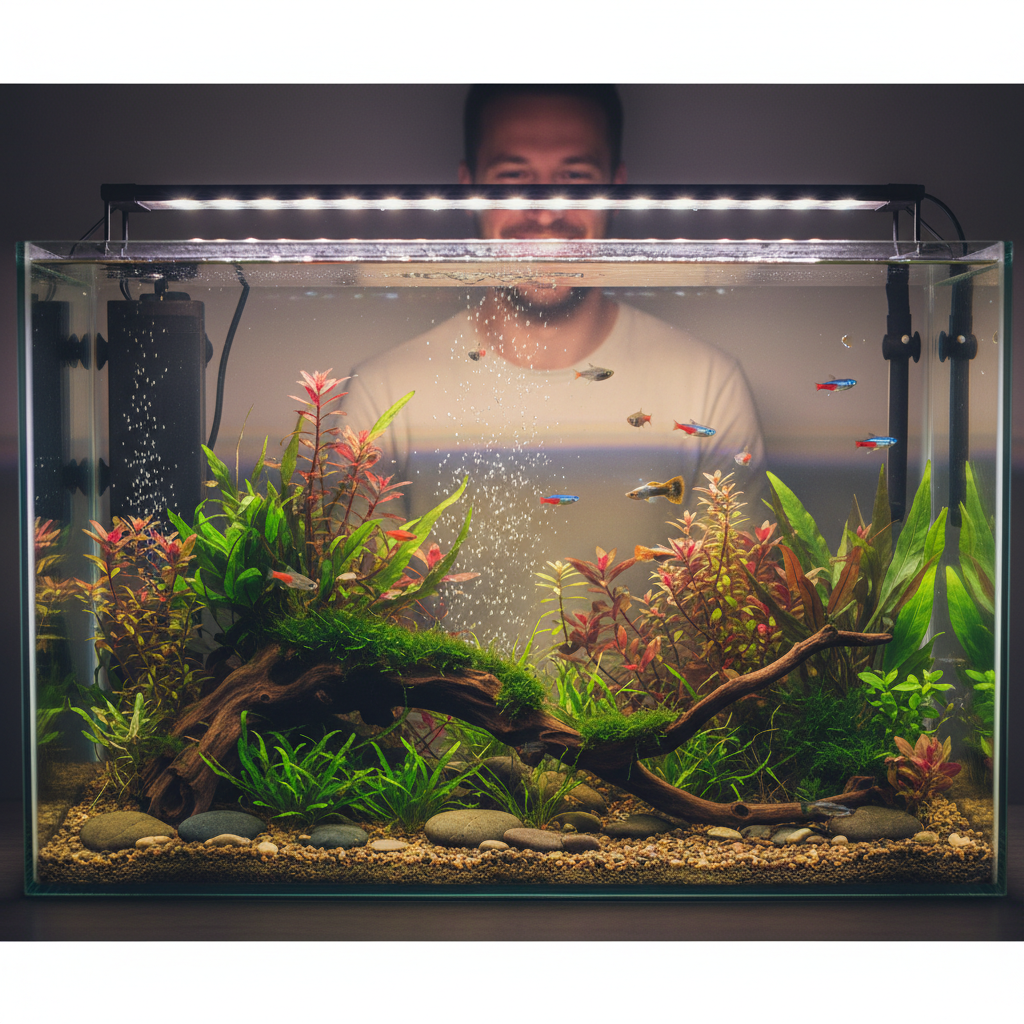
So, there you have it. My confessions of a reformed tech-addict aquarist. I hope my experiences have been helpful, and that you can learn from my mistakes. Now, if you’ll excuse me, I’m going to go spend some quality time with my fish… and maybe even unplug for a while.
My name is Daniel Carter, I am 35 years old, and I live in the United States. I have been passionate about aquariums for many years, and what started as a simple hobby quickly became a lifelong interest in aquatic life, fish behavior, and responsible tank care.
Through TheBrightLance, I share real experiences, practical knowledge, and honest lessons learned from maintaining different types of aquariums. I enjoy testing equipment, studying fish behavior, improving maintenance routines, and helping beginners avoid common mistakes.
My goal is to make aquarism easier, more ethical, and more enjoyable for everyone — whether you are setting up your very first tank or looking to refine your techniques.