
The Harsh Truth About Beginner Aquariums (And How I Learned It)
Let’s be honest, starting an aquarium is a lot like adopting a pet – except this pet lives in a carefully balanced ecosystem contained within a glass box. And like any pet owner, I learned the hard way that good intentions aren’t always enough. My initial foray into aquascaping was, to put it mildly, a disaster. Fish died, plants withered, and my living room smelled vaguely of stagnant pond water. But from those failures, I gleaned invaluable lessons that transformed me from a clueless newbie into a (somewhat) seasoned aquarist. This isn’t just another guide; it’s a confession, a cautionary tale, and, ultimately, a roadmap to help you avoid the same pitfalls I stumbled into.
My First Tank: A Comedy of Errors
I envisioned a vibrant underwater paradise, a miniature replica of the Amazon teeming with exotic life. What I got was closer to a murky swamp. I rushed into things, you see. I bought a tank, filled it with tap water, and immediately tossed in a handful of brightly colored fish. I didn’t cycle the tank, I didn’t test the water, and I certainly didn’t research the specific needs of each species. The result? A rapid decline in fish health, followed by a heartbreaking series of fatalities. Looking back, I cringe at my naivete. I essentially subjected those poor creatures to a slow and agonizing death by ammonia poisoning.
The experience was devastating, but it ignited a fire in me. I refused to be defeated. I vowed to understand the science behind aquarium keeping, to learn from my mistakes, and to create a thriving aquatic environment. This journey began with a deep dive into the nitrogen cycle.
The Nitrogen Cycle: The Foundation of Aquarium Success
If there’s one thing every aspiring aquarist needs to understand, it’s the nitrogen cycle. This natural process is the cornerstone of a healthy aquarium, and neglecting it is a recipe for disaster. In simple terms, the nitrogen cycle is the conversion of harmful ammonia (produced by fish waste, decaying food, and plant matter) into less toxic substances. This conversion is carried out by beneficial bacteria that colonize the aquarium filter, substrate, and other surfaces.
How the Nitrogen Cycle Works (The Simple Version)
Think of it as a three-step process:
- Ammonia (NH3): Fish produce ammonia as a waste product. Ammonia is highly toxic to fish.
- Nitrite (NO2): Beneficial bacteria convert ammonia into nitrite. Nitrite is still toxic, but less so than ammonia.
- Nitrate (NO3): Another type of beneficial bacteria converts nitrite into nitrate. Nitrate is relatively non-toxic and can be removed through regular water changes.
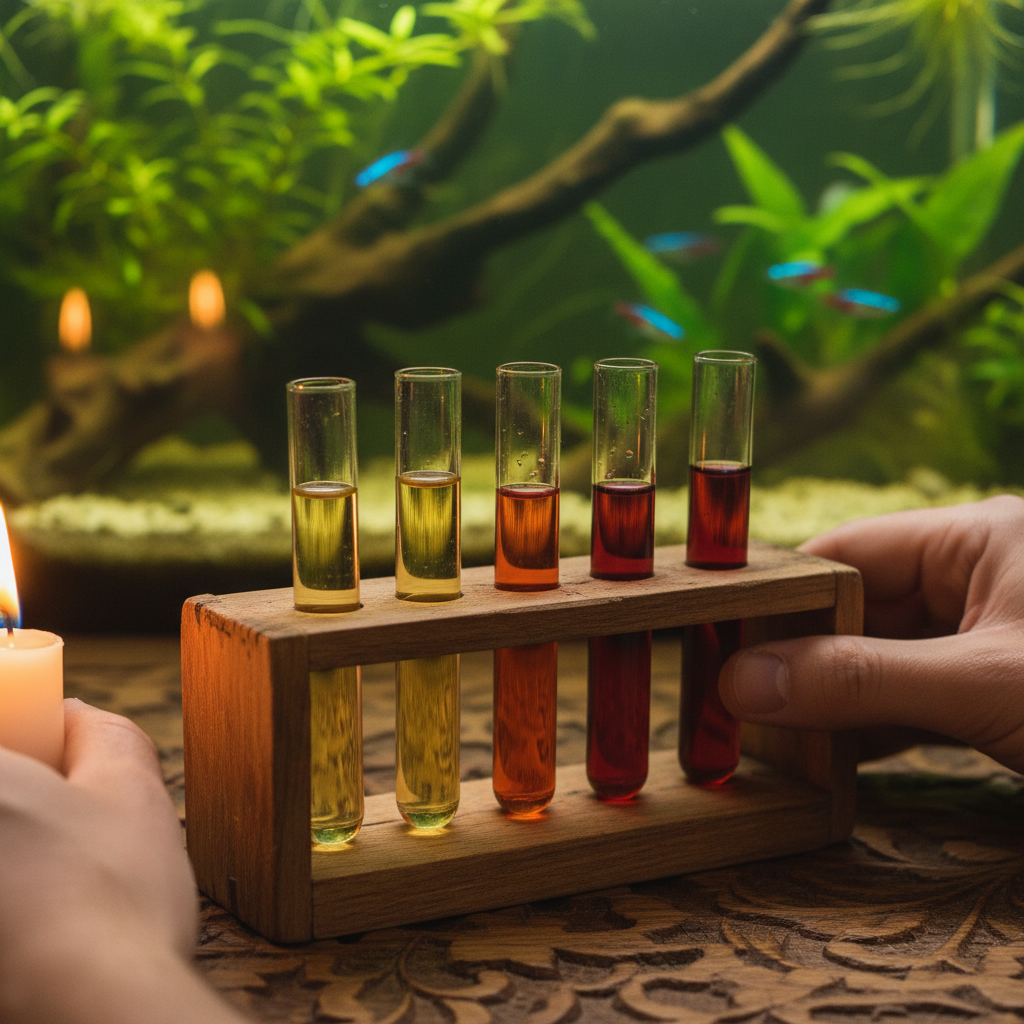
The key to establishing a healthy nitrogen cycle is patience. It takes time for the beneficial bacteria to colonize the aquarium. This process, known as “cycling” the tank, can take several weeks. During this time, it’s crucial to monitor the water parameters using a test kit and perform regular water changes to keep ammonia and nitrite levels in check. I skipped this critical step during my first attempt, and the consequences were devastating.
My Cycling Fails (And How to Avoid Them)
My initial attempt at cycling was a complete failure. I didn’t understand the process, and I made several crucial mistakes:
- Adding fish too soon: As I mentioned earlier, I immediately stocked the tank with fish. This resulted in a massive ammonia spike, overwhelming the developing bacteria colonies and leading to fish death.
- Overfeeding: I thought I was being generous, but overfeeding only exacerbated the problem. Uneaten food decomposes, releasing even more ammonia into the water.
- Not testing the water: I had no idea what was happening in the tank. I didn’t test the water parameters, so I was completely blind to the rising levels of ammonia and nitrite.
To avoid these mistakes, follow these guidelines:
- Fishless Cycling: This is the safest and most humane method. Add a source of ammonia (such as pure ammonia or fish food) to the tank to simulate fish waste. Monitor the water parameters daily, and add more ammonia as needed to maintain a level of around 2-4 ppm. The cycle is complete when ammonia and nitrite levels consistently read zero, and nitrate levels are present.
- Patience is Key: Cycling can take anywhere from 4 to 8 weeks, or even longer. Don’t rush the process.
- Regular Water Testing: Invest in a good quality test kit and monitor the water parameters regularly. This will allow you to detect any problems early on and take corrective action.
Choosing the Right Fish (Lessons Learned the Hard Way)
Another critical mistake I made early on was choosing the wrong fish. I was drawn to the most colorful and exotic-looking species, without considering their compatibility, size requirements, or water parameter preferences. This resulted in a chaotic and stressful environment for the fish, leading to disease and aggression.
The Community Tank Nightmare
I envisioned a harmonious community tank, where different species could coexist peacefully. What I got was a constant battle for dominance. I had aggressive fish nipping at the fins of more peaceful species, and fish that required different water temperatures and pH levels all crammed into the same tank. It was a recipe for disaster. I learned the hard way that not all fish are created equal, and careful planning is essential when stocking a community tank.
Research, Research, Research!
Before you even think about buying fish, do your research. Learn about the specific needs of each species, including:
- Size: How big will the fish get? Make sure your tank is large enough to accommodate their adult size.
- Temperament: Are they peaceful or aggressive? Avoid housing aggressive fish with more peaceful species.
- Water Parameters: What are their preferred temperature, pH, and hardness levels? Choose fish that have similar requirements.
- Diet: What do they eat? Make sure you can provide them with a suitable diet.
For beginners, it’s best to start with hardy and peaceful species like:
- Tetras: Neon tetras, cardinal tetras, and black skirt tetras are all good choices.
- Corydoras Catfish: These bottom-dwelling scavengers help keep the tank clean.
- Platies and Guppies: These livebearers are easy to care for and come in a variety of colors.
Avoid fish that are known to be aggressive, require specialized care, or grow too large for a typical home aquarium. Do your homework and choose fish that are compatible with each other and with your experience level.
The Importance of Water Changes (My Neglectful Phase)
For a while, I fell into the trap of thinking that a good filter was all I needed to maintain a healthy aquarium. I neglected regular water changes, assuming that the filter would remove all the harmful substances from the water. I was wrong. While filters are essential, they can’t remove everything. Nitrate, the end product of the nitrogen cycle, accumulates in the water over time and can only be removed through water changes. Neglecting water changes can lead to a buildup of nitrate, which can stress fish and promote algae growth.

The Nitrate Problem (And How to Solve It)
Think of nitrate as the ash left over from a campfire. The filter can clean up some of the smoke and debris, but eventually, you need to remove the ash completely. That’s where water changes come in. Regular water changes remove nitrate, replenish essential minerals, and help maintain a stable and healthy environment for your fish.
How Often Should You Change the Water?
The frequency of water changes depends on several factors, including the size of the tank, the number of fish, and the type of filter you’re using. As a general rule, aim for weekly water changes of 25-50%. This will help keep nitrate levels in check and maintain a healthy balance in the aquarium.
I recommend investing in a good quality gravel vacuum. This tool allows you to siphon water from the tank while simultaneously cleaning the gravel substrate, removing accumulated debris and waste. It’s a simple but effective way to maintain a clean and healthy aquarium.
Algae: The Green Monster (And How to Tame It)
Algae is the bane of every aquarist’s existence. It can quickly turn a beautiful aquarium into an unsightly green mess. I battled algae for months, trying every product and trick I could find. Eventually, I realized that the key to controlling algae is to address the underlying causes, not just treat the symptoms.
The Algae Bloom of Doom
My initial attempts to control algae were haphazard and ineffective. I tried using chemical algae killers, but they only provided temporary relief and often harmed my fish. I also tried scraping the algae off the glass, but it always grew back within a few days. I was losing the battle, and my aquarium was starting to look like a swamp.
Understanding the Root Causes
Algae needs three things to thrive: light, nutrients, and water. To control algae, you need to limit one or more of these factors.
- Light: Too much light can fuel algae growth. Avoid placing your aquarium in direct sunlight, and limit the amount of time the aquarium light is on to 8-10 hours per day.
- Nutrients: Excess nutrients, such as nitrate and phosphate, can also promote algae growth. Perform regular water changes to remove excess nitrate, and use a phosphate remover if necessary.
- Water: Clean water is essential. Regular water changes and a good filtration system will help prevent algae blooms.
Additionally, consider adding algae-eating fish or invertebrates to your aquarium. Otocinclus catfish, Siamese algae eaters, and snails are all effective algae eaters that can help keep your tank clean. I introduced a small team of Otocinclus catfish to my tank, and they worked wonders. They diligently grazed on the algae, keeping the glass and plants clean.

The Silent Killer: Ignoring Water Chemistry
Beyond just the nitrogen cycle, the overall chemistry of your aquarium water is paramount. I spent so long focused on ammonia, nitrite, and nitrate that I completely overlooked other crucial factors like pH, KH (carbonate hardness), and GH (general hardness). These parameters play a significant role in the health and well-being of your fish and plants. Ignoring them can lead to chronic stress, disease, and even death.
The pH Rollercoaster
I remember a period where my fish were constantly exhibiting signs of stress: clamped fins, lethargy, and loss of appetite. I couldn’t figure out what was wrong. The ammonia and nitrite levels were zero, and the nitrate was within acceptable limits. It wasn’t until I started testing the pH that I discovered the problem. My pH was fluctuating wildly, swinging from acidic to alkaline and back again. This constant fluctuation was stressing my fish and weakening their immune systems.
Understanding pH, KH, and GH
Here’s a quick primer on these essential water parameters:
- pH: A measure of how acidic or alkaline the water is. Most freshwater fish prefer a pH between 6.5 and 7.5.
- KH (Carbonate Hardness): A measure of the water’s buffering capacity, or its ability to resist changes in pH. A stable KH helps prevent pH swings.
- GH (General Hardness): A measure of the concentration of calcium and magnesium ions in the water. Different fish species have different GH requirements.
To maintain stable water chemistry, test your water regularly and make adjustments as needed. You can use commercially available buffers to adjust pH and KH, and mineral supplements to adjust GH. It’s also important to choose fish that are compatible with your local tap water. Trying to keep fish that require drastically different water parameters than what you can provide is a constant uphill battle.
The Power of Observation: Learning to “Read” Your Tank
Perhaps the most valuable lesson I’ve learned over the years is the importance of observation. Your aquarium is a dynamic ecosystem, and things can change quickly. By paying close attention to your fish, plants, and water, you can detect problems early on and take corrective action before they become serious.
The Subtle Signs of Trouble
Learn to recognize the subtle signs of stress or disease in your fish. Are they behaving normally? Are they eating properly? Are their fins clamped or frayed? Are they exhibiting any unusual behavior, such as flashing or rubbing against objects? By noticing these signs early on, you can often prevent a minor problem from escalating into a major crisis.
The Importance of Daily Check-ups
Make it a habit to spend a few minutes each day observing your aquarium. Check the water temperature, look for any signs of algae growth, and make sure the filter is running properly. By performing these daily check-ups, you can catch potential problems before they have a chance to cause harm.
From Failure to Flourishing: The Joy of a Thriving Aquarium
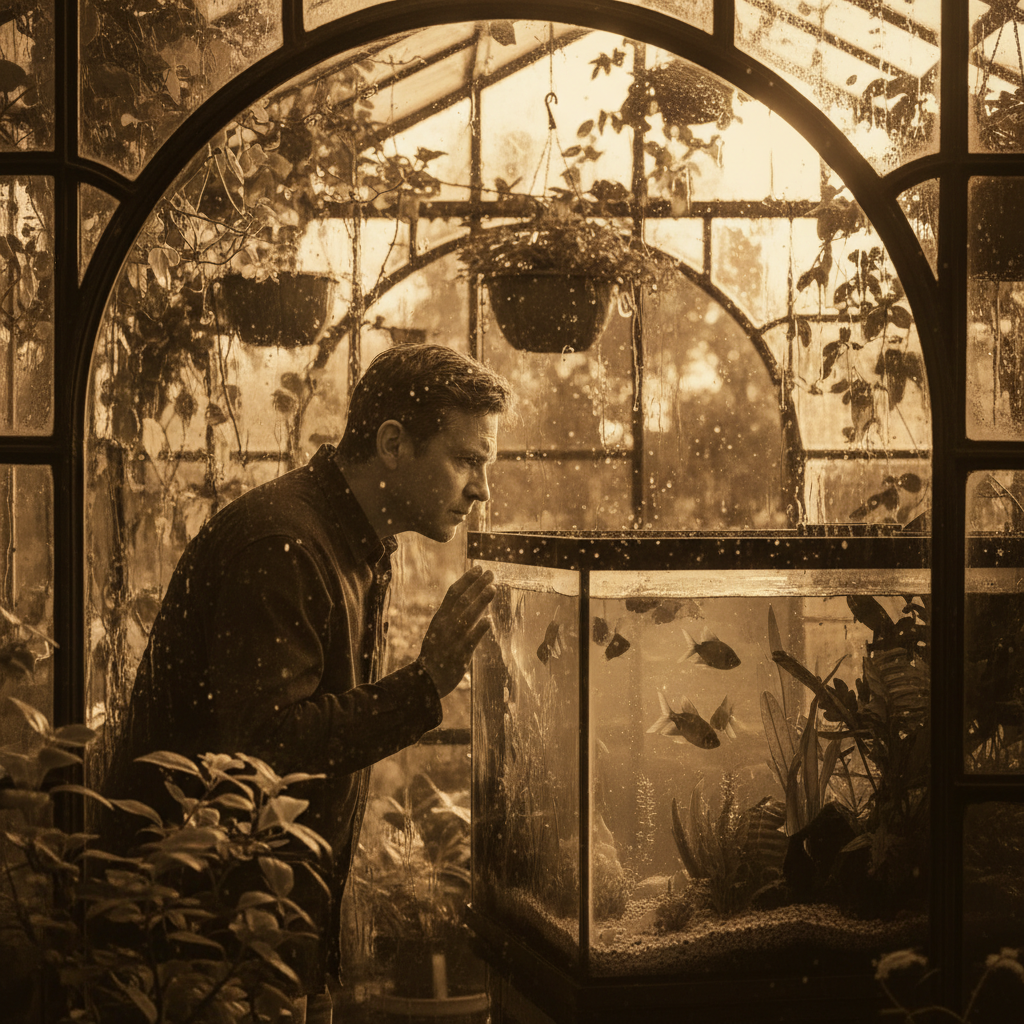
My journey into the world of aquariums has been filled with ups and downs, successes and failures. But through it all, I’ve learned invaluable lessons that have transformed me from a clueless newbie into a (somewhat) competent aquarist. The mistakes I made early on were painful, but they ultimately made me a better fish keeper. I now have a thriving aquarium that is a source of constant joy and relaxation. The vibrant colors of the fish, the lush green plants, and the gentle sound of the filter create a tranquil oasis in my home. And it all started with a series of spectacular failures.
If you’re thinking about starting an aquarium, don’t be afraid to make mistakes. Everyone does. The key is to learn from your errors, be patient, and never stop researching. With a little bit of knowledge and a lot of perseverance, you can create your own underwater paradise. And trust me, the rewards are well worth the effort. The journey is challenging, but the destination – a thriving, beautiful aquarium – is truly something special. Remember my mistakes, learn from them, and go create your own aquatic masterpiece!
My name is Daniel Carter, I am 35 years old, and I live in the United States. I have been passionate about aquariums for many years, and what started as a simple hobby quickly became a lifelong interest in aquatic life, fish behavior, and responsible tank care.
Through TheBrightLance, I share real experiences, practical knowledge, and honest lessons learned from maintaining different types of aquariums. I enjoy testing equipment, studying fish behavior, improving maintenance routines, and helping beginners avoid common mistakes.
My goal is to make aquarism easier, more ethical, and more enjoyable for everyone — whether you are setting up your very first tank or looking to refine your techniques.