
The Allure of Aquariums: A Beginner’s Journey
There’s something undeniably captivating about aquariums. The miniature world contained within a glass box, teeming with life and color, offers a serene escape from the everyday. For me, it started with a simple goldfish bowl as a kid. Now, a decade into this hobby, I’ve learned a few things – mostly through trial and error, and more than a few costly mistakes.
The truth is, setting up and maintaining a thriving aquarium is more than just throwing some fish into water. It requires knowledge, patience, and a willingness to learn. The good news is that it’s entirely achievable, even for complete beginners. The bad news? There are plenty of pitfalls waiting to ensnare the unwary.
I’m Lucas Anderson, and I’m here to share some of the most common mistakes I see new aquarists make – mistakes that I’ve made myself, mind you. My goal is to help you avoid these early blunders and set you on the path to creating a beautiful and healthy aquatic ecosystem.
The Foundation: Setting Up Your Aquarium
The initial setup is arguably the most crucial phase. It’s where many beginners stumble, often unknowingly setting the stage for future problems. Here are some key areas to focus on.
Tank Size Matters: Don’t Go Too Small
One of the first temptations is to start with a small tank. It seems easier, less expensive, and less daunting. However, smaller tanks are actually more difficult to maintain than larger ones. Why? Because water parameters fluctuate much more rapidly in smaller volumes. A slight overfeeding, a missed water change, and suddenly you have an ammonia spike that can wipe out your entire fish population.
I learned this the hard way. My first “real” aquarium was a 5-gallon tank. I thought it was perfect for a few small fish. It quickly became a nightmare. Algae blooms were constant, water chemistry was unstable, and my fish were perpetually stressed. I was constantly chasing problems instead of enjoying the hobby.
As a general rule, I recommend starting with a tank of at least 20 gallons, and preferably larger if you have the space and budget. This gives you a more stable environment, more room for error, and more options for stocking your tank.
The Nitrogen Cycle: Understanding the Basics
This is the single most important concept in aquarium keeping. The nitrogen cycle is the natural process by which beneficial bacteria convert harmful ammonia (produced by fish waste) into less harmful nitrites, and then into even less harmful nitrates. Without a properly established nitrogen cycle, your fish will be swimming in toxic waste.
Many beginners are unaware of this cycle, or they try to rush it. They set up their tank, add fish immediately, and then wonder why their fish start dying a few days later. This is known as “new tank syndrome.”
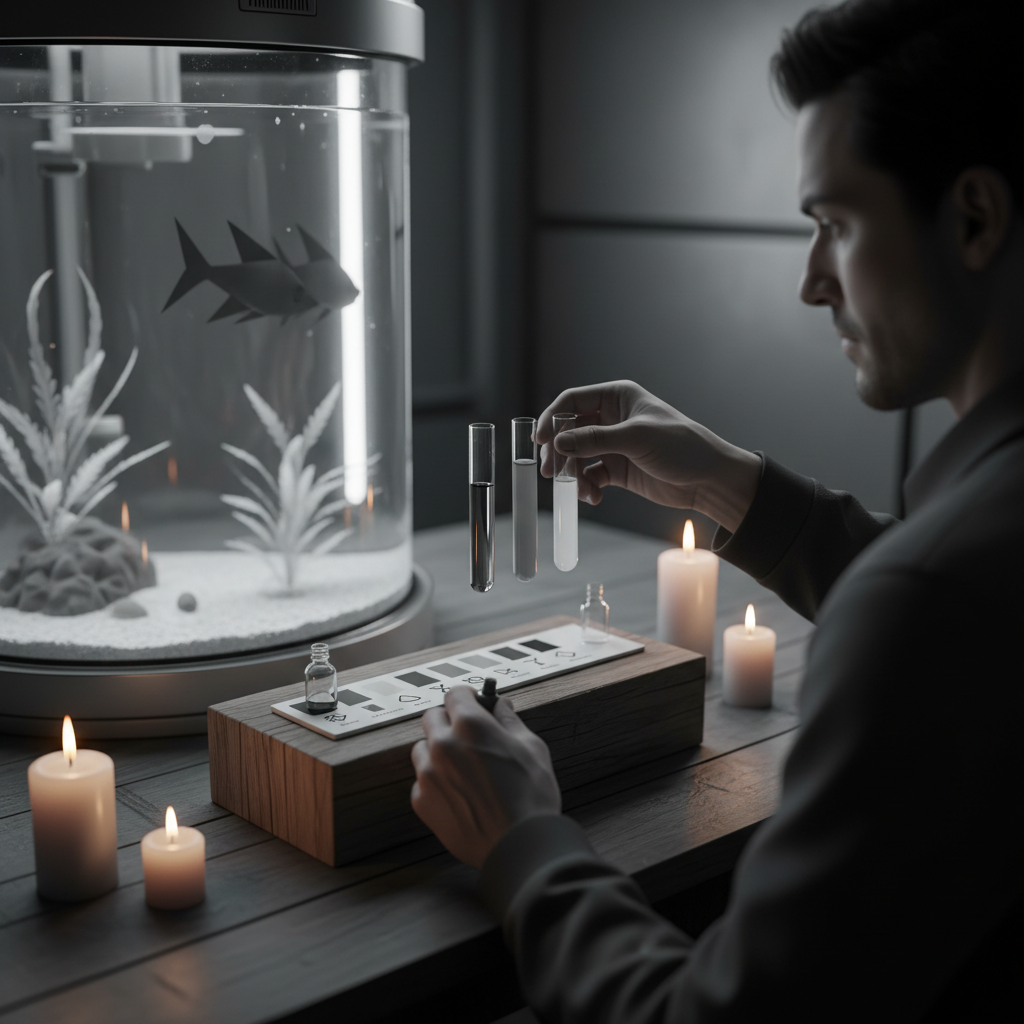
To avoid this, you need to cycle your tank before adding fish. This can be done using a few different methods. One common method is to add a small amount of ammonia to the tank to simulate fish waste. This will encourage the growth of beneficial bacteria. Test your water regularly using a test kit, and wait until you see ammonia and nitrite levels drop to zero, and nitrate levels start to rise. This indicates that the nitrogen cycle is established.
You can also use commercially available bacteria starters to speed up the process. These products contain live bacteria cultures that will help to kickstart the nitrogen cycle. Remember, patience is key. Don’t rush this process.
Substrate and Decoration: Choose Wisely
The substrate (the material that covers the bottom of your tank) and decorations play an important role in the overall health and aesthetics of your aquarium. But not all substrates and decorations are created equal.
For substrate, I generally recommend using aquarium-specific gravel or sand. Avoid using soil or other materials that are not designed for aquariums, as they can leach harmful chemicals into the water. Also, consider the needs of the fish you plan to keep. Some fish, like Corydoras catfish, prefer a soft sand substrate to sift through.
When choosing decorations, avoid anything that is sharp or abrasive, as this can injure your fish. Also, be careful about using decorations that are painted or coated, as the paint or coating may peel off and contaminate the water. Opt for aquarium-safe rocks, driftwood, and plants.
Live plants are a fantastic addition to any aquarium. They not only look beautiful, but they also help to improve water quality by absorbing nitrates and producing oxygen. They also provide shelter and hiding places for your fish.
The Residents: Selecting and Caring for Your Fish
Once your tank is properly set up and cycled, it’s time to add fish. But don’t just rush out and buy the prettiest fish you see. Consider the following factors.
Compatibility: Do Your Research
Not all fish get along. Some fish are aggressive and will bully or even kill other fish. Others require specific water parameters that may not be compatible with other species. It’s crucial to do your research and choose fish that are compatible with each other in terms of temperament, size, and water requirements.
For example, bettas (Siamese fighting fish) are notoriously aggressive towards other bettas, especially males. They should only be kept alone or with very peaceful tankmates. Similarly, some fish, like African cichlids, require hard, alkaline water, while others, like Discus, require soft, acidic water. Mixing these types of fish in the same tank is a recipe for disaster.
I remember when I first started, I added a beautiful angelfish to my community tank, thinking it would be a peaceful addition. It quickly became the terror of the tank, bullying the smaller fish and nipping at their fins. I eventually had to rehome it to a more suitable environment. Lesson learned: research, research, research!
Overstocking: Less is More
Overstocking is one of the most common causes of problems in aquariums. Too many fish in a tank can lead to poor water quality, increased stress, and disease outbreaks. As a general rule, aim for one inch of adult fish per gallon of water. However, this is just a guideline, and you should also consider the specific needs of each species.
Some fish are more active and require more swimming space than others. Also, some fish produce more waste than others, which can contribute to poor water quality. When in doubt, err on the side of caution and understock your tank. You can always add more fish later, but it’s much harder to deal with the consequences of overstocking.
Quarantine: Protect Your Investment
Before adding any new fish to your main tank, it’s essential to quarantine them in a separate tank for a few weeks. This allows you to observe them for any signs of disease or parasites. Many fish carry diseases that may not be apparent when you first purchase them. By quarantining them, you can prevent these diseases from spreading to your other fish.
A quarantine tank doesn’t need to be fancy. A simple 10-gallon tank with a filter and heater will suffice. Observe the new fish closely for any signs of illness, such as fin rot, ich (white spots), or unusual behavior. If you notice any problems, treat them accordingly before introducing the fish to your main tank.

Maintenance: The Ongoing Commitment
Setting up an aquarium is just the beginning. To keep your fish healthy and your tank looking its best, you need to perform regular maintenance.
Water Changes: The Lifeblood of Your Aquarium
Regular water changes are essential for maintaining good water quality. They remove accumulated nitrates, replenish essential minerals, and help to keep the water fresh and clean. I recommend performing a 25-50% water change every one to two weeks, depending on the size of your tank and the number of fish you have.
When performing a water change, be sure to use dechlorinated water that is the same temperature as the water in your tank. Adding cold or hot water can shock your fish. Also, avoid cleaning the filter at the same time as you perform a water change, as this can disrupt the beneficial bacteria colonies.
I used to be lazy about water changes, thinking that my filter was enough to keep the water clean. I quickly learned that this was not the case. My fish became lethargic, algae growth exploded, and the tank just looked dull and unhealthy. Once I started performing regular water changes, the difference was remarkable.
Filter Maintenance: Keep it Clean
Your filter is the workhorse of your aquarium, removing debris and waste products from the water. To keep it running efficiently, you need to clean it regularly. However, it’s important to clean your filter properly to avoid disrupting the beneficial bacteria colonies.
Never clean your filter media with tap water, as the chlorine in tap water will kill the beneficial bacteria. Instead, rinse the filter media gently in a bucket of used aquarium water. This will remove the debris without harming the bacteria. Replace the filter media according to the manufacturer’s instructions.
Algae Control: A Constant Battle
Algae is a natural part of any aquarium, but excessive algae growth can be unsightly and can also harm your fish. There are several ways to control algae growth, including:
- Regular water changes: Water changes help to remove excess nutrients that algae feed on.
- Proper lighting: Too much light can promote algae growth. Adjust the lighting schedule and intensity to prevent excessive algae growth.
- Algae eaters: Some fish and invertebrates, such as snails and algae-eating shrimp, can help to control algae growth.
- Manual removal: Use an algae scraper to remove algae from the glass and decorations.
I’ve tried all sorts of algae control methods over the years, and I’ve found that a combination of regular water changes, proper lighting, and algae eaters is the most effective approach. Otocinclus catfish are my go-to algae eaters. They are peaceful, effective, and relatively small, making them a great addition to most community tanks.
Common Mistakes to Avoid
Let’s recap some of the most common mistakes that beginners make, so you can actively avoid them:
- Rushing the cycling process: Patience is paramount. Let the nitrogen cycle establish fully before adding fish.
- Overfeeding: Fish only need a small amount of food. Overfeeding can lead to poor water quality and health problems.
- Ignoring water parameters: Test your water regularly and adjust as needed to maintain optimal conditions for your fish.
- Using uncycled water: Always use dechlorinated water for water changes.
- Adding too many fish at once: Introduce new fish gradually to avoid overwhelming the biological filter.
- Neglecting maintenance: Regular water changes, filter cleaning, and algae control are essential for a healthy aquarium.

Embracing the Learning Curve
Aquarium keeping is a journey, not a destination. There will be challenges along the way, but the rewards are well worth the effort. Don’t be afraid to experiment, ask questions, and learn from your mistakes. The more you learn, the more enjoyable and rewarding the hobby will become.
I still make mistakes from time to time, even after all these years. The key is to learn from those mistakes and keep improving your skills. There’s always something new to learn in the world of aquariums. Whether it’s trying a new plant species, experimenting with different filtration methods, or breeding fish, there’s always something to keep you engaged and challenged.
Beyond the Basics: Continuing Your Aquarium Education
Once you’ve mastered the basics of aquarium keeping, there’s a whole world of advanced techniques and specialized setups to explore. You could delve into the world of planted tanks, creating lush, vibrant aquatic gardens. Or you could try your hand at breeding fish, raising a new generation of aquatic life. You could even specialize in keeping specific types of fish, such as saltwater fish, African cichlids, or Discus.
The possibilities are endless. The key is to stay curious, keep learning, and never stop exploring the fascinating world of aquariums. And remember, the most important thing is to enjoy the journey.

So, if you’re new to aquariums, don’t be discouraged by the potential challenges. With a little knowledge, patience, and dedication, you can create a beautiful and thriving aquatic ecosystem that will bring you years of enjoyment. The reward of a beautifully aquascaped tank, teeming with healthy, vibrant fish, is well worth the initial learning curve. Now, go forth and create your own underwater paradise!
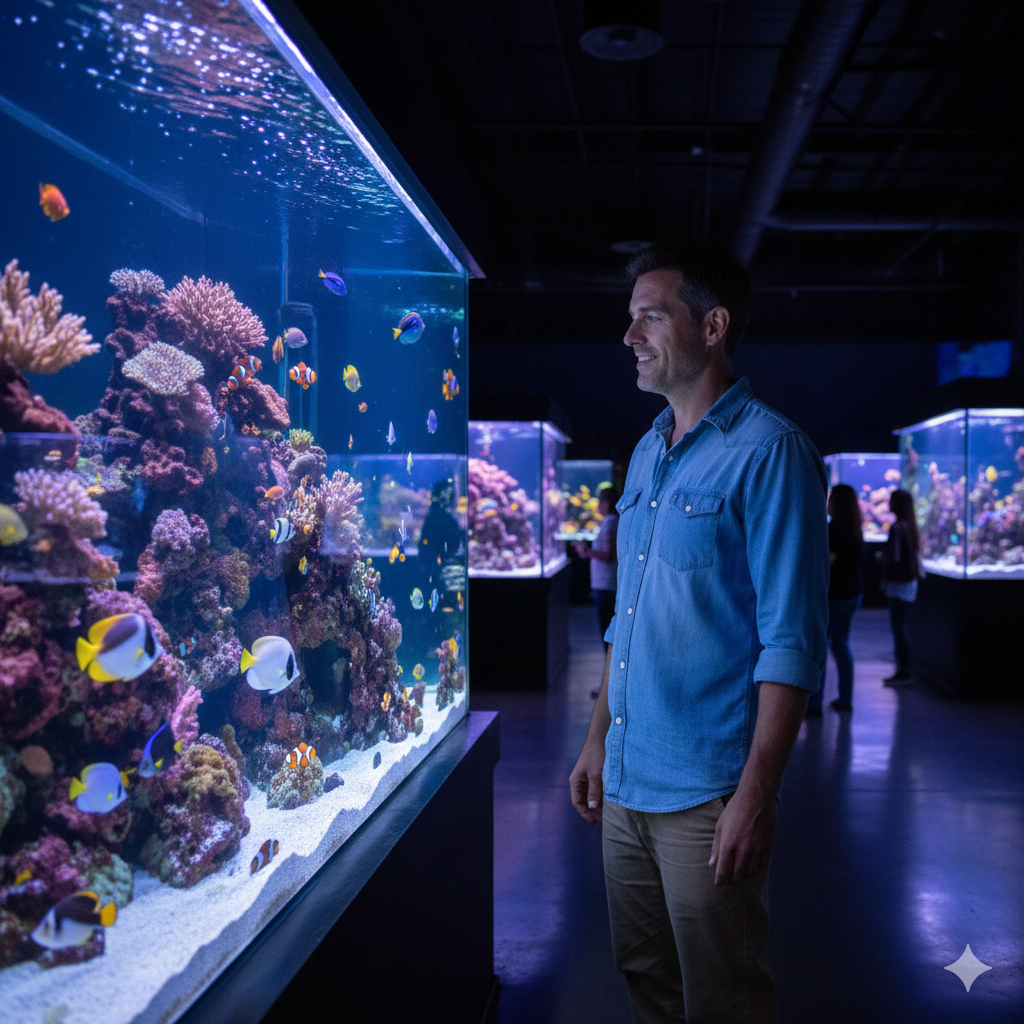
My name is Daniel Carter, I am 35 years old, and I live in the United States. I have been passionate about aquariums for many years, and what started as a simple hobby quickly became a lifelong interest in aquatic life, fish behavior, and responsible tank care.
Through TheBrightLance, I share real experiences, practical knowledge, and honest lessons learned from maintaining different types of aquariums. I enjoy testing equipment, studying fish behavior, improving maintenance routines, and helping beginners avoid common mistakes.
My goal is to make aquarism easier, more ethical, and more enjoyable for everyone — whether you are setting up your very first tank or looking to refine your techniques.