
My Early Days in Aquascaping: A Comedy of Errors
I’ll never forget the day I brought home my first aquarium. I was brimming with excitement, visions of a miniature underwater paradise dancing in my head. I pictured a vibrant ecosystem teeming with life, a tranquil escape from the everyday hustle. What I got, however, was a crash course in humility and a series of near-disasters that threatened to turn my aquatic dream into a murky nightmare. Looking back, I can laugh (mostly), but at the time, each mistake felt like a monumental failure. I’m sharing these stories not to embarrass myself (though that’s a definite side effect), but to hopefully spare other beginners the same painful lessons I learned the hard way. Let’s dive in, shall we?
The Perils of Impatience: The Nitrogen Cycle’s Revenge
Ah, the nitrogen cycle – the invisible foundation upon which every successful aquarium rests. Or, in my case, the invisible force that nearly wiped out my entire fish population within a week. Eager to populate my brand-new tank, I completely skipped the crucial cycling process. I mean, who has time to wait weeks for bacteria to establish themselves? I certainly didn’t! I went to my local fish store, picked out a handful of colorful tetras, and proudly introduced them to their new home. Big mistake. Huge.
Within days, the water turned cloudy, and my fish started acting lethargic. They huddled near the surface, gasping for air. I was clueless. I changed the water, thinking that would solve the problem, but it only made things worse. Looking back, I realize I was essentially poisoning my fish with their own waste. The lack of beneficial bacteria meant ammonia and nitrite levels skyrocketed, creating a toxic environment. It was a gruesome scene, and I felt terrible. Several fish didn’t make it. It was a heartbreaking experience that taught me a valuable lesson: patience is not just a virtue; it’s a necessity in aquascaping. Now, I preach the gospel of the nitrogen cycle to anyone who will listen, stressing the importance of proper cycling before introducing any livestock. I even bore my friends with detailed explanations of ammonia, nitrite, and nitrate conversion. They love it, I swear.

The Algae Bloom Apocalypse: A Green Invasion
Once I finally understood the nitrogen cycle and established a stable tank, I thought I was in the clear. Little did I know, another challenge was lurking just around the corner: algae. Oh, the algae. It started innocently enough, a few green spots on the glass. But soon, it exploded into a full-blown infestation, turning my beautiful aquarium into a murky green swamp. Hair algae draped over my plants, covering everything in a slimy, unsightly mess. I was mortified.
I tried everything I could think of. I scrubbed the glass, changed the water religiously, and even tried using algaecides (a decision I later regretted). Nothing seemed to work. The algae just kept coming back, stronger than ever. I was on the verge of giving up. Then, I stumbled upon the concept of balancing light, nutrients, and CO2. It turned out I was blasting my tank with too much light, providing the perfect conditions for algae growth. I reduced the lighting duration, added some fast-growing plants to outcompete the algae for nutrients, and introduced a few algae-eating snails. Slowly but surely, the algae bloom began to recede. It was a long and arduous battle, but I eventually emerged victorious. Now, I’m much more mindful of lighting and nutrient levels, and I regularly prune my plants to prevent algae from gaining a foothold.
The Overfeeding Fiasco: A Feast for the Decomposers
Who doesn’t love feeding their fish? It’s one of the most enjoyable aspects of aquarium keeping. But like everything else, moderation is key. In my early days, I was guilty of overfeeding my fish. I wanted to make sure they were well-fed and happy, so I would generously sprinkle food into the tank, day after day. What I didn’t realize was that uneaten food was sinking to the bottom and decomposing, creating a breeding ground for harmful bacteria and contributing to poor water quality. The result? A constant battle against cloudy water, elevated nitrate levels, and the occasional outbreak of disease.
I learned my lesson the hard way. I now feed my fish sparingly, only what they can consume in a few minutes. I also make sure to vacuum the substrate regularly to remove any uneaten food and debris. A good trick is to observe your fish closely during feeding time. If they are still actively searching for food after a few minutes, you can add a little more. But if food is left uneaten, reduce the amount you offer next time. It’s all about finding the right balance. I’ve even implemented a “fasting day” once a week, giving my fish’s digestive systems a break and further reducing the risk of overfeeding.
Equipment Mishaps: The Silent Killers
Beyond the biological challenges, I also encountered my fair share of equipment-related mishaps. From faulty heaters to inadequate filtration, I’ve experienced firsthand how crucial it is to invest in reliable equipment and to understand how it works.
The Heater Meltdown: A Scalding Surprise
One particularly memorable incident involved a malfunctioning heater. I woke up one morning to find my tank water alarmingly warm. The heater had become stuck in the “on” position, cooking my fish alive. The temperature had soared to almost 90 degrees Fahrenheit! I frantically unplugged the heater and started performing emergency water changes to cool the tank down. Thankfully, I managed to avert a complete disaster, but several fish suffered burns, and the experience left me shaken. From that day forward, I’ve always used a reliable thermometer to monitor the water temperature and have invested in a high-quality heater with built-in safety features. I also regularly check the heater to ensure it’s functioning properly. This incident taught me that even seemingly simple pieces of equipment can pose a serious threat to your aquarium if they malfunction.

The Filter Fiasco: A Cloudy Catastrophe
Another time, I underestimated the importance of proper filtration. I started with a small, inadequate filter that simply couldn’t keep up with the bioload of my growing aquarium. The water was constantly cloudy, and I was constantly battling high nitrate levels. I eventually realized that I needed to upgrade to a more powerful filter. I invested in a canister filter with multiple stages of filtration, including mechanical, chemical, and biological. The difference was night and day. The water cleared up, the nitrate levels plummeted, and my fish were visibly happier. A good filter is the heart of any aquarium. It removes debris, clarifies the water, and provides a home for beneficial bacteria. Don’t skimp on filtration; it’s one of the most important investments you can make.
Choosing the Right Inhabitants: A Tale of Compatibility and Caution
Selecting the right fish and invertebrates is crucial for a thriving aquarium. I’ve learned this lesson through trial and error, experiencing firsthand the consequences of incompatible tank mates and poorly researched additions.
The Bully Brigade: A Lesson in Fish Aggression
In my early days, I was drawn to the most colorful and interesting-looking fish, without considering their temperament or compatibility with other species. This led to some unfortunate incidents. I introduced a group of boisterous cichlids into my community tank, thinking they would add some excitement. What I got was a reign of terror. The cichlids bullied the other fish, nipping at their fins and chasing them relentlessly. The smaller, more peaceful fish were constantly stressed and eventually succumbed to disease. I quickly realized that I had made a mistake. I rehomed the cichlids and learned a valuable lesson about the importance of researching the temperament and compatibility of different fish species before introducing them to the tank. Now, I carefully consider the needs and behaviors of each species before adding them to my aquarium.
The Invasive Invertebrate: A Snail Overpopulation
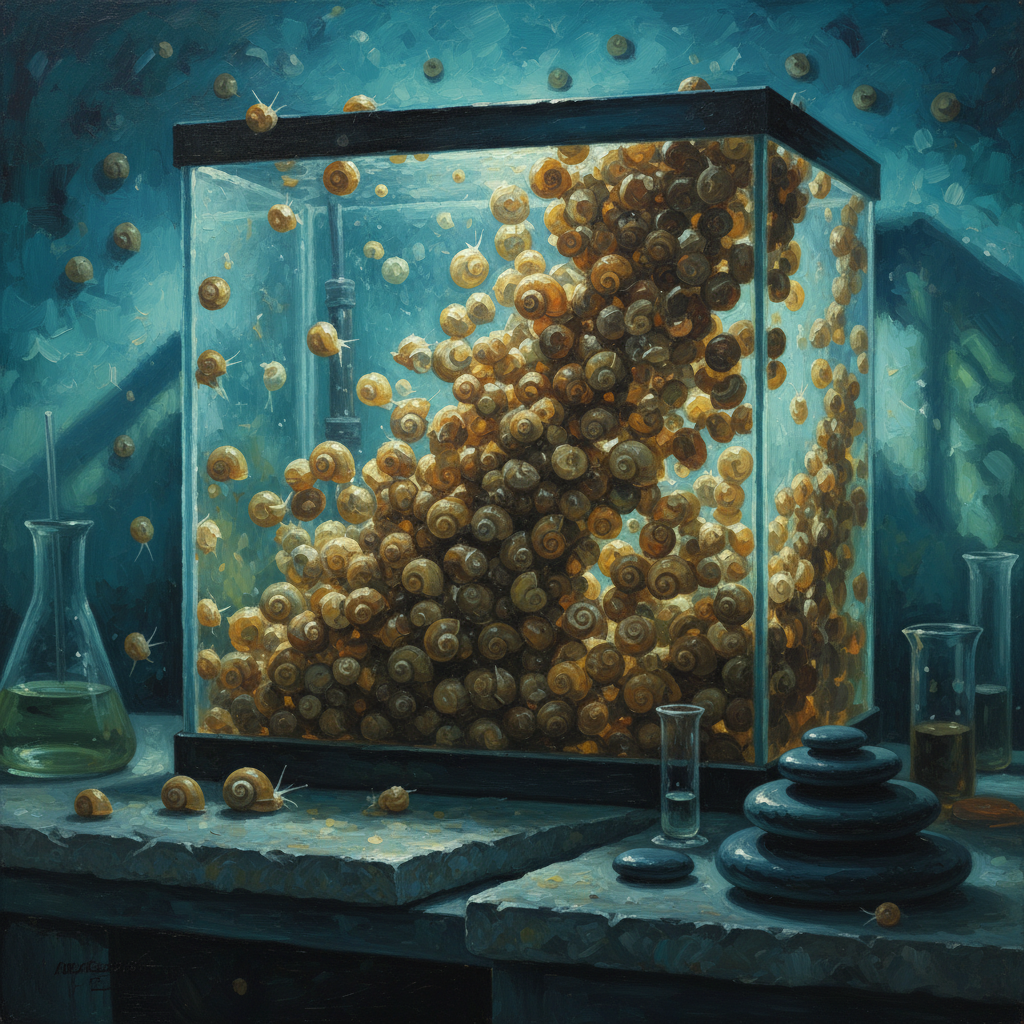
Another time, I unknowingly introduced a population of pest snails into my tank. They hitched a ride on some new plants I had purchased. At first, they were barely noticeable. But soon, they multiplied exponentially, covering every surface in my aquarium. They were unsightly, and they clogged my filter. I tried everything to get rid of them, but nothing seemed to work. I eventually had to tear down the entire tank, disinfect everything, and start over. It was a painful experience. Now, I quarantine all new plants and carefully inspect them for snails and other pests before introducing them to my aquarium. I also avoid overfeeding, as excess food can fuel snail populations. A healthy balance within the aquarium’s ecosystem is key to preventing such infestations.
Planting Pitfalls: From Brown Thumbs to Green Growth
Aquascaping with live plants can transform an aquarium into a stunning underwater landscape. However, it also presents its own set of challenges. I’ve struggled with everything from nutrient deficiencies to algae outbreaks, learning valuable lessons along the way.
The Nutrient Deficit: A Case of Yellowing Leaves
In my early attempts at planted aquariums, I struggled to provide my plants with the nutrients they needed to thrive. The leaves turned yellow and brittle, and the plants grew slowly. I eventually realized that I needed to supplement the water with fertilizers. I started using a liquid fertilizer that contained essential macro and micro nutrients. The difference was remarkable. The plants perked up, the leaves turned green, and they started growing vigorously. I also learned about the importance of substrate fertilization, using root tabs to provide nutrients directly to the roots of my plants. Now, I regularly monitor the nutrient levels in my aquarium and adjust my fertilization regime accordingly. Understanding the specific needs of different plant species is crucial for success.
The CO2 Conundrum: Balancing Act for Lush Growth
Another challenge I faced was providing adequate CO2 for my plants. CO2 is essential for photosynthesis, and without it, plants struggle to grow. I experimented with different CO2 injection systems, eventually settling on a pressurized CO2 system with a diffuser. The results were dramatic. The plants grew faster, fuller, and more vibrant. However, I also learned that too much CO2 can be harmful to fish. It’s a delicate balancing act, and it requires careful monitoring and adjustment. I now use a drop checker to monitor the CO2 levels in my aquarium and adjust the flow rate accordingly. Achieving the right balance of CO2, light, and nutrients is essential for creating a thriving planted aquarium.
The Importance of Observation and Adaptation
The most important lesson I’ve learned over the years is the importance of observation and adaptation. Every aquarium is unique, and what works for one tank may not work for another. It’s crucial to pay close attention to your aquarium, observe your fish and plants, and adapt your approach as needed. Are your fish behaving normally? Are your plants growing well? Is the water clear? These are all important questions to ask yourself on a regular basis.
Don’t be afraid to experiment and try new things. But always do your research first, and make sure you understand the potential consequences of your actions. And most importantly, be patient. Aquascaping is a journey, not a destination. There will be ups and downs, successes and failures. But if you’re willing to learn from your mistakes and adapt to the challenges, you’ll be rewarded with a beautiful and thriving underwater world.

So, there you have it – a glimpse into my early aquascaping adventures, filled with mistakes, mishaps, and hard-earned lessons. I hope my experiences have been helpful, and that they inspire you to embark on your own aquatic journey. Remember, don’t be afraid to make mistakes. They’re a valuable part of the learning process. Just be sure to learn from them, and never give up on your dream of creating a beautiful and thriving aquarium. And most importantly, have fun! Because at the end of the day, aquascaping is a hobby to be enjoyed.
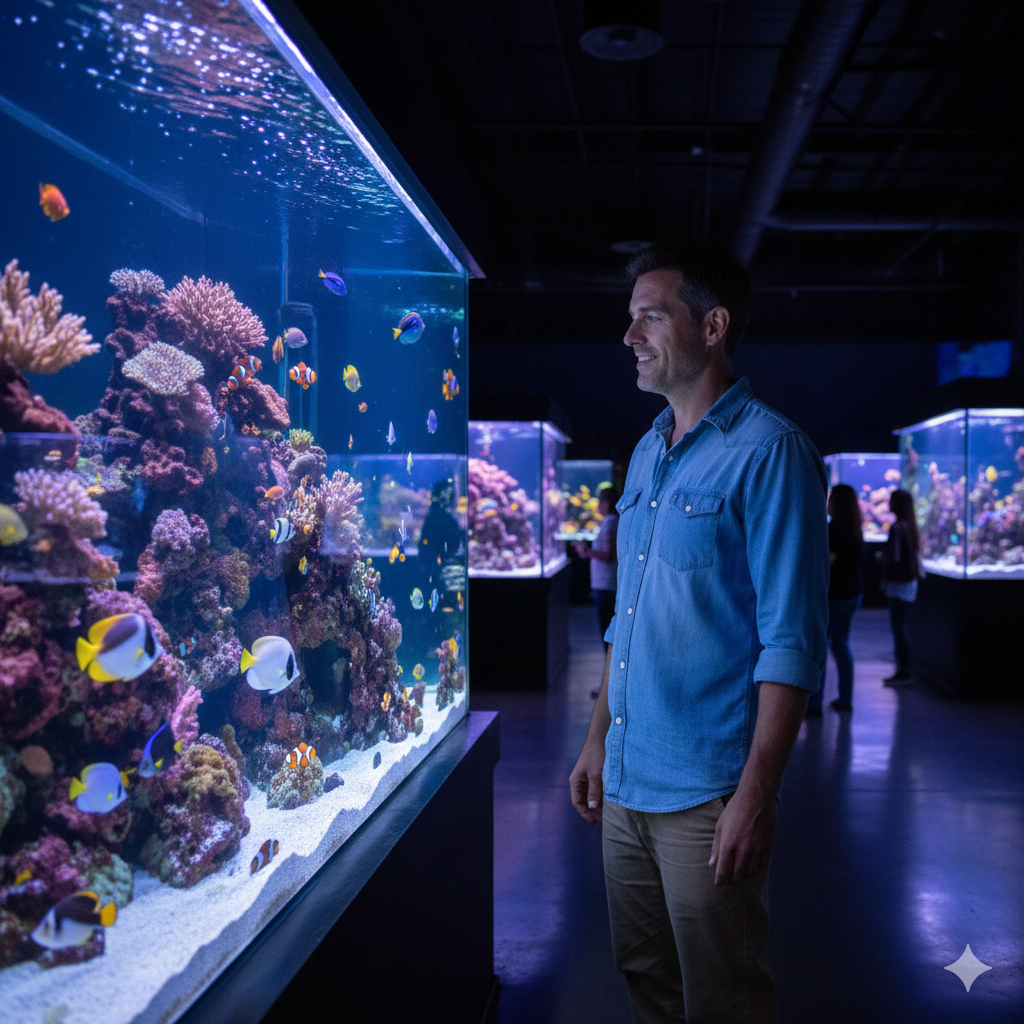
My name is Daniel Carter, I am 35 years old, and I live in the United States. I have been passionate about aquariums for many years, and what started as a simple hobby quickly became a lifelong interest in aquatic life, fish behavior, and responsible tank care.
Through TheBrightLance, I share real experiences, practical knowledge, and honest lessons learned from maintaining different types of aquariums. I enjoy testing equipment, studying fish behavior, improving maintenance routines, and helping beginners avoid common mistakes.
My goal is to make aquarism easier, more ethical, and more enjoyable for everyone — whether you are setting up your very first tank or looking to refine your techniques.